
 3 weeks ago
41
3 weeks ago
41
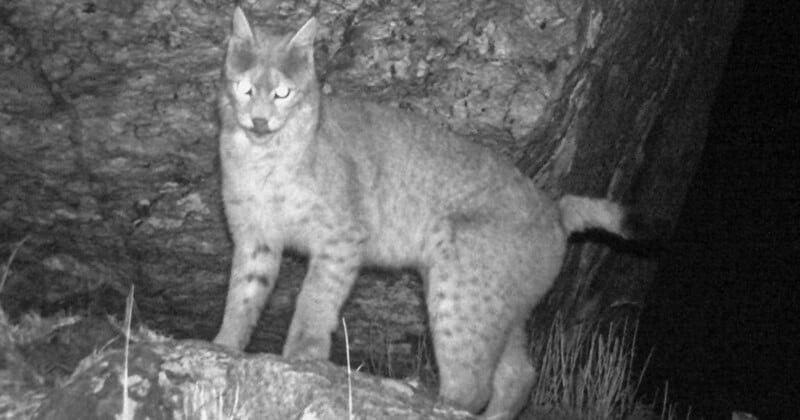 A trail camera captured an image of a Eurasian lynx on the Tso Lhamo plateau in Sikkim, India in January 2026 | Sikkim Forest Department and WWF-India
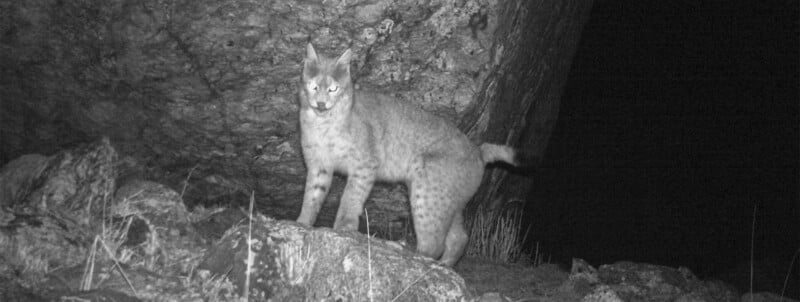
A trail camera has captured a striking image of a rare Eurasian lynx moving across the high-altitude Himalayas – marking the first confirmed photographic record of the species in Sikkim, India.
The photograph was taken in January 2026 on the Tso Lhamo plateau in Sikkim, a remote area near the Himalayan border, at an altitude of more than 17,400 feet in Mangan district. The image of the elusive wild cat was shot on camera traps set up by the Sikkim Forest Department and WWF-India.
As well as being the first evidence of the species in the northeastern Indian state of Sikkim, the image also represents only the second confirmed photographic record of a Eurasian lynx in the Eastern Himalayas, a mountainous region stretching across several countries in Asia.
According to a press release, the trail camera image of the Eurasian lynx was captured as part of a long-term program monitoring snow leopards and other wildlife in the region led by the Sikkim Forest Department and WWF-India.
 Sikkim Forest Department and WWF-India
“The photographic confirmation of the Eurasian lynx in the Tso Lhamo plateau is a proud moment for Sikkim,” Sri Udai Gurung, IFS, Chief Conservator of Forests (Wildlife), Forest and Environment Department, Sikkim, says in a press release. “It highlights the ecological significance of our high-altitude rangelands and reinforces our commitment to protecting these fragile ecosystems. The Lachen Dzumsa’s cooperation in facilitating access to these remote areas has been important to this work.”
The Eurasian lynx is a medium-sized wild cat found across parts of Europe and Asia. It is recognizable by its pointed ears with black tufts and short tail and is adapted to cold environments, including high-altitude habitats. In India, the species is mainly associated with high-altitude areas of the Himalayas, where its remote and rugged habitat makes it difficult to observe. Its low population density, elusive behavior, and preference for areas with little human activity also make sightings extremely uncommon.
Last year, PetaPixel reported on how a young amateur photographer in Spain has captured the first-ever images of a white Iberian lynx — thought to be one of the rarest big cats on the entire planet.
Affiliate Disclosure PetaPixel articles may include affiliate links; we may earn a commission if you buy through one.








 English (US) ·