


Published Apr 20, 2026, 11:30 AM EDT
They are a freelance author for ScreenRant. They are passionate about introducing readers to lesser-known media, especially with a focus on representation. They're always scavenging for offbeat content that tells stories mainstream media won't, or that have been forgotten over time.
Tom Cruise will forever be Ethan Hunt to most of us, having taken on the role of the superspy from Mission: Impossible eight times now. Until the 1990s, when he became Hunt in Mission: Impossible after starring in The Firm, which feels like a prequel, he was more famous as another character who's also inextricably linked to his legacy today.
Of the many modern movies that reshaped the industry, few have been as impactful as Tom Cruise's legacy sequel, Top Gun: Maverick, which revived a dying industry after the COVID-19 pandemic. Despite returning to the role over three decades later, Cruise retains some of the defiant charm that made his reckless navy pilot an endearing character back in the '90s.
Top Gun is a 1980s movie that changed the world by becoming a pop culture sensation that is still referenced regularly today, featuring a soundtrack that defined the '80s, and giving Tom Cruise his action movie breakthrough, which would eventually become his signature genre. However, due to Top Gun's cultural footprint, many other Tom Cruise movies have faded into obscurity.
Tom Cruise Is The Supporting Actor In The Color Of Money

Few people in the industry have spent their entire career expressing their love for cinema like Martin Scorsese, who has inspired some of the greatest filmmakers working today. Similarly, Tom Cruise stands out as an actor who regularly brings attention to cinematic achievements today. So, a collaboration between the two would be a dream come true for the film community.
You might be surprised to learn that as many as 40 years ago, this collaboration did indeed occur, when Tom Cruise took the supporting role in Martin Scorsese's The Color of Money. He plays Vincent Lauria, an abrasive pool player, who soon becomes a world-class hustler under the guidance of a retired pool hustler, Eddie Felson, played by Paul Newman.
Before either the director or the actor had earned their current reputations as cinephiles, The Color of Money became one of Martin Scorsese's highest-grossing movies, a record it still retains. Yet, despite the implications of their collaboration, Cruise's turn in a dramatic role, and Scorsese's attempt at a new genre, modern audiences seem unaware of The Color of Money's existence.
Paul Newman Won His First Oscar For The Color Of Money
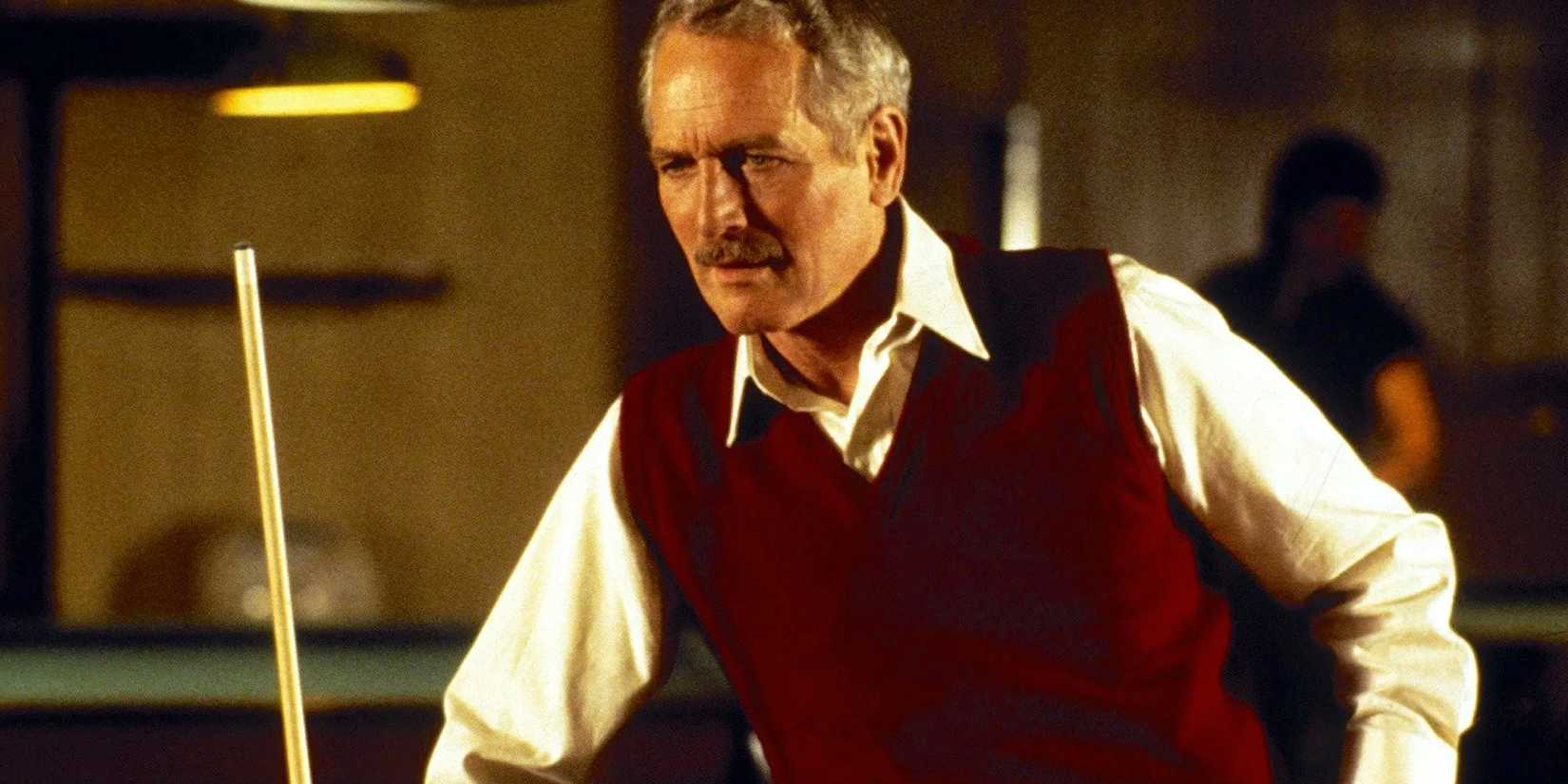
What's even lesser-known about The Color of Money is that it is a Tom Cruise sequel movie, except it's not a sequel for him. Paul Newman's protagonist, Eddie Felson, first appears in Robert Rossen's 1961 film, The Hustler. The Color of Money picks up 25 years later, meaning Eddie is also 25 years older than he was in The Hustler.
Newman expertly carries the weight of the last quarter-century in his body language as an older Eddie who sees glimpses of his younger self in Cruise's Vincent. Carefully maintaining the delicate balance between wanting to train a protégé and returning as a hustler himself earned Newman his first Academy Award in 1987, 25 years after his nomination for The Hustler.
Other Sports Movies Should Learn From Its Cinematography And Editing
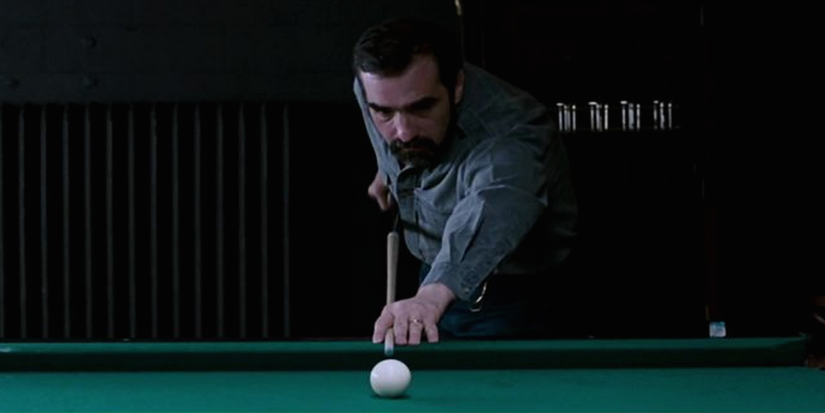
The most recent example of a sports movie that made headlines for its thrilling visuals also involves a tiny ball being hit across the board, but while Marty Supreme's ping-pong sequences focus on the players' attitudes, The Color of Money turns the pool table into a ballroom where the billiards balls waltz along to the rhythm of the clicking cues.
Michael Ballhaus and Thelma Schoonmaker, as the cinematographer and editor, respectively, use tracking shots, pans, and dolly shots focused on the balls themselves, cutting between multiple angles and time frames to convey the game's rhythm with a leisure that reflects the mindset of the hustlers. The Color of Money is among the movie masterpieces celebrating their 40th anniversary in 2026.
The Color Of Money Proves Martin Scorsese's Versatility

Between Taxi Driver, Raging Bull, GoodFellas, Casino, The Departed, and The Wolf of Wall Street, Scorsese has earned a reputation for making violent and gory films with a focus on crime to make social commentary. However, he's among the most versatile directors of all time, as Martin Scorsese's most underrated movies, like Hugo and New York, New York, undoubtedly establish.
Similarly, The Color of Money proves that Scorsese's comfort with sports cinema goes beyond the aggressively masculine, bloody, and sweaty corners of a boxing mat. The subtle storytelling in The Color of Money sets the stage for the actors to showcase their talents, and the film's steadily ebbing-and-flowing pace allows every emotional beat to be felt on a personal level.
Tom Cruise Has Worked With A Host Of Influential Directors
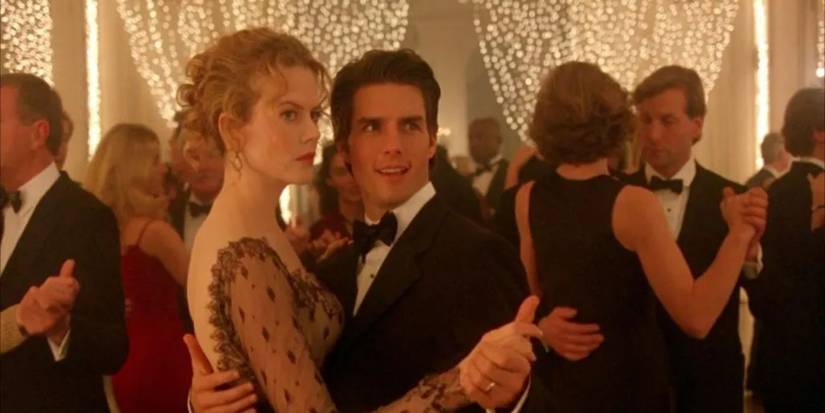
Working with Tom Cruise makes careers today, as is witnessed through the success of Joseph Kosinski, whose TRON: Legacy, which is a thematic predecessor to Top Gun: Maverick, failed to make him as famous as the Tom Cruise legacy sequel. Tom Cruise's filmography is more varied than many modern audiences realize, and it proves why he's so influential in Hollywood.
Paul Thomas Anderson's Magnolia earned Cruise his only Oscar nomination of this century. He's also worked with stalwarts like Stanley Kubrick for Eyes Wide Shut, Ridley Scott for Legend, Francis Ford Coppola for The Outsiders, Rob Reiner for A Few Good Men, and Michael Mann for Collateral. Hopefully, Tom Cruise will do a The Color of Money sequel like Newman.


![Now This Is Podracing: Disney Parks Is Getting New Boonta Eve Star Wars Merch [Exclusive]](https://www.slashfilm.com/img/gallery/star-wars-boonta-eve-podracing-disney-parks-new-merchandise/l-intro-1776981166.jpg)





 English (US) ·