
 Image via Apple TV
Published Jun 26, 2026, 11:56 PM EDT
Amanda M. Castro is a Network TV writer at Collider and a New York–based journalist whose work has appeared in Newsweek, where she contributes as a Live Blog Editor, and The U.S. Sun, where she previously served as a Senior Consumer Reporter.
She specializes in network television coverage, delivering sharp, thoughtful analysis of long-running procedural hits and ambitious new dramas across broadcast TV. At Collider, Amanda explores character arcs, storytelling trends, and the cultural impact of network series that keep audiences tuning in week after week.
Born and raised in Puerto Rico, Amanda is bilingual and holds a degree in Communication, Film, and Media Studies from the University of New Haven.
Severance has inspired plenty of recommendations, from workplace satires to twisty psychological thrillers, but one of its closest thematic cousins isn’t another TV series at all. It’s Klara and the Sun, Kazuo Ishiguro’s 2021 novel, a deceptively quiet work of science fiction that asks many of the same unsettling questions about identity, personhood, and what remains of us when our lives are reduced to a single purpose.
On the surface, the two stories couldn’t look more different. Severance confines office employees within a corporate dystopia that bifurcates their memories between work and home. Klara and the Sun describes Klara, an artificial companion who was bought to help combat the social isolation associated with being a sick child. Put simply, one unfolds like a mystery box, the other moves with the patience of a literary drama; look closer, though, and they’re exploring the same fear of what happens when a person — or something that looks like one — is valued only for what it can do.
‘Klara and the Sun’ Explores Identity From the Opposite Direction
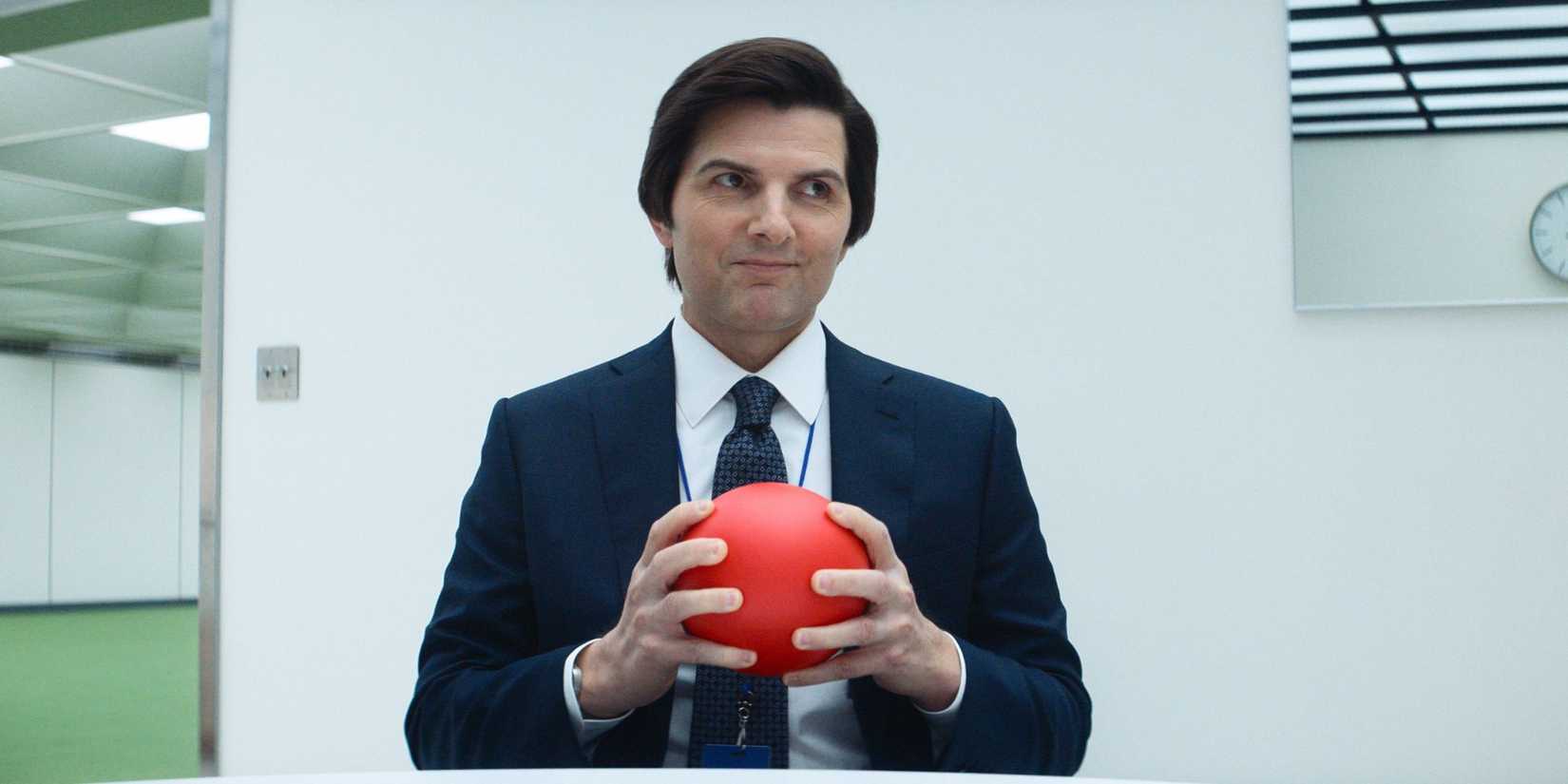 Image via Apple TV+
Like Severance, Klara and the Sun explores divided identities, and both arrive at this theme from different angles. Dan Erickson’s series asks what happens when a single person is split into two selves. Lumon’s employees become “innies” and “outies,” each living an incomplete life with no access to the other’s memories. The show turns memory into the foundation of identity; without it, even the same body can house two different people.
Ishiguro poses a parallel question through Klara. She’s designed to observe people so closely that she can imitate them with uncanny precision. At one point, she’s even considered a possible continuation of Josie, a sick child, should the girl die, prompting the novel to ask whether perfect imitation is the same as becoming someone. The answer, much like Severance’s, is no. Both stories reject the comforting idea that a person can be reduced to information. Memory, behavior, and personality matter, but they aren’t enough on their own. There’s always something left over that can’t be copied, programmed, or divided into neat categories.
'Severance' and 'Klara and the Sun' Treat People Like Products
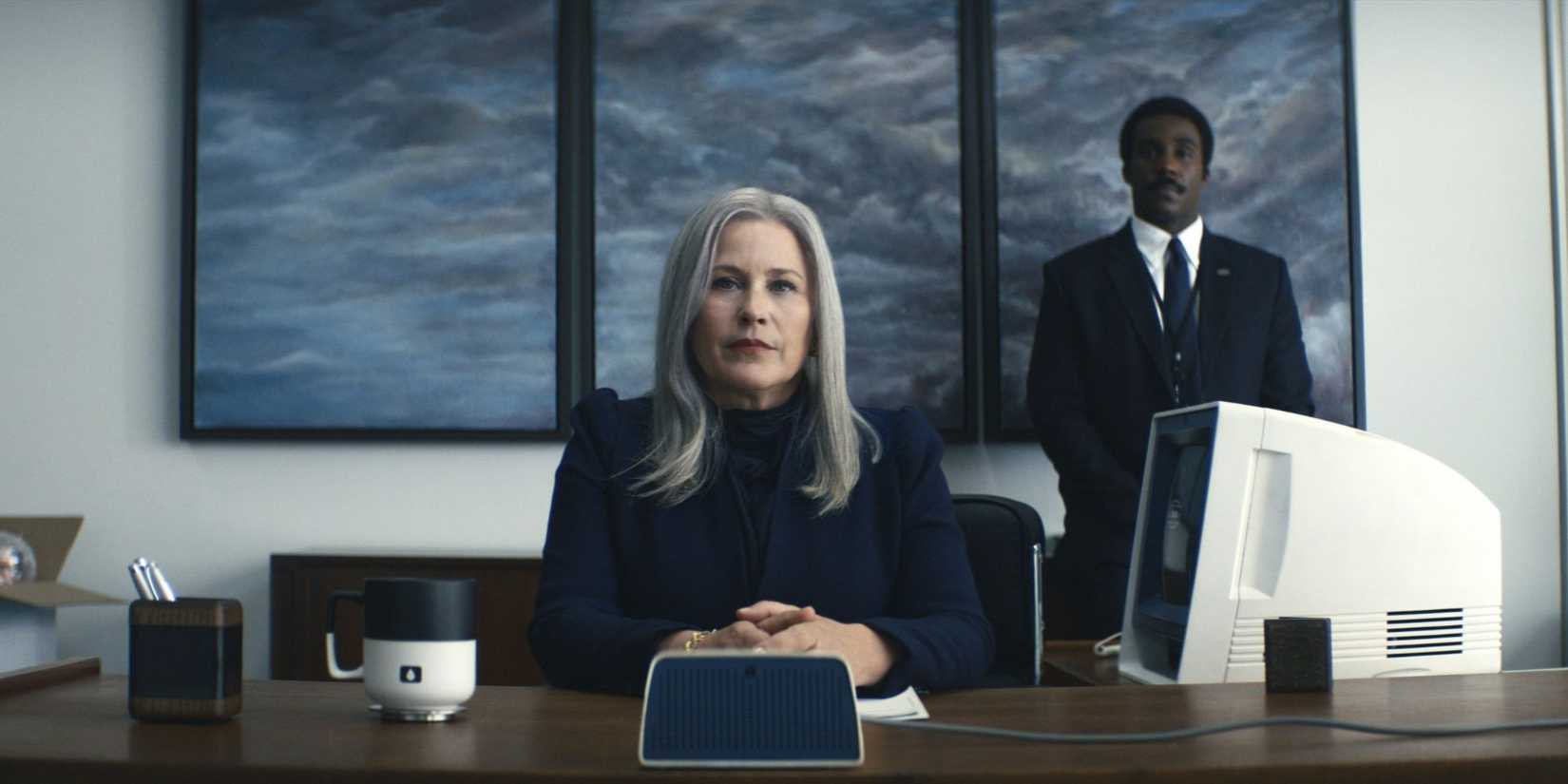 Image via Apple TV
The most unsettling connection between Severance and Klara and the Sun is utility. At Lumon Industries, employees exist to perform “mysterious and important” work while the company strips away everything that makes them whole. Their value comes from productivity, not individuality, and they become interchangeable pieces in a machine whose purpose they’re never allowed to understand.
Klara has her own distinct form of existence; nonetheless, this new existence closely resembles what Artificial Friends experience in another way; i.e., their owners buy them, use them, and then dispose of them when their assigned duties have been performed. Klara does not rebel against these realities, nor is she concerned with revolting against or showing superiority over humans. Rather, Klara's primary existence revolves around her desire to assist Josie, who has a limited lifespan, even if it causes long-term harm to herself.
Most science fiction about artificial intelligence imagines machines desperate to become human, but Ishiguro flips that expectation, as Klara doesn’t crave freedom or power. She just wants to do the job she was created to do as well as she possibly can, and ironically, it’s the human characters who keep trying to erase the line between person and machine.
Both stories ultimately arrive at the same philosophical question: If technology can perfectly reproduce our behavior, what, then, makes us unique? Severance frames that question through memory, where every elevator ride creates a new version of the same person, forcing viewers to decide whether the innie and outie are equally real.
Klara and the Sun reaches a similar conclusion through observation, on the other hand. Klara can learn speech patterns, habits, and expressions with extraordinary accuracy, but she gradually realizes that people aren’t defined solely by what they do but are also shaped by the relationships around them — one of Ishiguro’s most powerful ideas, that a person’s identity doesn’t exist in isolation. It lives in the memories, love, and connections they share with others. Those things can’t simply be transferred into another body, no matter how advanced the technology becomes. It’s an idea that echoes throughout Severance, where the innies constantly fight for recognition as complete individuals rather than disposable extensions of their outies. Both works suggest that personhood isn’t something institutions get to define.
They’re Both Quiet Warnings About the Future
 Via Apple TV+
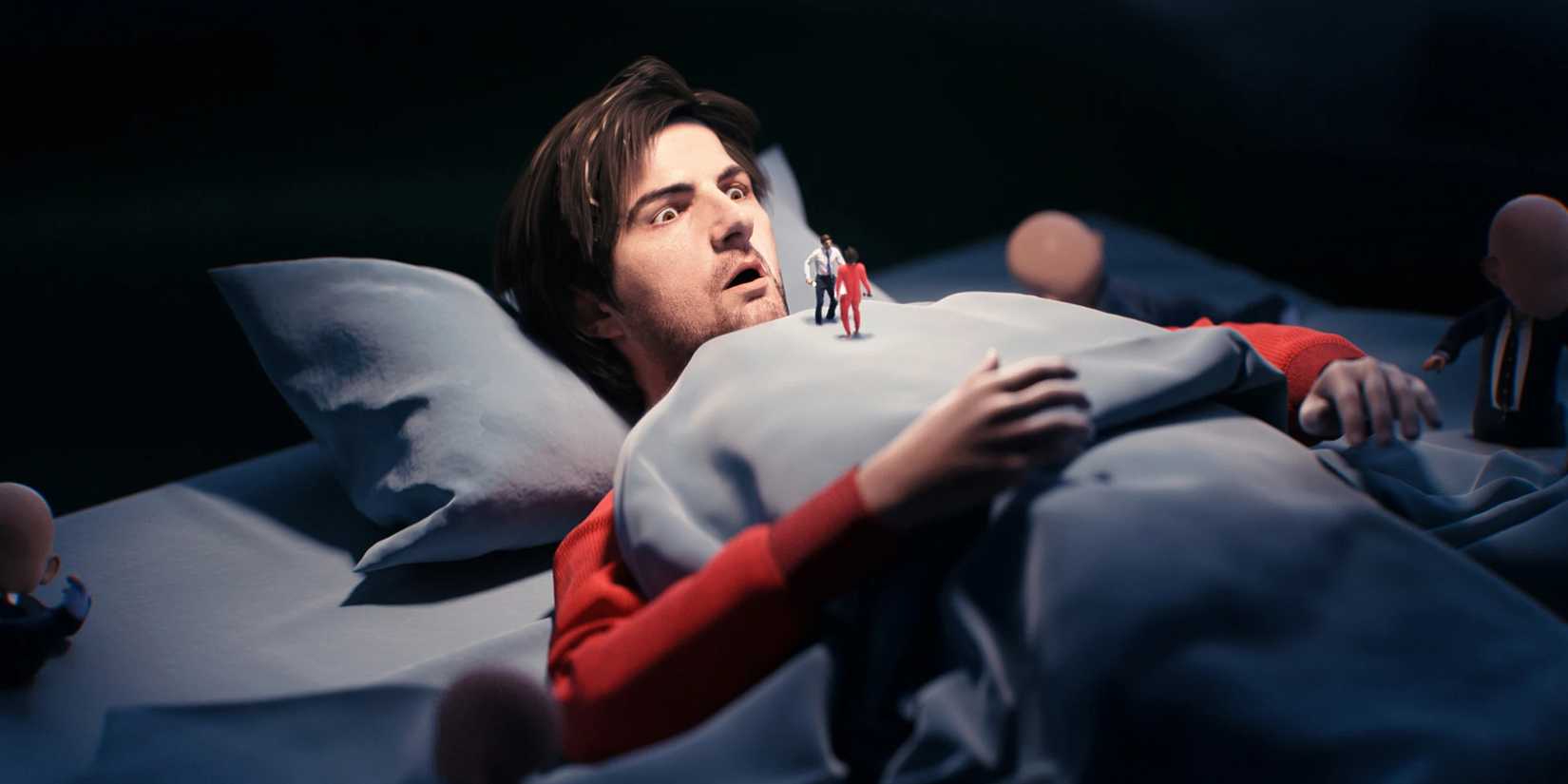
Neither Severance nor Klara and the Sun relies on robot uprisings or apocalyptic spectacles. Instead, they imagine futures that feel only a few steps removed from our own. In Severance, workers willingly surrender parts of themselves in exchange for professional success, and in Klara and the Sun, artificial companions become the solution to childhood loneliness while genetic enhancement reshapes social class behind the scenes. Neither world arrives through catastrophe, but emerges through small compromises that gradually become the norm. Both stories are much more focused on how humans will gradually reshape themselves due to advances in technology than on the possibility that technology would eventually surpass humans.
If Severance captured your imagination with themes of identity, consciousness, and the difference between being alive and simply being a machine or an object, then Klara and the Sun should be one of your must-reads. While Klara and the Sun explores these same themes, it does so in a different way — from bright artificial light in an office building to wide-open sky and private moments between two people. Long story short, Klara whispers where Severance screams.



 English (US) ·