
 Image via Orion/courtesy Everett Collection

Published Feb 8, 2026, 12:23 PM EST
André Joseph is a movie features writer at Collider. Born and raised in New York City, he graduated from Emerson College with a Bachelor's Degree in Film. He freelances as an independent filmmaker, teacher, and blogger of all things pop culture. His interests include Marvel, Star Wars, Ghostbusters, Robocop, wrestling, and many other movies and TV shows.
His accomplishments as a filmmaker include directing the indie movie Vendetta Games now playing on Tubi, the G.I. Joe fan film "The Rise of Cobra" on YouTube, and receiving numerous accolades for his dramatic short film Dismissal Time. More information can be found about André on his official website.
When RoboCop hit cinemas in 1987, director Paul Verhoeven’s satirical depiction of a futuristic society in which corporate America is fueled by greed and violence stunned the public. Out of the absurdity and graphic chaos on the screen came a live-action superhero based on no source material. RoboCop’s success ultimately spawned sequels, TV shows, action figures, and countless video games. Often overlooked, however, is the true meaning behind the film's nature as an emotionally charged story.
Marking Verhoeven’s first American blockbuster hit, RoboCop won rave reviews from critics for its larger commentary on the decade of decadence, scoring a 92% Certified Fresh rating on Rotten Tomatoes. It is most remembered for its impressive ensemble led by Peter Weller in the titular role alongside Nancy Allen, Ronny Cox, Kurtwood Smith, and the late Miguel Ferrer. The screenplay by Ed Neumeier and Michael Miner is loaded with fan favorite quotes, whether it's the law enforcement cyborg calling out to a thug, “Dead or alive, you’re coming with me,” or the infamous Bixby Snyder sitcom line, “I’d buy that for a dollar!” Yet, of all the memorable lines in RoboCop, it is the pivotal scene in which the cyborg comes face-to-face with his deceased human identity.
What Is 'RoboCop' About?
Set in Detroit in the near future, the corporate giant Omni Consumer Products (OCP) takes control of the Motor City’s police department amid a rise in crime and poverty. After the demonstration of the enforcement droid ED-209 by the company’s senior vice president, Dick Jones (Cox), results in an executive’s gruesome death, the bright-eyed junior executive Bob Morton (Ferrer) proposes his alternative law enforcement machine to the company’s chairman (Dan O’Herlihy). Simultaneously, Detroit cop Alex Murphy (Weller) and his new partner Anne Lewis (Allen) pursue a street gang led by high-profile drug dealer Clarence Boddicker (Smith), which leads to Murphy getting gunned down in the line of duty.
Parts of Murphy’s corpse are transplanted into the RoboCop project, which becomes an instant success. However, flashes of Murphy’s family and his death at the hands of Boddicker resurface during routine maintenance. Defying the very system that created him, RoboCop tracks down Boddicker’s gang while uncovering a greater conspiracy between OCP and the criminals on the street.
Once Murphy becomes RoboCop, he is essentially operating within his prime directives. His face is largely covered by a metallic helmet that shows he is part human, but largely cut off from expressing his humanity. As Murphy’s memories flash across the screen randomly, RoboCop becomes less mechanical and more conscious. All this leads to the very moment when the indestructible cyborg begins to feel truly lost.
The Man Behind the Machine
When RoboCop attempts to arrest Jones, a secret 'prime directive' disables him; he is then badly damaged by ED-209 and the SWAT team. Saved by Lewis, RoboCop is taken to a steel mill where he removes his helmet and sees the face of Murphy in a cracked mirror. When Lewis explains what happened to the slain officer’s wife and son, who left Detroit after his funeral, RoboCop speaks a line devoid of his steely monotone voice: “I can feel them, but I can’t remember them.”
Between Weller’s understated performance and Basil Poledouris' somber score, the “I can feel them” reveals more than what RoboCop looks like behind the mask. This is a character whose life was taken away from him senselessly, only to be resurrected in a manner to serve corporate needs at the expense of sacrificing his humanity. Although OCP took everything from Murphy and replaced him with strict programming, they did not remove his essence. It asks whether the man no longer exists or if he is struggling to regain life.
'RoboCop' Is a Tragic Tale
 Image via Orion Pictures
As a product of the feel-good ‘80s, RoboCop manages to end on a high note with the cyborg bringing Murphy’s killers to justice. But it does not change the fact that the film is as much a tragic tale as it is, in Verhoeven's view, a metaphorical Jesus-resurrection story. “I can feel them,” means the little bit of Murphy’s humanity that exists within RoboCop is fully aware of the slain officer’s deep love for his wife and child. “But I can’t remember them” emphasizes not only his memories being fractured but also the cold, hard truth that he could never be Murphy as a whole ever again to be present in the lives of the family.
“I can feel them” marks the true turning point for RoboCop’s character arc. While he can never be fully human again, he starts to retain small bits of Murphy’s personality, with his voice sounding less robotic and his face capable of giving half a smile. Once asked by the OCP chairman about his name in the final scene, the cyborg's response, "Murphy," is only a partial victory. He can never be a family man again. But the system that created him can no longer fully control him either, because they will never take away the soul of Alex Murphy.
RoboCop is streaming on Prime Video in the US.
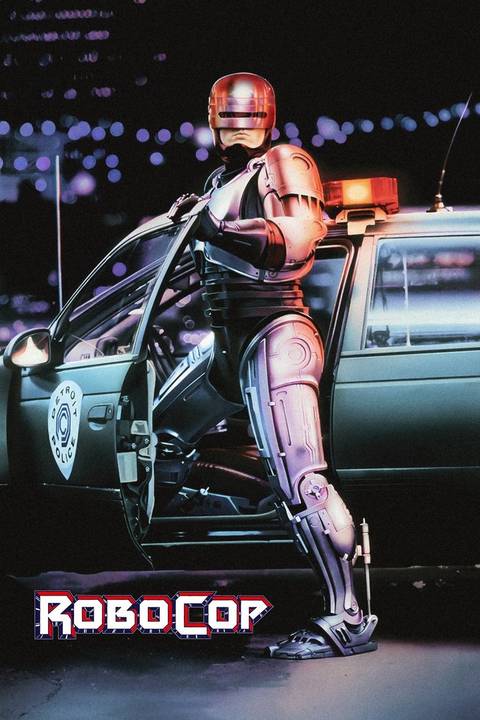
Release Date July 17, 1987
Runtime 102 minutes
Director Paul Verhoeven
Writers Edward Neumeier, Michael Miner
Producers Arne Schmidt
-

Officer Alex J. Murphy / RoboCop
-

Nancy Allen
Officer Anne Lewis








 English (US) ·