


Published Mar 21, 2026, 11:00 AM EDT
Casey Duby is an avid TV writer, watcher, and reviewer. She graduated from Emerson College in 2021 with a focus in Writing for Film and Television, where she wrote several pilots and watched countless more. She's been working in television ever since.
Casey loves thoughtful content that makes her ponder our world and the people in it, and she's learned that any genre can surprise her. With favorites in every genre from horror to politics, family to action, nothing is off limits.
Casey has experience working in TV development, as well as writing both narrative and host-driven shows. Currently working as a Writer in Los Angeles, with an AMC A-List membership to boot, she is always hunting for the next good story and great theme song.
Alfred Hithchock's Psycho is a masterpiece that could very well have been left alone, but an A&E series dared to touch it, changing the Psycho franchise for the better. Bates Motel wisely began its tale well before Norman Bates had evolved (or devolved) into the infamous figure portrayed in both the film and Robert Bloch's 1959 novel of the same name.
Feeling at first like a blend of family and crime drama, Bates Motel fully explores its surroundings. Norman Bates has been played by many actors, but Freddie Highmore logs a career-best performance in the role, aided by the presence of Vera Farmiga, Néstor Carbonell, Olivia Cooke, and Max Thieriot, whose own drama complicates the mother/son saga and largely makes Norman appear harmless — for a time.
Bates Motel Was A 10/10 Psychological Thriller
babbat
As a prequel to one of the most famous movies of all time, it was no secret where Bates Motel was going. Yet the show managed to keep viewers on their toes, uncertain about Norman's trustworthiness despite the prerequisite knowledge of who he would become. The ability to maintain suspense in a story whose ending is known from the start is a true credit to Freddie Highmore's abilities.
At first, Norman is an endearing boy, sympathetic to his friend/girlfriend Emma, who suffers from cystic fibrosis. Norman's comparatively well-adjusted brother, Dylan, highlights the role Norma plays in Norman's struggles. This, along with Norman's soft-spoken, puppy dog demeanor, establishes a baseline of trust in Norman that allows the audience to get comfortable before pulling the rug out from under them.
Bates Motel further preserves Norman's innocence with the continuous presence of other high-stakes stories that don't feel out of place in the world. The show opens with Norman and Norma's covering up their murder of a home invader who sexually assaulted Norma, a story that drives the entire first season.
It's an intense, intimate situation that speaks to Norma and Norman's larger dynamic, but it also poses an immediate problem unrelated to Norman's mental health that allows the show to kick that can further down the road. All of Bates Motel's intertwined stories allow the audience, like Norman himself, to distract themselves from the truth about his state of mind.
Bates Motel Was Original, But Still Preserved The Essence Of Psycho
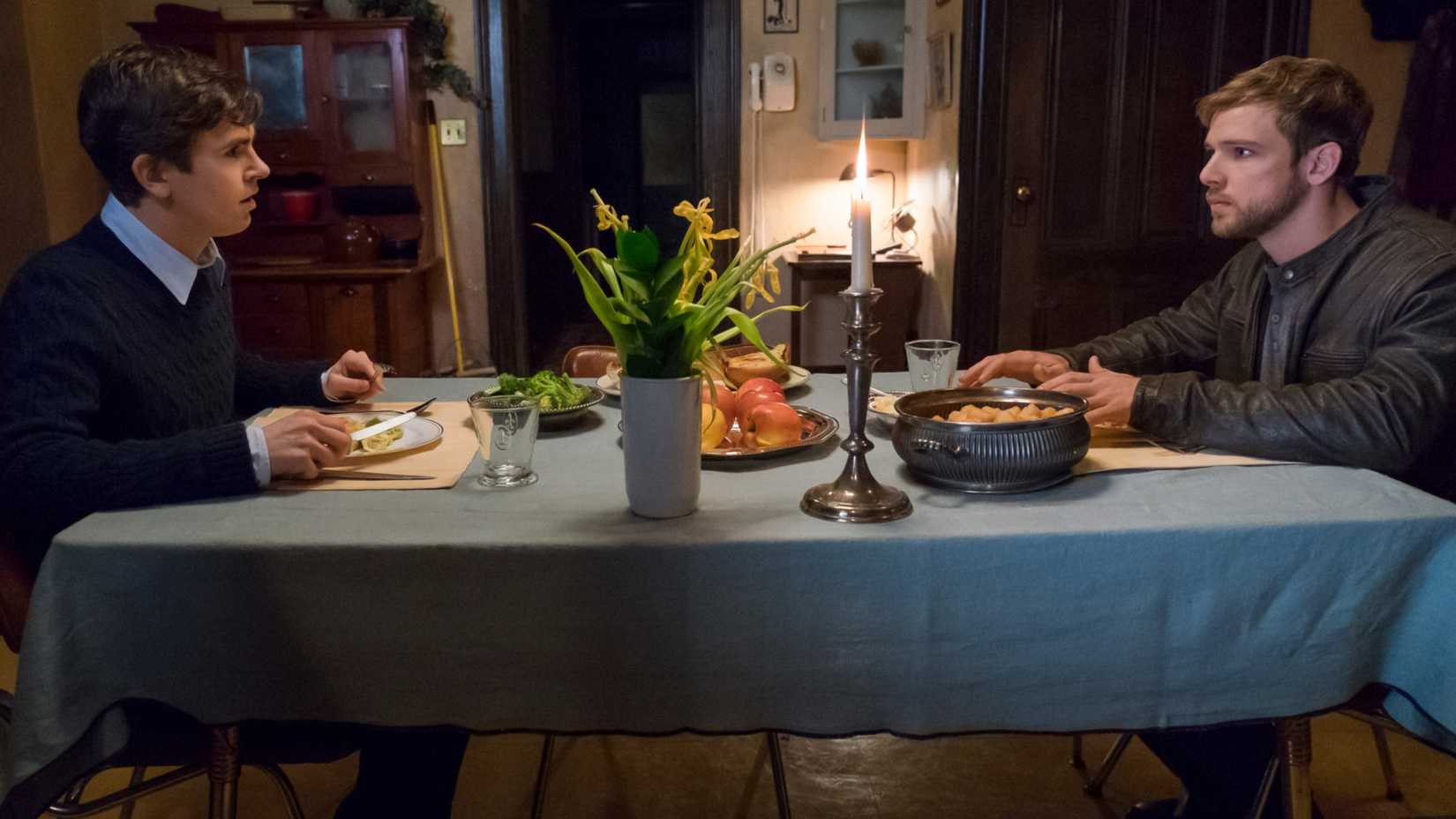
Bates Motel has some significant differences from Psycho, but the show was ultimately better for wholeheartedly committing to creating a new iteration of Norman Bates. For starters, despite positing itself as a prequel, the series was set in present-day White Pine Bay, Oregon, rather than 1960 Fairvale, California. This was a strong, albeit somewhat controversial choice that made Bates Motel distinct.
The Pacific Northwest setting gave the whole show an ominous, gloomy feel that fit the tone well. Despite the present-day timeline, Norman and Norma live a modest life, dress traditionally and conservatively, and drive outdated cars. This manages to make both them and the sudden appearance of iPhones or modern, "regular" people feel out of place, creating a distorted, unsettling atmosphere.
All five seasons of Bates Motel are streaming on Prime Video US.
Arguably, the most notable way the show veered off from Psycho was in its expansion of the Bates family. In Psycho, Norma Bates is long dead, with the movie's climax revealing that it was Norman's alternate personality of "Mother" doing the killing all along. Bates Motel treats viewers to an up-close and personal look at what that mother/son dynamic must have been like to get Norman to that place.
This relationship more than delivers on Psycho's promise of toxic, borderline incestuous dysfunction. The addition of Norman's brother, Dylan, further highlights the singularly problematic relationship between Norma and Norman that both mother and son are party to. Over the course of five seasons, Norman's fall into the character seen in Psycho has a sense of tragic, eerie inevitability.
Norman Bates' Story Was Best Told As A Television Series
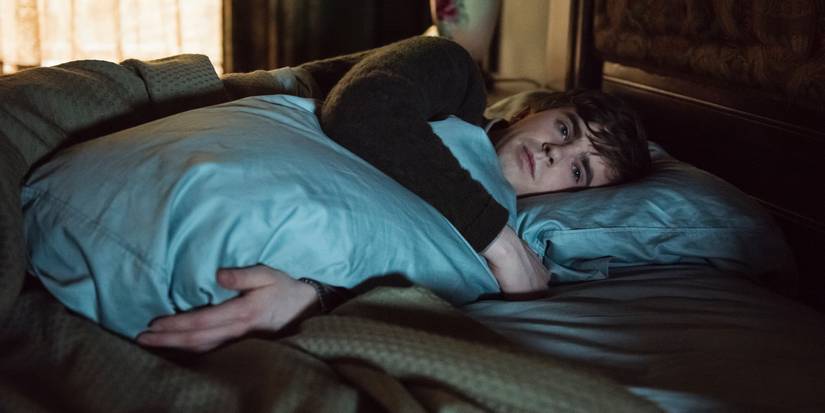
Bates Motel's best quality was its wholehearted commitment to the slow burn, something its five-year run allowed it to do. Norman's decline happened slowly, then all at once, snowballing quickly after viewers had become turned around by the show's various distortions of reality.
The show's wider world and simultaneous stories created a situation that felt much more complicated than Norman simply losing his mind. The presence of the toxic Norma also allowed the audience to shift some blame off of Norman, creating room for surprise in Bates Motel's prophesied conclusion.
All in all, the breathing room to tell a long-game story allowed Bates Motel's Norman Bates to see a fall into madness that felt truly earned, organic, and still somewhat unexpected.

Release Date 2013 - 2017-00-00
Showrunner Carlton Cuse
Directors Carlton Cuse
Writers Carlton Cuse







 English (US) ·