
 2 hours ago
12
2 hours ago
12
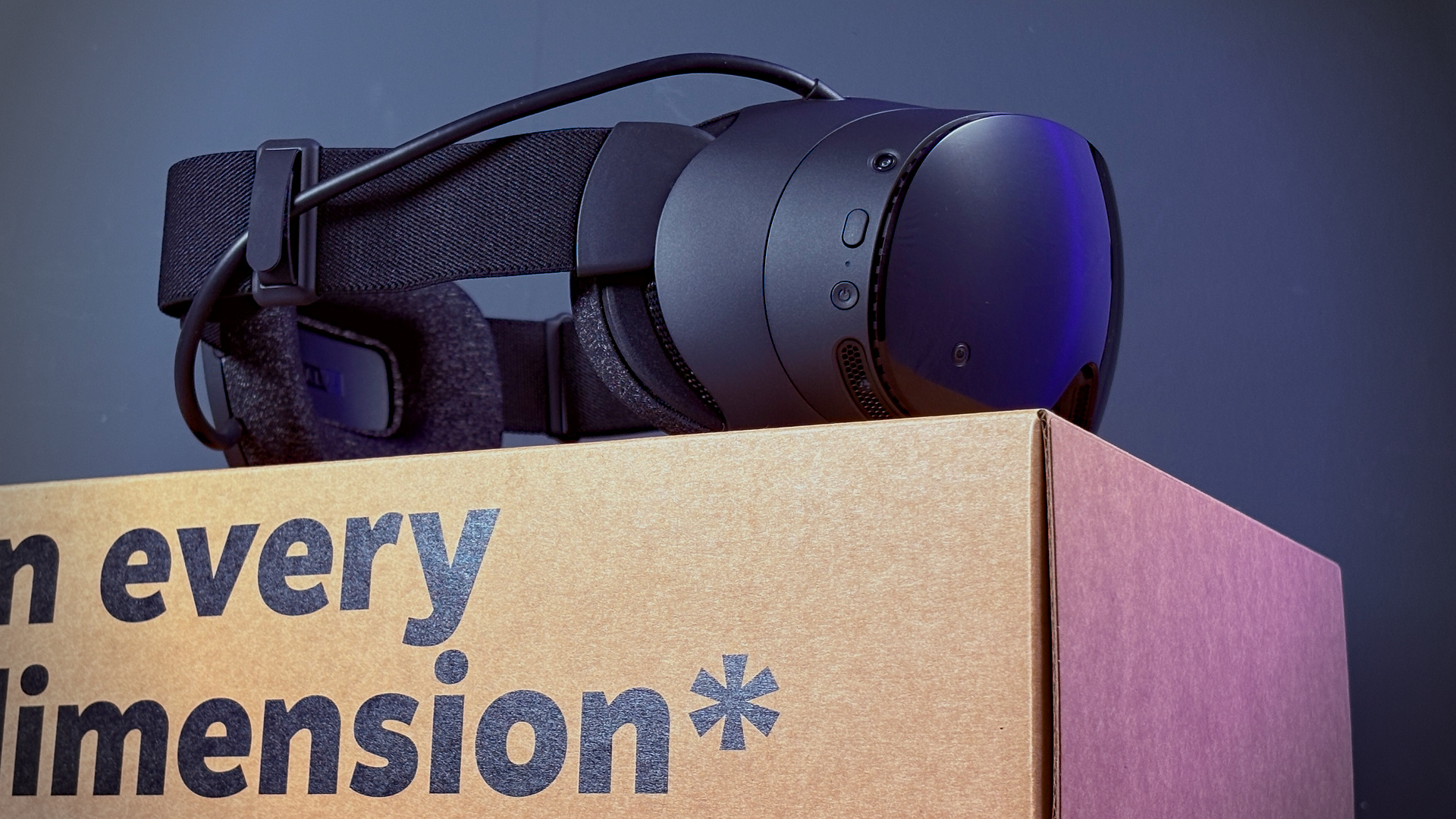
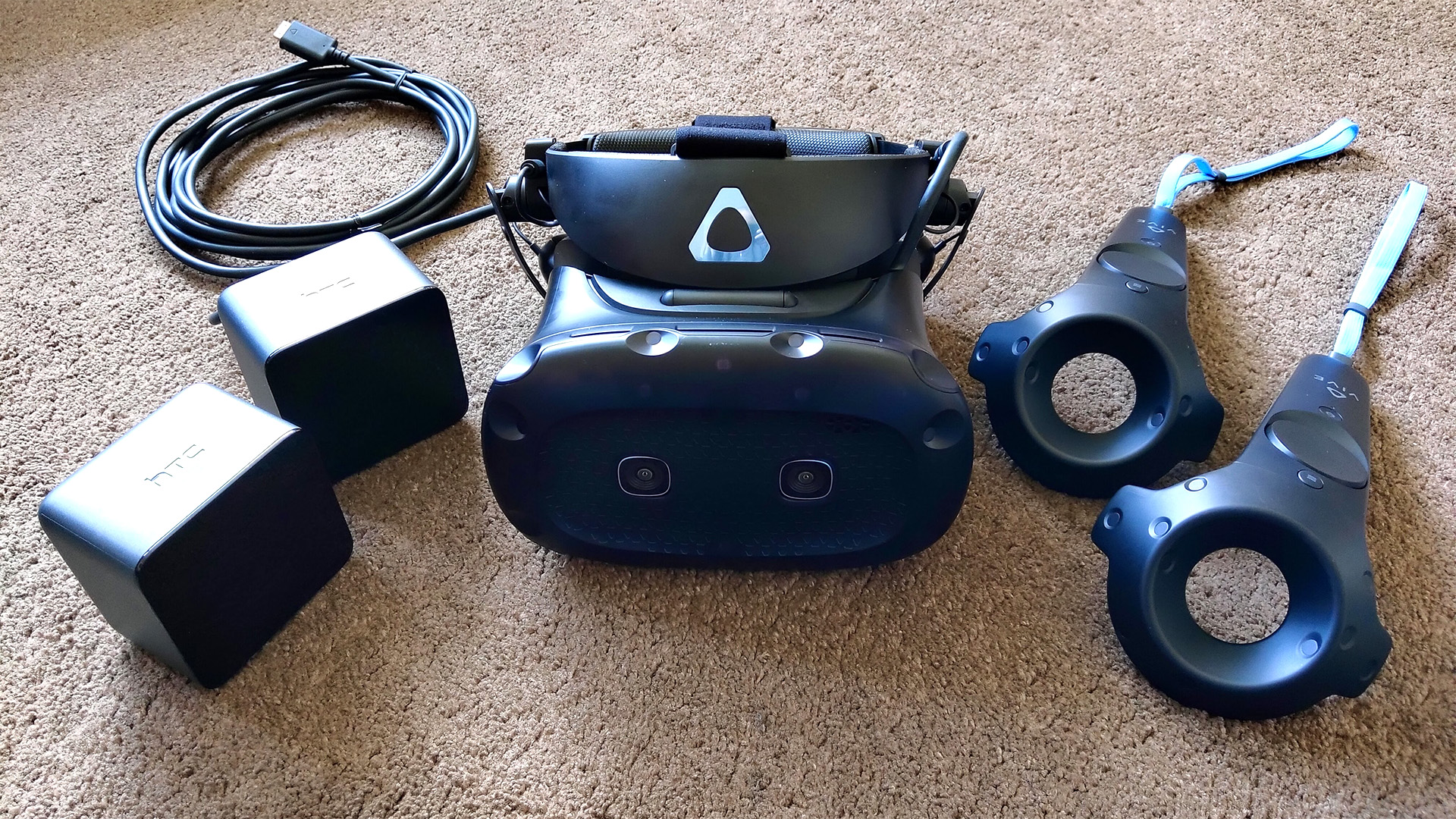
There was a time when VR was pretty much exclusive to the PC. I'm talking about when the HTC Vive and Oculus Rift were the pinnacle of technology, circa 2016. I have very fond memories of those two headsets, often borrowing them from friends and colleagues, then ferrying them around to various spots to evangelise the new and exciting world of VR; VR that was then entirely tethered to a gaming PC. Then came the Oculus Go, later the Oculus Quest, and all of a sudden, VR was mobile.
There's a lot of unique VR content that can only be accessed with the capabilities and power of the PC and the experimentation that comes on it.
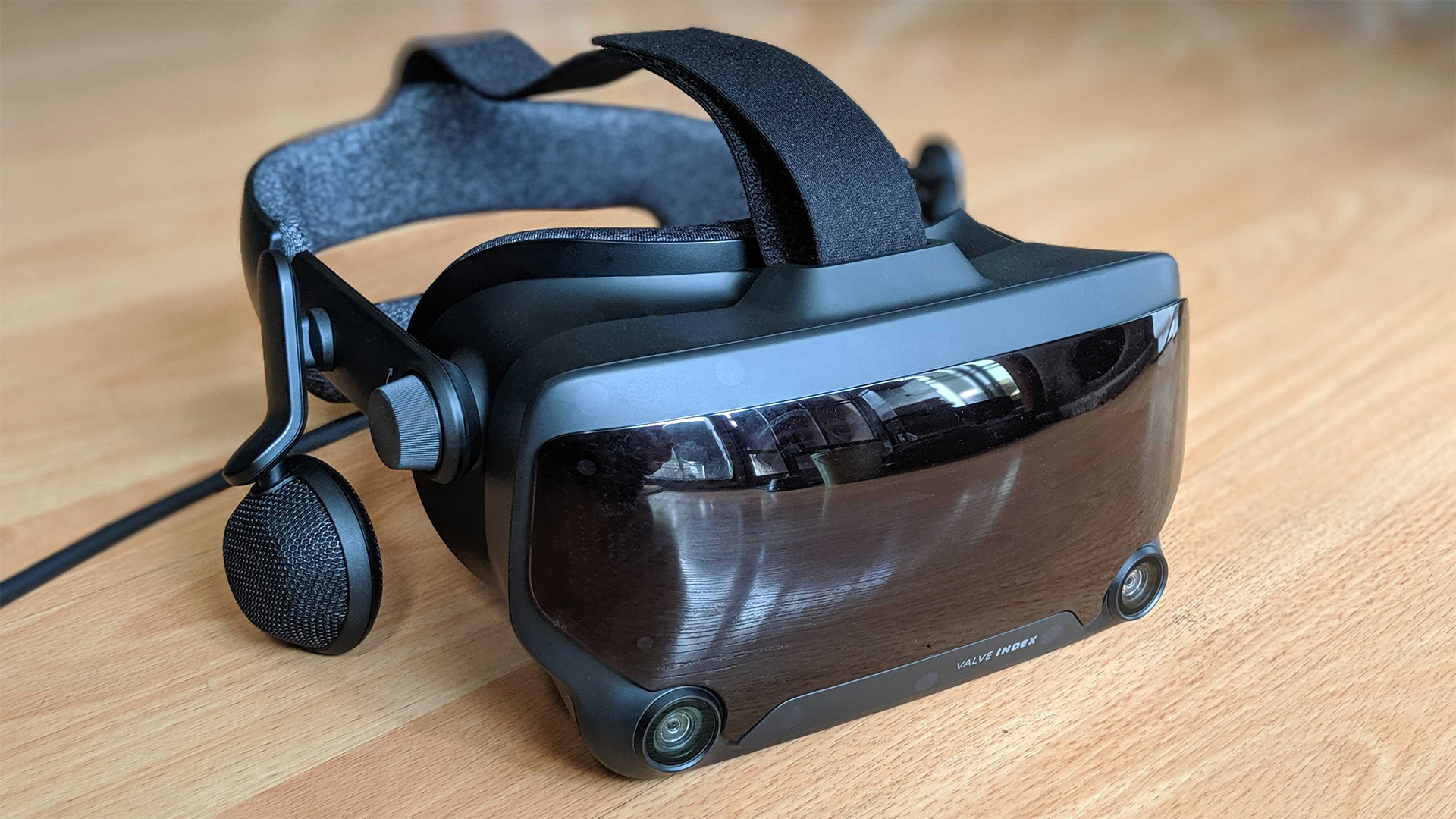
Jeremy Selan, ValveIt took a while before standalone VR headsets really took off. It wasn't until the Quest 2, and later Quest 3/Quest 3S, that these headsets started to dominate the conversation around virtual reality. Nowadays, these three dominate the Steam Hardware Survey for August 2026, accounting for over 60% of headsets plugged into a PC by those surveyed. The Valve Index, which launched in 2019, remains in fourth place. Few new arrivals in PCVR get anywhere close: the Bigscreen Beyond has just 1.25% of the share, which is less than the original Vive.
Many are using standalone headsets to play VR games powered by their gaming PC, hence being registered on Valve's survey at all. So, in a sense, there's still so much to play for on PC.
"Some of the other mobile devices, like the Meta Quest, for example, are some of the most popular headsets on Steam," says Jeremy Selan, a software engineer at Valve who worked on the Steam Frame. "So there is a real draw with PCVR even today amongst the millions and millions of VR headsets out there, and that's, I believe, because there's a lot of unique VR content that can only be accessed with the capabilities and power of the PC and the experimentation that comes on it."
Yet it'd be fair to say that the market has shifted attention away from PCVR experiences. I've had a look around SteamDB at the number of VR games that are released on Steam every year, and it's not a positive trend.
The number of VR games on the platform reached peak around 2017, and since that time, it's either remained flat or dropped with each subsequent year. By SteamDB's figures, 2025 was the worst year for VR games on Steam for a decade. Just 481 VR games released on the platform, and you have to go back to 2015, prior to the launch of the HTC Vive and Oculus Rift, to see a lower figure. Compare that to the exponential increase of non-VR games released on Steam each year, and it looks like VR has struggled to maintain a foothold on the platform.
In 2017, VR games accounted for 15% of all game releases on Steam. In 2025, they accounted for just 2%.
In comparison, the Quest Store has only seen an increase in new releases each year since 2020. Though Quest Store DB doesn't note how many of those are actual games. From a quick glance, many appear to be learning or XR experiences.
I'm not turning my nose up at the games that have launched on Steam in the past year, especially as that's 481 more things to play with a VR headset on PC. Moreover, many of the best VR games on PC came out years ago, such as Half-Life: Alyx, and they're still as enjoyable as ever. We're not short of things to play, but we might end up that way if something doesn't change.
The ongoing tally for 2026 suggests there have been 270 new VR games on Steam so far. We're already three quarters of the way through the year, and at this rate, we're looking at yet another poor yield; potentially the lowest since PCVR began.
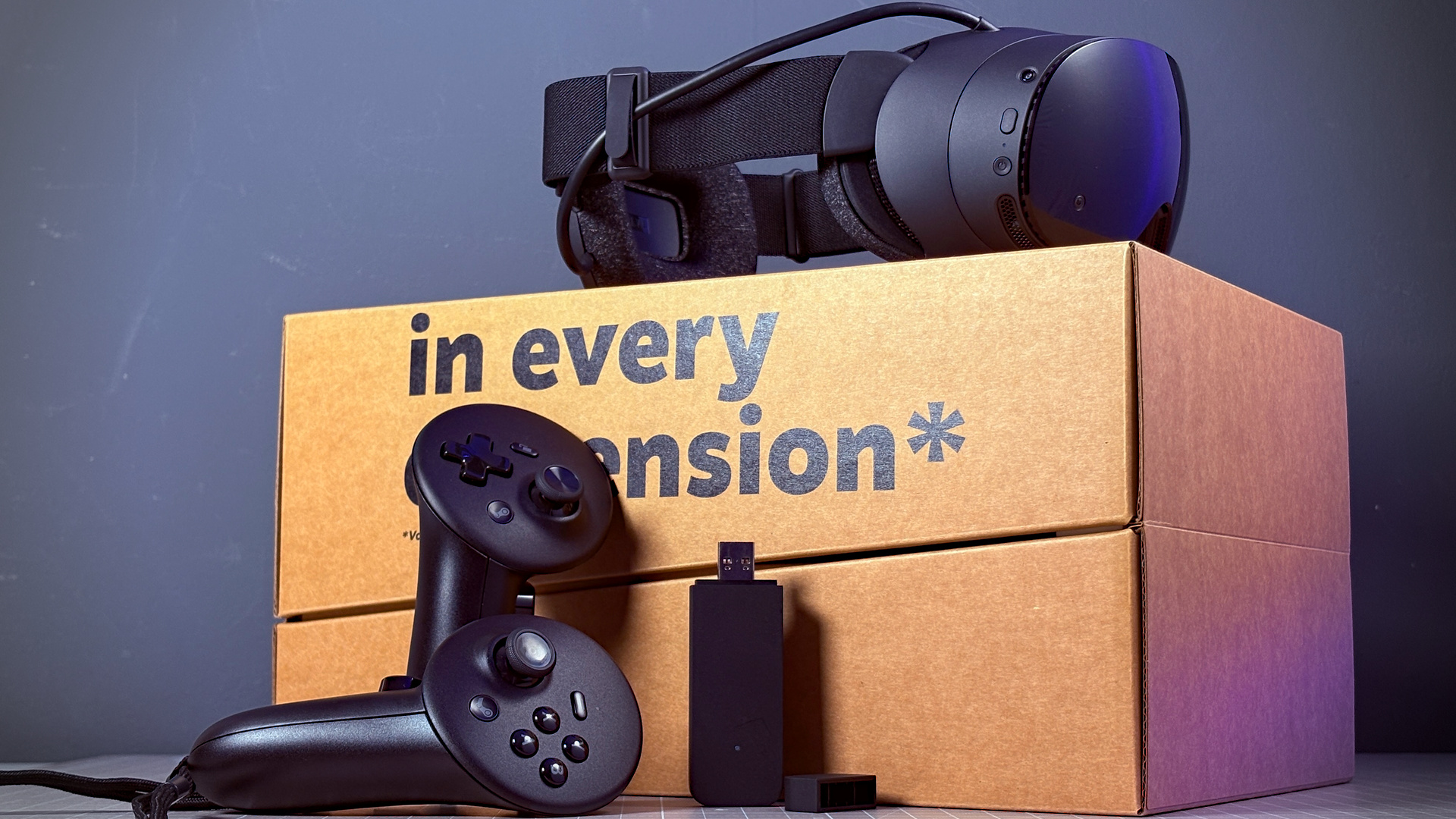
So, what might help reverse this trend? Valve hopes that its new hardware, the Steam Frame, might turn the tide for Steam's VR catalogue; or, at the very least, bridge the divide between PCVR and mobile VR for gamers and developers.
"We love the PCVR community," says Steam Frame hardware engineer Joy Lyons. "We've been making VR devices for decades now, and so we've been there since the beginning."
We see this as a sort of a broadening and maturing of the market; sort of an opening of the tent to more potential customers, more potential gamers.
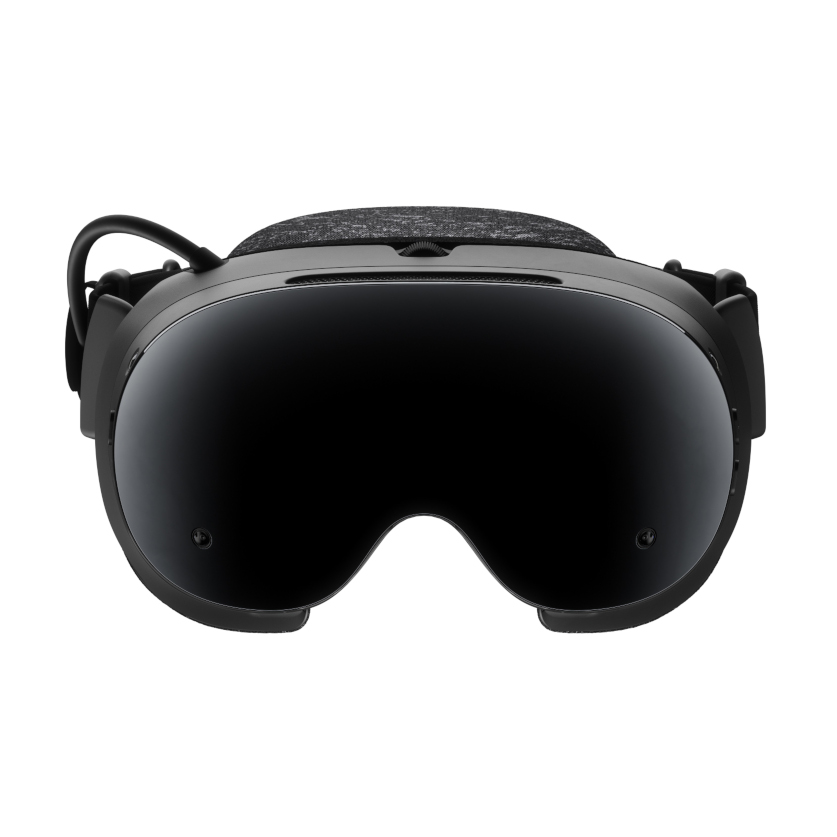
Joy Lyons, ValveThe Frame offers something new for Valve. The ability to stream games from a local gaming PC over a dedicated wireless connection and run games on its very own hardware, a Snapdragon 8 Gen 3 chip. This dual functionality is nothing new for virtual reality, but from my time testing the Steam Frame over the past few weeks, it's definitely at its best when playing PCVR games streamed wirelessly via the included adapter. In that sense, it feels more a PCVR headset with standalone functionality than the other way around.
Lyons explains the rationale behind Valve's approach with the Steam Frame:
"We think it's great for customers to have more access to different types of games," Lyons says. "And I think what we're seeing is a maturing of the platform with these sort of fundamental technology movements just to make the emulation layers work, for example. And we see this as a sort of a broadening and maturing of the market; sort of an opening of the tent to more potential customers, more potential gamers."
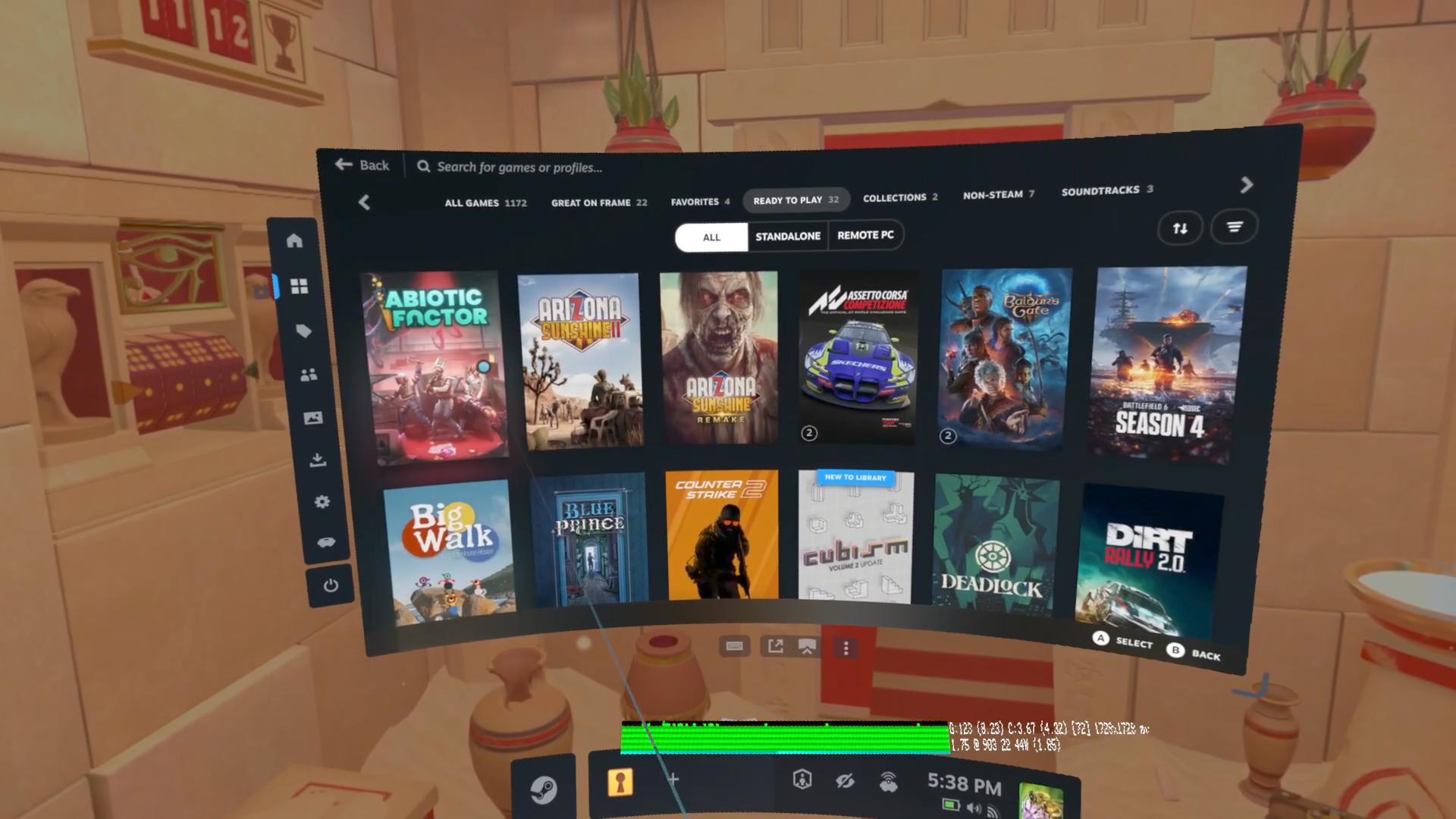
The Steam Frame uses Proton, FEX, and Lepton to support a wider array of games. We're pretty familiar with Proton from the Steam Deck and Steam Machine, offering a way to play games made for Windows on a Linux machine. FEX is the emulation layer that makes it possible to play games designed for x86 chips on Arm chips. Games that run well on the Steam Frame from both Proton and FEX will get a badge to say so via the Steam Frame Standalone Verified programme.
Lepton is a container for Android games using the APK file format, which will allow these to run on the Arm-powered, SteamOS-run Steam Frame. Android games are now arriving on Steam, too. This will, in turn, boost the number of newly-released VR games on Steam. It just may take some time for many of the Android games mostly made for Quest to arrive. A good way to bump the numbers for next year and beyond.
"We wanted to, with the emulation, be able to have access to more games in the VR space," Lyons says. "And so I think some people who have done PCVR maybe haven't had access to some of the APK type games and so we're growing the catalog on that side as well."
Now, you might argue that's not really expanding PCVR so much as injecting Steam with lots of mobile VR games. I guess you'd be right, you ol' stick in the mud, you. But Valve engineer Jeremy Selan also counts PCVR experiences among those that they hope to get a much-needed boost from the launch of the Steam Frame.
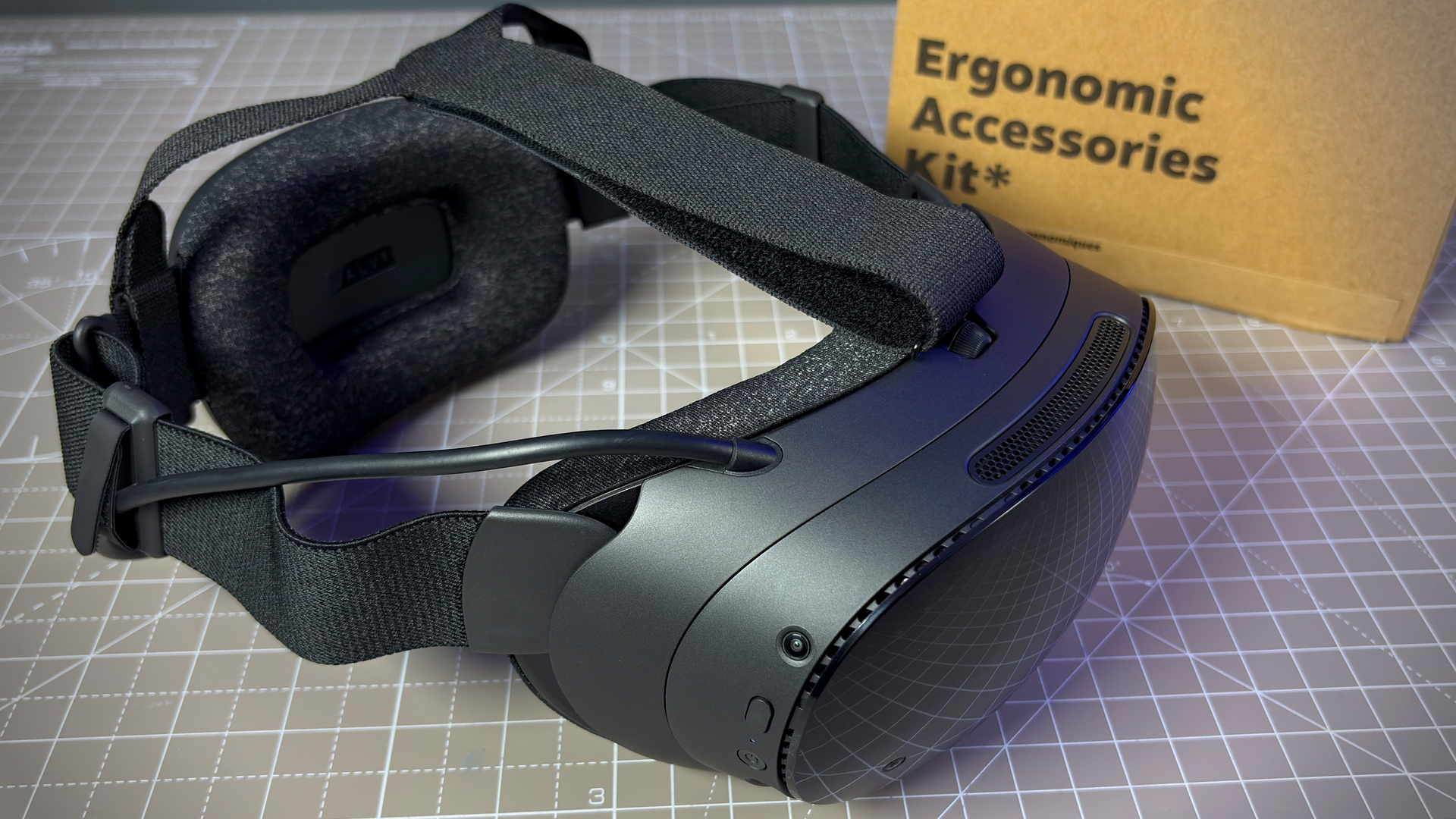
"This is designed for PCVR streaming and to do that really, really well," Selan says of the Steam Frame. "So we've been giving these units out to developers. Our hope is that this will help rekindle the excitement of what you can do with PCVR.
We love the PCVR community.
Joy Lyons, Valve"Our hope is that out of the box, obviously, no work is needed," Selan continues. "Your existing catalog of VR titles on Steam will just work. But over time, as we sell more of these and the economics improve, we think this will give a new life to the ability to take advantage of the large compute of your PC while still having a great wireless VR experience."
"We love the PCVR community," Lyons says. "We always will. This is our heritage. These are our customers, and we see this as a great product for them. We made it for them. But we also want to grow a healthy ecosystem for both the gamers and the game developers."
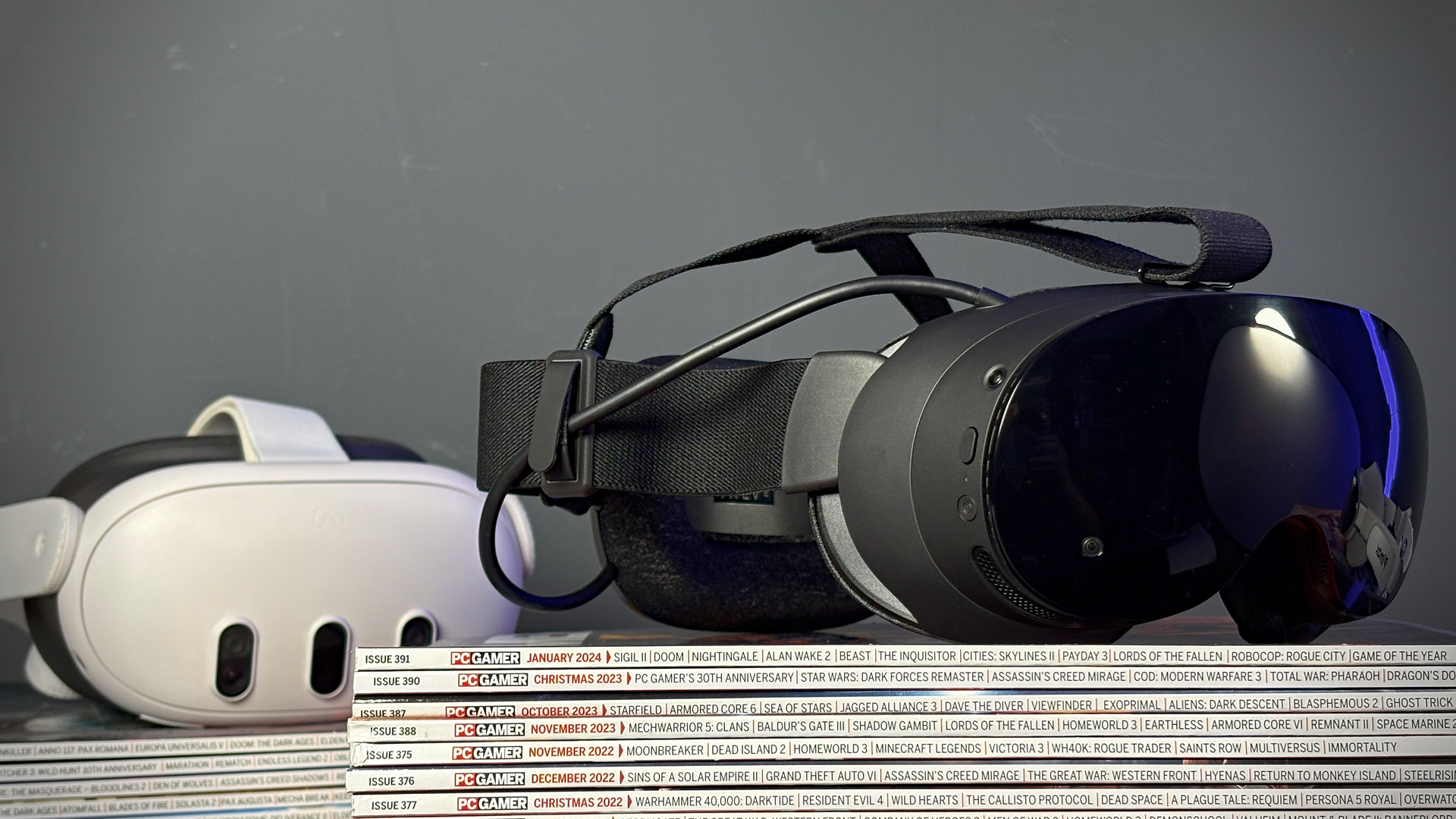
I guess we'll have to check back in on the stats once the Frame has had a chance to shake things up. As Selan says in our chat, there are also some VR games that will always be tied to PC, like flight sims or racing sims, but those often feel pretty clunky in my experience. I can't even boot the latest F1 game in VR, let alone join a race. Nevertheless, I agree with Selan that more can be done with VR with a PC powering the experience.
Perhaps Valve should lead the way with its own first-party VR game, like it did Half-Life: Alyx. Of course, I asked Lyons and Selan about any plans for future release, but they told me Valve has "elected to pour all our efforts into making our partner games available," and "don't have any new titles coming out." Though, Half-Life: Alyx came out nearly a year after the Valve Index, so I'm holding out hope yet. Credulous? I don't know the meaning of the word.







 English (US) ·