
 4 weeks ago
39
4 weeks ago
39
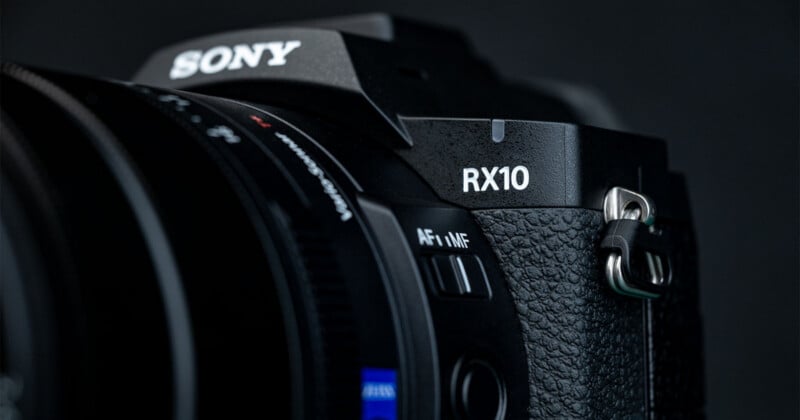
When the Sony RX10 IV arrived on the scene in 2017, bringing with it a new stacked Type 1 20-megapixel sensor and a Zeiss-engineered 24-600mm f/2.4-4 equivalent Vario-Sonnar T* built-in lens, it quickly attracted fanfare. It was undoubtedly the best bridge camera on the market as soon as it arrived. Nearly eight years later, its successor, the RX10 V, brings these familiar features alongside some requested updates and looks poised to help Sony keep its crown.
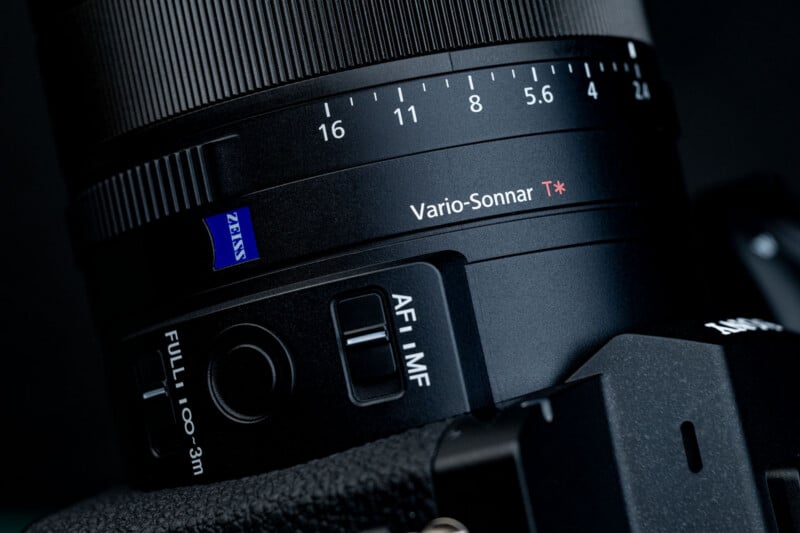
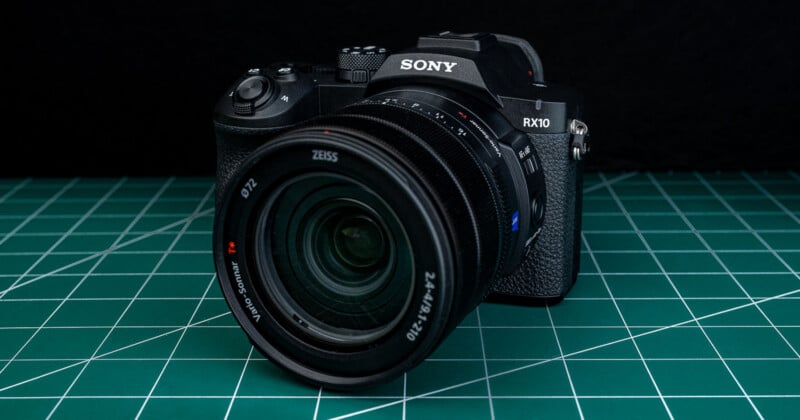
What isn’t meaningfully different on the RX10 V are the image sensor and lens. This core imaging pipeline is the same. Sony is still using its 20.1-megapixel stacked Type 1 Exmor RS CMOS image sensor and the Zeiss Vario-Sonnar 24-600mm f/2.4-4 equivalent lens (actual focal length is 9.1-210mm).
Beyond that, though, nearly everything is upgraded.
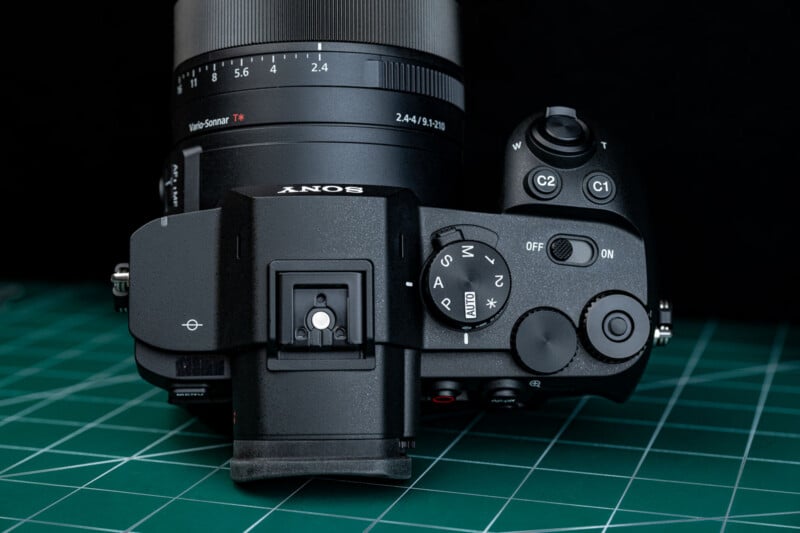
The RX10 V features a redesigned camera body that is much closer to its Alpha-series peers, including a very familiar shape, Sony’s latest menu design, a dedicated autofocus sub-selector joystick, and an unmistakably Alpha-esque control layout.
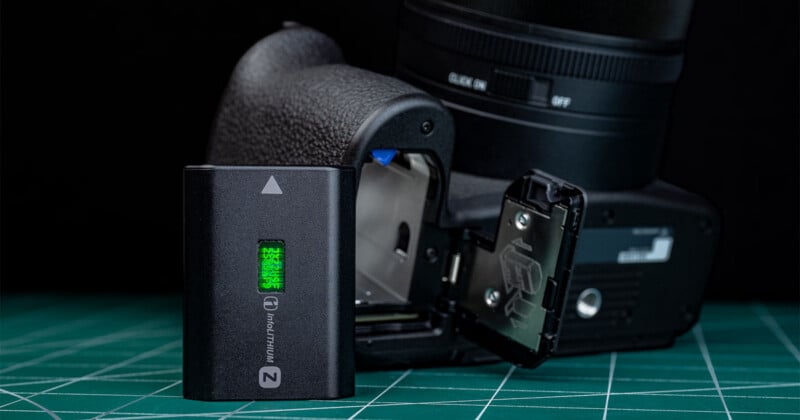
There’s a new, larger, sharper EVF that is up from a 0.39-type 2.36M dot EVF with 0.7x magnification to a 0.5-type 3.69M dot panel with 0.78x magnification. There’s a new screen with more pixels, but it’s still a 3-inch panel that only tilts up and down. Further, Sony has moved from its archaic NP-FW50 battery used in the RX10 IV to the much more modern NP-FZ100 battery, which delivers more than a 50% improvement in longevity.
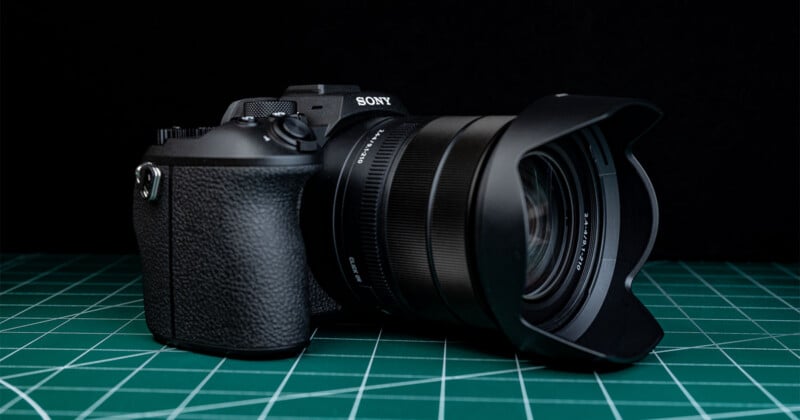
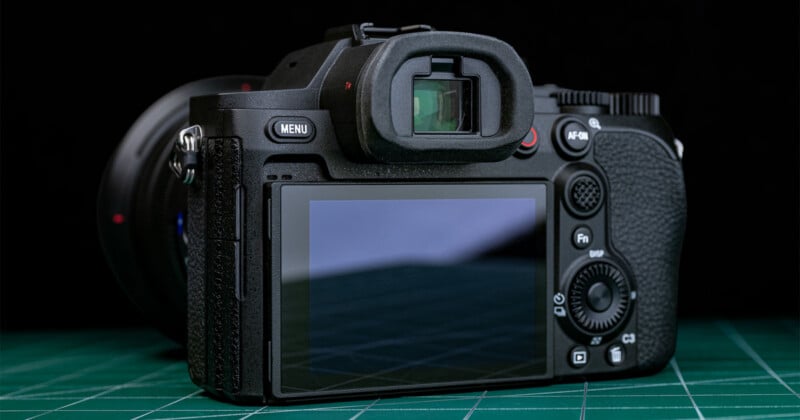
The redesigned body is ever-so-slightly larger than the RX10, increasing by 0.5 to 6.3 millimeters across its width, height, and thickness. It’s a negligible increase in overall volume, joined by an even smaller uptick in weight from 1,095 grams (38.6 ounces) to 1,111 grams (39.2 ounces) when the battery and a single UHS-II SD card are inserted. The new body also has better dust and moisture resistance, per Sony.
With the benefit of technological advancement, Sony has also moved from Micro USB to USB-C, added 5 GHz Wi-Fi, and included its Multi Interface (MI) Shoe on top.
The RX10 V incorporates Sony’s Bionz XR processor, first seen in last year’s a7 V and, more recently, the a7R VI. This new processor has an integrated AI processing unit, which drives improved Real-time Recognition AF with subject detection for people, animals, and numerous types of vehicles. There’s also now Real-time Tracking, allowing the user to select the subject they want to track using the camera’s touchscreen.
Continuous maximum shooting speed has increased slightly from 24 fps to 30 fps, and the 30 fps shooting mode is fully blackout-free. There is still no Pre-Capture shooting here on the RX10 V, though.
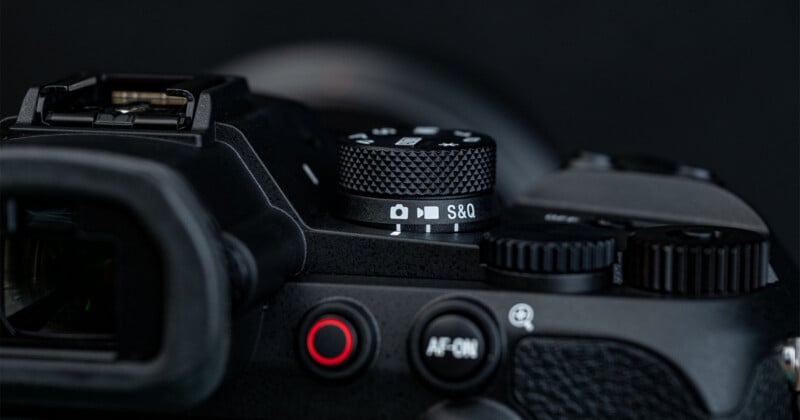
There are significant improvements in video performance. The RX10 IV topped out at 4Kp30 recording in XAVC S/ACVHD. The new RX10 V ups the ante, offering 4Kp60 full width recording and 4Kp120 with a slight crop. The camera has 4:2:2 10-bit All-I recording, plus XAVC HS and XVC S-I. It can also do S&Q recording, something its predecessor lacked. The RX10 V can do live streaming at 4Kp30, whereas the RX10 IV didn’t offer any streaming functionality at all.
Additional new video features and functions include Active Mode image stabilization, Auto Framing, S-Cinetone, S-Log3, user LUT support, and a vertical user interface.
Pricing and Availability
The Sony RX10 V is available for preorder now for $2,299 in the United States and $2,899 in Canada. Sony says it will begin arriving to customers around August 6.
It is worth noting that while the RX10 V arrives with a significantly higher price than its 2017 predecessor, which launched for $1,700, Sony no longer makes the RX10 IV. The now-outdated RX10 IV remains in very high demand and used versions of the camera sell for as much as $3,000 in good condition.
Image credits: Product photos by Erin Thomson for PetaPixel







 English (US) ·