
 2 hours ago
8
2 hours ago
8
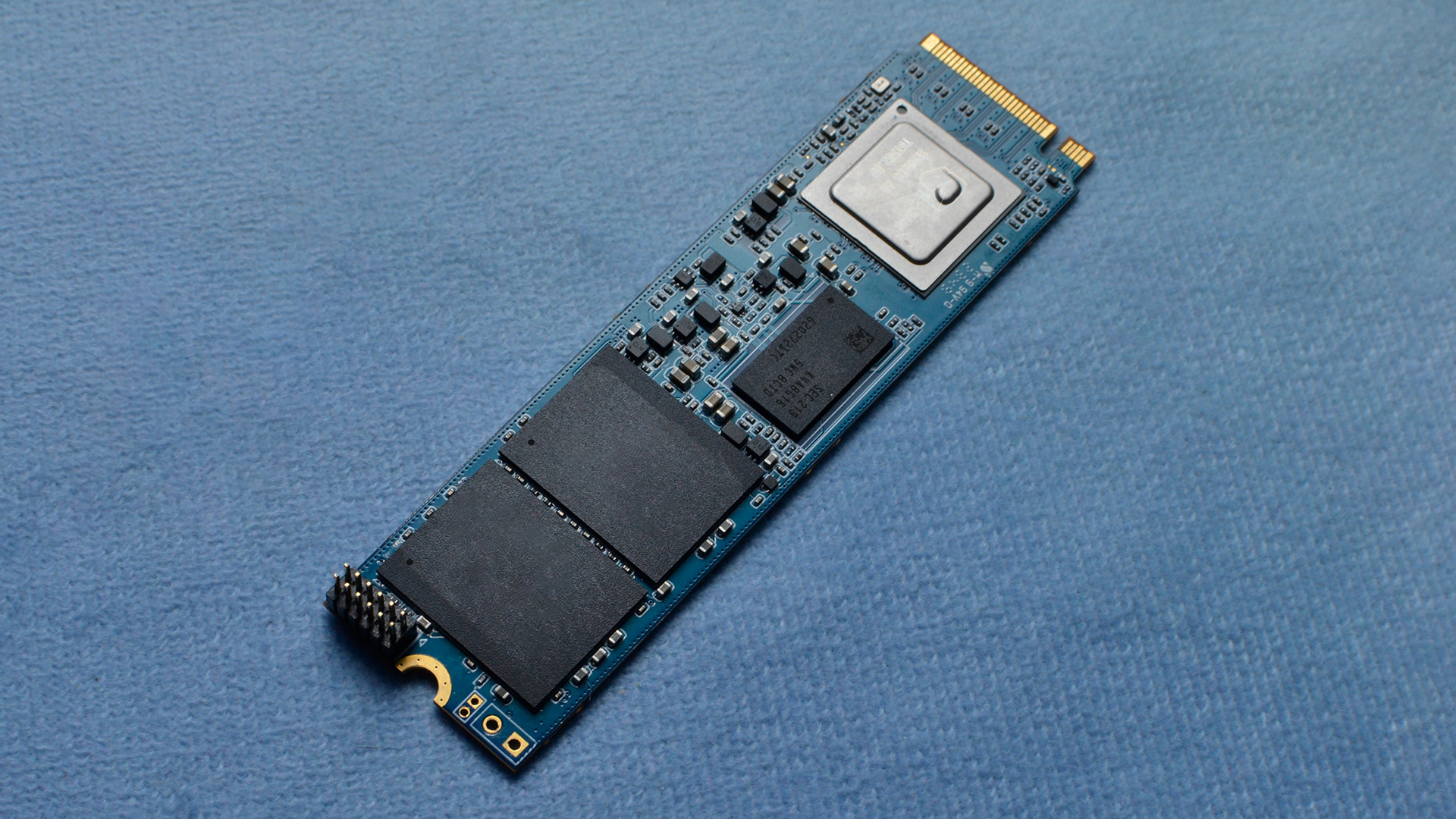
As memory makers prioritize shipments of their products to the AI sector, prices of solid-state drives for consumer applications increased significantly over the last few quarters, which naturally caused retail sales of SSDs to drop significantly in 2026. Nelson Duann, a vice president at Silicon Motion, one of the largest SSD controller makers in the world, said in an interview with Tom's Hardware at Computex 2026 that the retail drive market had almost disappeared in the first half of 2026. Nonetheless, the company still sold plenty of SSD controllers to module makers (the companies that make the finished SSDs), but those devices primarily went to PC OEMs.
"The retail SSD market has almost disappeared," Duann told us during the interview. "The controllers we sell to module makers are now largely ending up in SSDs that are shipped to PC OEMs. The reason is that OEMs cannot obtain enough NAND directly from memory manufacturers, so they are increasingly sourcing SSDs from module makers instead."

According to Duann, PC makers have to buy from SSD module makers because NAND vendors reduced allocation to the client/consumer PC market and redirected most NAND supply to data center products.
As a result, PC OEMs like Acer, Asus, Dell, and HP cannot get enough NAND or SSD supply directly from NAND manufacturers and have to turn to module makers for solid-state drives. The latter traditionally served end-users and had plenty of aftermarket products with enhanced performance and cooling, but now they increasingly serve PC makers instead.
"In the past, most module makers focused on the retail market," Duann said. "Since late last year and into this year, that has changed. OEM demand has become much stronger, and module makers are now supplying a significant portion of their production directly to PC manufacturers. As a result, most of the controllers we sell to module makers ultimately end up in systems built by PC OEMs."
The reallocation of NAND flash supply from the consumer segment to the AI data center segment has caused structural changes in the market in general, hurting some companies badly, but letting others benefit. For independent developers of SSD controllers — such as Phison and Silicon Motion — the situation is generally positive as demand for server-grade drives is increasing, whereas sales of client storage devices are not necessarily decreasing unit-wise. For more details, check out the whole interview with Nelson Duann on Tom's Hardware.

Follow Tom's Hardware on Google News, or add us as a preferred source, to get our latest news, analysis, & reviews in your feeds.



 English (US) ·