


Published Feb 21, 2026, 1:01 PM EST
Casey Duby is an avid TV writer, watcher, and reviewer. She graduated from Emerson College in 2021 with a focus in Writing for Film and Television, where she wrote several pilots and watched countless more. She's been working in television ever since.
Casey loves thoughtful content that makes her ponder our world and the people in it, and she's learned that any genre can surprise her. With favorites in every genre from horror to politics, family to action, nothing is off limits.
Casey has experience working in TV development, as well as writing both narrative and host-driven shows. Currently working as a Writer in Los Angeles, with an AMC A-List membership to boot, she is always hunting for the next good story and great theme song.
Sign in to your ScreenRant account
Talk of its controversial finale dominates the discourse around Lost, but truthfully, there was nothing wrong with that ending — there was only something wrong with the way the show led up to it. Given the stories that drove Lost's later seasons, it's understandable that its ultimate conclusion felt out of place. But pinning that blame on a powerful finale is misplaced, and lets its beauty go underappreciated.
Lost is in good company — right alongside the likes of The Sopranos – of shows with massive cultural impact that have become primarily associated with their controversial series finales. Sparking conversation can be a good thing, but a finale is where a show reveals once and for all what it's really about. It's a statement that shouldn't be totally confusing, and Lost could have done more to clear things up in advance.
Lost's Low Point Was Seasons 4 And 5

Lost's first three seasons built beautifully and mysteriously. The island's castaways reckoned with survival (and general weirdness like Lost's polar bears) in season 1, faced compelling ethical dilemmas in season 2 (do you revolve your life around pushing a button with no proof it really does anything?), and finally confronted the ever-present others in season 3. After all that, the island felt good and explored.
But the show trucked on, over time shaking up a good portion of the cast, with Lost also introducing time travel, new antagonists, a rescue, a return, and the idea that the island can be physically moved by turning a giant ancient wheel. What started out as an engaging character study had turned into a dense, plot-heavy epic.
For all its chaotic goings-on, Lost's biggest mistake was leaving the island. After spending so much time there, it had become an unspoken rule of the show that they would never leave, yet with the rescue of the Oceanic Six, Lost seemed unaware of the sentiment it had created. After all they'd endured, the idea of anyone wanting or needing to go back is simply absurd.
Lost worked because its characters had no choice but to engage with what was in front of them. The mysterious island loses its magic if people can just come and go. This applies to the antagonists as well, like the seemingly irrelevant Charles Widmore, who floats in on a freighter, but more importantly, the separate timeline following the Oceanic Six sets a precedent that confuses the finale.
Lost Didn't Prepare Its Audience For Its Ending
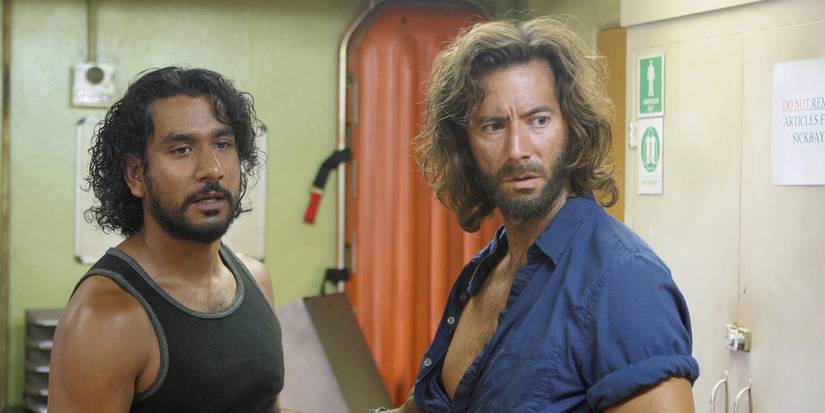
In its later seasons, Lost created a sprawling ecosystem on the island with several timelines and factions. There was the war between Charles Widmore and the Dharma Initiative; the survivors dealing with time travel, with different characters on the island in different timelines; and the flash-forwards with the Oceanic Six, their civilian struggles, and journey to return.
After asking its audience to keep up with all of this, you would think that it would be relevant to the show's ultimate conclusion. Yet after forcing viewers to juggle so many characters, plots, and dense sci-fi elements, Lost effectively pulled the rug out from under them in its final episodes.
The ending of Lost is much more philosophical and rooted in emotion rather than plot — which would be fine if viewers' brains hadn't just been working a mile a minute to keep up with such a belabored story. The back half of the show was focused on the logistics of science and people, while the ending was spiritual, symbolic, and open-ended. The story leading up to it should've matched this tone.
Lost Became A Completely Different Show In Its Final Episodes

While they existed throughout the series, the entities of Jacob and the Man in Black came front and center in Lost's final episodes. A beautiful yet completely out-of-left-field flashback episode reveals their origin story and purpose on the island. The island houses a "light" that must be protected. This is really all that the characters' journeys on the island boil down to.
Jacob and the Man in Black had been eerie question marks throughout the series, but ultimately they come to represent good and evil, darkness and light, protectors and takers. The island's survivors had been tested to assess if they had the purity of heart to protect the light, and that is the ultimate duty one can have.
This enlightenment effectively stops everything that had been happening in its tracks. Charles Widmore doesn't matter, the Dharma Initiative doesn't matter, the logistics of time travel don't matter. All that matters is this ancient obligation. Thematically, this is all very interesting, and I don't think viewers were inherently opposed to it. What they didn't like was the complete 180 it forced them to do.
Lost also muddled its own intended simplicity in the finale with its earlier plot line of the Oceanic Six. Alongside these revelations on the island, there was a trademark "flash sideways" in which Oceanic Flight 815 lands uneventfully and the characters go on with their lives. It's a trippy, altered version of events as the flight included passengers (like Desmond) who weren't originally on the plane.
As this alternate universe unfolds, the characters continue to cross paths with each other, not recognizing each other until, one by one, something clicks, and they remember everything that happened on the island.
This proves to be another more symbolic, emotionally satisfying plot point than something to read into for a logistical impact on the story, but given the amount of narrative labor the show had forced upon its audience in previous episodes, it's understandable that they would go there.
This element of the finale is what led many viewers to misinterpret the survivors as having been "dead the whole time" — confusion likely wouldn't have been so widespread had Lost not already introduced a plot line where survivors leave the island and experience a civilian life comparable to the one seen in the finale. Had it been completely uncharted territory, it would be easier to view it for what it was.
The Ending Of Lost Is Emotionally Satisfying
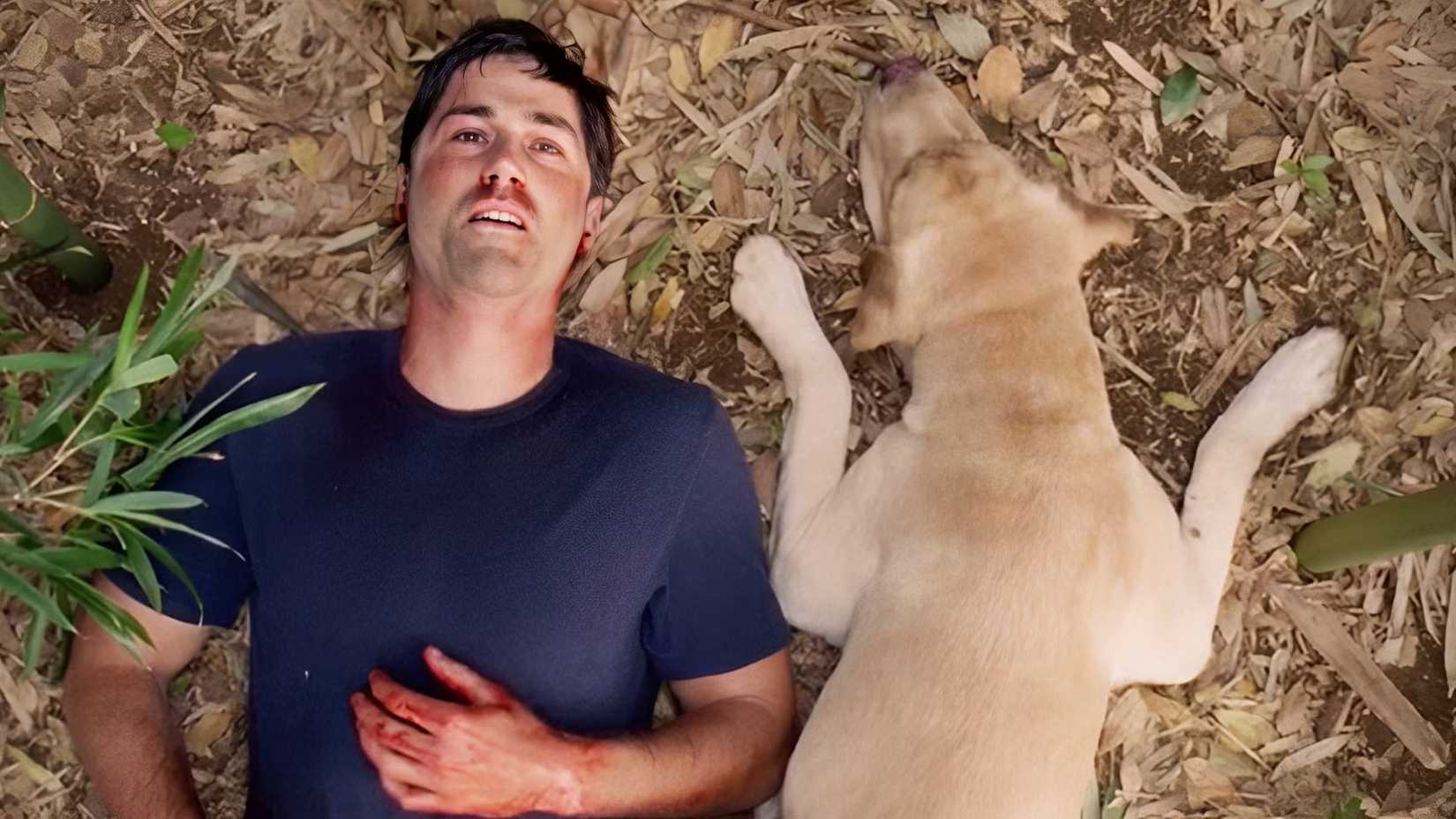
It's a shame because it really is a beautiful finale. With all the oddities the show had from the start, it feels natural for the ending to embrace a more symbolic message rather than try to give an itemized answer for every weird thing that ever happened in Lost. Its big themes of good and evil and blanket explanation of biblically coded "tests" are enough of an answer.
And they weren't dead the whole time. Jack's father, Christian, lays it all out: "Everything that's ever happened to you is real... Everyone dies sometime, kiddo... Some, before you. Some, long after you... There is no 'now' here. This is the place that you all made together, so that you could find one another. The most important part of your life was the time that you spent with these people."
Lost's alternate timeline was a pocket of the afterlife that the survivors had carved out to find each other in death before all moving on together. Seeing everyone reunite with their loved ones was tear-jerkingly sweet, as is knowing that no matter when they died, they got to see each other again. It's a happy ending that doesn't negate the fact that whatever happened, happened.
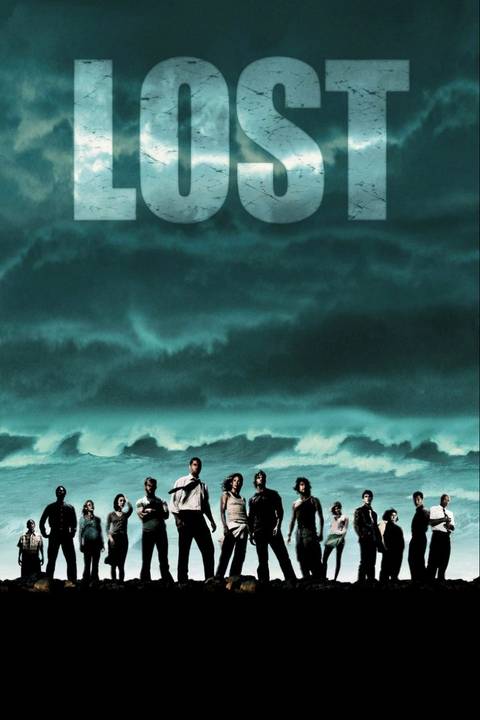
Release Date 2004 - 2010-00-00
Showrunner Damon Lindelof, Carlton Cuse
Writers Jim Galasso, Christina M. Kim, Graham Roland, Kyle Pennington, Brent Fletcher, Dawn Lambertsen Kelly, Janet Tamaro, Jeffrey Lieber, Paul Dini, Jordan Rosenberg
-

Matthew Fox
Jack Shephard
-

Evangeline Lilly
Kate Austen




 English (US) ·