
 3 weeks ago
45
3 weeks ago
45
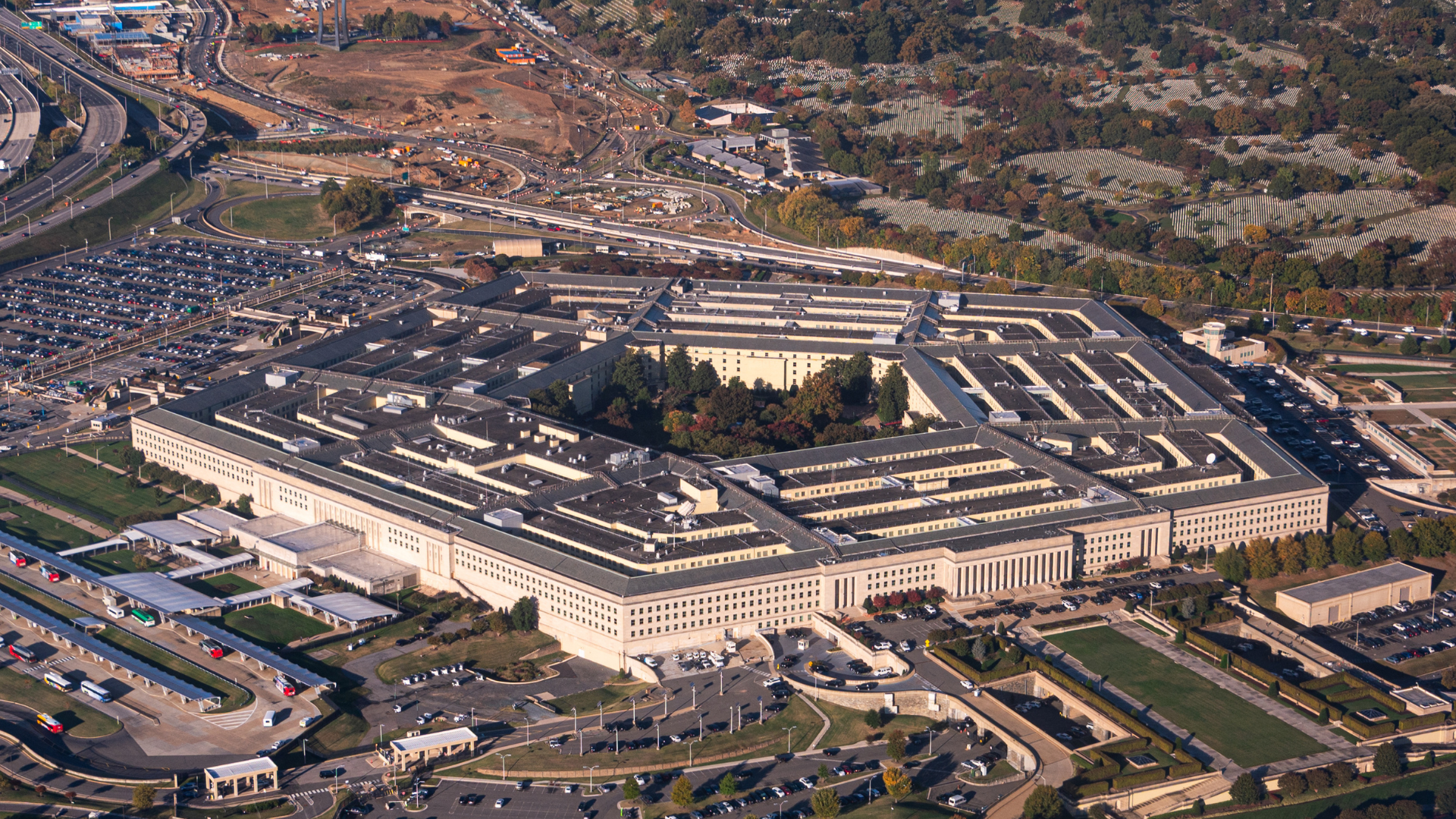
The U.S. Department of War has announced deals with "seven of the world’s leading frontier artificial intelligence companies" for operational use. According to the Classified Networks AI Agreements press release, SpaceX, OpenAI, Google, Nvidia, Reflection, Microsoft, and Amazon Web Services will deploy their LLMs across the Pentagon’s classified networks “for lawful operational use.” The government said that this move will help turn the United States military into “an AI-first fighting force” and will help with “decision superiority across all domains of warfare.”
It seems that the AI tools that these companies offer will, for now, be limited to data analysis and help make decision-making faster and easier as the U.S. faces complex situations. These tools are accessible via GenAi.mil, the Pentagon’s official AI platform, through the Department of War’s network and are widely available for its personnel.
“Over 1.3 million Department personnel have used the platform, generating tens of millions of prompts and deploying hundreds of thousands of agents in only five months,” the Pentagon said. “Warfighters, civilians and contractors are putting these capabilities to practical use right now, cutting many tasks from months to days.”
Article continues below
Nevertheless, there have been concerns about the use of AI in military applications. Anthropic has famously refused to budge on the Department of War’s demand to lower its safeguards, saying that doing so could mean that its AI products could be used for mass surveillance or to create autonomous weapons. This move resulted in President Donald Trump banning the company from federal agencies, even going as far as designating it a supply chain risk for refusing to bow to the federal government’s demands.
While AI is certainly useful for distilling massive amounts of information and spotting patterns that humans can miss, it’s still not a 100% reliable tool for making decisions that could have a global impact. A researcher discovered this when they pitted GPT-5.2, Claude Sonnet 4, and Gemini 3 against each other in a wargame, with 95% of the outcome ending in a tactical nuclear strike. Three scenarios even ended in a strategic nuclear strike that would have ended the world.

Follow Tom's Hardware on Google News, or add us as a preferred source, to get our latest news, analysis, & reviews in your feeds.






 English (US) ·