Without streaming services like Netflix, Apple TV, and Prime Video, viewers would likely never have received incredibly expensive, risky, and ambitious shows like Apple TV’s Pluribus, Netflix’s Stranger Things, or Prime Video’s The Boys. However, the emergence of streaming hasn’t been an unambiguous good for every sector of the industry. It has been a veritable boon to the sci-fi genre, as high-concept shows like Apple TV’s Foundation can flourish despite their complicated plots and dense world building.
However, other TV genres have been unable to keep up with the medium’s changing landscape. The most striking instance of this comes in the gradual decline of traditional sitcoms. As far back as the heyday of Happy Days in the 1970s, classic sitcoms like MASH were among the most successful shows in TV history. The series finale of Friends was a global event in 2004, and even as recently as 2019, The Big Bang Theory’s ending commanded an audience almost as big as the same year's Game of Thrones finale. The Office’s sequel The Paper proves this has changed irrevocably.
The Paper debuted to strong reviews in September 2025, earning a Rotten Tomatoes critical rating of 85% and an audience rating of 70%. A spinoff of The Office created by the original show's co-creator Greg Daniels and Nathan For You’s Michael Koman, The Paper transfers the focus of the sitcom franchise from Scranton’s branch of Dundee Mifflin to the offices of the struggling local Ohio newspaper, The Toledo Truth Teller.
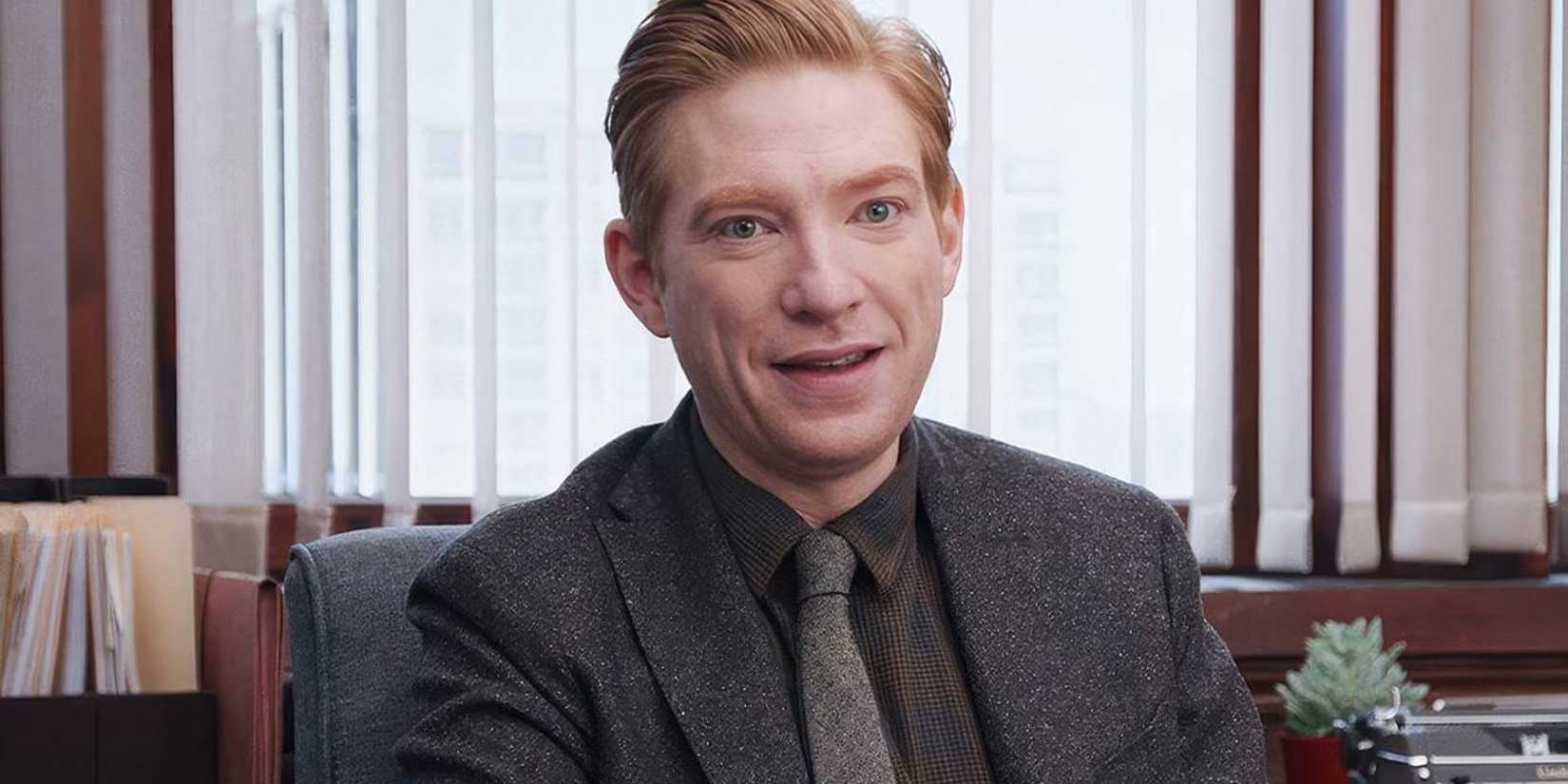
With an ensemble cast that includes Domhnall Gleeson, Sabrina Impacciatore, Ramona Young, and the returning supporting star of The Office, Oscar Nunez, The Paper was clearly intended to function as a nostalgic throwback to one of the biggest network comedies of all time. In this regard, the show seemed like it would be a guaranteed win, but instead, The Paper is a curious and disheartening case study for the state of sitcoms in the 2020s.
The show only exists because The Office was a massive hit on Netflix, much like The Big Bang Theory’s streaming popularity resulted in its upcoming HBO Max spinoff Stuart Fails to Save the Universe. However, even though classic network sitcoms like The Office, Friends, The Big Bang Theory, That ‘70s Show, and New Girl can have belated second lives on streaming, streaming services have ironically proven themselves to be a hostile home for new entries into the genre.
Streaming Services Rely On Classic Sitcoms But Can’t Create New Ones
With only 10 episodes, all released at once, The Paper didn't give viewers a chance to really connect with its diverse array of characters and their world the way they were able to with The Office US. It is worth noting that, like fellow long runners The Simpsons, American Dad, and Parks and Recreation, The Office US took a while to find its identity, and its first season is universally recognized as one of its weakest outings.
While The Paper was not a bad show in season 1, and might have even released a stronger debut season than The Office US, the show can't be a new version of the original series when so much has changed in the transition from network TV to streaming. While The Office US and Parks and Recreation had shaky starts, their sophomore seasons had a whopping 22 and 24 episodes, respectively, to iron out their issues.
In contrast, everything from Stuart Fails to Save the Universe to How I Met Your Mother’s short-lived Hulu spinoff How I Met Your Father to Netflix’s doomed That ‘70s Show revival That ‘90s Show have far shorter, streaming-sized seasons of between 10 and 16 episodes. This simply isn’t enough screen time for viewers to get accustomed to the unique chemistry between their characters, meaning even the most promising streaming sitcoms struggle to find an audience.
The Paper’s Struggles Reflect The Bigger Issue With 2020s Sitcoms
While The Office is often lauded as one of the last great straightforward network sitcoms that didn’t play with the genre’s conventions, unlike its more meta contemporaries Arrested Development, 30 Rock, and Community, the reality is that the genre continued to produce reliably successful traditional sitcoms even after The Office US’s 2013 finale. New Girl, The Big Bang Theory, Superstore, and Brooklyn Nine-Nine all enjoyed long, successful runs despite largely following the traditional network sitcom playbook well into the late 2010s.
In reality, it wasn’t the rise of the meta sitcom that killed the genre, but the emergence of streaming services as the dominant form of TV production around 2020. If Paramount+’s failed Frasier revival proved anything, it was that even the most successful sitcom franchises of all time can’t survive the jump to streaming. Ironically, even though reruns of shows like Frasier and That ‘70s Show made streaming a success in the first place, their streaming reboots are universally viewed as failures.
Sitcoms flourished in a TV environment where dependable, repetitive storylines reigned supreme, and a consistent cast was paramount to a show’s success. In contrast, streaming services prize constant innovation and perpetually rely on hype, meaning there isn’t room for a genre of TV show that succeeds by spending long stretches of uneventful time with its characters and getting accustomed to the unique idiosyncrasies of their interactions.
Only time will tell whether ambitious experiments like Stuart Fails to Save the Universe, which adds a whole lot of CGI, guest stars, and an explosive high concept to the more grounded world of The Big Bang Theory franchise, are able to revive the format. However, even if this spinoff and shows like it succeed, it is fair to say that a big-budget, post-apocalyptic sci-fi action thriller is hardly a straightforward sitcom.
For shows that aspire to be spiritual successors to Seinfeld, The Big Bang Theory, Parks and Recreation, or indeed The Office US, the humdrum, muted reception of The Paper is a sad sign. Streaming has seemingly killed shows like The Office despite the sitcom’s success on streaming services, and The Paper proves the format isn’t coming back anytime soon.









 English (US) ·