
The 1960s were a pretty revolutionary time across society, politics, and culture — cinema, of course, was no exception. The decade shattered conventions driven by the collapse of old systems, cultural upheaval, and technological shifts. But which films went on to become the most influential?
10 'Lawrence of Arabia' (1962)
 Image via Columbia Pictures
David Lean's Lawrence of Arabia set a new standard for the large-scale historical epic with unparalleled visuals and a truly compelling character study. Starring Peter O'Toole in one of his most iconic roles, the film follows British officer T.E. Lawrence, who is sent to the Arabian Peninsula to assess the Arab revolt against the Turks.
Part of what makes Lean's ambitious epic such a memorable film is its technical innovation with Super Panavision 70, wonderfully capturing vast desert landscapes mostly shot on location. Thanks to its narrative ambition, Lawrence of Arabia endures as a highly influential 1960s film, inspiring directors like Steven Spielberg, who credited it as his primary inspiration for the recurring mixture of "epic scope with internal drama," as well as George Lucas and Denis Villeneuve, who echoed its visuals in their own sci-fi universes.
9 'Dr. Strangelove or: How I Learned to Stop Worrying and Love the Bomb' (1964)
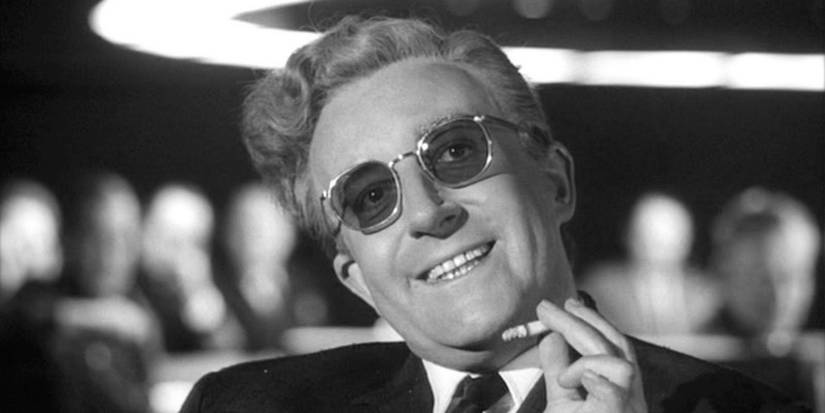 Image via Columbia Pictures
Directed by renowned filmmaker Stanley Kubrick, Dr. Strangelove is a delightful mix of absurdist comedy and more serious subject matter, following a mentally unstable U.S. General, Jack D. Ripper (played by Peter Sellers, who also brings President Merkin Muffley and Group Capt. Lionel Mandrake to life), who initiates a nuclear attack on the Soviet Union without authorization. As the bomber crew proceeds with the mission, the President and top military advisors embark on a race against time to prevent disaster.
Not only does Dr. Strangelove provide audiences with a genuinely engaging time in front of the screen thanks to its absurdity, but it has also contributed to the rise of institutional critique, with geopolitics as pitch-black satire at its center. Originally a grim thriller, Kubrick's film has paved the way for hybrids of genre — horror, comedy, and politics — transforming a Cold War thriller novel (Red Alert by Peter George) into a wickedly entertaining nightmare comedy.
8 'The Battle of Algiers' (1966)
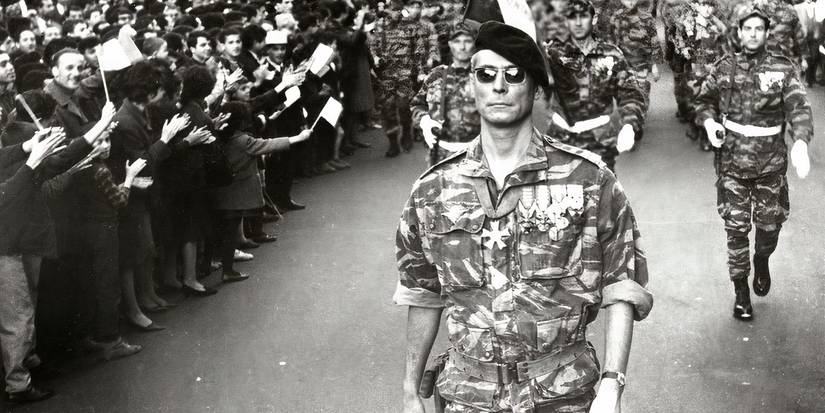 Image via Allied Artists
Co-written and directed by Gillo Pontecorvo, The Battle of Algiers cast non-professional actors and opted for location shooting in the narrow streets of the Casbah of Algiers and other areas where the actual events occurred. The film documents the Algerian struggle for independence from France between 1954 and 1957 and the fear and violence amidst it.
With its non-partisan political analysis and a gritty documentary style that is often mistaken for actual archival footage, the 1966 picture essentially shaped global political filmmaking and realism-driven films, anchored by three-dimensional, complex revolutionary figures at its center. The impact was so profound that the historically accurate film was used as a training tool by revolutionary groups and, ironically, by the U.S. military to understand insurgency.
7 'Bonnie and Clyde' (1967)
 Image via Warner Bros.
Based on real-life events, Bonnie and Clyde illustrates the relationship between waitress Bonnie Parker (Faye Dunaway) and ex-con Clyde Barrow (Warren Beatty) as they ditch ordinary life for something far more explosive. What starts as a spark between two restless souls quickly escalates into a violent, high-profile crime spree that ultimately cements the duo as one of the most infamous couples in history.
Arthur Penn's Bonnie and Clyde essentially introduced — or, at the very least, brought to a boiling point — ambiguity in Hollywood led by its two sympathetic misfits, breaking away from the strict and black-and-white moral constraints of the old code that had been dominating cinema for decades. Additionally, the groundbreaking film is widely credited with helping inaugurate the new Hollywood era, delivering one of the first depictions of graphic violence in mainstream cinema with a final bloody scene that remains highly referenced to this day.
6 'The Good, the Bad and the Ugly' (1966)
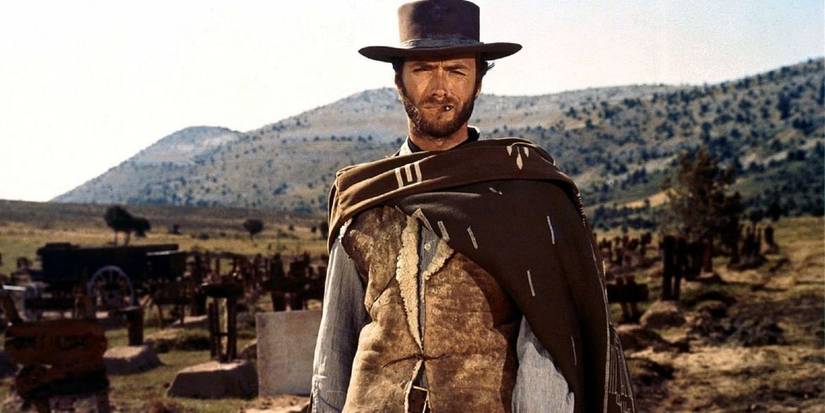 Image via United Artists
The Clint Eastwood-led The Good, the Bad and the Ugly has established itself as the quintessential Western, with its extreme close-ups and moral dilemma adding to its timeless appeal. Directed by Sergio Leone, it follows three gunfighters — Blondie, Angel Eyes (Lee Van Cleef), and Tuco (Eli Wallach) — racing to locate a hidden fortune of $200,000 in buried gold.
With its compelling, slow-burning tension, Leone's picture has heavily influenced modern stylized action cinema, shifting the action genre away from clean narratives. Plus, Ennio Morricone's score remains one of the most iconic soundtracks ever composed. But the enduring appeal of The Good, the Bad and the Ugly does not stop at showdowns and swagger; the film also offered a refreshing portrayal of the American West through a distinctly European lens, poking holes in Hollywood's heroic myths and replacing them with an ironic take on the American frontier.
5 '8½' (1963)
 Image via Avco Embassy Pictures
Federico Fellini's 1963 movie solidified the concept of the filmmaker as an "auteur" — a director whose unmistakable personal style and creative vision shape every frame of their body of work. Half fiction, half autobiography, the film follows a famous Italian filmmaker (Marcello Mastroianni) as he grapples with severe creative block and anxiety while trying to produce a new sci-fi epic.
8½ is a wonderful blend of real-life and fantasy where Fellini graces audiences with an intimate look inside his own alter ego. But the filmmaker doesn't stop at self-reflection — Otto e Mezzo shatters the conventions of traditional narrative filmmaking by pioneering a stream-of-consciousness style that turned creative doubt, memory, and imagination into a playground. It's little surprise that Fellini's work is hailed as the greatest movie ever made about movies.
4 'Night of the Living Dead' (1968)
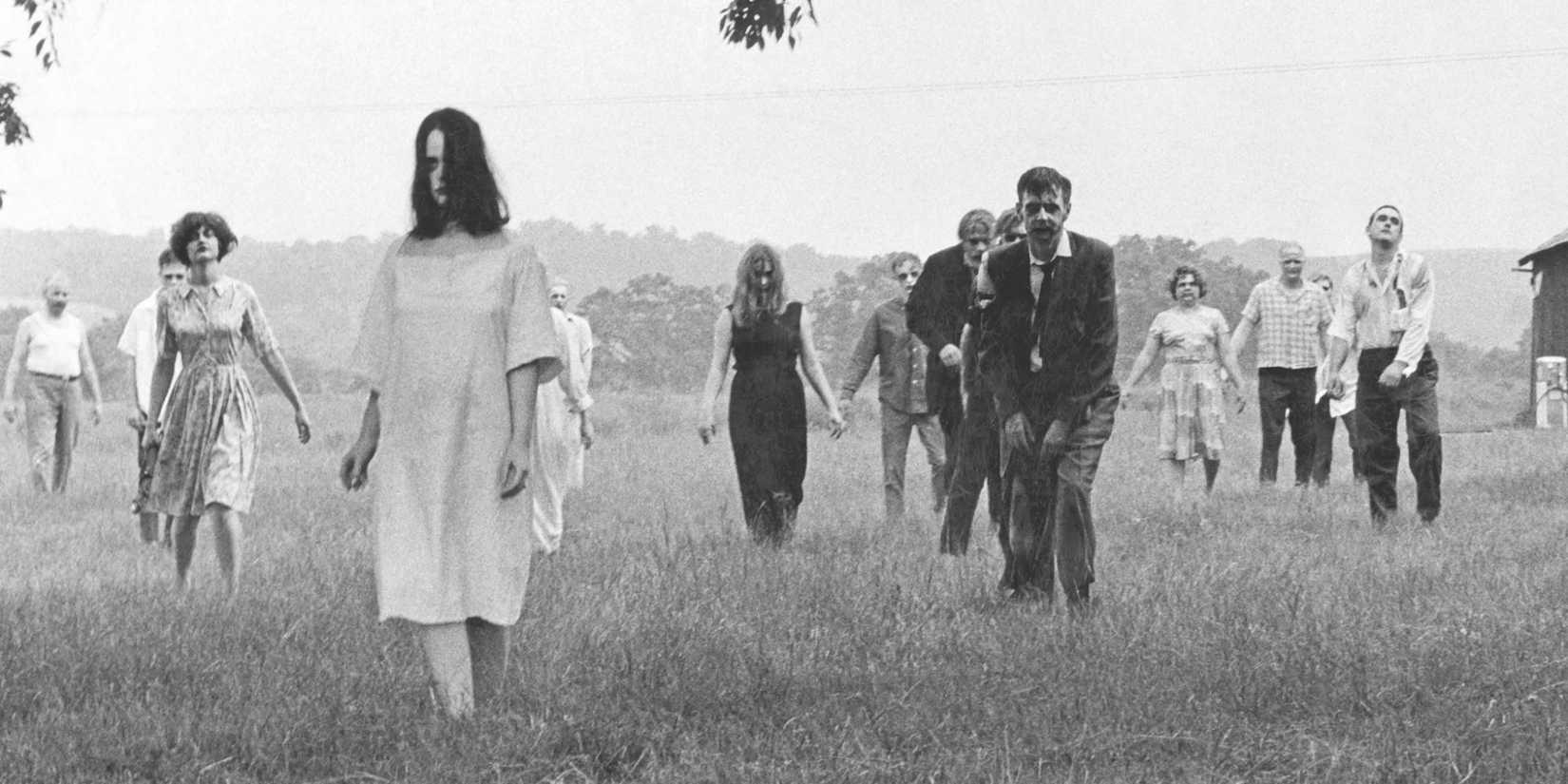 Image via Continental Distributing
George A. Romero's Night of the Living Dead essentially invented the contemporary zombie flick by transforming the genre from enslaved zombies into the flesh-eating corpses that have come to dominate pop culture over the years. The fan-favorite film follows seven strangers trapped in a rural Pennsylvania farmhouse, besieged by a growing horde of reanimated corpses caused by a mysterious phenomenon.
In addition to essentially creating the modern horror model, the Guinness World Record holder features embedded social and political commentary critiquing 1960s American racism and the Vietnam War, which was quite innovative for its release. The low-budget horror paved the way for other landmark works and redefined horror by introducing explicit gore and a bleakness that went on to influence other major movies in the genre.
3 'Breathless' (1960)
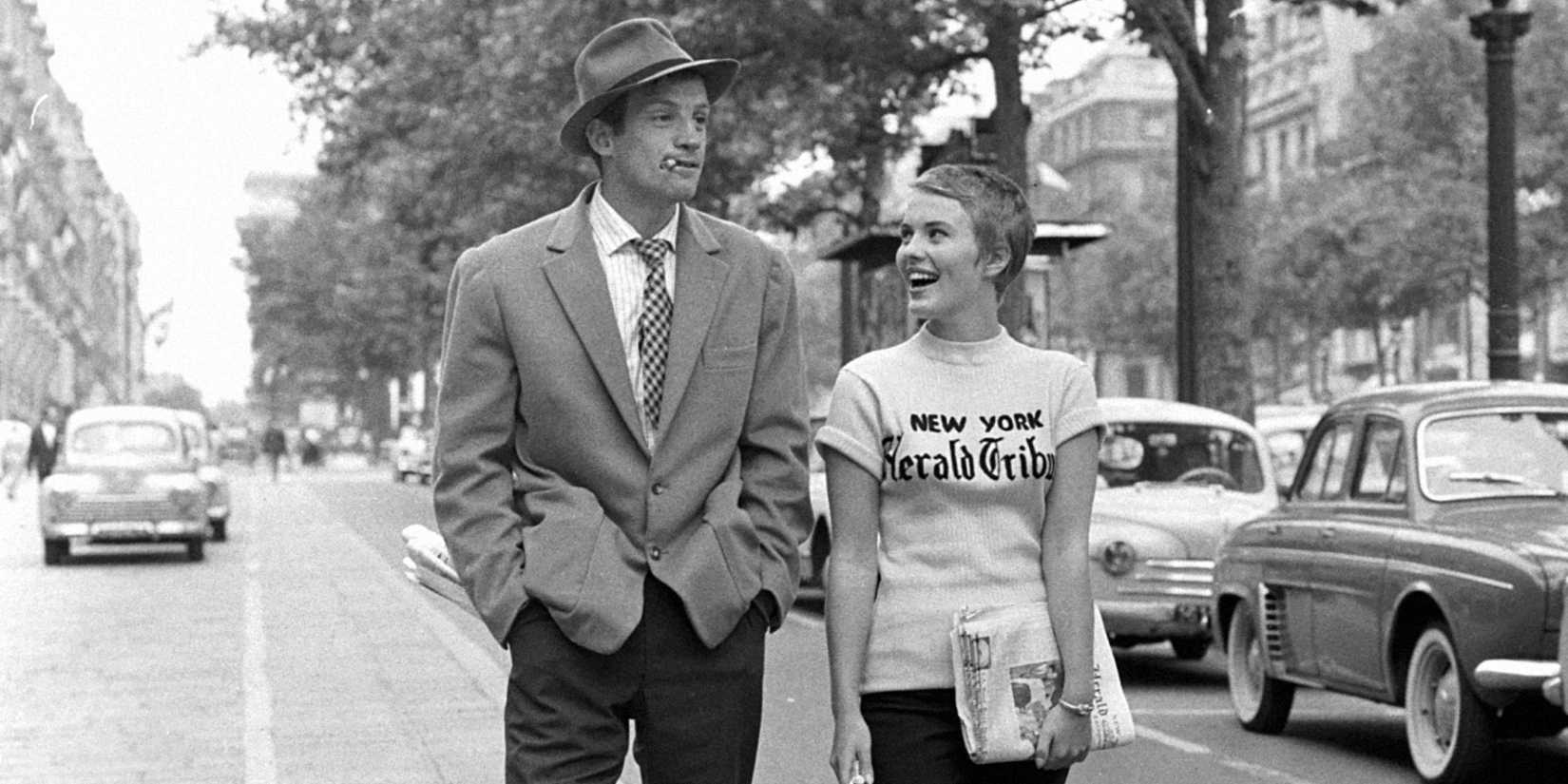 Image via StudioCanal
A blueprint for contemporary cinema, Breathless follows Jean-Paul Belmondo's Michel Poiccard, who steals a car and impulsively murders the motorcycle policeman who pursues him. In the meantime, he attempts to persuade an American girl (Jean Seberg) studying journalism to run away with him to Italy.
Jean-Luc Godard's black-and-white masterwork set the bar for contemporary film editing, famously embracing jump cuts — abrupt edits that skip forward in time within a scene — and tossing classical editing rules out the window. With its handheld camerawork and fourth-wall breaks where characters directly address the camera and audience, the film rejected the polished, studio-bound 1950s filmmaking. In its place came something riskier and looser that perfectly defined the French New Wave. No wonder it remains such a beloved picture even all these decades later, holding a modern feel with its kinetic energy.
2 'Psycho' (1960)
 Image via Universal
 Not only did Alfred Hitchcock's Psycho bring attention to psychological horror, but it also set the slasher template that brought violence into the mainstream. The plot follows Marion Crane (Janet Leigh), who flees to a remote California motel managed by the disturbed Norman Bates (Anthony Perkins), a young man seemingly dominated by his mother. After being murdered, her family and boyfriend uncover the hotel's shocking secrets with the help of a private detective.
Hitchcock's horror masterpiece marked a turning point for the genre, shifting the focus from supernatural creatures toward the dark corners of the human mind. With a sharp, suspenseful narrative, the film has lost none of its power over time. Whether it's the flawless performances, the jarring score by Bernard Herrmann, or a plot that blindsided audiences at the time it was released, Psycho continues to loom large as one of the most influential films of the 1960s.
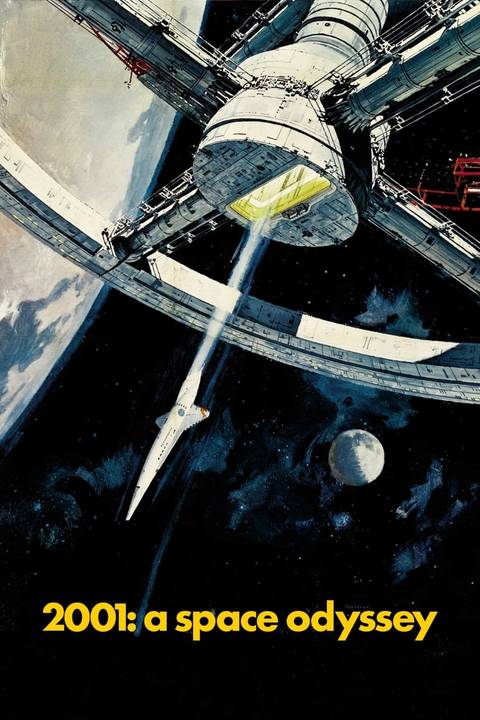
1 '2001: A Space Odyssey' (1968)
 Image via MGM
2001: A Space Odyssey unarguably stands as one of the most groundbreaking movies of the 1960s (and ever made). Directed by Kubrick, the ambitious sci-fi epic follows the discovery of mysterious black monoliths — seemingly of alien origin — that trigger human evolution and guide humanity toward a journey to Jupiter.
Kubrick's masterpiece essentially redefined ambition and what cinema aspired to do, transforming storytelling into a visceral, experiential art form best experienced on the big screen and inspiring other filmmakers such as Christopher Nolan. With its astounding visuals — innovative 70mm film, front projection rather than low-quality rear projection, in-camera effects — and a clever non-linear narrative structure, Kubrick elevated science fiction to high art, creating a level of realism and scale audiences had never seen before. By the time it was released, 2001 wasn't merely a scientifically accurate sci-fi but a true, sweeping philosophical meditation on existentialism.
2001: A Space Odyssey
Release Date April 10, 1968
Runtime 149 minutes
Director Stanley Kubrick
Writers Stanley Kubrick, Arthur C. Clarke
-

Keir Dullea
Dr. David Bowman
-
Gary Lockwood
Dr. Frank Poole





 English (US) ·