Ahead of the film's release on May 22, ScreenRant's Ash Crossan attended a special press event and participated in a roundtable interview with Jon Favreau for The Mandalorian and Grogu. In looking at the various props from the film, the co-writer/director acknowledged that the area had "masks from Legacy [Effects] and stuff from Skeleton Crew," preferring to keep it all in one place to "let everybody look at it."
He then warmly shared that it's "fun to look around to realize how many different artists have been working with us for so many years" across both current and previous Star Wars projects. Everything from "the Razor Crest cockpit that we've had since the beginning" of The Mandalorian's three-season run to Din's modified N1 starfighter, "which we had to take the engines off of to fit in here," and "Boba Fett's throne," the warehouse also has "models that we actually filmed with," including an element from the original Star Wars trilogy that they've revived for the new film:
Jon Favreau: That's a piece of John Knoll's version of the Dykstraflex, a motion-control miniature rig. That little half moon that has the Razor Crest on it — that was originally built as a lighting reference, and we started to say, "Could we try to do a shot or two for the first seasons of the show?" And then we started to like it.
Created by John Dykstra, the Dykstraflex was a key piece of technology specifically created for George Lucas' original Star Wars trilogy, but was later abandoned by Lucas and the majority of other filmmakers in the franchise, beginning with the prequel trilogy. From turning to bluescreen technology to create the large-scale locations explored by Ewan McGregor's Obi-Wan and Hayden Christensen's Anakin, to the virtual soundstage better known as The Volume created by ILM that started in The Mandalorian, the franchise has generally turned to computer-generated effects.
While having been revived for the Disney+ series, Favreau explained that going into The Mandalorian and Grogu, he and his production team "had more time and know-how" to approach the Dykstraflex. They even turned to ILM vet and longtime Star Wars creative John Goodson to "build us a larger Razor Crest" for the new film, allowing them to "use models like they would have in the old days":
Jon Favreau: Now, if you're like me and a film geek, that's cool. Hopefully, for other audiences, they don't even notice what that is. Also, when you walked in, there were stop-motion models from [Phil] Tippett. Those were really used in this. So we had years instead of a year. So we were able to do all the stuff that we've always hoped we could, and do it to a level for a new audience who might not care about that stuff, and they just want to see a fun movie where it doesn't bump.
Given the advancements in technology made in the 16 years between Return of the Jedi and The Phantom Menace, it makes sense that Lucas, J.J. Abrams and others turned toward a focus on computer-generated efforts for both the prequel and sequel trilogies. This not only ended up offering new ways to capture flight setpieces in the films, namely the well-received dogfight scenes in The Force Awakens, but also bringing back iconic characters with digital de-aging and face-replacement technology.
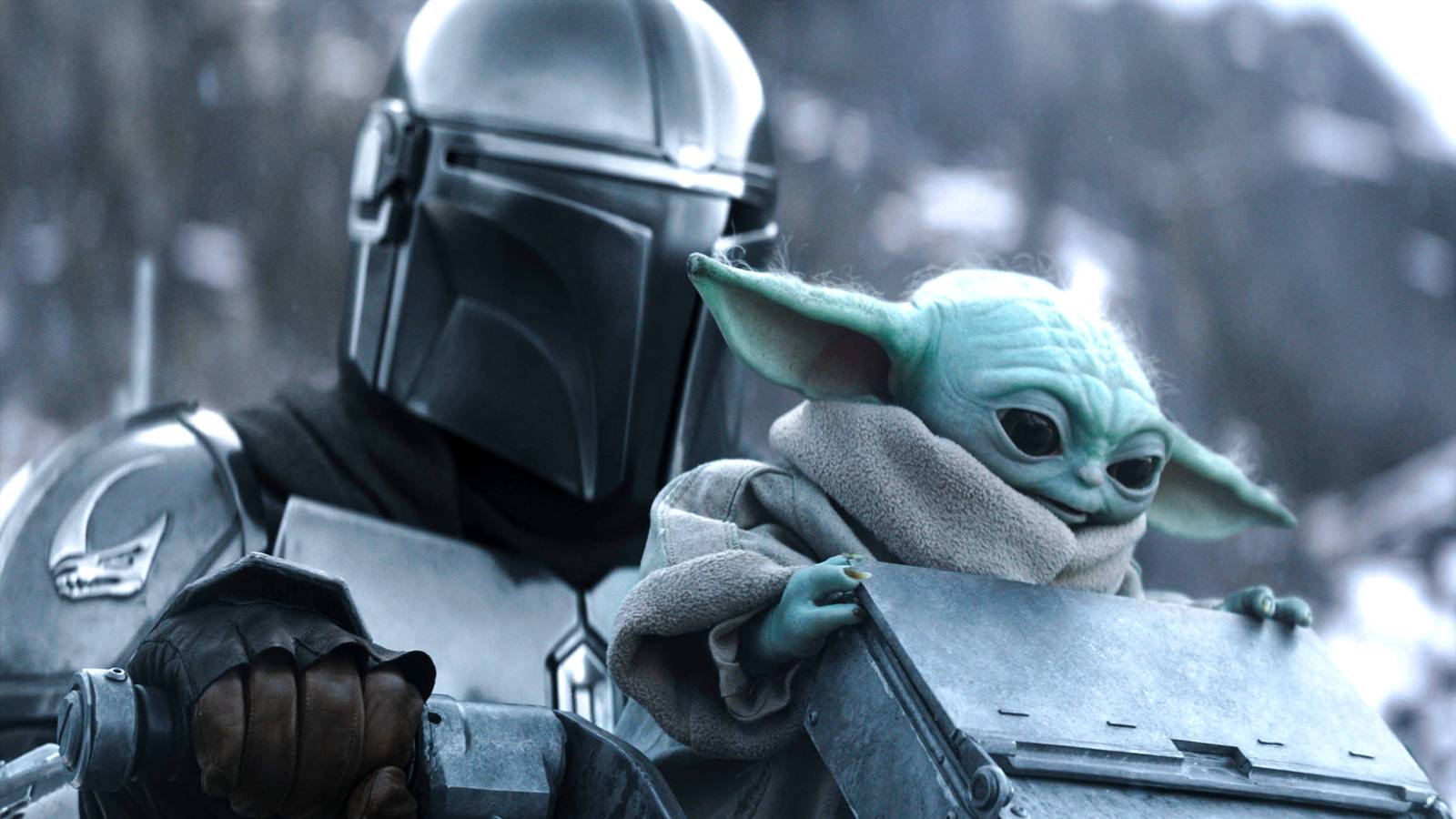
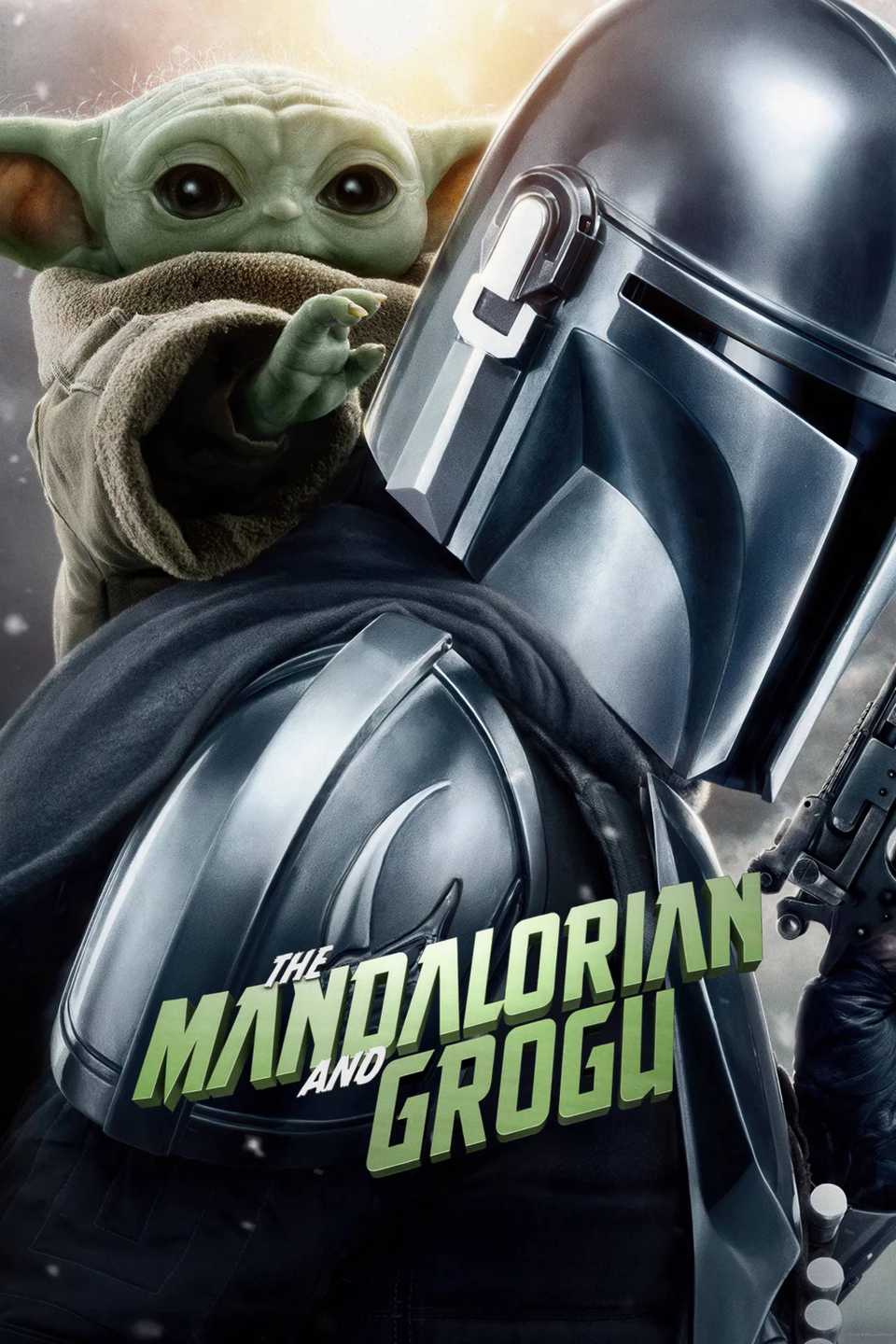
Even still, Favreau isn't the first filmmaker in the modern Star Wars era to bring back a more practical approach to capturing some of their elements. The Last Jedi saw Rian Johnson set a new record for the franchise with the most practical effects of any film, having upward of 200 practical creatures, including a puppeted Yoda for his Force ghost appearance. Favreau similarly brought said effect to the creation of Grogu, aka Baby Yoda, both in The Mandalorian series and new film.
But while he may have revived the Dykstraflex style, Favreau hasn't entirely eschewed visual effects for The Mandalorian and Grogu. Where the original Star Wars trilogy had Jabba the Hutt be a practical creation, the new film has Rotta and the other Hutts are CGI creations, while the trailers have also shown other setpieces involving said technology. However, with the film's first big screen return coming with a proper incorporation of practical effects, and the budget reportedly being the lowest since 2005's Revenge of the Sith, it will be interesting to see if Lucasfilm looks to continue encouraging its other filmmakers to take a similar approach going forward.
Release Date
May 22, 2026






 English (US) ·