
 3 weeks ago
57
3 weeks ago
57

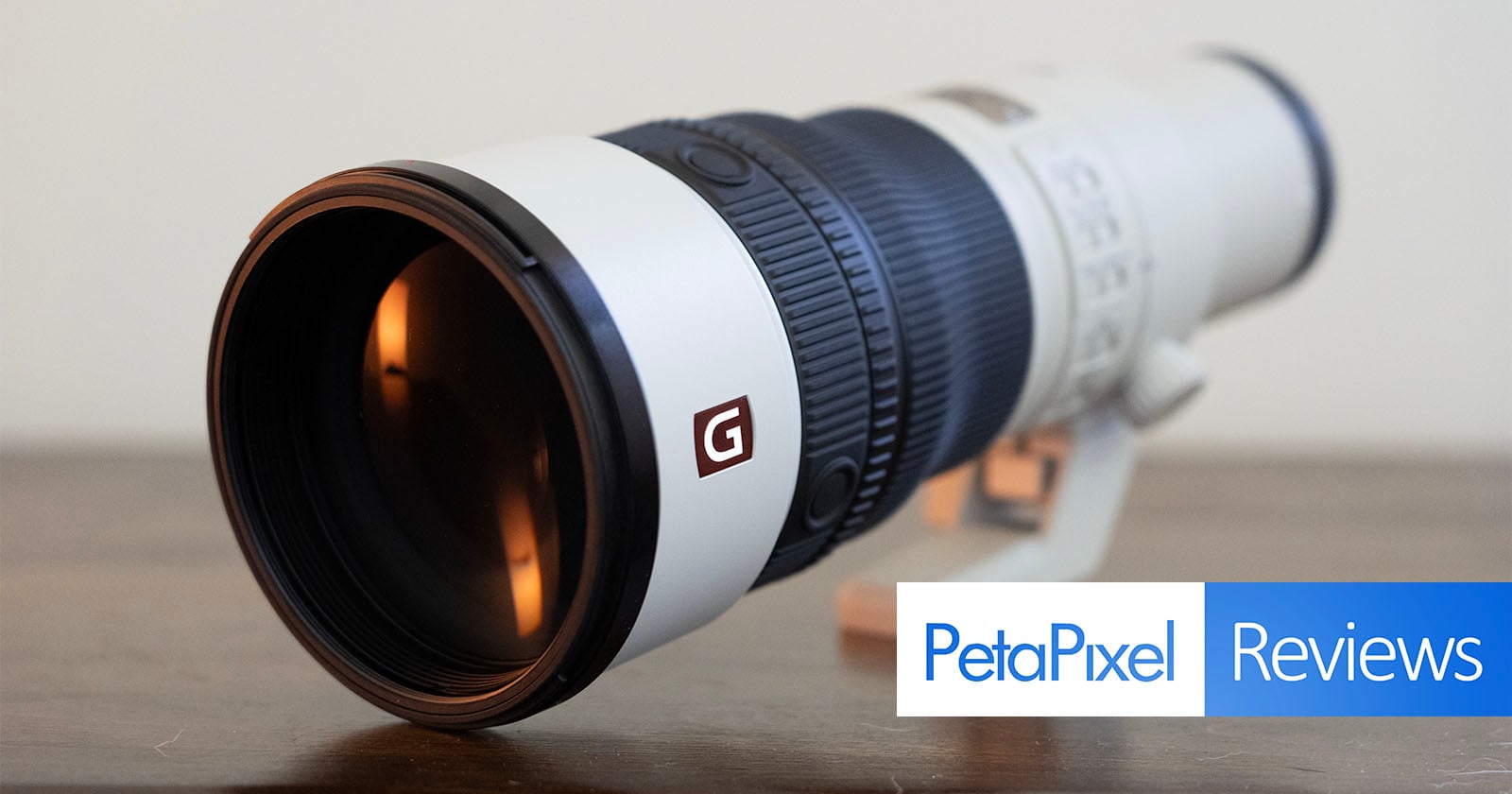
Earlier this summer, LK Samyang announced the AF 60-180mm F2.8, its latest lens that it says was developed in collaboration with German optics company Schneider-Kreuznach. We’ve had the chance to test it out the version for E-mount (though the company has recently announced it’ll be available for L-mount next week), shooting with it in a variety of conditions to produce a sample gallery, and forming some impressions along the way.
In use
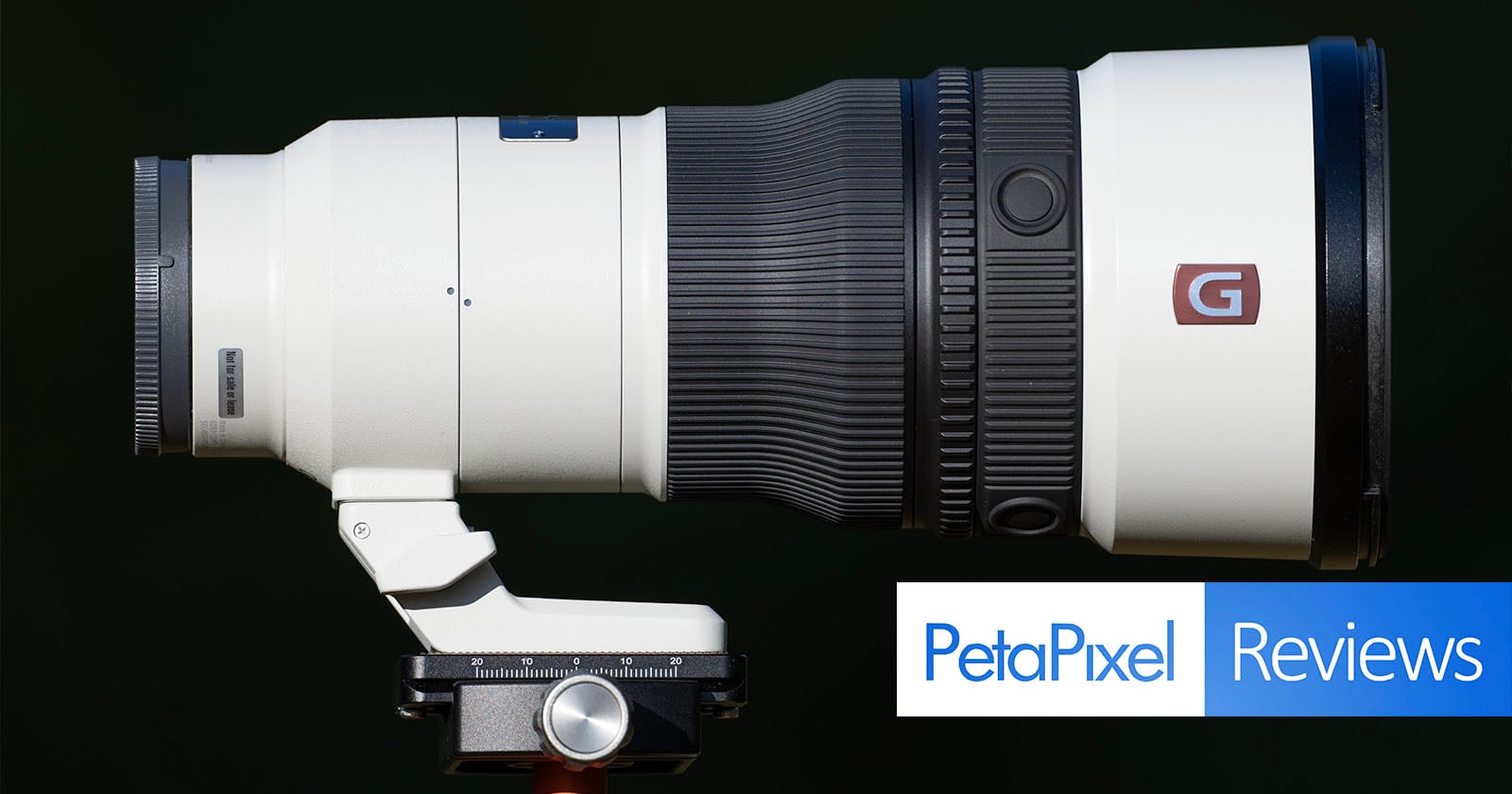
The thing I immediately noticed about this lens was its weight, as it comes in at just 730g (1.6lbs). According to LK Samyang, it’s the lightest option in this class, and I found that difference noticeable. It was very easy to carry around, even for extended shooting sessions. While the lens extends as you zoom in, this doesn’t result in a substantial shift in its center of gravity, which is always nice when changing focal lengths.
Speaking of, though, the zoom ring might be the lens’s weakest point. It has a nice textured rubber coating, but can be a bit difficult to turn with any amount of precision, as it’s quite stiff, but inconsistently so; I sometimes had to work to turn it from 60mm, before finding myself in an easy patch sailing right through the focal length I wanted. It’s not end of the world, and I got used to it with practice, but it is a reminder that you’re using a budget lens.
 The lens doesn’t extend very far when going from 60mm to 180.Mitchell Clark
The lens is also made out of a plastic that isn’t the most premium-feeling. Nor does the customizable control button, though it’s a nice inclusion. Finally, LK Samyang has added a lock switch to keep the lens at 60mm while you’re walking around with it, though I found the mechanism’s stiffness was enough to keep it from accidentally extending. However, it does hold it incredibly well; I once accidentally locked the lens, and was completely unable to turn the zoom ring until I discovered what had happened.
It focuses quite quickly, though it’s not the absolute fastest I’ve ever experienced. That’s not surprising given that it uses stepping motors rather than linear ones, but it should be more than acceptable for everything but the fastest of action. I also appreciated its close focusing abilities, as it has a minimum focusing distance of just 0.35m (1.2′) at the wide end, letting me get quite close to my subject, which suits my style of shooting. Unlike the zoom ring, the manual focus ring is perfectly pleasant to use.







 English (US) ·