
 2 weeks ago
43
2 weeks ago
43
Out of nowhere, a package arrived for me from an anonymous source and what was contained inside intrigued me instantly: A Konica IIA in almost perfect condition. It was a gift from a viewer hoping that I’ll give it a try.
I’m flattered and overjoyed at the prospect of playing with this vintage piece of photographic history, but I have to admit that I knew very little about the camera before that moment. I thought that was all the more reason to learn about this beautiful piece of history and share what I discovered with you.
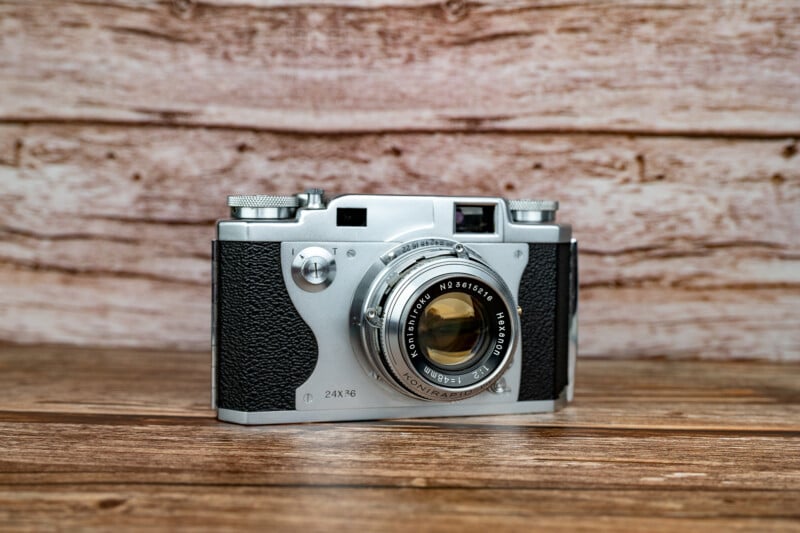 The Konica IIA is a truly beautiful camera.
Konica IIA Retrospective: Where It All Began
Konica has a rather illustrious story, but it all started in a humble Tokyo-based pharmacy at the turn of the 20th century. Sugiura Rokusaburo wanted to offer photographic equipment and materials to a flourishing local market in the late 1800s, and he also wanted some of it to be locally procured. From this initial success he went on to design a compact box camera nicknamed the “Cherry” camera, which becomes known as Japan’s first mass-produced camera.
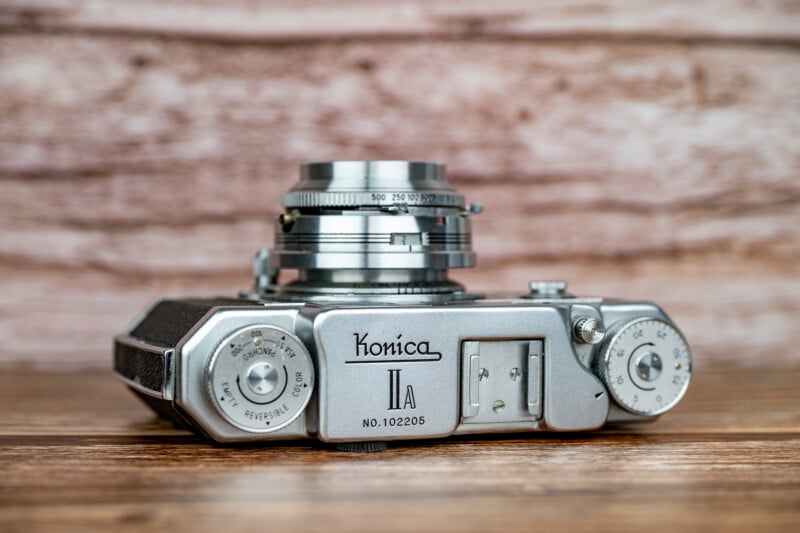 The II series of the Konica camera added a shutter button on the top of the camera and a cold shoe.
So began the camera production company that would come to be known as the global camera manufacturer, Konica. It was from these humble beginnings that we move forward to the 1940s and the birth of the camera that will make the Konica name famous.
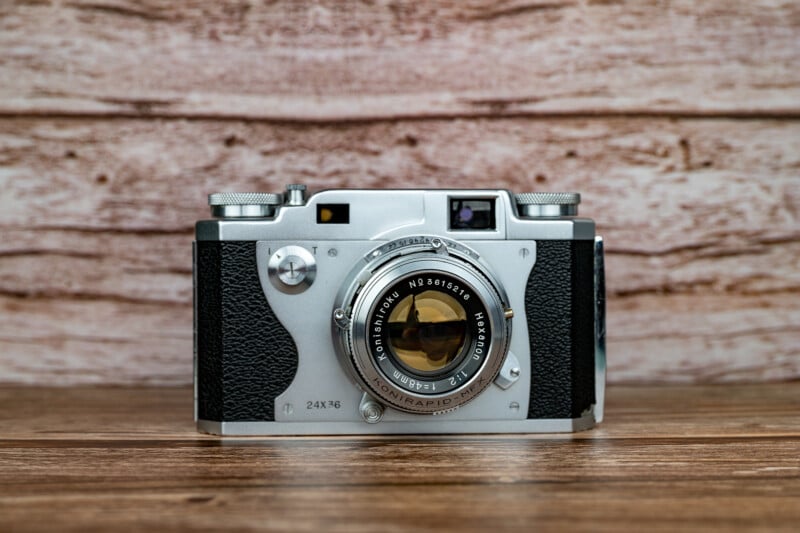 The Konica line of cameras became so popular that the name eventually represented the brand.
Konica IIA Retrospective: The Birth of a Namesake
In 1947, the Konica I series of camera hit the market and became very popular. It was a handsome camera with a maximum 1/500 second leaf shutter and a collapsible lens. At this time, Konica was still named Konishiroku, and was firmly invested in designing premium 135mm film cameras.
 The 48mm Hexanon lens was fixed and non-collapsible, with a fast f/2 aperture.
1951 saw a new version series named the Konica II which added a cold shoe and a shutter mechanism on top of the camera, which at the time was quite a modern implementation. This drastically reduced accidental double exposures and provided a more positive trigger mechanism to take pictures. However, it wasn’t until 1956 that we got the premium Konica IIA model, which is the subject of this retrospective.
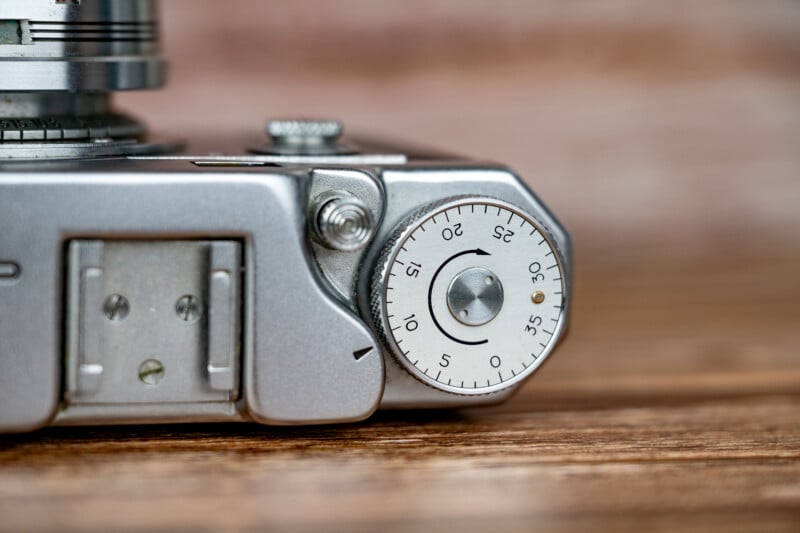 Here you can see the shutter button and film advance knob.
The IIA certainly looks the part as a higher-end version of the standard II model. The front plates have retained the gorgeous machined curves of the series II, but the shutter has been upgraded to the new Konirapid MFX version. This still shoots up to 1/500 second but has full support for both electronic flashes and classic flash bulbs. However, the biggest upgrade is the new lens which improves upon the older collapsible Hexanon 50mm f/2.8 with a brand new non-collapsible Hexanon 48mm f/2.
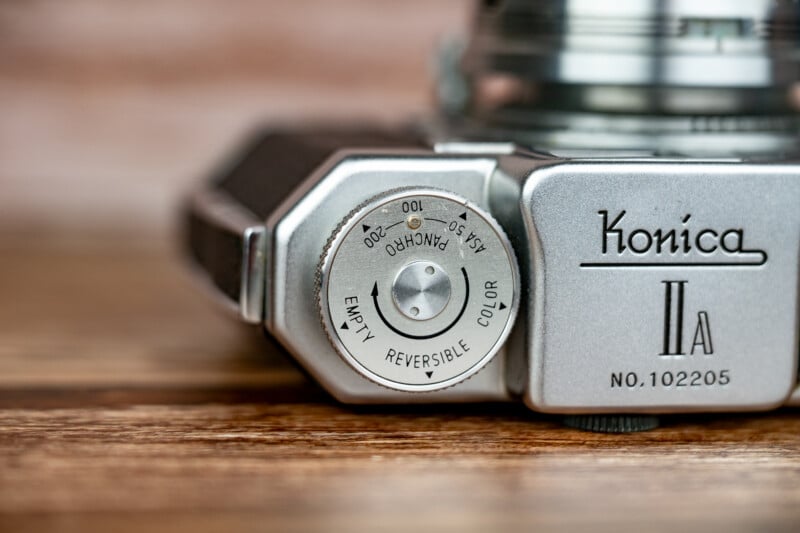 The other knob on the left of the body is for rewinding film, and has a plate that can be used to remind you of your film choice.
I found this 48mm lens to deliver excellent contrast and sharpness, even at f/2. Some flare is present but it provides beautiful color rendition with color film, and strong punch to black and white emulsions. The front of the lens takes rare 35.5mm filters, and the extra glass brings the camera to a hefty 750 grams. There is an even a PC sync port on the side of the lens as well.
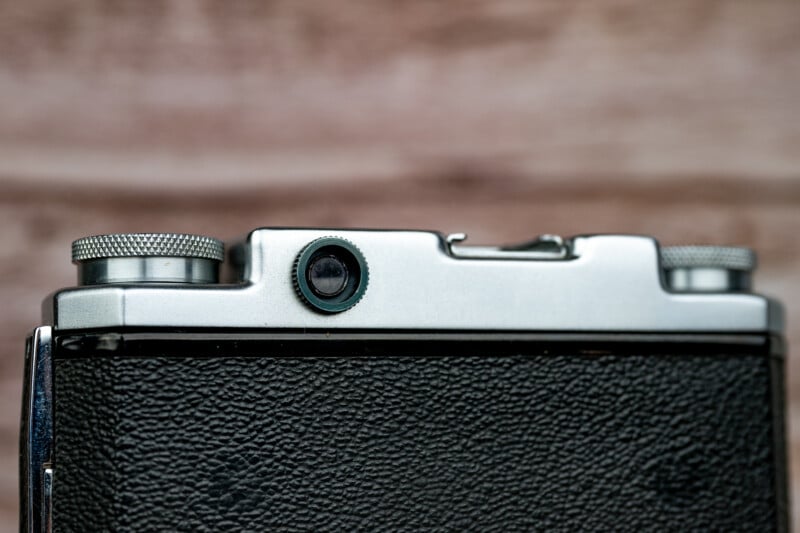 The Konica IIA has a proper rangefinder and is very accurate.
Konica decided to label the focusing measurements in feet, presumably to help sales of the camera in the U.S. market. You also get a depth of field scale, but I find the aperture control quite difficult to adjust. It uses sharp and uncomfortable teeth as a grip, but the lever is tiny so much effort is required to turn it.
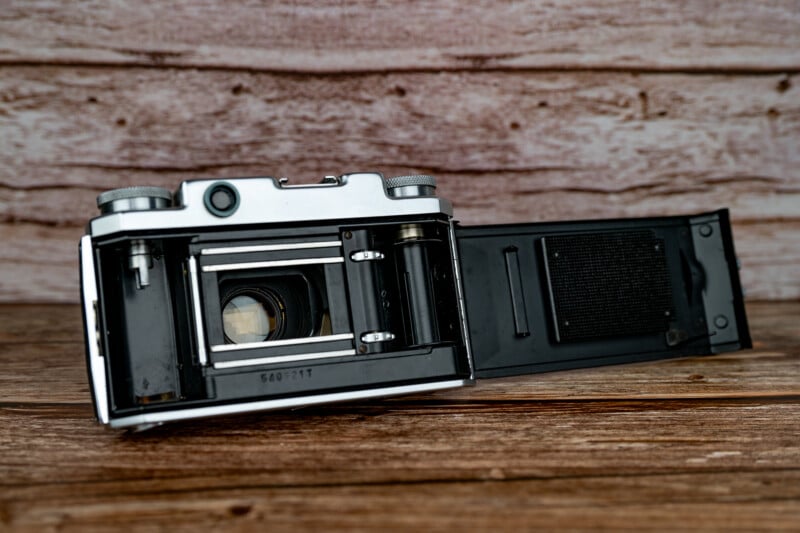 The Konica IIA takes any 35mm film, and is excellent for both color and black and white photography.
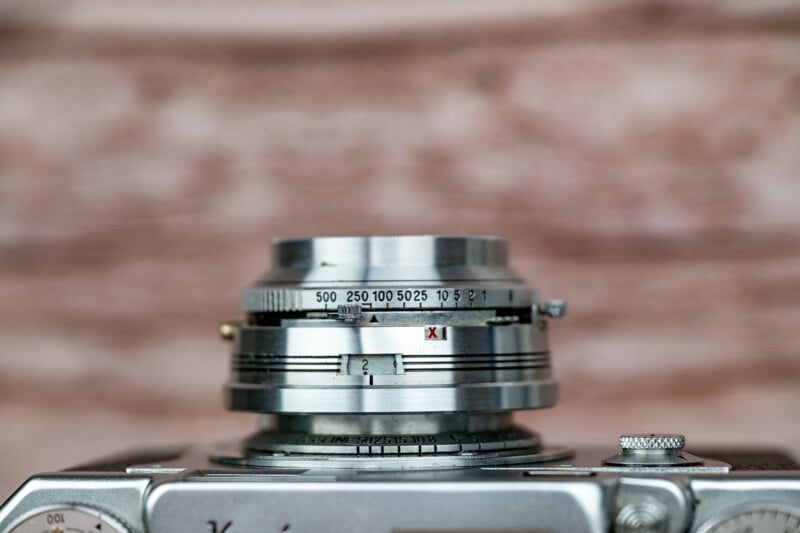
So the IIA does require that the shutter be cocked before firing. You can then either trigger the camera with a lever on the side of the lens for multiple exposures, or use the shutter on top, which will only reset after winding the film onward. I found that I didn’t mind this extra cocking step after a few rolls, however, you do need to decide ahead of time if you want to shoot at 1/500 second. There is a second spring stage required at this maximum speed so if you have already cocked the shutter mechanism you are stuck until the next frame.
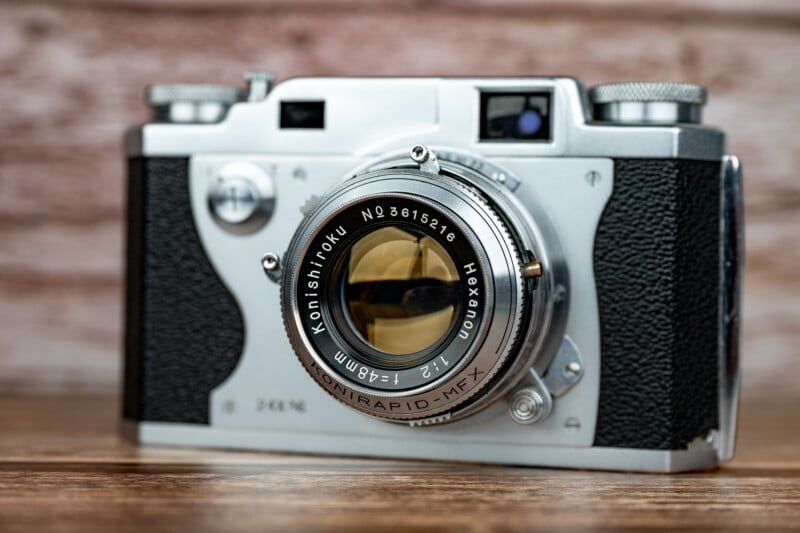 The front facia of the camera is stylish and handsome.
Once you fire your frame, the winding knob advances the film to the next shot and is calibrated to count up through the exposures as you go. The shutter button has a finishing cap that covers the threads for a cable release. On the left of the camera is a dial that acts as a rewind knob, and has a simple rotating plate that you can set to remind you of your film type and ISO speed.
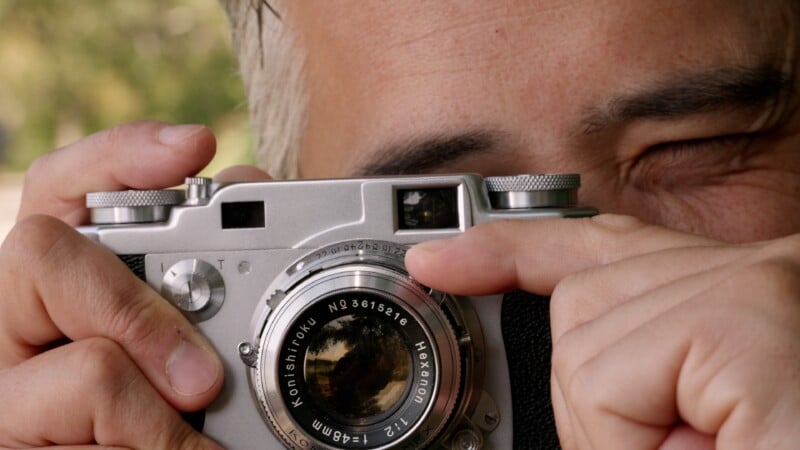 You must cock the shutter first before taking a shot.
On the front of the camera is a dial to switch between standard shutter operations including bulb mode or a T setting which works like a modern time value setting. One press starts the time exposure and another ends it. You’ll also find a standard tripod thread on the bottom of the camera and a clever twist lock to open up the camera back and load film.
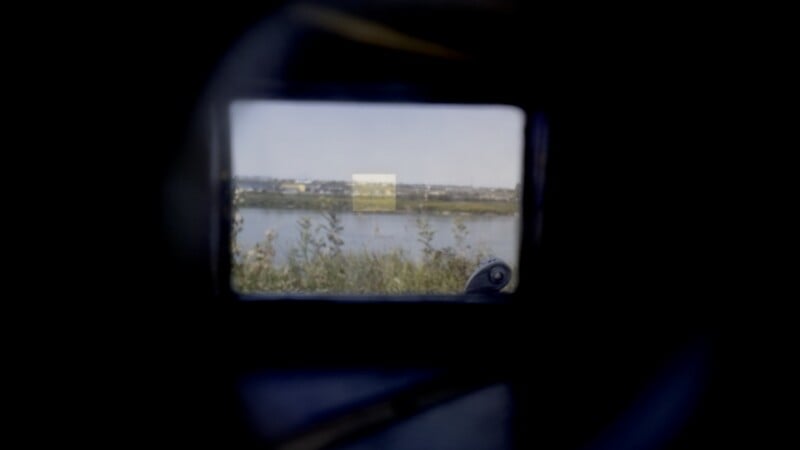 The viewfinder is still bright and easy to focus with.
Lastly, the Konica II cameras have very clear rangefinders. Even after seventy years, the glass was quite clean and the rangefinder patch was easy to focus with. I also found the accuracy of the viewfinder to be excellent, even up close. Although there are no frame lines, the outside of the viewfinder is a very close match. You can also see the shutter cocking lever through the finder as a reminder to prep the mechanism before taking a shot.
Konica IIA Retrospective: Still Going Strong
Given the vintage of the IIA, there was no light meter present in these cameras. I placed a TTArtisan light meter in the cold shoe and it worked perfectly. I found that ISO 100 and 200 films made the most sense, allowing me to still use f/8 or f/11 respectively, in direct sunlight, and still get a proper exposure. That being said, the lens does max out at f/22, so faster films can be used.
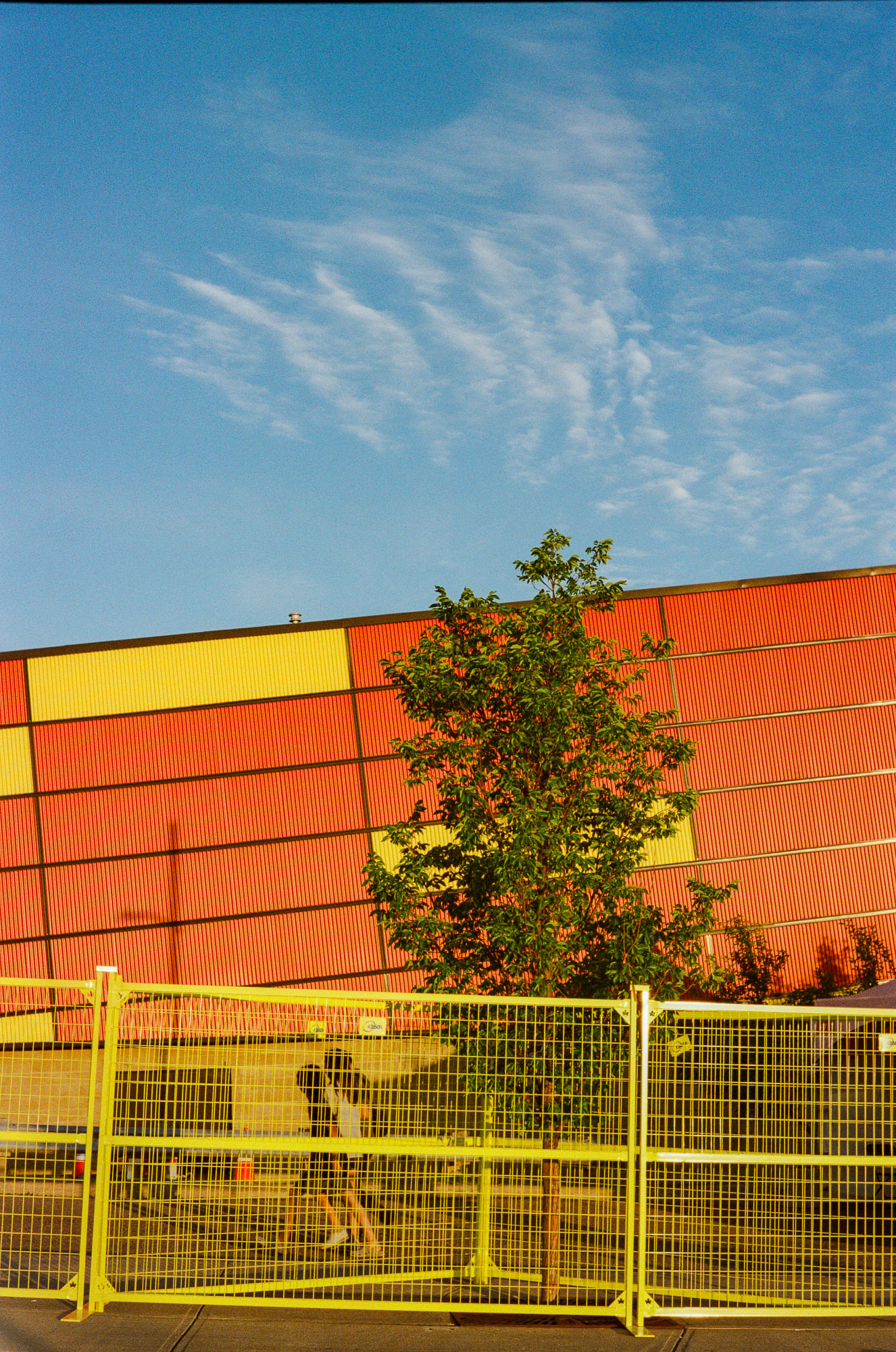 Colors and contrast are solid out of this camera.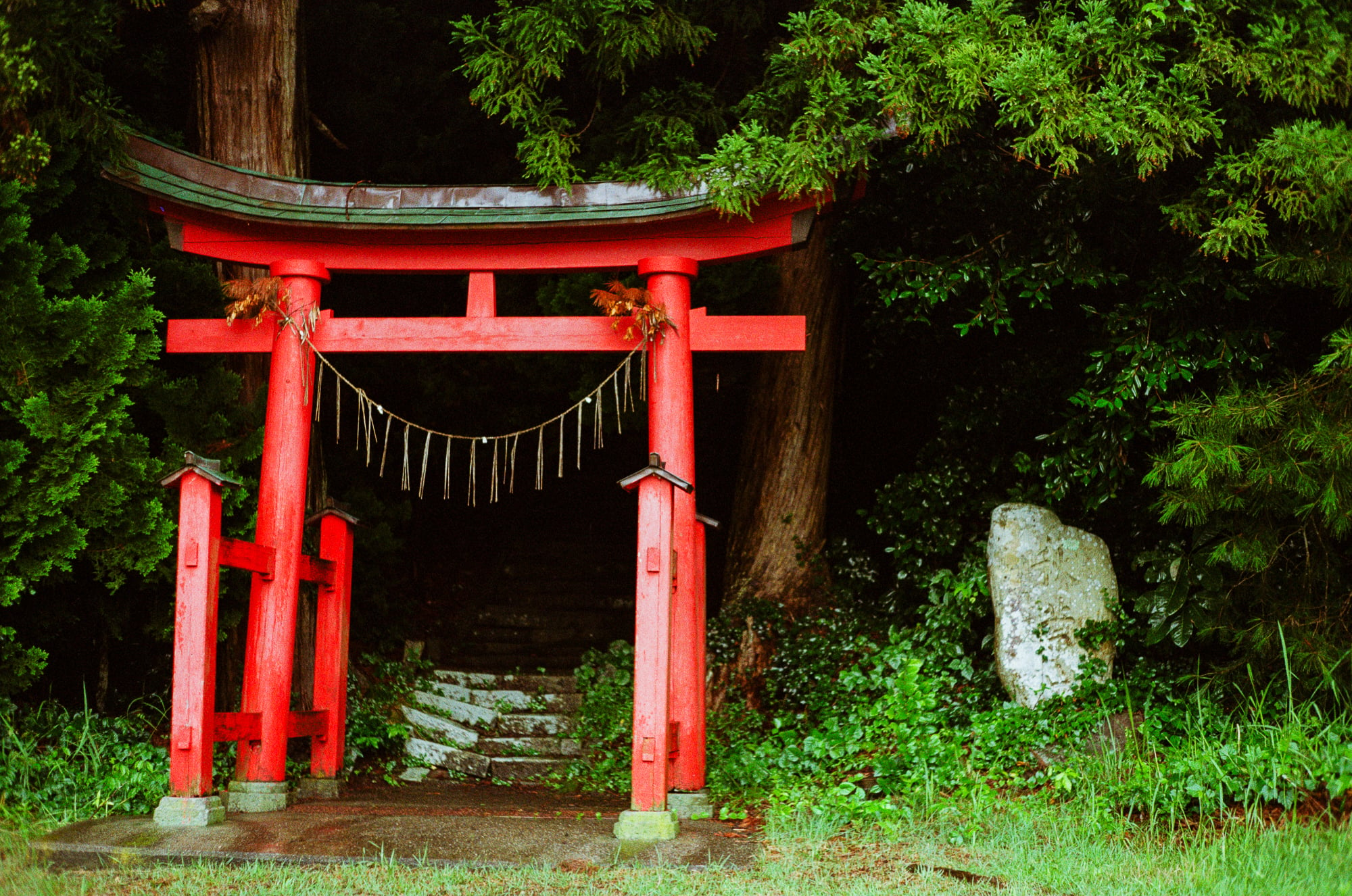
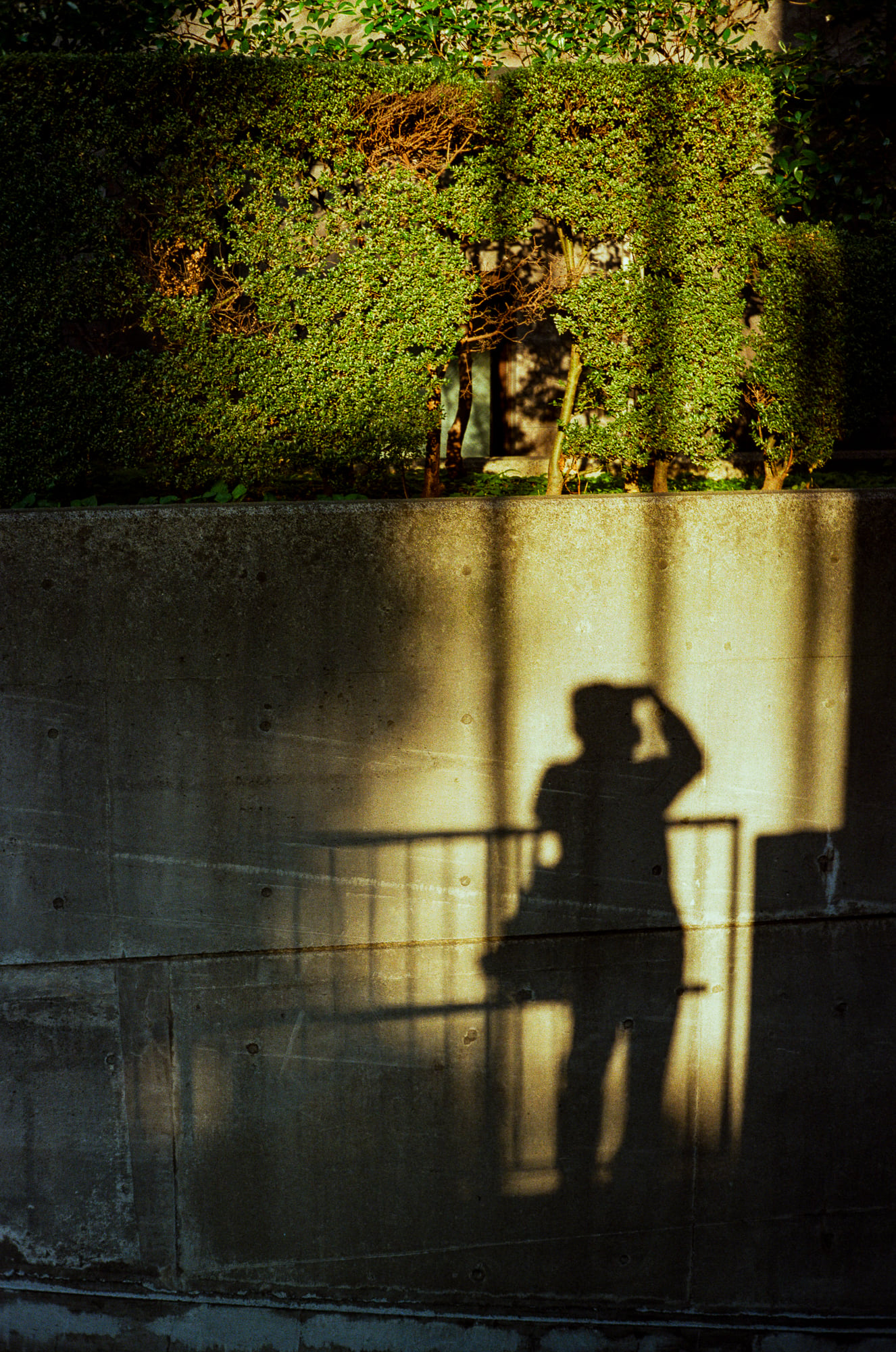
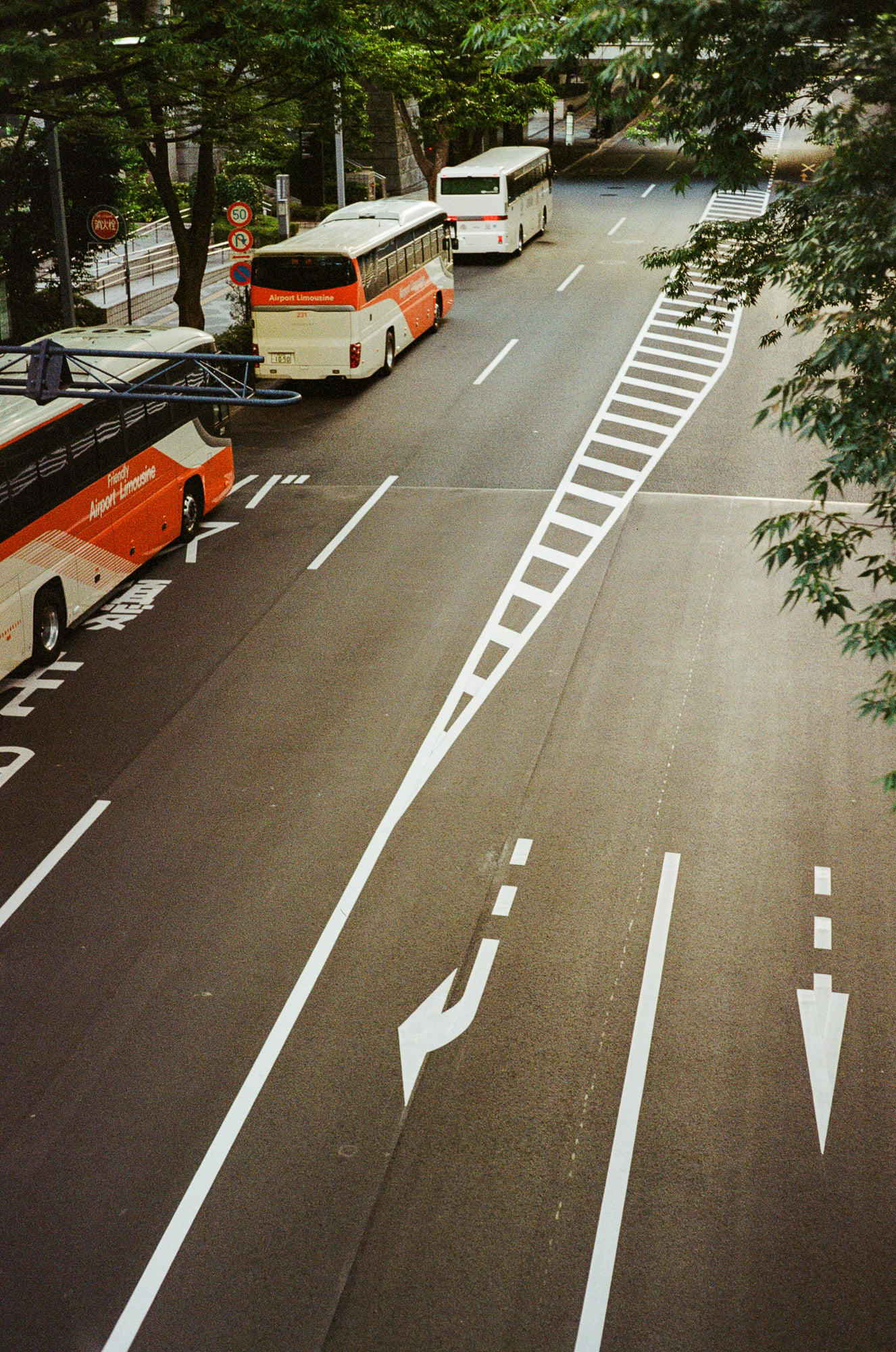
My overall experience with the IIA was a really positive one. The camera is heavy, but also very stable to shoot with. I loved the quality and character of the lens, and the accuracy of the viewfinder. The operation of the shutter might be quaint by today’s standards, but the camera was fun to use.
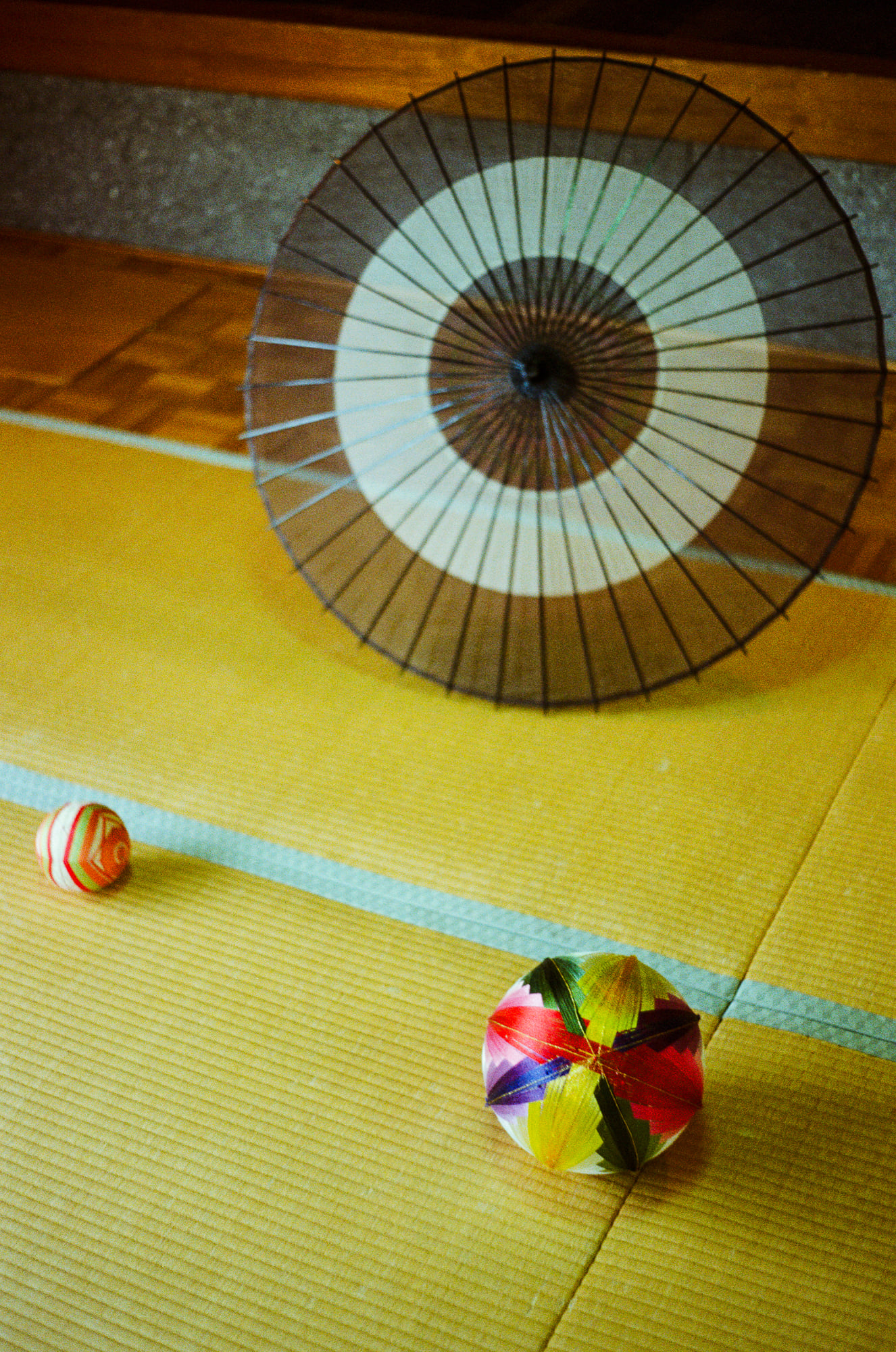 The framing was very accurate, even at close ranges.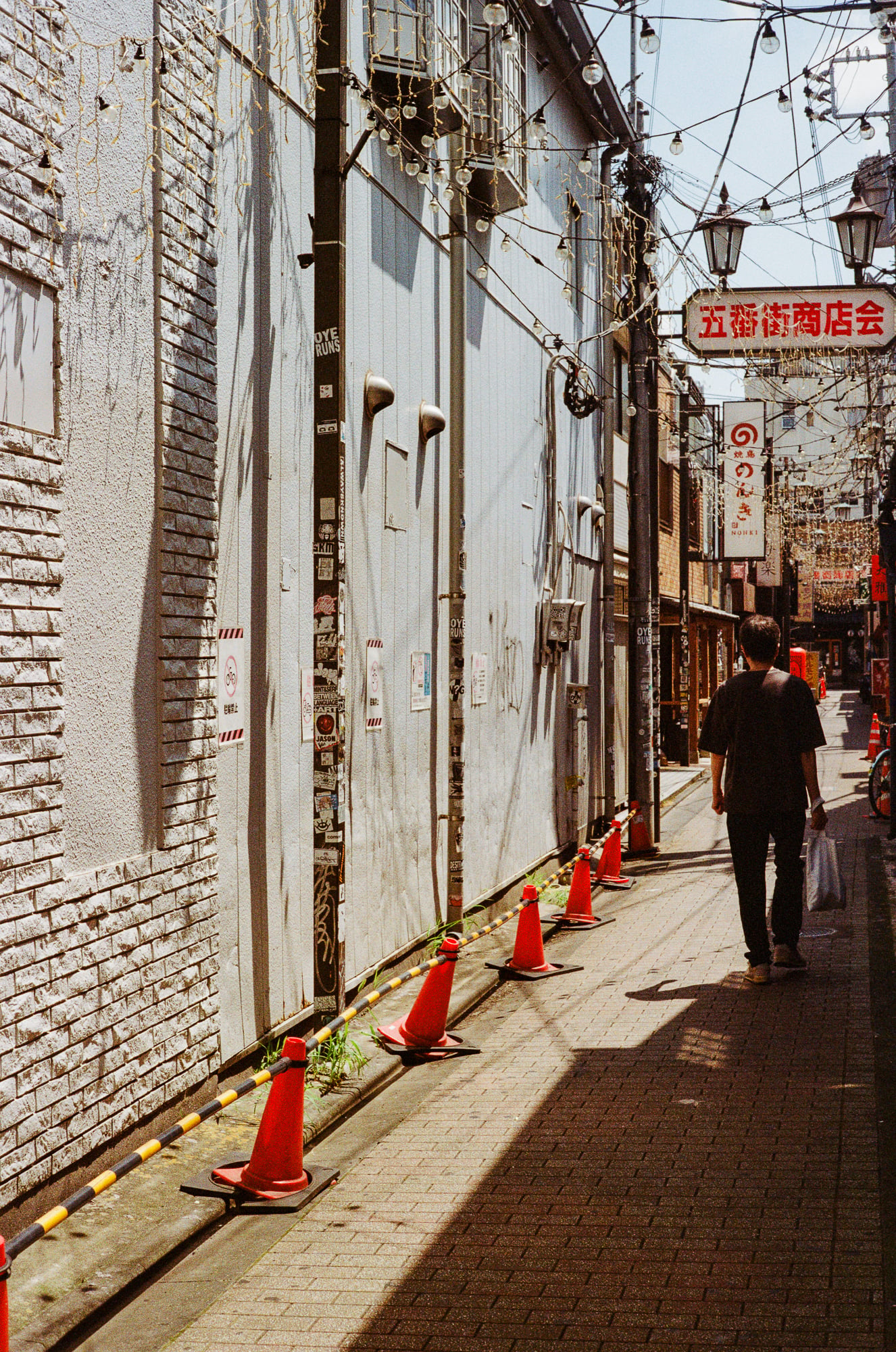
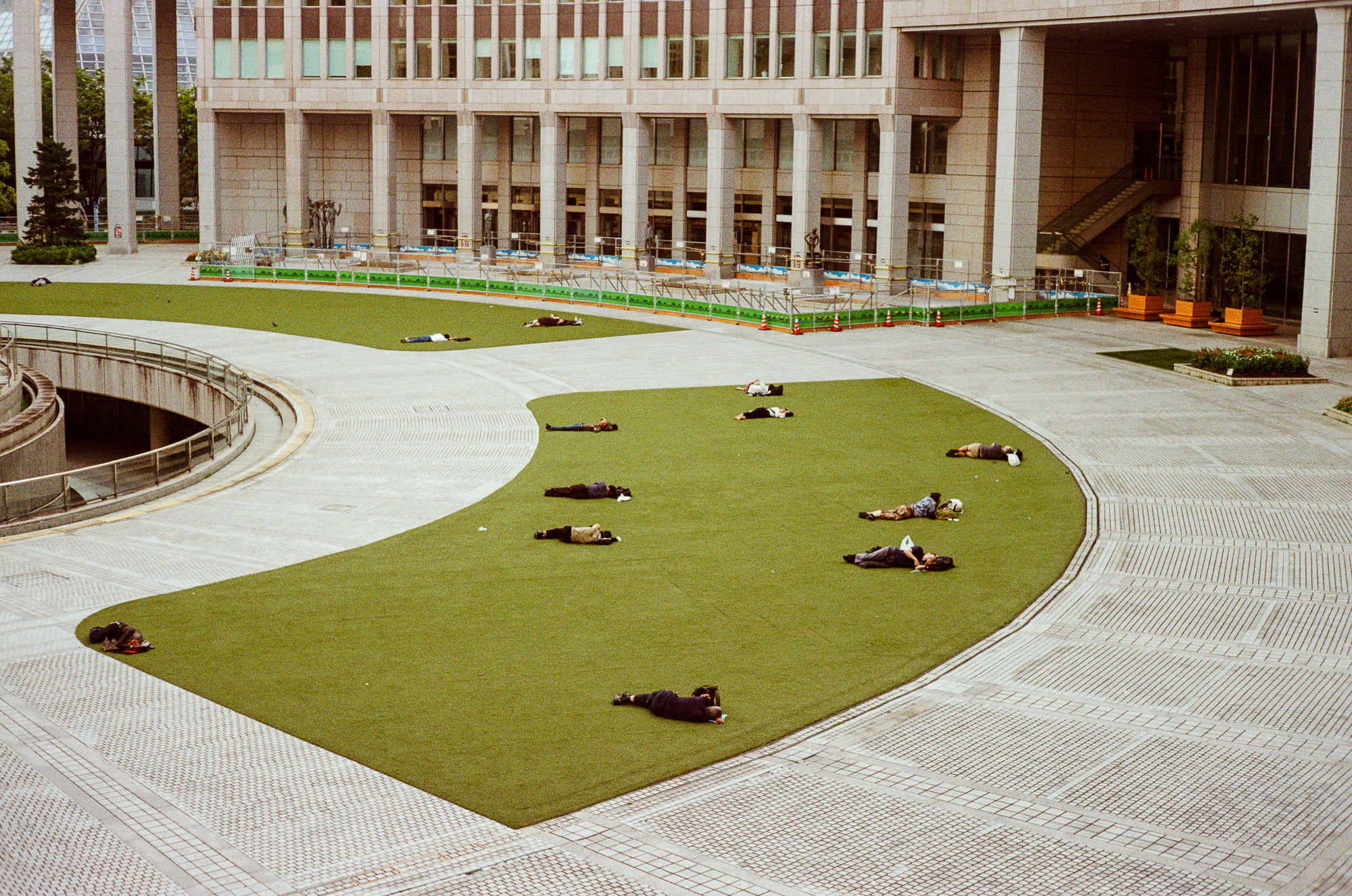

I would also say that the possibility for full photographic control is there, and the camera is extremely capable as a creative tool. The Konica IIA feels like a prestigious camera in the hand and a strong picture taker worthy of your efforts.
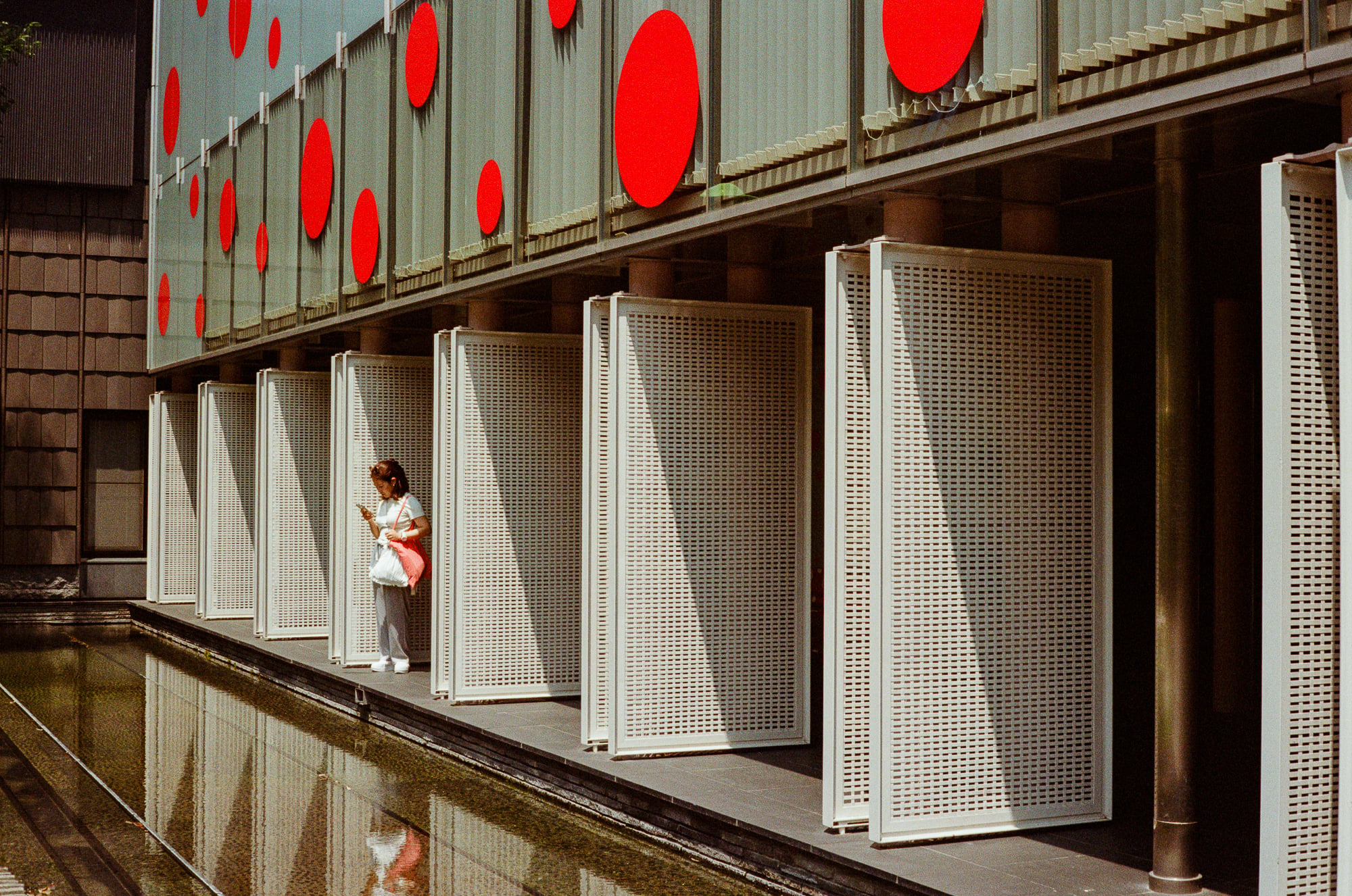 I took the Konica IIA back to its home in Japan.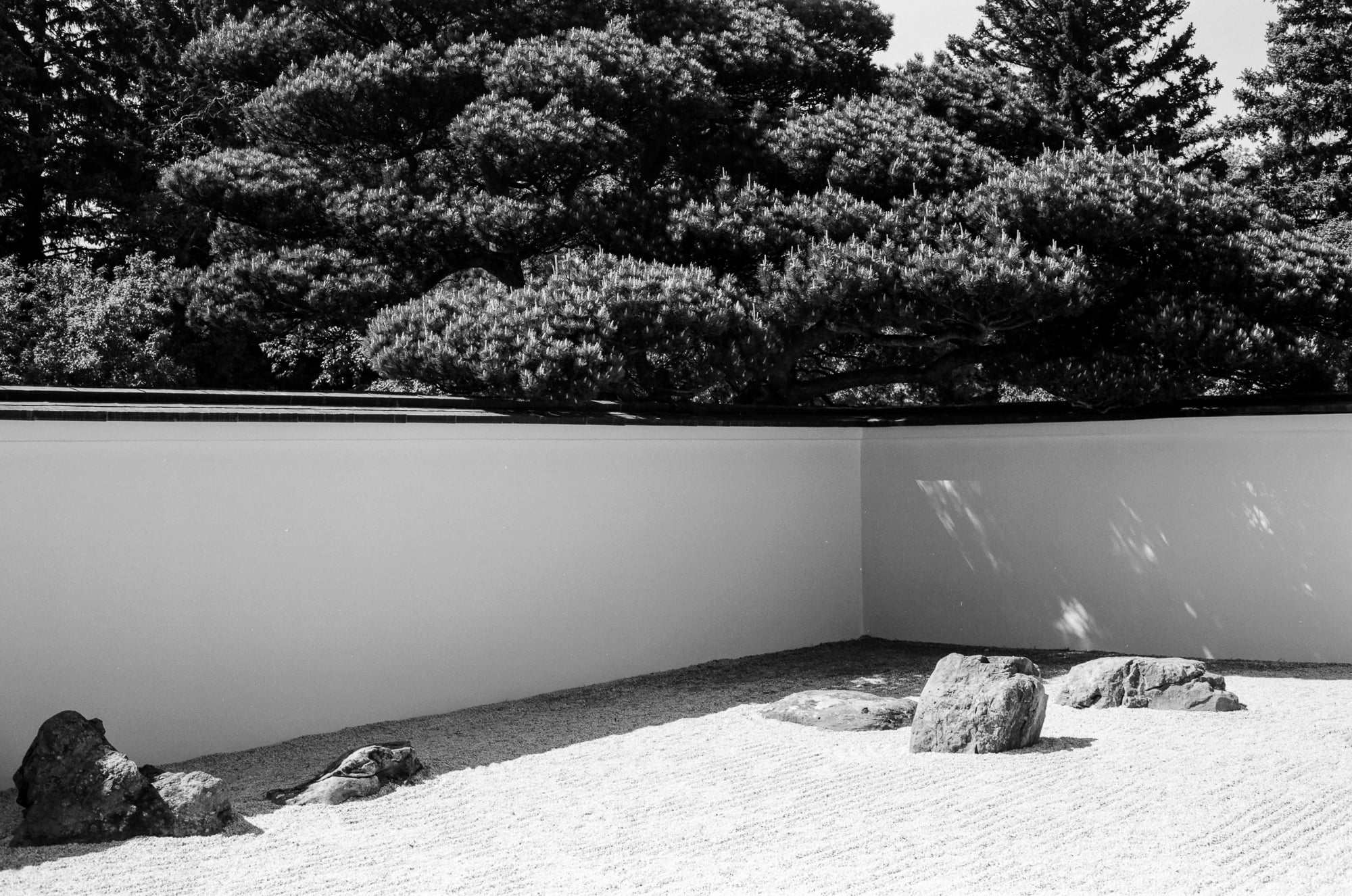

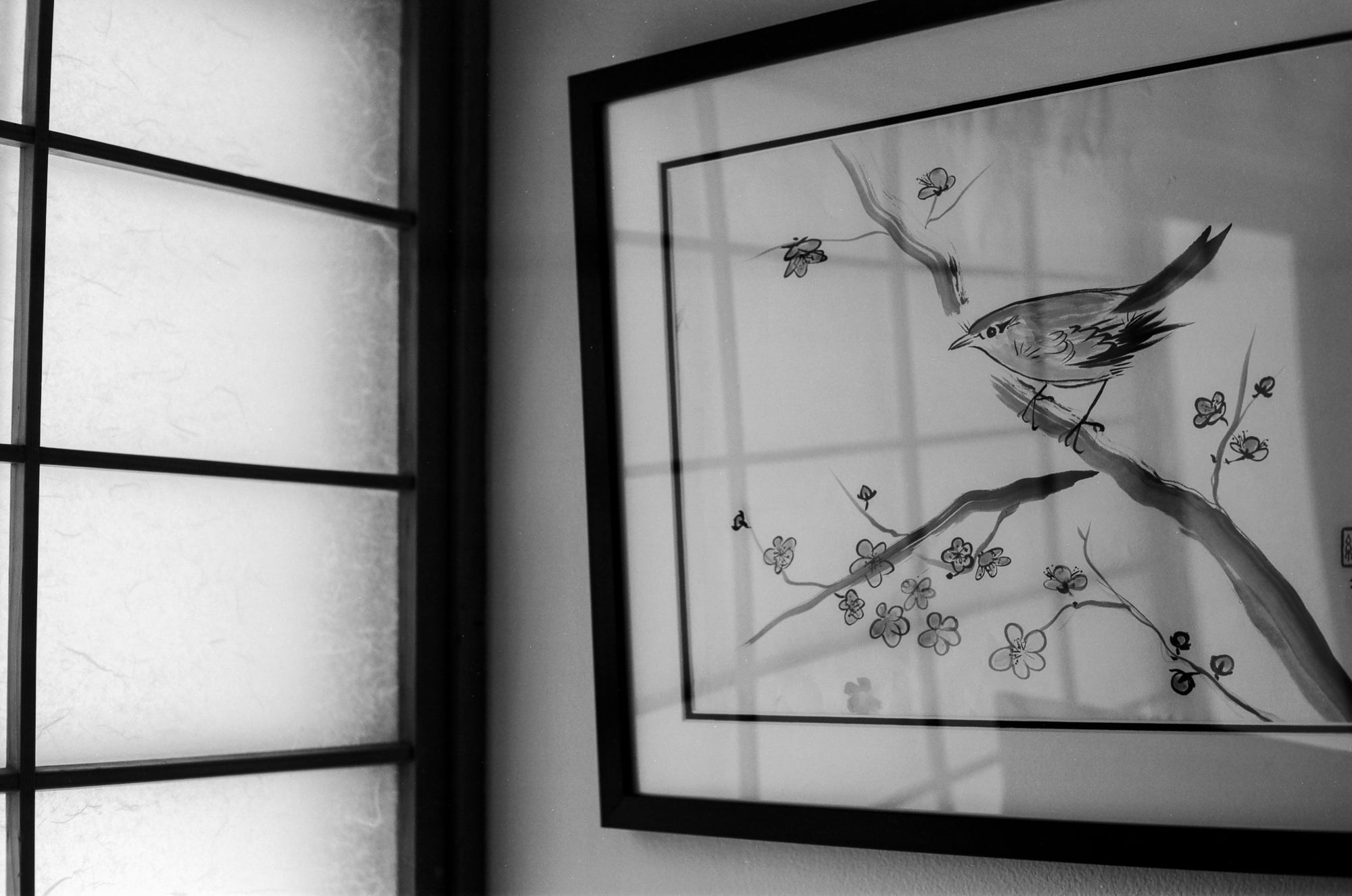
Back in the day these were the only Konica 135mm film cameras made by Konica. It’s also telling that The Konishiroku company changed its name in honor of these popular and stylish compact cameras. However, Konica proceeded to make some stunningly awesome cameras afterward, including the compact C35 series, Autoreflex SLRs, Koni-Omega medium format cameras, and Konica Hexar premium compacts.
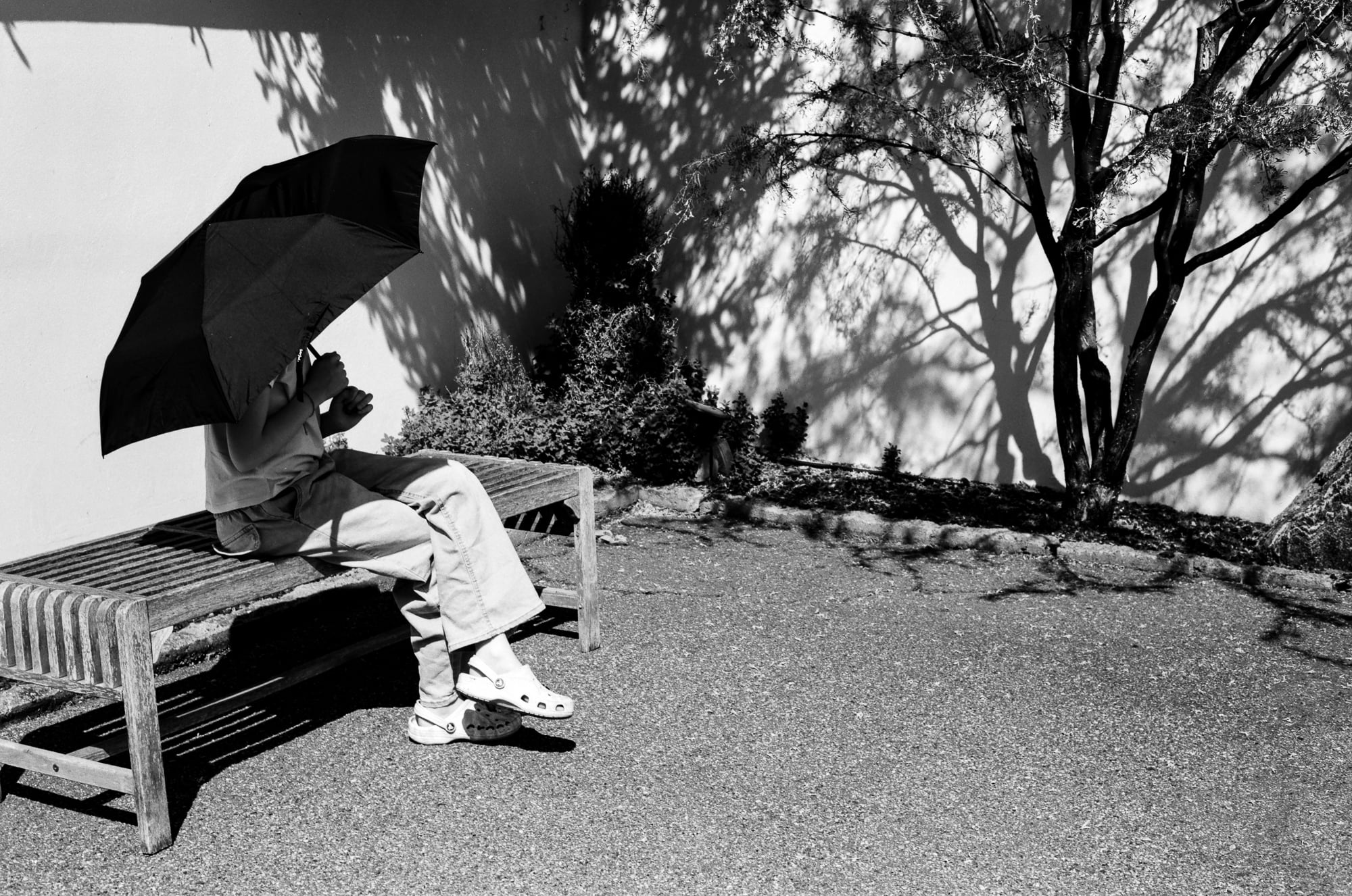
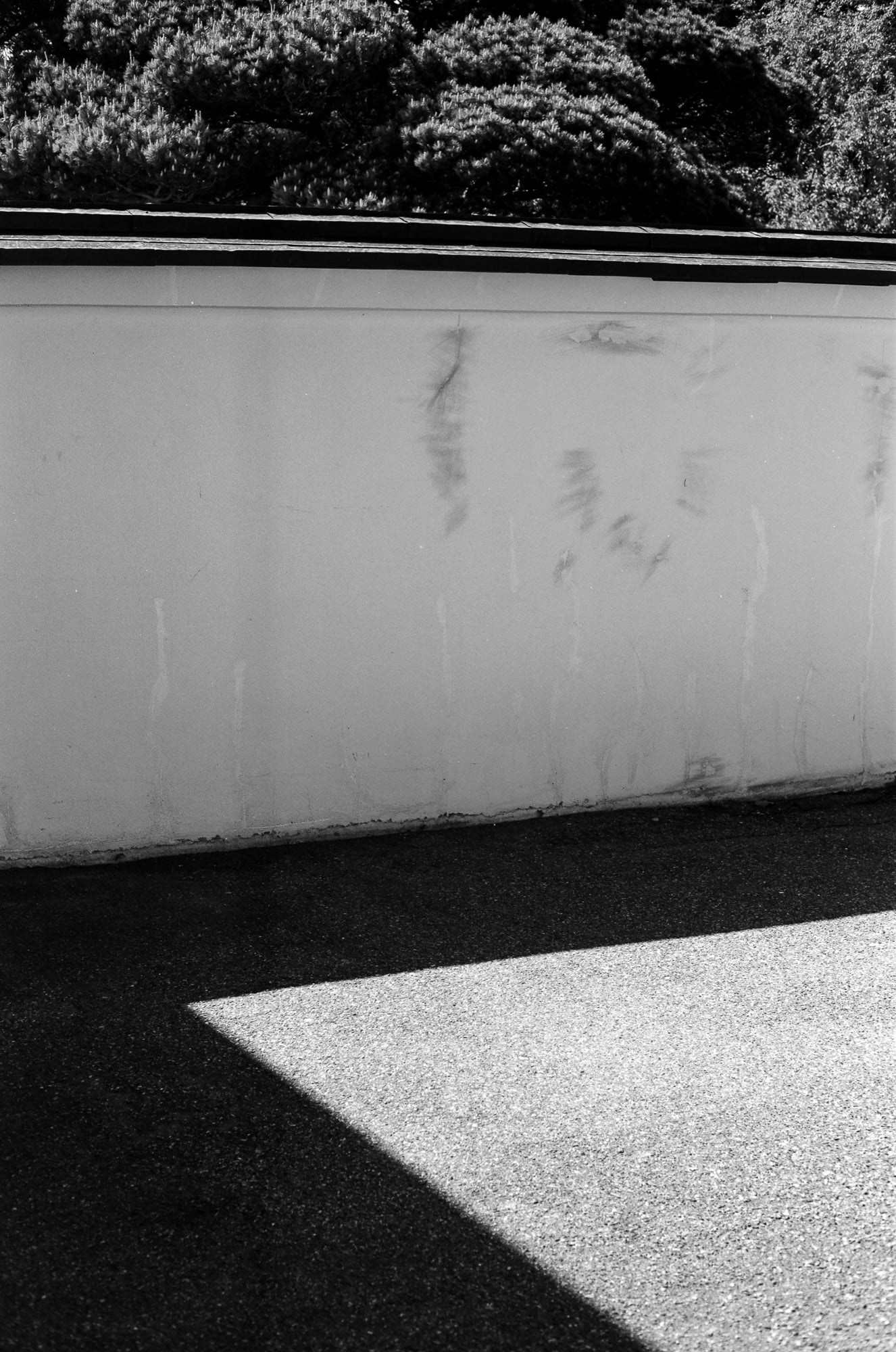
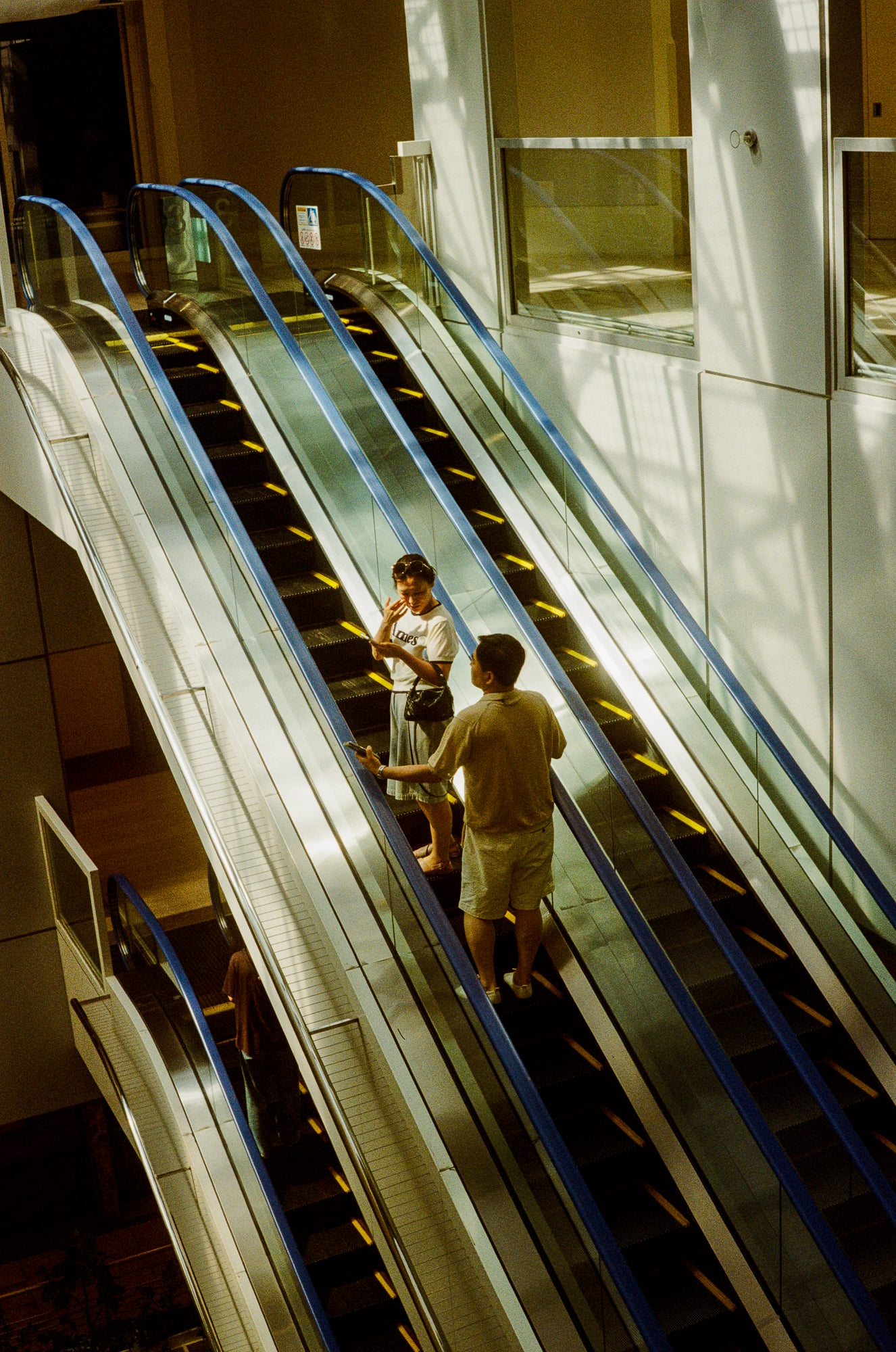

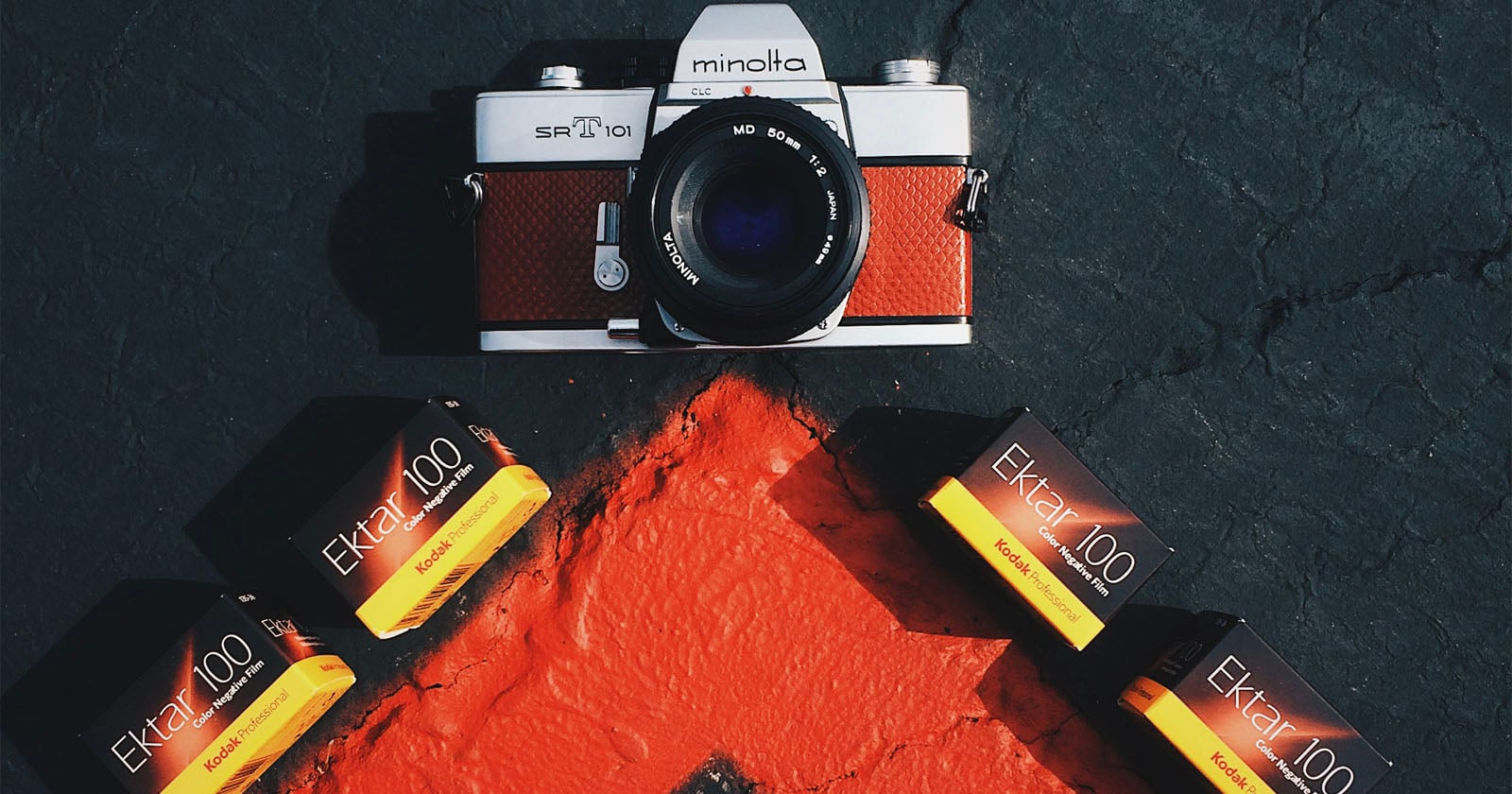
In 2003, after an illustrious span of film and camera sales, Konica joined forces with Minolta in an attempt to form a strong partnership and go after the growing digital camera market. Sadly this plan did not meet with the required success and eventually the digital patents and camera technology were sold to Sony, who evolved its own designs to great effect. Nowadays, Konica Minolta still exists in the tech world developing photo copiers, medical equipment, and commercial-grade optics.
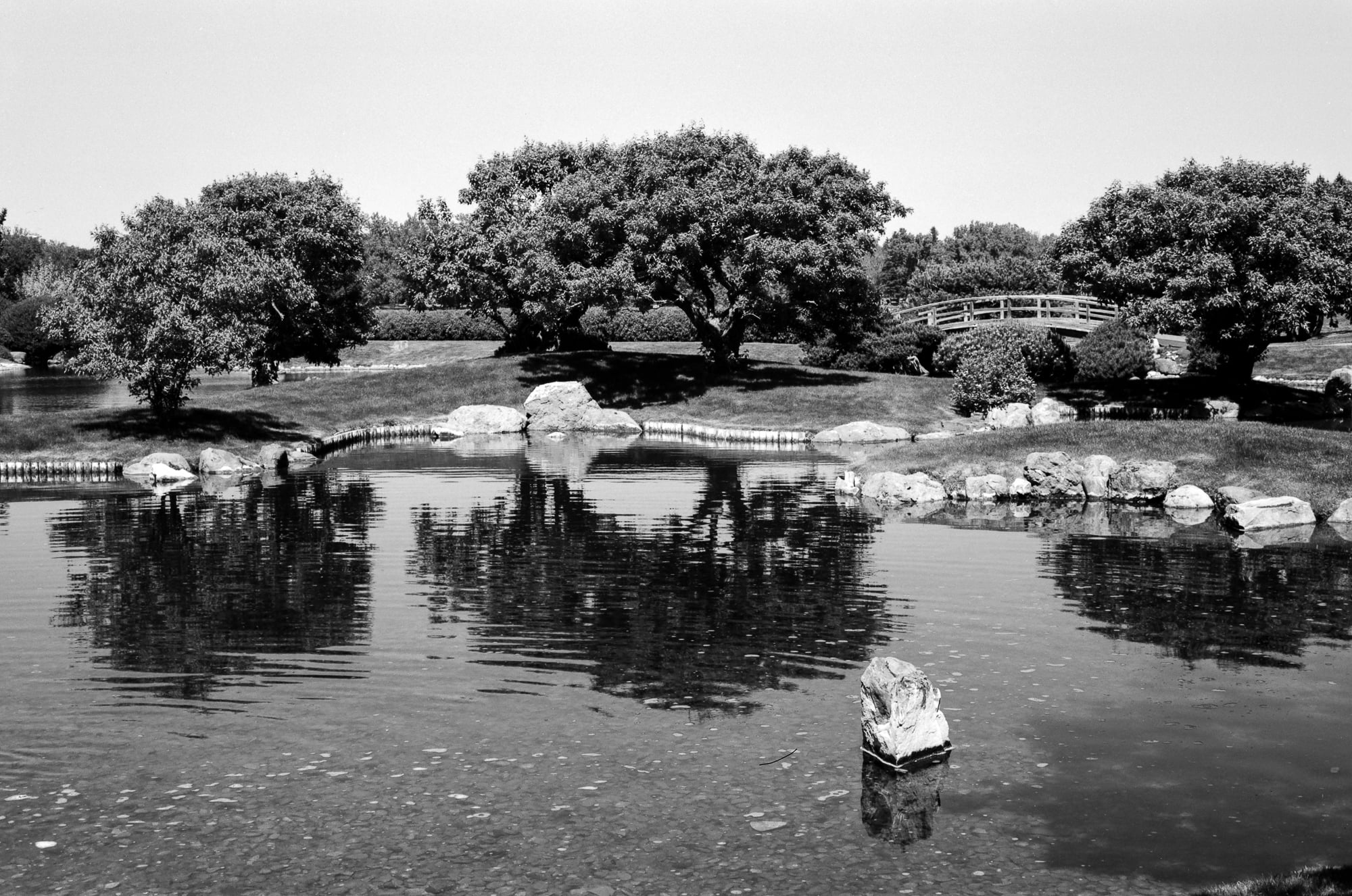

Konica may no longer exist as a photographic company, but the cameras still live on today. They are reliable and well-built, which speaks to the dedication from Konica as a premier manufacturer. I have always respected the Konica lenses and film emulsions over the years, and I felt very fortunate indeed to have both this rare shooting experience, and an in-depth look into the history and heritage of the Konica brand.
Affiliate Disclosure PetaPixel articles may include affiliate links; we may earn a commission if you buy through one.





 English (US) ·