
 2 hours ago
4
2 hours ago
4
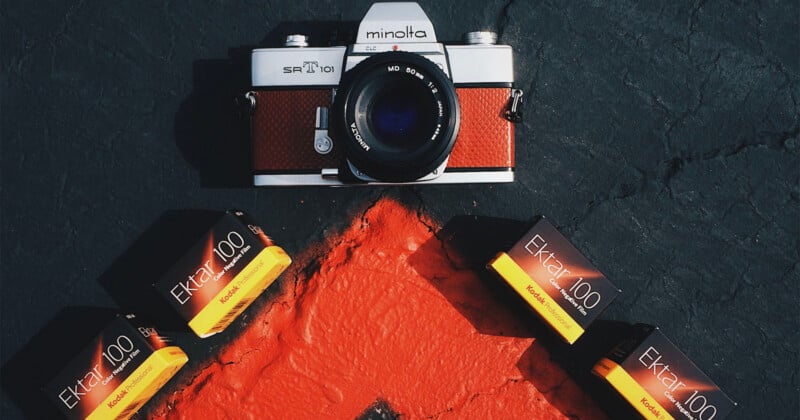
Welcome back to Film Friday. We’re featuring one of our heavy hitters this week with Kodak’s Ektar 100. Alongside the Portra films, Ektar is one of the most popular films on the market and definitely one of the most used color films out there. The film is well-known for its fine grain, vivid color saturation and poppy contrast.
But before we get into this film’s qualities, let us enjoy a little history. Long before Ektar was a Kodak film line, it was a line of lenses. Beginning in the 1930s, Kodak labeled their highest-quality, professional lenses as Ektar (acquiring the name by combining Eastman Kodak TessAR). You’d see Ektars show up on all sorts of cameras from Bantams to Retinas to large format cameras. The name continued to be used well into the 1960s and frequently was used to signal the best in optical technology that Eastman Kodak had to offer.
After Ektar was used to grace Kodak’s professional lenses, the name surfaced on a line of films in 1989. In fact, many of you reading this probably remember some of those original Ektar films. Even today we come across the occasional roll of Ektar 25 or Ektar 1000, but that line was discontinued in 1997.
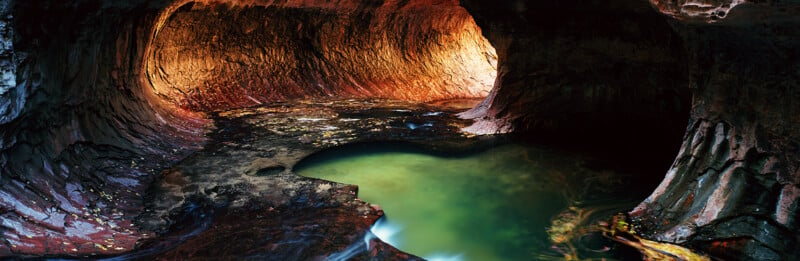 Captured on a Fujifilm G617 | Photo by Zeb Andrews
Finally, in September of 2008, Kodak announced the return of Ektar to their film line with Ektar 100. Originally only available in 135 format, Ektar in 120, 4×5, and 8×10 soon followed. It was a big deal when Kodak unveiled this new Ektar, and the hype has been justified. Kodak claimed that Ektar had the finest grain of any film on the market (very possibly true) as well as vivid color saturation. It was the film the company recommended film photographers switch to with the death of Kodachrome and became a color negative competitor to the rich colors of Fuji Velvia slide film.
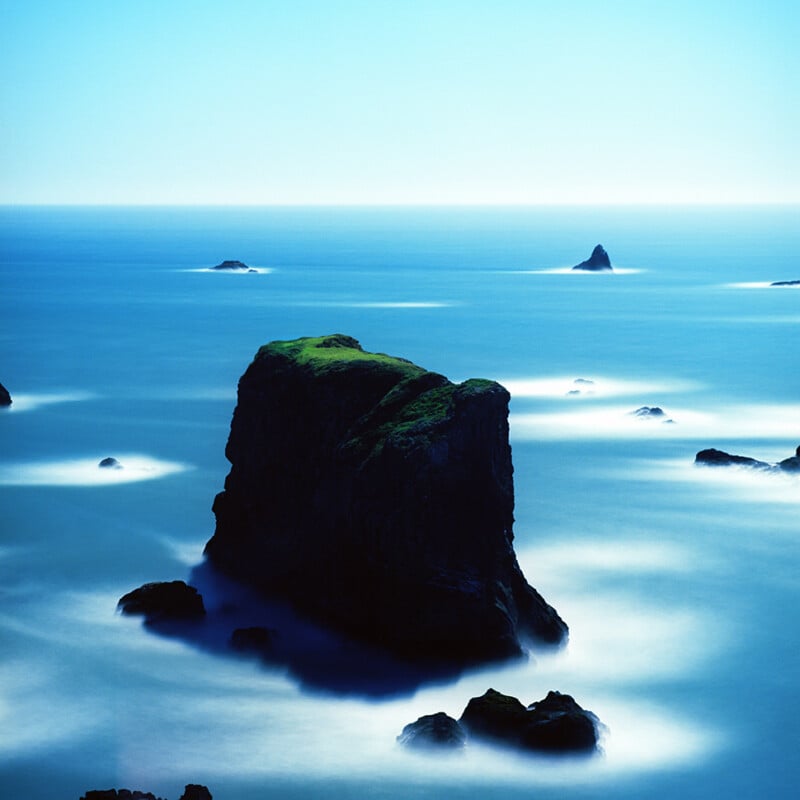 Captured on a Hasselblad 500C | Photo by Zeb Andrews
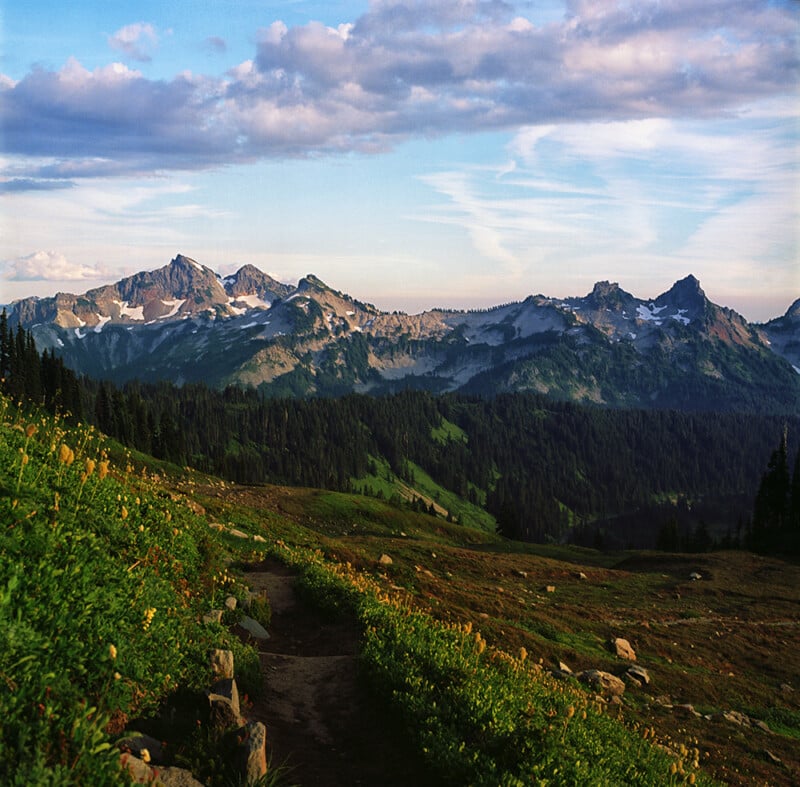 Captured on a Hasselblad 500C | Photo by Zeb Andrews
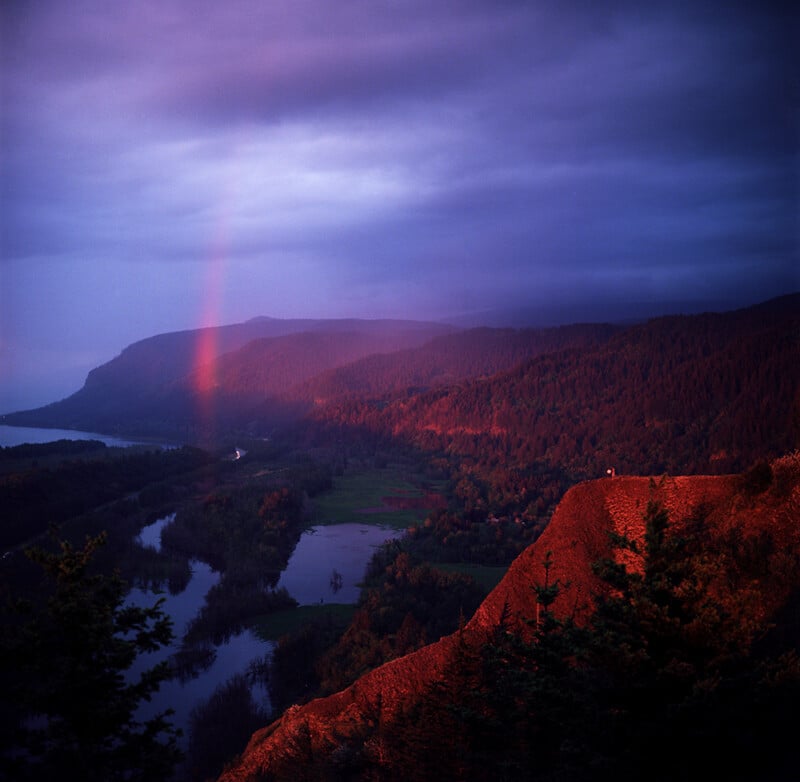 Captured on a Hasselblad 500C | Photo by Zeb Andrews
The thing we love best about Ektar is its color. It has bright, saturated colors and makes a nice counterpart to the softer, more muted colors of the Portra films. The landscape photographers on staff love Ektar for how vivid and punchy it is and we really cannot say enough about the color saturation of this film. With the scarcity of Fuji Velvia these past several years, Kodak Ektar 100 has become the go-to film for many film photographers seeking to create analog images with bright, saturated colors.
In addition to those bright colors, the other strength of Ektar is its fine grain. While we love grain and how it lends a photo texture, there is a time and place for grain, and sometimes you want a nice, smooth image without a lot of grit or grain – particularly as you start to make enlargements. We don’t get technical enough to have ever compared the grain of Ektar to Portra 160, or Velvia 50, because we can tell looking at Ektar images that it is fine grained. We were recently doing some camera scanning of a couple sheets of 4×5 Ektar 100 and even with the zoom magnification maxed out on the camera we could not see the grain of the film for focusing. That is how fine grained it is. It is also an exceedingly sharp film, which goes hand in hand with its fine grain. Shoot Ektar 100 in medium format or 4×5 and you will be able to make super huge prints with so much detail and little or no visible grain.
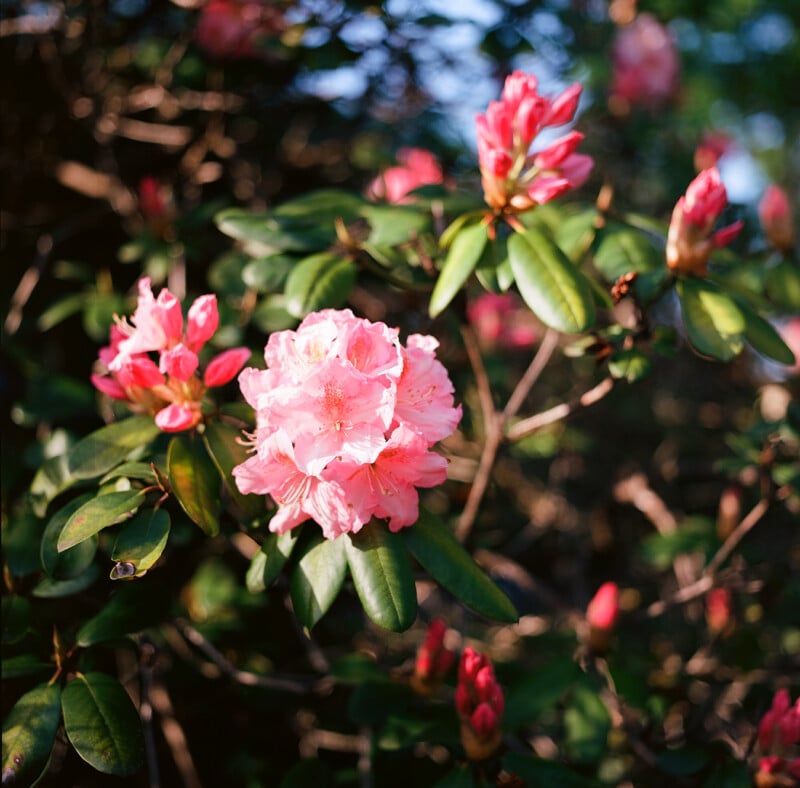 Captured on a Hasselblad 500C | Photo by Zeb Andrews
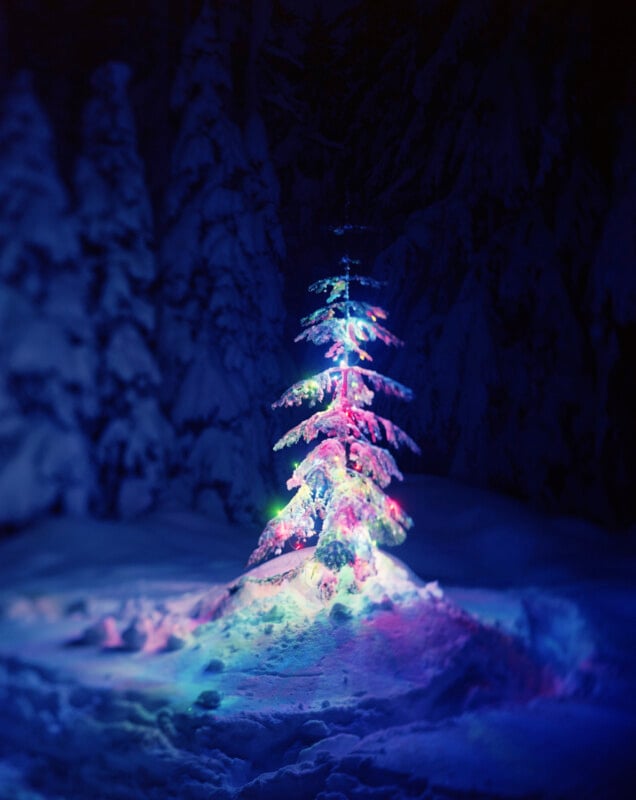 Captured on a Linhof Technicak IV | Photo by Zeb Andrews
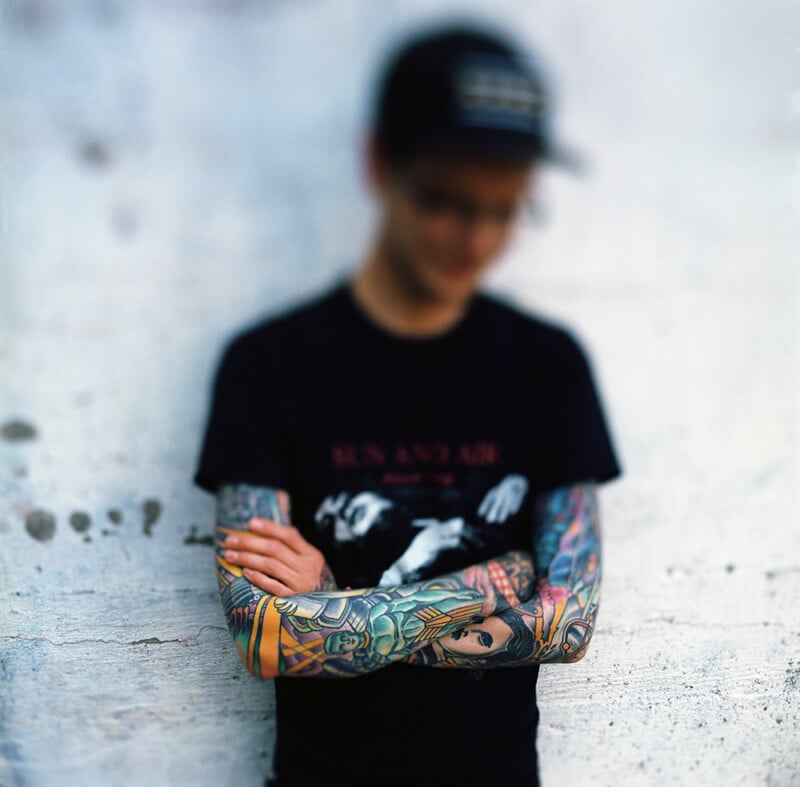 Captured on a Hasselblad Flexbody | Photo by Zeb Andrews
Ektar is more than just a one trick pony (or two if you count its fine grain). One of the other aspects we really appreciate about it is its low speed. Sure, perhaps we normally just think of film speed in relation to grain, but the speed of film informs the types of images we can make beyond how grainy they will be. For example, we sell a lot of Kodak Ektar to our pinhole customers and it is one of our favorite pinhole films as well. Think of it this way, it’s not like you are ever going to get that pinhole camera fast enough for near-instantaneous exposures, so you might as well embrace its long exposure nature and the best way to do that is with slow film. There are not many slow-speed color options on the market.
If you are a medium format photographer you can use the aforementioned Fuji Velvia 50, but that film also has notorious reciprocity failure both in terms of exposure and color (it tends to shift green after exposures of only a few seconds). There is also Kodak Portra 160 at 2/3rds of a stop faster, so that is not bad. There is CatLABS Color 100, aka Kodak Aerocolor IV, but its supply is hit and miss. There are more options on the 35mm side of things with Pro Image 100/Kodacolor 100 now widely available. Lomography also markets a who-knows-which-old-Kodak-film-this-is ISO 100 film. But the reality is, there are not a whole lot of slow speed color options out there. And this can be a big deal not just for pinhole photographers, but those who favor long exposures via ND filters as well. If your goal is to go long, it is a good idea to go slow, and Ektar fits that bill quite well.
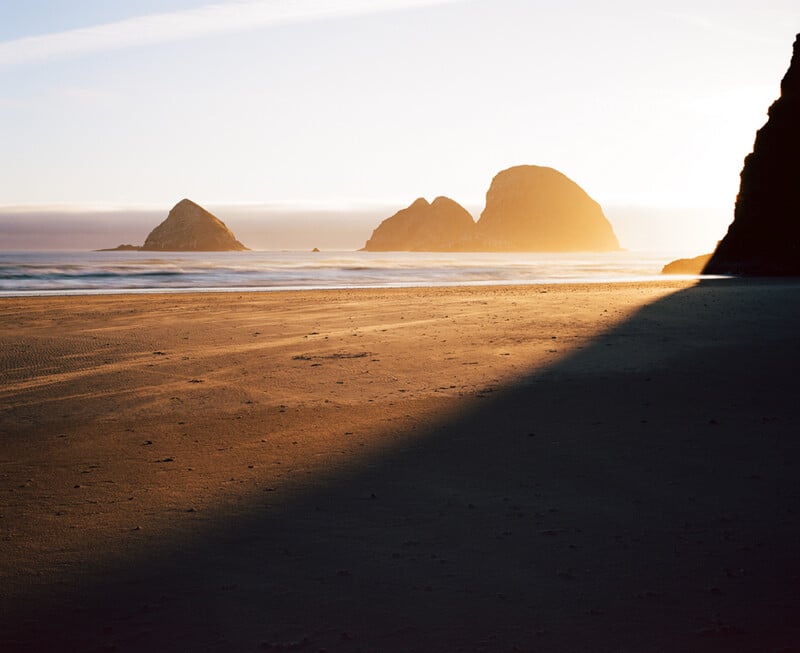 Captured on a Pentax 67 | Photo by Zeb Andrews
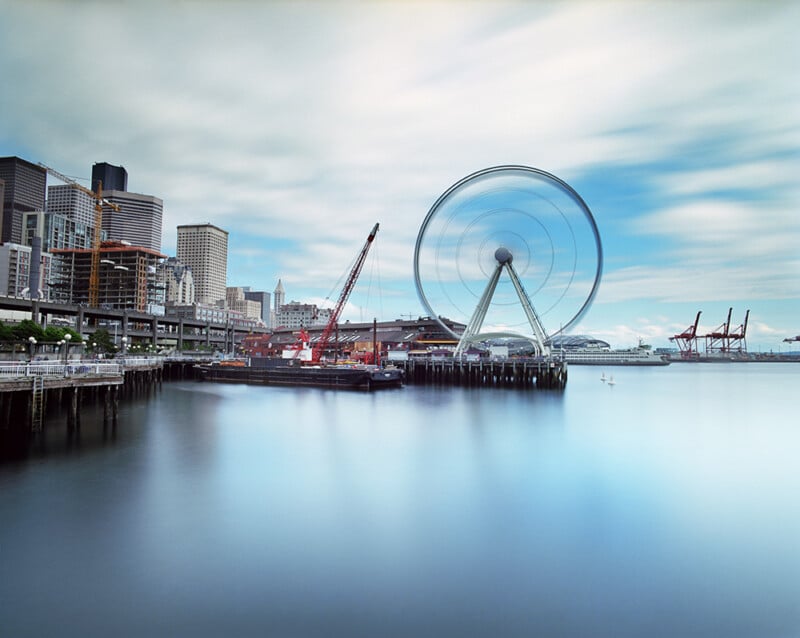 Captured on a Pentax 67 | Photo by Zeb Andrews
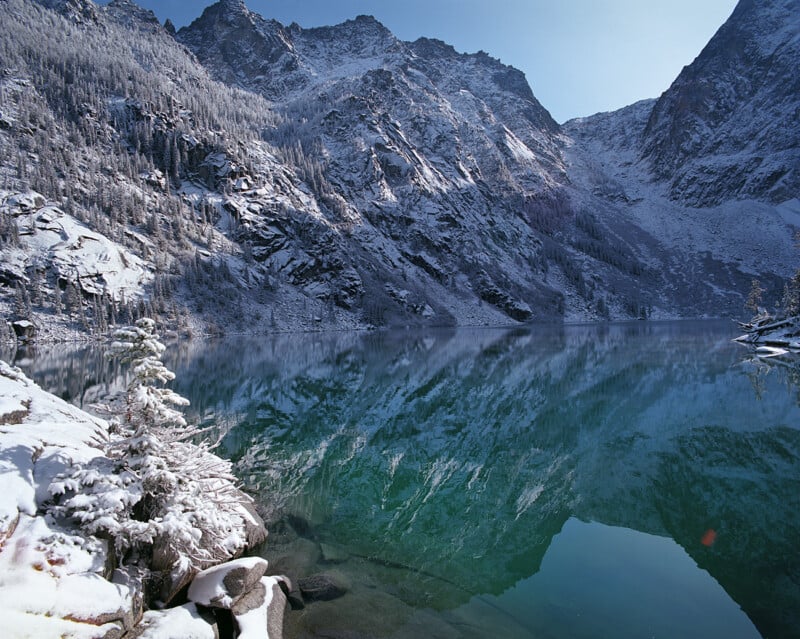 Captured on a Pentax 67 | Photo by Zeb Andrews
In regard to reciprocity failure, our experience with Ektar has been pretty good. Kodak’s data sheet for the film suggests not accounting for reciprocity for any exposures up to 1 second, but even after that correction is pretty minimal up to 10 seconds or so. By the time you get up to 30 second exposures, you ought to be giving the film an extra stop though, meaning that metered 30 second exposure ought to really be about a minute.
The vivid saturation of Kodak Ektar is not ideal for every circumstance though. It can run a bit roughshod with skin tones. While we have seen lots of great portraits made on Ektar, it also has a tendency to make skin tones look too saturated or ruddy. Nonetheless, we would not tell you to avoid Ektar for portraiture, just try to match it up with portrait shoots where that saturation will be a benefit and not a shortcoming. If you are working with someone who has bright hair, or bright blue eyes for example, then we could see Ektar really making these elements stand out. Environmental portraiture with popping colors would be another potential use for Ektar 100 and its saturation within the realm of portrait photography.
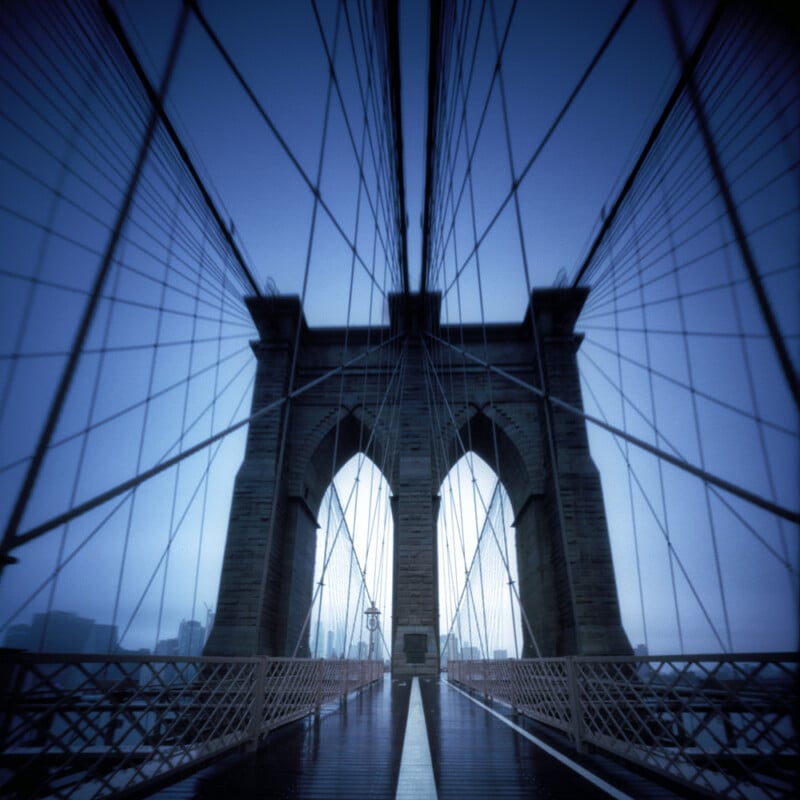
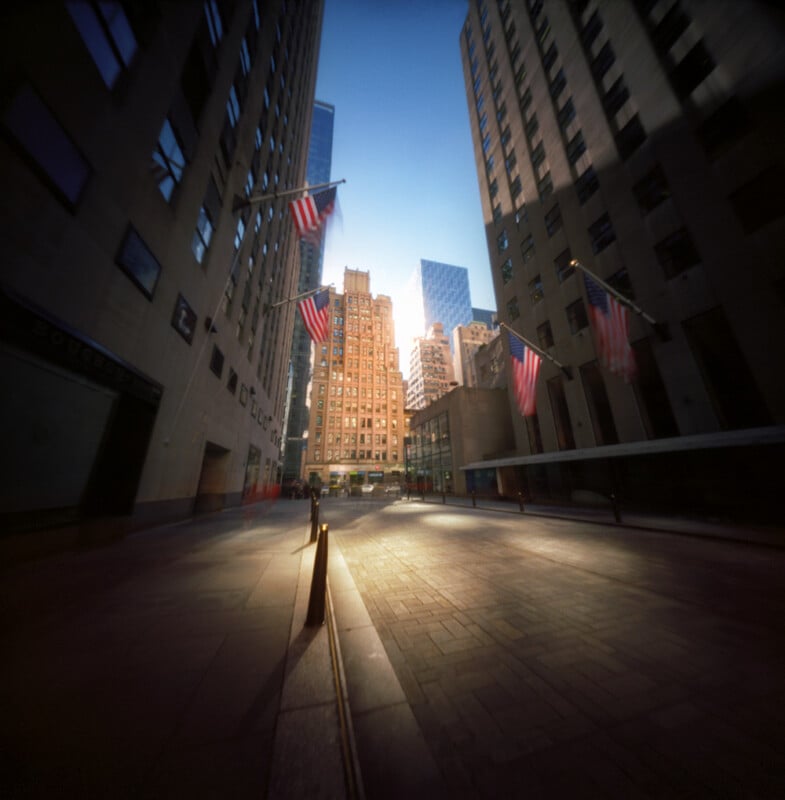 Captured on a Zero Image Pinhole | Photo by Zeb Andrews
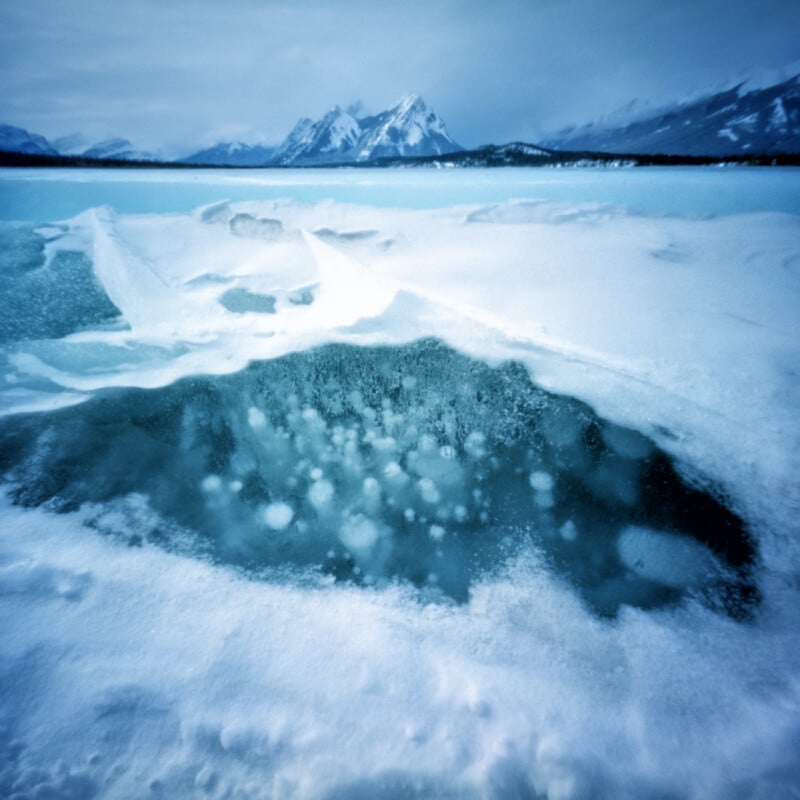
 Captured on a Zero Image Pinhole | Photo by Zeb Andrews
 Captured on a Zero Image Pinhole | Photo by Zeb Andrews
In our opinion, every color film photographer should try Ektar at least once – for if you do, odds are you will be using it a lot after that first roll. It’s a great film and we hope it remains a staple in our bags for a long time. Whether you are a landscape photographer, traveling somewhere vibrant, looking to do big enlargements with fine grain, or love long exposures, Ektar will give you the results you want.
Here’s a recap of what we love about it:
- The color. There isn’t a color negative film like it. While Fuji Velvia continues to be the king of color saturation, Ektar is not far behind.
- The slow speed. Especially when wanting to work with long exposures it is nice to have a film that isn’t working against you in terms of its speed.
- Fine grain and excellent sharpness. It enlarges beautifully.
- It’s available in 35mm, 120 and sheet film! That’s a big deal.
With fall colors just around the corner, you are going to want to stock up on Ektar 100. It really shines with autumn landscapes. Trust us. Stop by our Portland, Oregon shop today or hit our site and we will have Kodak Ektar 100 on sale to help incentivize you grabbing a few rolls for you camera bag.
This story is brought to you by Blue Moon Camera and Machine in Portland, OR. Blue Moon offers film, development services, printing, and even an ever-rotating line of film cameras and lenses. PetaPixel Members receive 10% off all lab services with Blue Moon: Join today!
Image creditsAll photos are individually credited and provided courtesy of Blue Moon Camera and Machine.
Affiliate Disclosure PetaPixel articles may include affiliate links; we may earn a commission if you buy through one.







 English (US) ·