

Published Feb 11, 2026, 9:47 PM EST
Ryan is a lifestyle and culture journalist born and raised in the Philippines. He primarily covers film, television, music, and all things pop culture. Beyond writing, you can find him buried in thriller novels or off exploring the world on occasion. He deeply romanticizes a slow, peaceful life — even though he’s almost always drowning in deadlines (insert skull emoji here).
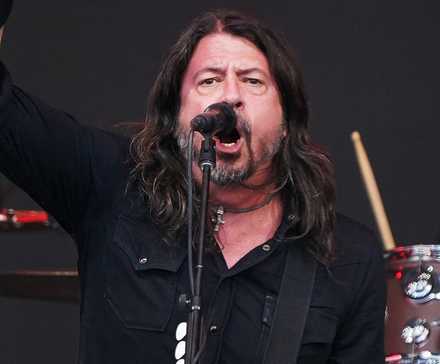
People often associate the Foo Fighters with arena rock anthems, explosive sound, and high-energy performances. Songs like “Everlong” and “All My Life” have come to define the band’s signature sound. And it’s quite easy to determine where they got their inspiration, as they were inspired by a number of renowned rock bands that preceded them. Not to mention Grohl himself is the former drummer of Nirvana — one of the greatest grunge bands in history, no less. But there was a time when the American rock band leaned into a softer, more melodic sound after listening to too much Fleetwood Mac. That song turned out to be “Ain’t It the Life,” arguably one of their most subdued (and beautiful) songs in their otherwise more hard-rock-driven discography.
"Ain’t It the Life" Showcases a Different Side of the Foo Fighters
The Foo Fighters have never been considered a folk rock band; they are often primarily classified as an alternative rock and post-grunge act. But when Grohl ultimately focused on his project with Foo Fighters, it became clear that he had acquired more creative freedom to experiment. At some point in his career, he also developed an interest in the 1970s music, especially Fleetwood Mac — an influence he playfully acknowledged when writing “Ain’t It the Life." In retrospect, the two bands differ significantly in both sound and overall aesthetic. While Fleetwood Mac embraced smooth and melodic arrangements typical of 1970s soft rock/folk rock, Foo Fighters built their reputation on explosive riffs and driving rhythms that define their alternative rock identity. Weirdly, Grohl himself was not, in any way, a diehard fan of that specific sound. Explaining how the song came about, the Foo Fighters frontman said:
“That’s what happens when you listen to too much mellow ’70s gold Fleetwood Mac-type stuff while recording… 'Ain’t it the Life' sounds like an Eagles song or something, and I hate the Eagles.”
From the Foo Fighters’ third studio album, There Is Nothing Left to Lose, “Ain’t It the Life” stands out with its calm and tender tone. There’s no denying that this exploration beyond their usual style paid off, as “Ain’t It the Life” stands as one of their most sonically distinct tracks, channeling acoustic and laid‑back elements rarely heard in their catalog. The song opens with a gentle sound, immediately setting a mood that signals it is a track different from their usual. Its influence can also be heard, coming off as a nod to Fleetwood Mac’s "Dreams," yet, somehow, still with Foo Fighters' signature style. The soft, almost conversational tone also allows Grohl’s voice to take center stage. Interestingly enough, it suits Grohl’s voice perfectly, showcasing a more relaxed vocal delivery than the band’s typical high-energy numbers.
Related
Foo Fighters' 'There Is Nothing Left To Lose' Is a Great Album in Itself
Coming on the heels of Foo Fighters’ most commercially and critically successful album to date, The Colour and the Shape (the same album that features hit tracks like “My Hero,” “Everlong,” and “Walking After You”), There Is Nothing Left to Lose was kind of a risk, as with the success of their sophomore effort they had so much more to lose when it came to meeting fan and critical expectations. However, it was also an album where the band felt like all bets were off, following the departure of guitarist Franz Stahl — hence the album title. Grohl explained: "It's about when you experience these emotions after you've been through a long, difficult period and you finally give into this feeling that, quite simply, there is nothing left to lose. It can seem... positive, desperate and reckless."
Released in 1999, There Is Nothing Left to Lose received generally positive reviews, with critics at the time praising the record for stripping down the Foo Fighters a bit. Overall, critics appreciated how Foo Fighters managed to evolve their sound without losing their identity, with the album often described as a mature, introspective effort for the band. And while songs like “Learn to Fly” and “Breakout” were some of the clear standouts, “Ain’t It the Life” provided a softer moment on the album, reflecting the band’s willingness to explore a more melodic and nuanced sound. Truly a remarkable addition to the Foo Fighters’ discography — let’s just say, thanks, Fleetwood Mac.








 English (US) ·