
Serving tech enthusiasts for over 25 years.
TechSpot means tech analysis and advice you can trust.
First look: A fake town in Huntsville, Alabama, is being used to study how cyberattacks unfold in the real world, down to individual homes, vehicles, and critical infrastructure such as hospitals and power systems. The facility, built by the FBI and known as the Cyber Range, spans roughly 22,000 square feet and includes many of the features found in a small town: a gas station, a hospital, a convenience store, and several fully furnished homes.
At first glance, the Cyber Range looks like a stage set for traditional, in-person training drills. In reality, nearly everything inside is wired so the systems behave like they would in an actual community network, which is the whole point of the build.
The bureau opened the site last year, but only recently offered a closer look at how it operates through a newly released video. What stands out in the footage is not just the scale of the facility, but how tightly everything is interconnected. This is not a collection of isolated test environments. Instead, it functions as a single, integrated ecosystem.

That design reflects how cyber incidents unfold in the real world. Attacks rarely remain confined to a single system. They move across networks, often exploiting weak points in unexpected places. A compromised home device, for example, can become the entry point for a much larger breach. The Cyber Range is designed to replicate those kinds of attack paths.
Inside the facility, everything from home networks to enterprise systems can be targeted. Trainees and investigators run simulations involving vehicle infotainment systems, hospital IT infrastructure, and corporate security environments. The goal is to observe what happens after an attack gains access and how it spreads from one connected system to another.
The setup includes a compact data center with more than 200 servers. These machines are used to run simulations, host malware, and track how different types of attacks evolve over time. Researchers can observe how quickly a threat moves and what kinds of vulnerabilities it exploits along the way.
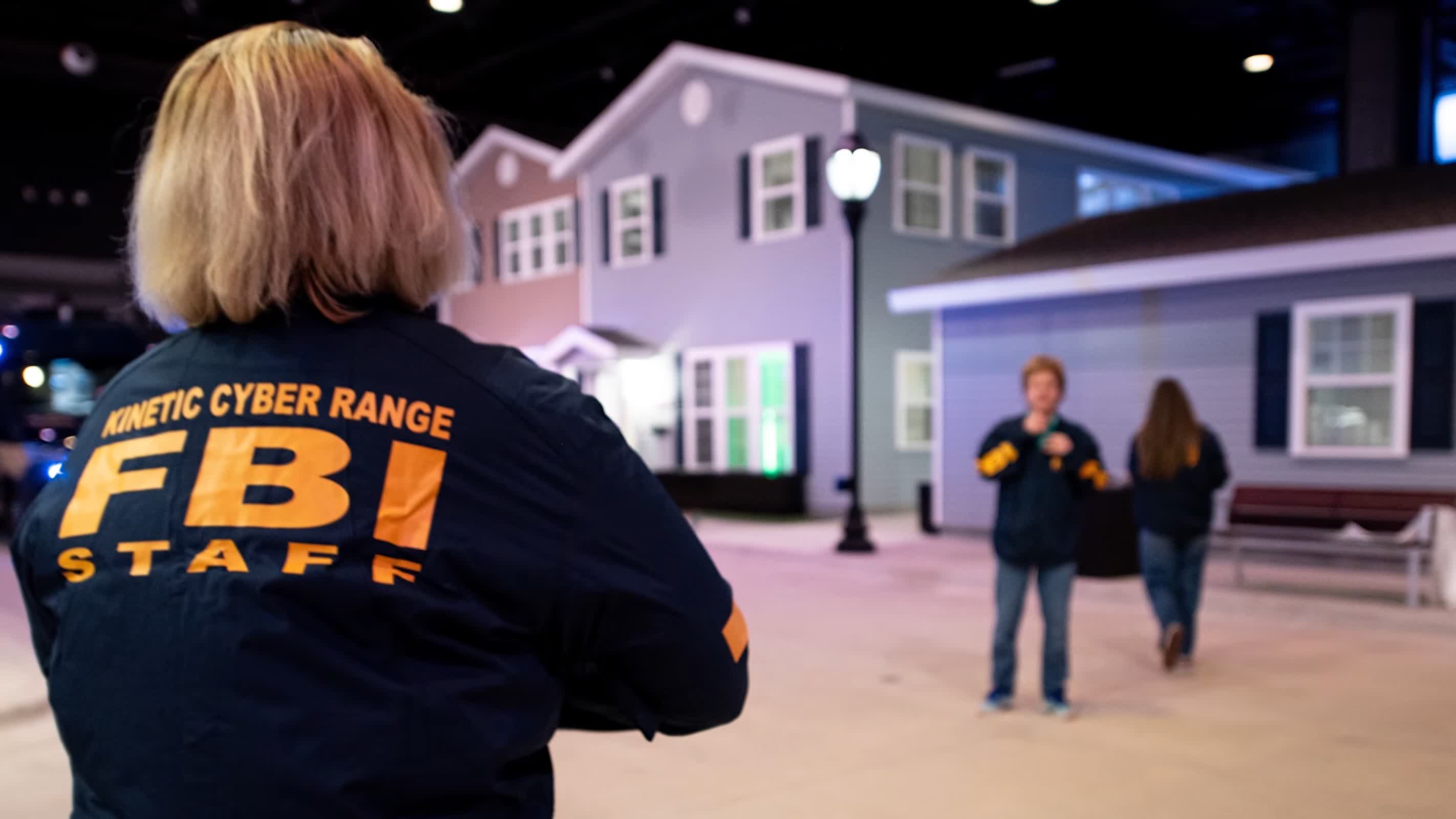
One of the Cyber Range's most important features is its complete isolation. None of the systems is connected to the outside world. That separation allows the FBI to conduct aggressive or experimental scenarios without risking anything escaping the environment. Given the sophistication of modern malware, containment is essential.
The scenarios being tested extend beyond standard cybersecurity exercises. Participants might examine how an attack disrupts a hospital network or how malicious code introduced into one system could affect a broader power grid. In some cases, the focus shifts to forensics, understanding what happened after an attack and how investigators can trace it back to its source.
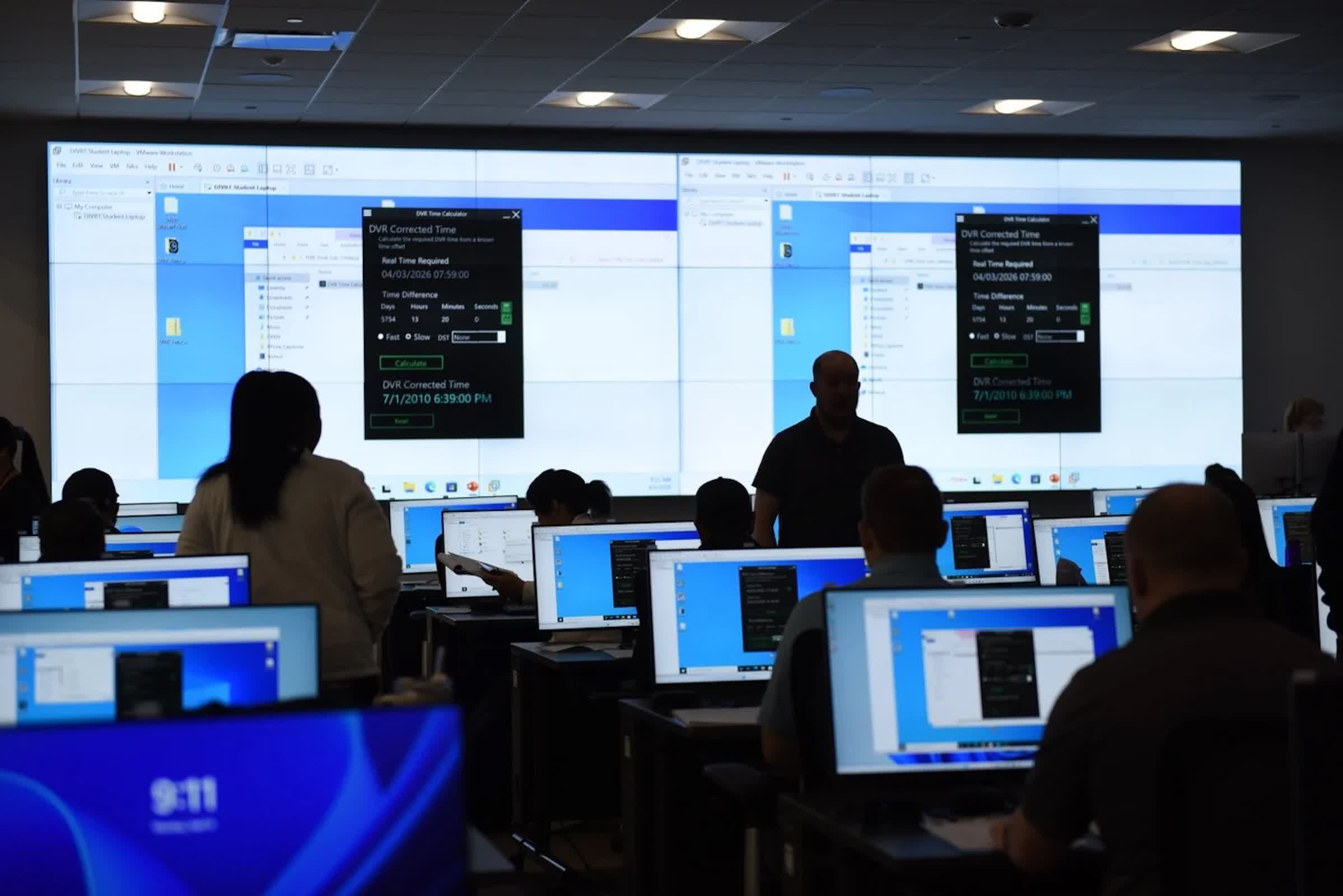
The setup has drawn comparisons to Hogan's Alley, the FBI's long-running mock town used for physical training. However, the Cyber Range is built for a different kind of threat landscape, one in which digital systems are deeply intertwined with physical infrastructure.
What the facility ultimately provides is a way to test assumptions in a space where failure is safe. In live environments, there are limits to what can be done. Here, systems can be intentionally compromised, defenses can be stress-tested, and the fallout can be studied in detail.
As more devices and services come online, the number of potential attack surfaces continues to grow. Understanding how these systems connect, and how those connections can be exploited, requires more than theory. It requires a place where those interactions can be recreated and examined without real-world consequences.






 English (US) ·