
 1 hour ago
6
1 hour ago
6
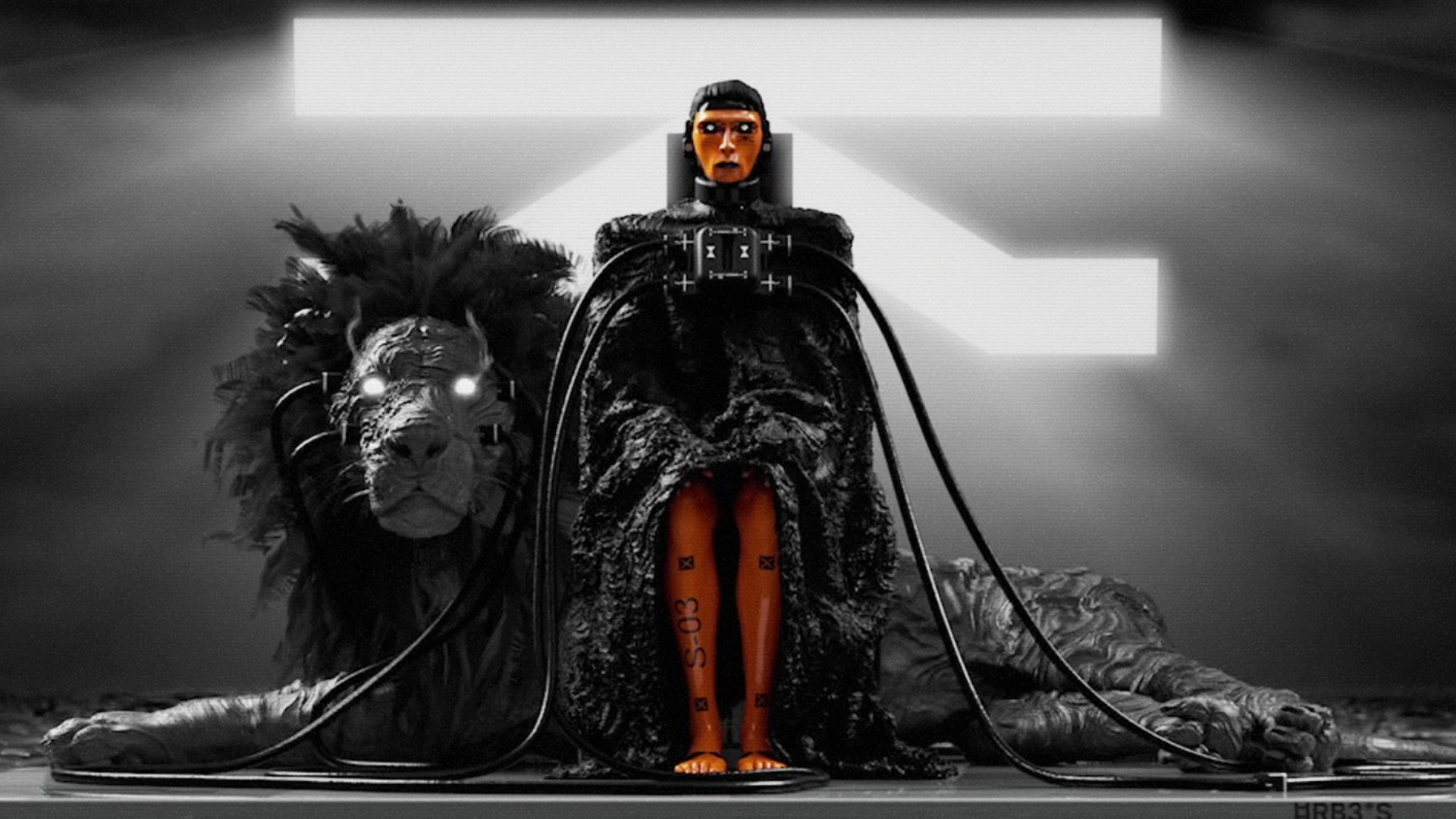
We named Caves of Qud our best roguelike of 2024 based on the merits of its singular atmosphere, arresting procedural systems, and the fact that you can play as a psionic, railgun-wielding bird-ape infected with a sentient fungus. You can imagine, then, how thrilled we were to learn that Qud's co-creators, Brian Bucklew and Jason Grinblat, revealed on Bluesky last week that they'd had "the real privilege" of working with Bungie as narrative preproduction consultants during the development of Marathon.
Given Marathon's similarly unabashed indulgence in its unique aesthetic and setting, knowing the Qud creators got a hand on the ball makes a certain amount of sense—particularly when looting a fresh container of Tick Milk. In an interview with PC Gamer, Bucklew said the relationship with Bungie emerged from being "friends with a few people inside," but insisted the Qud creators can't claim direct responsibility for much of what Marathon players see on-screen.
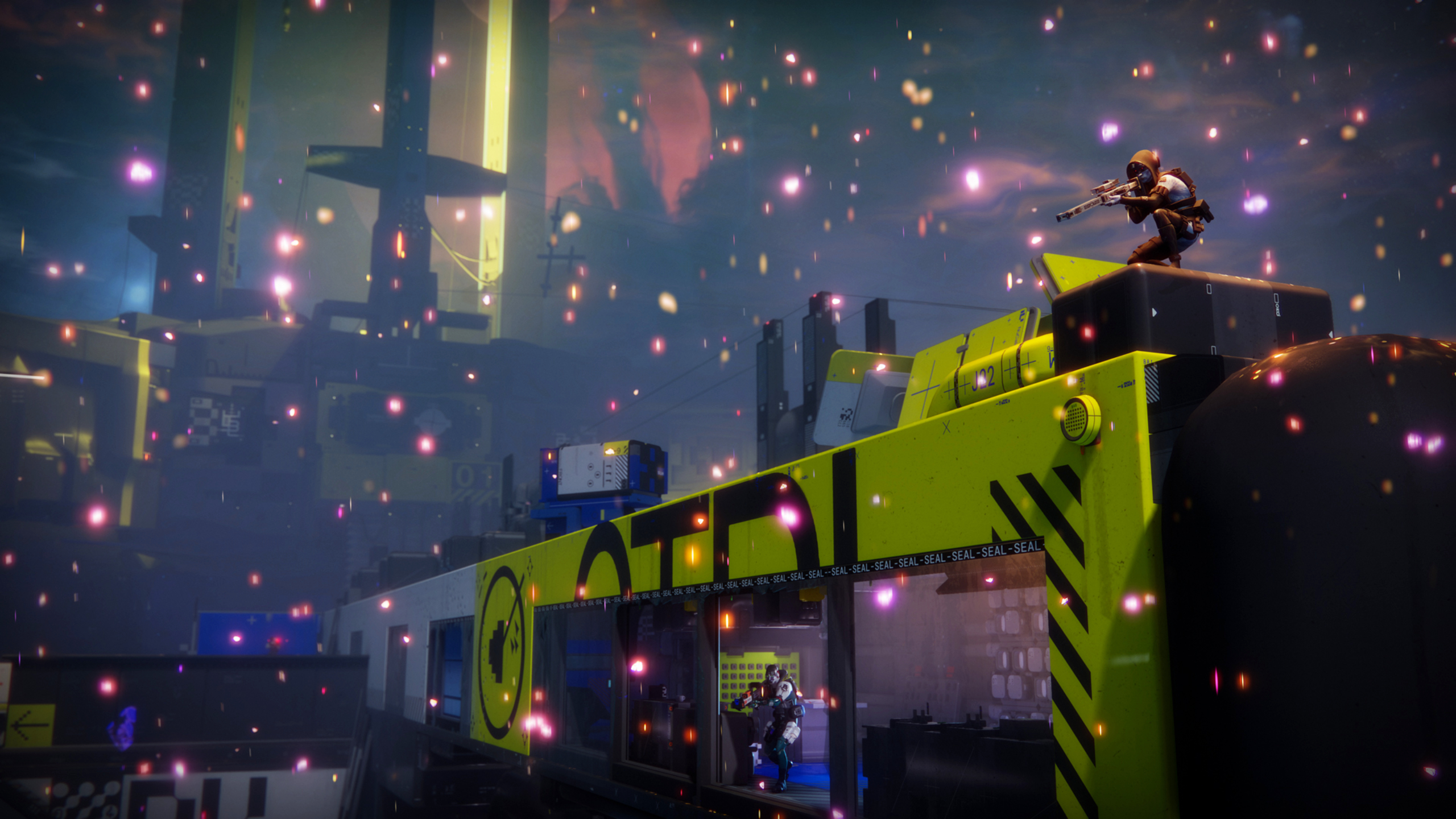
"I'm not taking credit for anything that's in the game, other than we got to sit there in the room and throw completely absurd ideas at the wall and have them say, 'Wow, that is a crazy idea,'" said Bucklew, who in a previous interview with PC Gamer said the ideal form of life is a limbless sphere because we have only wielded our appendages towards ungodly ends. "But it was a really fun role."
Article continues below
Bucklew said the Qud co-creators can recognize "a lot of what we did in the game, but in a very diffuse way." If their influence remains in the Marathon we're playing now, it was in helping to refine the tonal palette for Bungie to paint with in its narrative and worldbuilding.
"It's all the Bungie team doing the work, and at best, I was advocating for the game I wanted Marathon to be. I was more like a player going, 'I really wish the narrative was like this. That would be amazing,'" Bucklew said. "It's sort of the narrative version of the PvP streamer playtester."
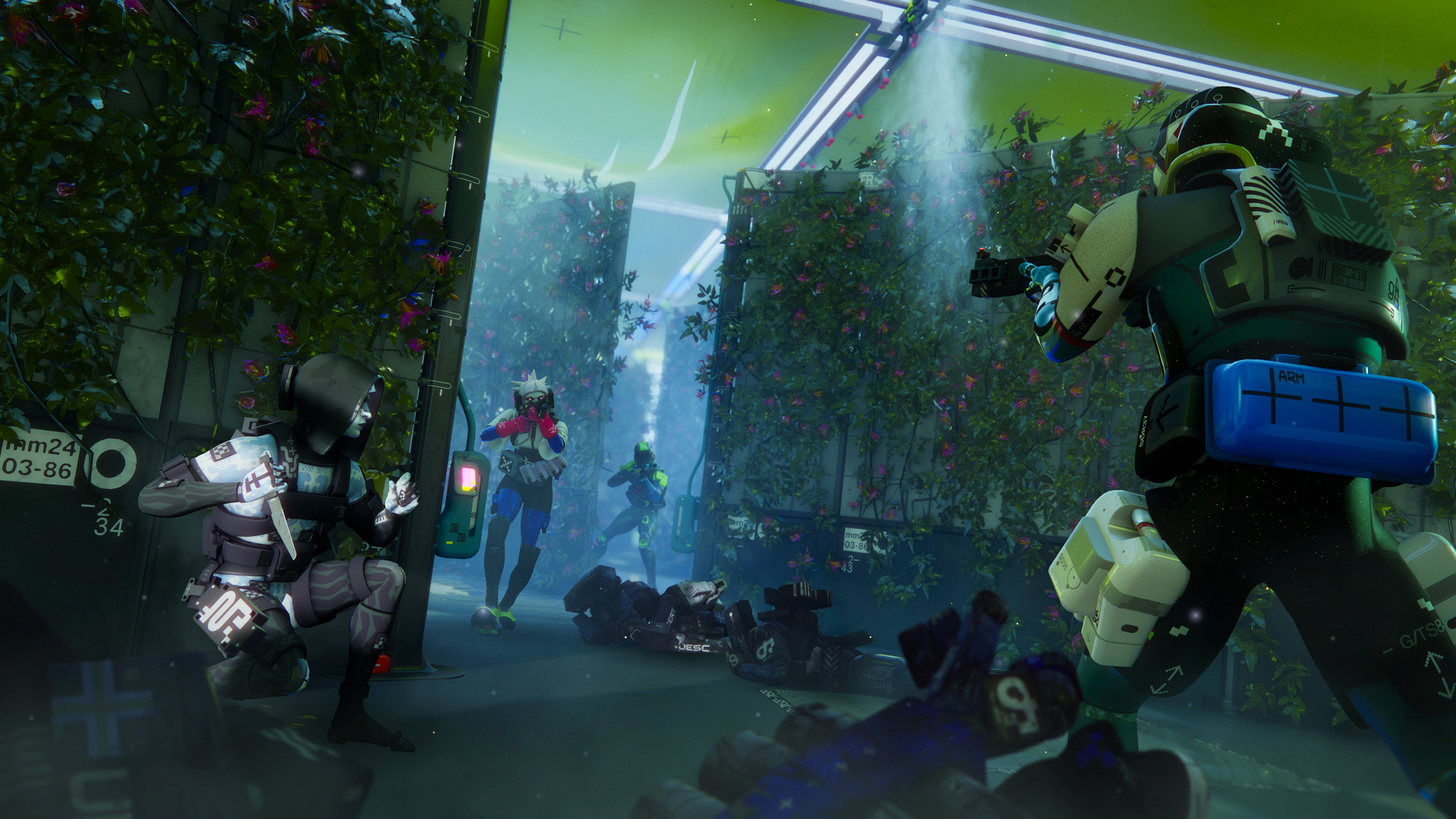
Even if Bucklew and Grinblat might not be able to point at specific nouns and factions that they personally provided, when Bucklew calls their work as Marathon narrative consultants a "real privilege," it's because the Qud creators got to contribute to the creative vocabulary that's made Bungie's worlds so compelling for decades.
Take Destiny, for example—a series Bucklew has spent 2,000 hours with, less for the gameplay itself and more because of the thought Bungie invested in its world, setting, and symbology. Those elements all inform and influence the player's experience even when not visible on-screen.
"The actual game was fine. There's a lot to love about it. But they built it on such a strong semantic and worldbuilding foundation that has so much thought put into it. Even though the lore is often in codices and out of the way of the main gameplay loop for all kinds of commercial reasons, I feel like it informs everything," Bucklew said. "You can't help but have that underlying rich semiotics affect everything that happens, both as the designer in the game and also the player. It binds everything that makes the world feel real, even if it's not in your face."
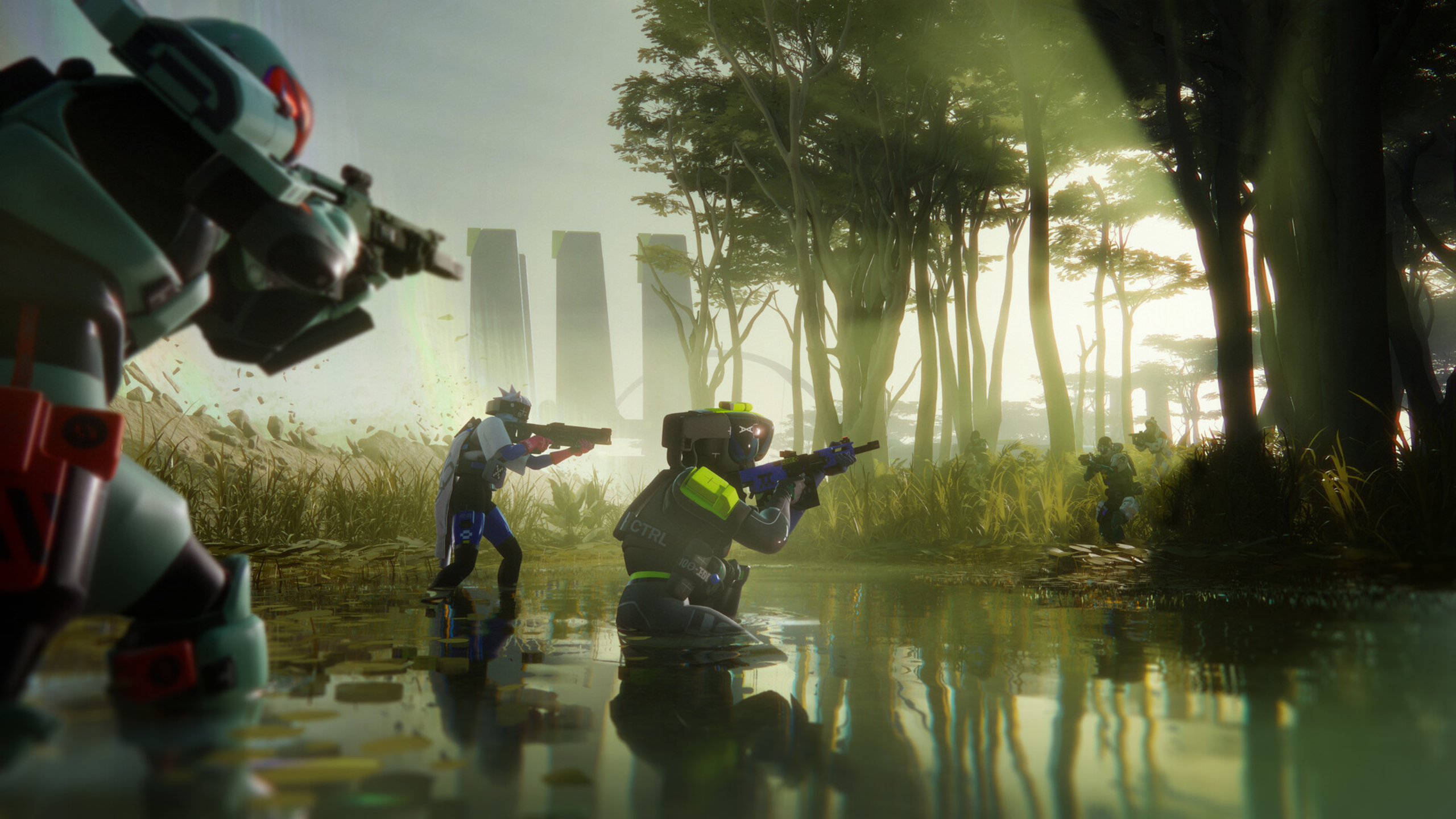
Even when those elements are invisible, they're still able to contribute to a unifying sense of setting that enriches the hours of popping Eliksni heads. Bucklew says that's what made Banshee-44 more than just a robot Destiny players bought guns from; Bungie was able to communicate a sense of the character's history and position in the setting long before that history was ever spelled out. It's a fascination with atmosphere that Caves of Qud shares—and, unsurprisingly, it permeates Marathon's extraction runs, too.
Marathon's codex, though detached from the main PvPvE matches, feels more like a main character than Bungie's past work: It's immense, packed with detail and saturated with the same sense of just-glimpsed sinister mystery that haunts the maps of Tau Ceti IV.
"Those things really matter, even when it's not something you're reading but something you're osmosing. You feel it the second you land in the zone," Bucklew said. "You're like, 'This is rad.' And I think a lot of that is that foundation it's sitting on that you don't see."






 English (US) ·