
Contains spoilers for The Boys finale episode and the original comics.The story of Butcher, Hughie, Starlight and Homelander just came to an end, as The Boys' finale kills off several major characters and at least one game-changing twist.
However, not everyone was happy with The Boys' conclusion, with many calling out the show - from Homelander's death to Butcher's villain turn to the show seemingly wasting time setting up its latest spin-off.

One surprise voice critiquing the conclusion is franchise co-creator Garth Ennis, who called one element "the worst idea in history" a full... seven years before it aired?!
How The Boys Just Killed Off Homelander

The Boys' final episode, 'Blood and Bone,' is built around two major confrontations. First, Butcher, Kimiko and Ryan take on Homelander, depowering the Supe and doling out the gory, humiliating death he's had coming since the show began.
Having been granted the ability to remove a Supes' powers via radiation, Kimiko strips Homelander of his strength, speed, invulnerability and heat vision, with Ryan stopping his 'surrogate father' from fleeing. Butcher performs the coup de grâce with a crowbar, and the characters proceed to their happy ending... or not so much.
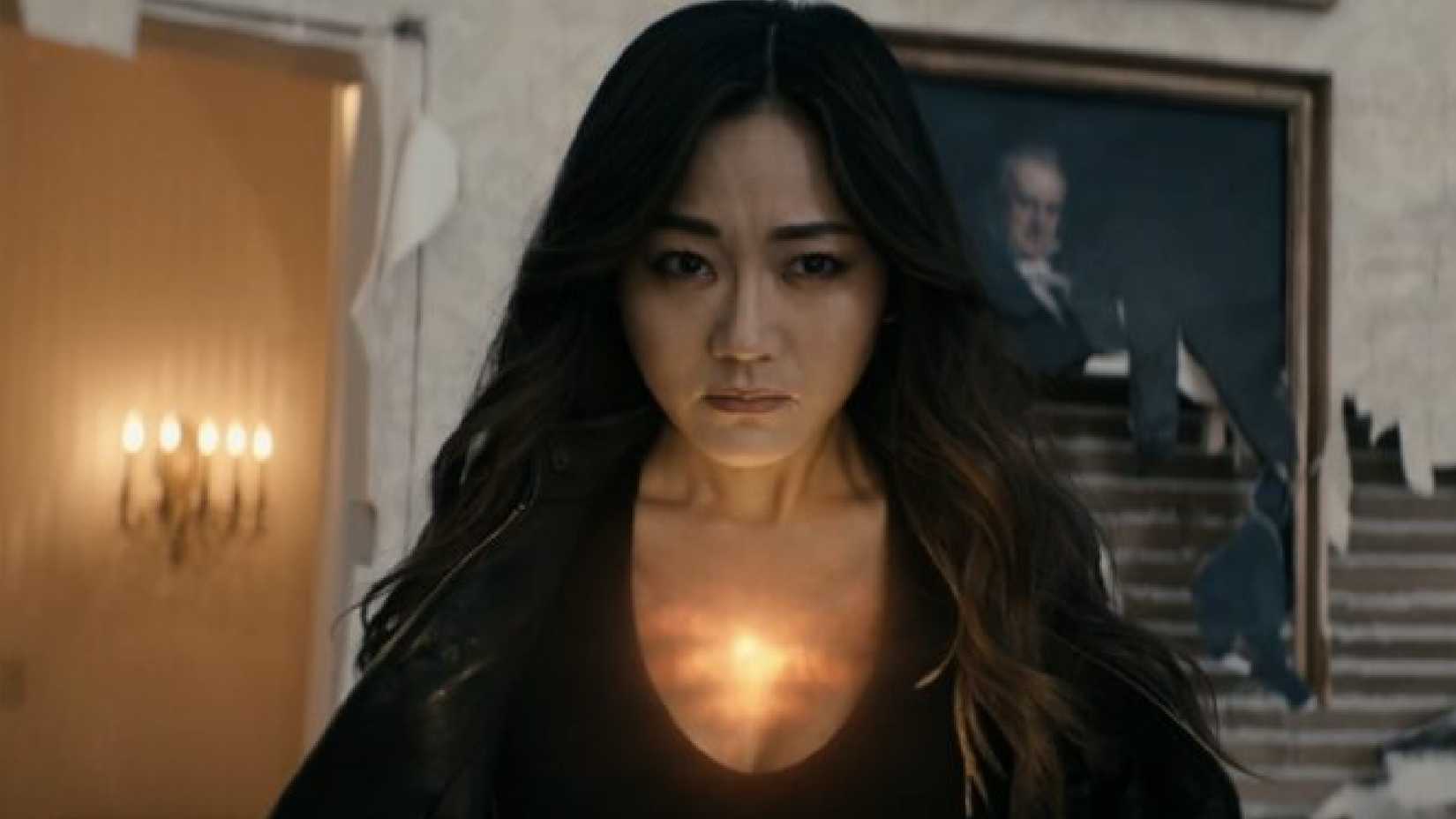
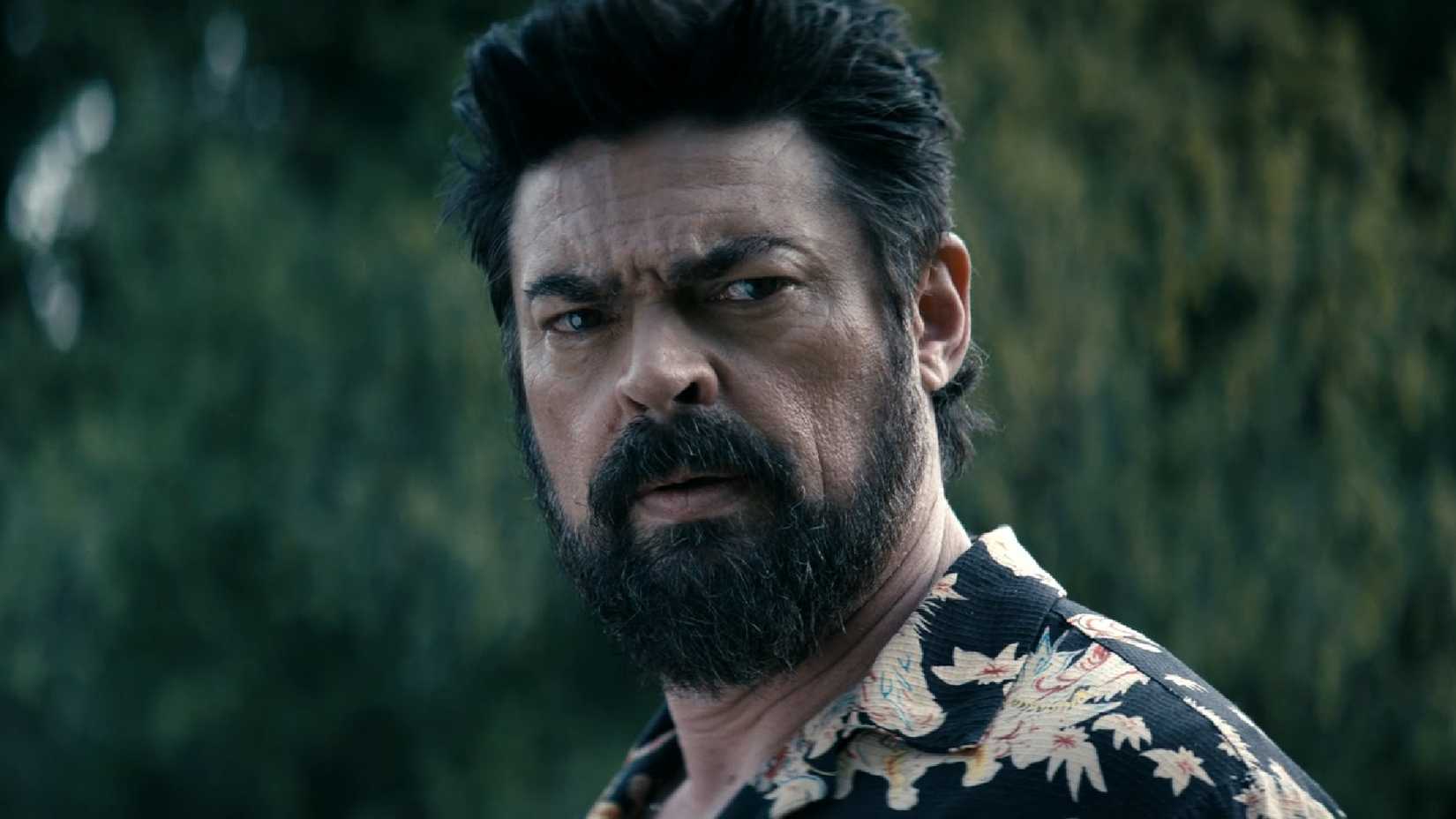
Spurned by Ryan and losing hope for the future, Butcher decides to slaughter every Supe in the world. His attempts lead to a confrontation with Hughie, who is able to kill his former mentor thanks to their relationship inspiring memories of Butcher's brother.
A few more twists and turns follow, the show seemingly sets up some plot points for upcoming prequel series Vought Rising, and that's a wrap. So exactly what part of this episode did the franchise's co-creator hate before the show had even begun airing?
Why The Boys' Creator Slammed Depowering Supes

Every fan of The Boys knows the franchise started out with Garth Ennis and Darick Robertson's comic. While the show deviated from large parts of the graphic novel narrative, the finale essentially brought each character back to their original ending. What's surprising, however, is that the show also hinged its ending on a rejected part of the comic's original pitch.
In 2019, Dynamite released a new collection of The Boys in omnibus form, including a slew of extras. One such extra was Ennis' original pitch for the series, annotated in hindsight of where the series actually went. The biggest dropped idea was that Butcher's team would have the ability to depower Supes:
Only when all five of the Boys are together can they employ their real power, however. A by-product of the serum, it allows them - by combined concentration - to switch off superpowers. The five simply surround the target, focus their thoughts, and he or she is instantly rendered no more powerful than an average human being. Magic rings don't work. Speedsters can run no faster than you or I. And Gods are mere mortals.
Ennis quickly regretted the idea and didn't use it in the actual comic, instead simply empowering Butcher's crew with mild superpowers that made them strong enough to beat down the average Supe, but nowhere near strong enough to actually finish Homelander.
In his annotations, Ennis criticizes the idea of having The Boys depower Supes in the strongest possible terms, writing:
**** me rigid. What next, stand in a circle and shoot beams of love from their eyes?
Jesus!
The worst idea in history notwithstanding, what I realized early on was that action in The Boys shouldn't involve "powers," as such: it should be about the kind of violence that occurs outside bars at 2 am, where the victim is surrounded and overwhelmed by individuals intent on his destruction. In other words, totally unfair and highly effective.
Ultimately, not only did the TV adaptation bring back the idea of The Boys depowering Supes, but Kimiko literally does so with a beam of light. It seems that what Ennis considered "the worst idea in history," The Boys' showrunner Eric Kripke thought was the show's best chance at a satisfying ending.
How The Boys' Comic Ending Differed from the TV Show

So if the comic Boys don't depower Homelander, how does the comic end? As mentioned earlier, broadly in the same place. The big difference is that in the comics, Black Noir is revealed to be a clone of Homelander, programmed to kill him if he ever makes a move against Vought.
Driven mad by being unable to complete his mission, Black Noir manipulates events to push Homelander over the edge. When Homelander launches his coup of the US, Black Noir kills him in the Oval Office, but is hurt badly enough that (following some heavy arms fire from the army), Butcher is able to finish him off with a crowbar, avenging his wife.

Homelander's comic death is even more disrespectful than in the show, revealing that he's not even the 'big bad' of the story. Indeed, his entire descent into villainy was a side-effect of someone else's plans. He doesn't get the honor of a final fight scene - he gets torn apart while having a temper tantrum.
Without Ryan in the story, Butcher moves into what was always his endgame - killing all Supes on the planet thanks to a plan going back to his early days with the team. To accomplish that, he kills everyone on The Boys, with only Hughie left alive. Hughie stops Butcher not by gunning him down, but by accidentally falling out of the Empire State Building while trying to fight him, with Butcher essentially sacrificing himself on instinct to save his 'little brother.'

Ultimately, the comic's biggest theme is the interaction between decency and competence, with the narrative arguing that either without the other is pointless at best and dangerous at worst.
Was Garth Ennis Right About The Boys' Ending?
Given all that, and Ennis' criticism of an idea that Kripke embraced, is the comic ending actually better than the show? Was the show wrong to introduce the idea of depowering Supes, and to build its finale around stripping Homelander of his powers?
Ultimately, despite their connections and similar endings, The Boys comic and The Boys TV show are doing different things. The comics were a scathing attack on superhero media that genuinely loathed their target. Negating superpower is something that's common in actual superhero media, so it didn't have a place in a story that disdains everything 'superhero.'

In contrast, the TV adaptation is less interested in satirizing superhero media itself, and more interested in using the familiar aesthetic as a lens to target celebrity culture, politics and corporate malfeasance. In that context, Kimiko's anti-superpower superpower works just fine, since it doesn't clash with the show's core themes.
Homelander Is One of the Biggest TV/Comic Differences in The Boys
 Custom Image by Robert Wood
Finally, there's the matter of Homelander himself. In the comics, Homelander is both less sympathetic and less menacing. While he's physically dangerous, he's also a foolish, petty person with the mentality of a teenage bully.
In the TV adaptation, Antony Starr depicted Homelander as a more compelling villain, with the show exploring his twisted origin and personal neuroses in more depth. The removal of the Black Noir twist also left him as the true 'big bad' of the story.
While it made sense to kill Homelander off as an afterthough in the comics, Antony Starr's version of the villain is far more compelling, and it would have been a major anticlimax to treat him in the same way. Kimiko's anti-superpower power allowed the audience to relish Homelander's downfall in a way that was necessary for the TV adaptation.
Did The Boys Make a Mistake? Our Final Verdict
 Jasper Savage/Prime
It's pretty hilarious that The Boys' TV adaptation brought back a scrapped idea that the franchise's creator called the worst in history, but ultimately it didn't amount to some huge mistake.
The TV show was different not just in its narrative changes, but in its primary themes and the target of its satire. While Garth Ennis is right that an 'anti-superpower power' would have been ridiculous in the original comics, that wasn't the case in the show, and while many fans of The Boys have problems with the finale episode, the introduction of this concept rightly isn't in their top ten gripes.
Release Date 2019 - 2026-00-00
Showrunner Eric Kripke
Writers Eric Kripke
Franchise(s) The Boys





 English (US) ·