
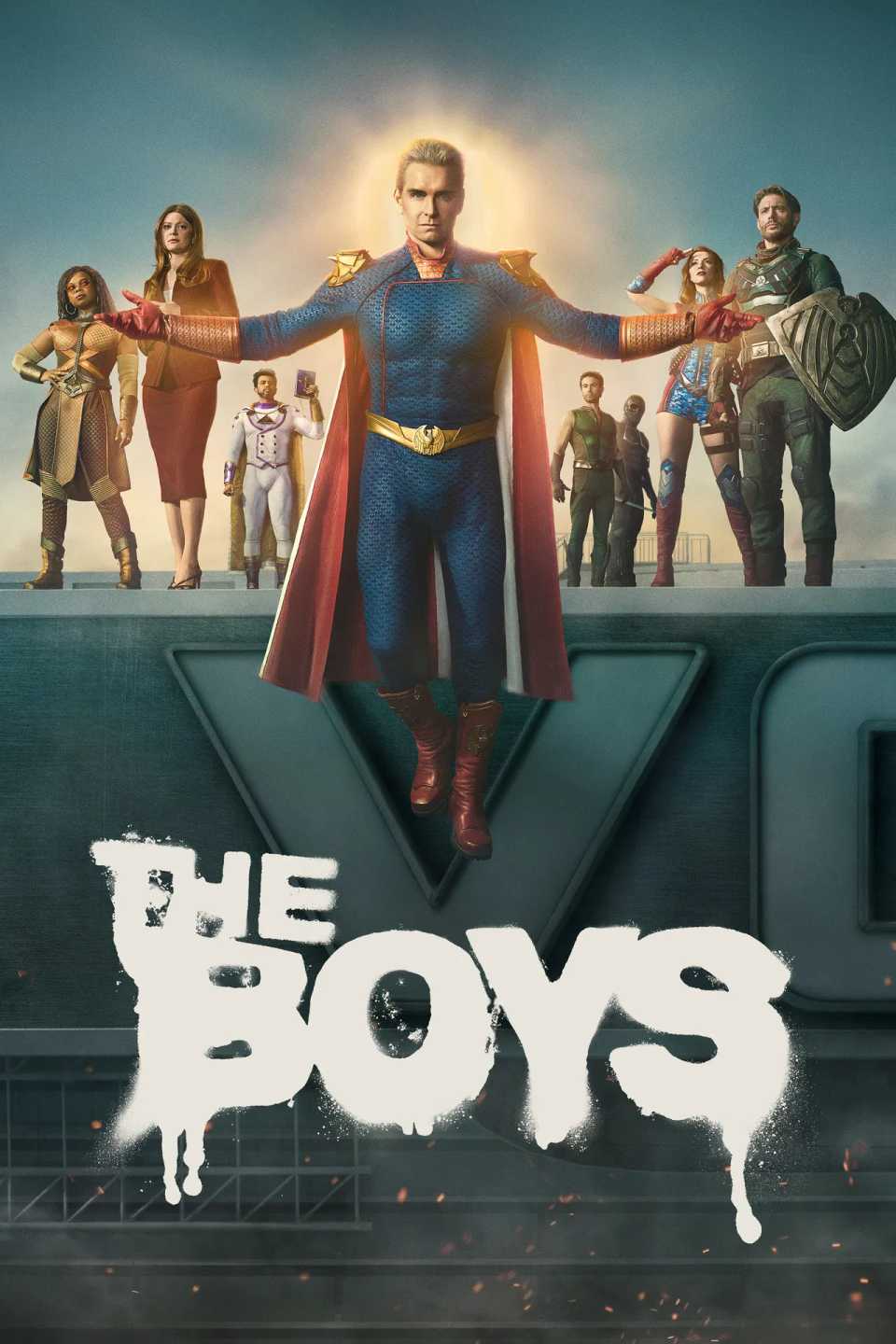
The Boys has just ended its five-season run, and reactions to the series finale have been mixed, to say the least. Some fans and reviewers were satisfied with the brutality of Butcher’s climactic showdown with Homelander, but others felt it was too little too late. Some felt it made up for the missteps of the season, but others found it to be the final nail in the coffin. Either way, it’s fair to say that The Boys fell off over the past couple of seasons.
While Amazon was making more and more money off The Boys, it seemed to be investing less and less in it, like Prime executives were trying to find the cheapest budget they could get away with and still have viewers tune in. Eventually, much like Butcher’s transformation into a murderous supe, The Boys became the very thing it set out to destroy.
The Boys Gradually Became The Kind Of Franchise It Parodied
When The Boys premiered in 2019, at the height of the MCU’s hit-factory hype, it was the perfect antidote to Marvel’s safe, middle-of-the-road superhero movies. Not only did it go a lot gorier and nastier with its violence; it also told a nice, simple, self-contained story that you could follow without having to watch other shows as homework.
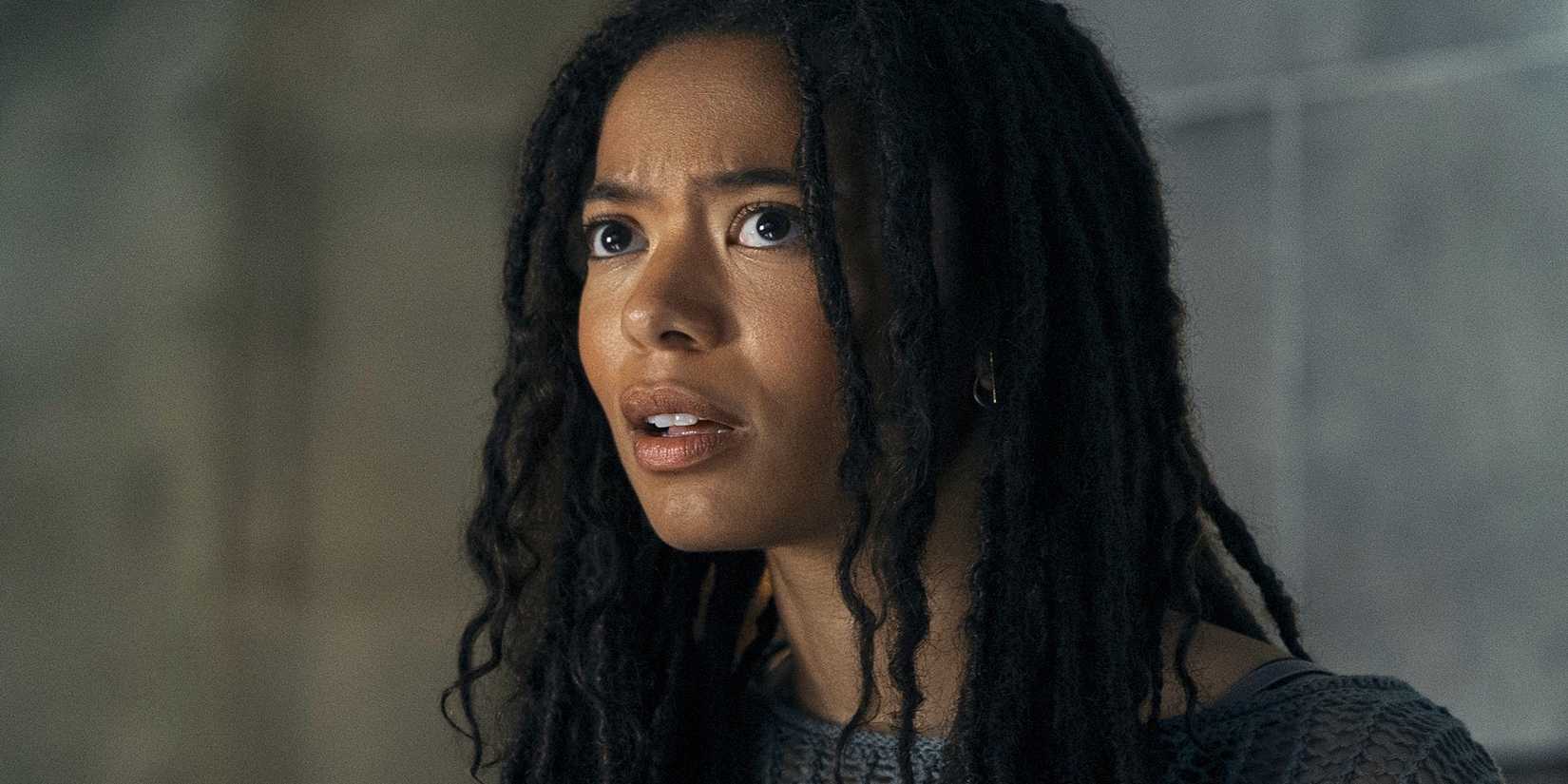
But as The Boys took off and became Amazon’s flagship show, that all changed. First, it got an anthology spinoff, Diabolical, telling standalone stories that didn’t impact the larger canon. Then, it got a college-bound spinoff, Gen V, and that one actually incorporated Homelander and Vought and made huge changes that actually affected the mainline Boys saga. You had to watch Gen V to know who Tek Knight was in The Boys season 4; you had to watch Gen V to know who Marie and Jordan were in The Boys season 5.
In its early seasons, The Boys made fun of the MCU’s decade-long “phase” announcements and the unrealistically black-and-white morality of Marvel movies through the formulaic propaganda churned out by the in-universe VCU, or Vought Cinematic Universe. But now, the term “VCU” is officially being used to refer to The Boys and its spinoffs.
The VCU has had all the same issues as the shared universes it used to mock. It’s flooded the market with spinoffs and delivered a series finale that, much like The Walking Dead’s final episode, is overtly setting up future shows in this universe instead of finishing the one at hand. So, it became much harder to take those gags seriously in the later seasons.
The Boys Has Handled The Hypocrisy Accusations Well (So Far)
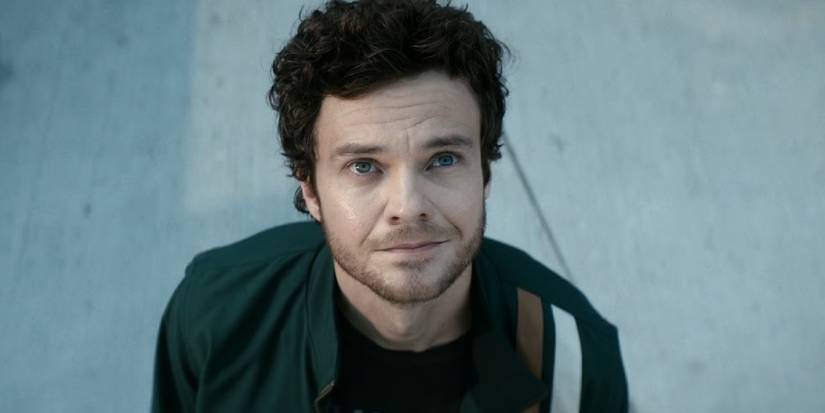
The Boys franchise has been blatantly hypocritical with all its spinoffs and universe-building, but it’s taken those accusations on the chin. The Boys takes a lot of shots at other superhero franchises and real-life celebrities and politicians, but it’s also delightfully self-effacing and doesn’t take itself too seriously. It’s very much in the spirit of the Boys to do the very thing you’re fighting against.
Plus, more importantly, both of The Boys’ spinoffs have actually been good shows, and worth making. Gen V introduced a host of exciting new characters — young supes coming of age in the Boys universe — and Diabolical, while not strictly necessary, was an underrated gem of a subversive superhero cartoon, jumping between different genres and visual styles to keep you on your toes. Next year, Vought Rising will completely change The Boys’ genre, and it looks promising from its trailer. If The Boys can keep sticking the landing with its spinoffs, I say go for it. Who cares if it’s hypocritical?






 English (US) ·