
 4 hours ago
21
4 hours ago
21
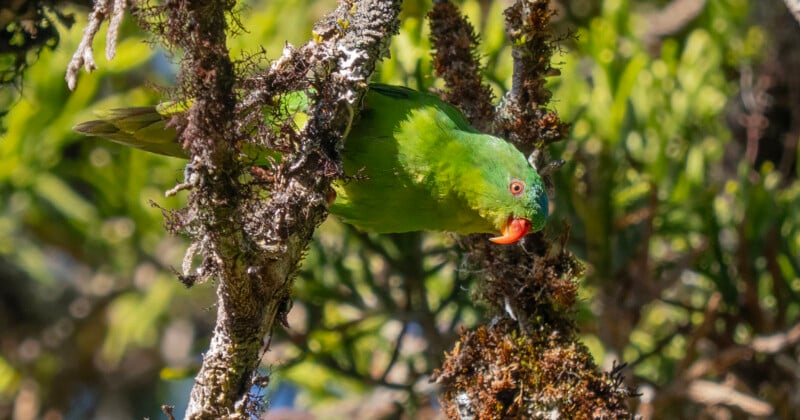 Photo credit: James Eaton/Birdtour Asia
After only a single sighting for a century, Indonesia’s exceedingly rare, beautiful Blue-fronted Lorikeet (Charmosynopsis toxopei) has been found again. Before the new sighting, the bird was last seen in 2014, prior to which it had not been seen since the 1920s.
The elusive parrot was witnessed during a 14-day trek in April in the remote highlands of Mount Kapalatmada in Indonesia. The trek was led by mountaineering group Kanal Buru and expedition leader Handoko, and it included members of the American Bird Conservatory (ABC), Birdtour Asia, and Yayasan Planet Indonesia. American Bird Conservancy members captured photos of the Blue-fronted Lorikeet.
This is a big deal in the bird world. The parrot had essentially vanished entirely from the scientific record, with photographer Craig Robson’s 2014 photos the only confirmed sighting since the 1920s. In 2024, Search for Lost Birds, a global partnership between American Bird Conservancy, Re:wild, and BirdLife International, added the parrot to its list of lost species. There was so little data that the IUCN Red List could not list the bird as endangered. However, the assumption was that it could, in fact, be critically endangered given its very small, possibly declining population and limited habitat range.
However, there was a belief among experts that the Blue-fronted Lorikeet may be doing okay, just in an extremely small area, high up in Buru’s essentially inaccessible mountains. Last fall, local climbers mapped a new route to the island’s highest peak, and in April, the group of birders followed the path to search for the parrot.
After six days of climbing, the team located the elusive bird.
“When we saw the Blue-fronted Lorikeet, I couldn’t hold back my tears,” says Sumaraja, Birdtour Asia guide and tour leader. “Every day, I almost cried with joy at seeing that these birds still exist.”
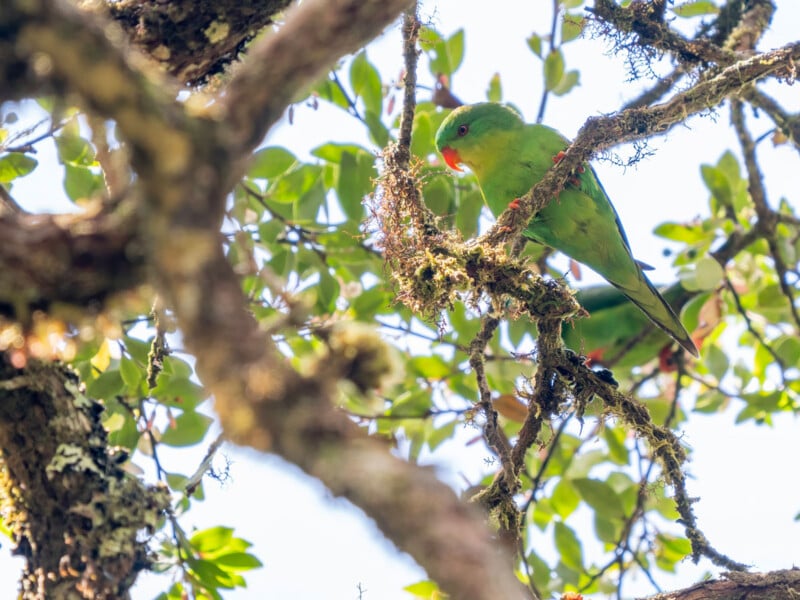 Photo credit: James Eaton/Birdtour Asia
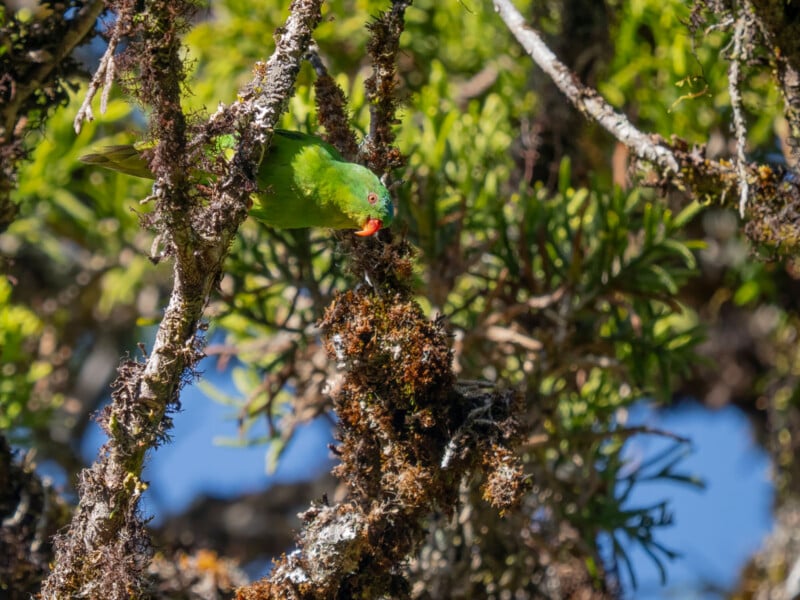 Photo credit: James Eaton/Birdtour Asia
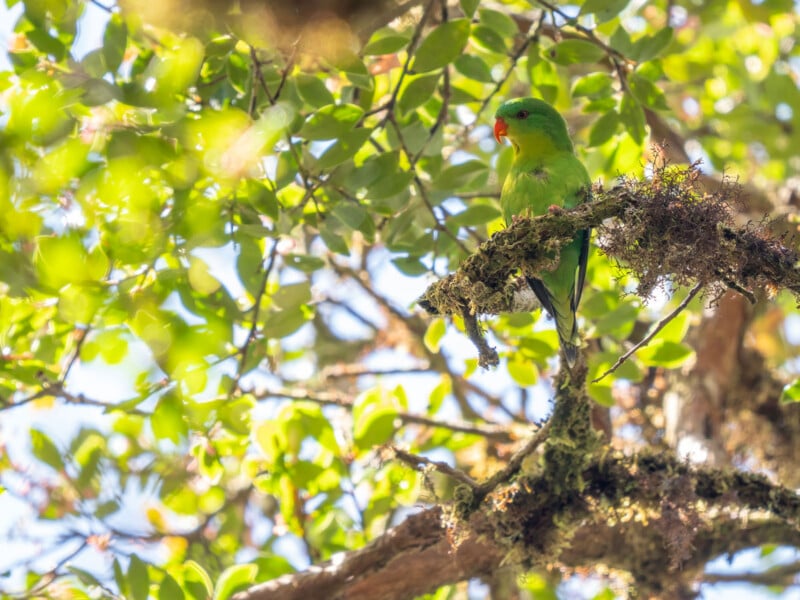 Photo credit: James Eaton/Birdtour Asia
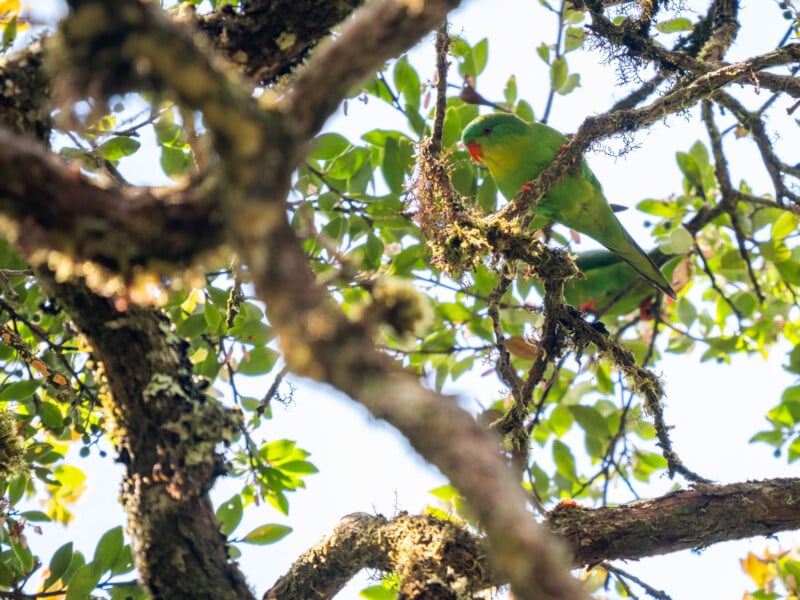 Photo credit: James Eaton/Birdtour Asia
“We noticed two small birds fly into a nearby tree so I picked up my binoculars to see what one of them was,” explains John C. Mittermeier, ornithologist, conservationist, and Director of the Search for Lost Birds at ABC. “I short-circuited with excitement when I realized it was a Blue-fronted Lorikeet.”
During this first sighting, the birds left so quickly that nobody could capture any photos. Fortunately, two days later, the group saw its bright green feathers in the sun and captured pictures, the first documentation of the lorikeet in over a decade.
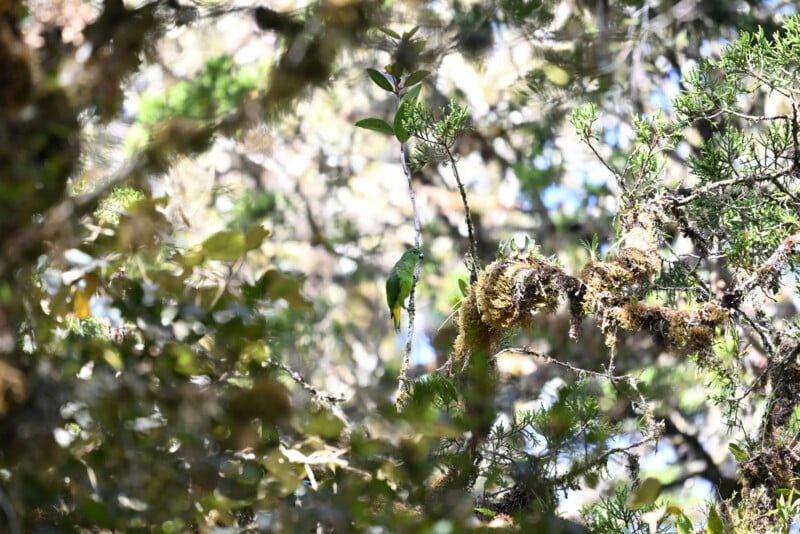 Photo credit: Sumaraja
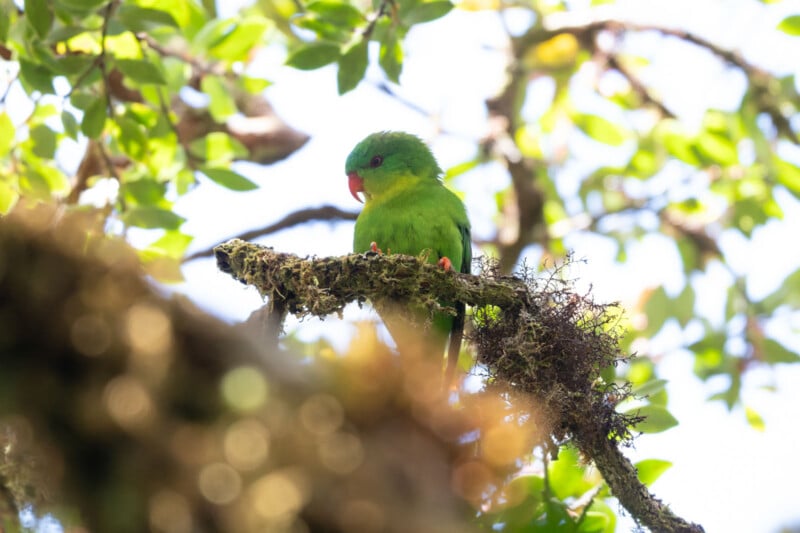 Photo credit: John C. Mittermeier
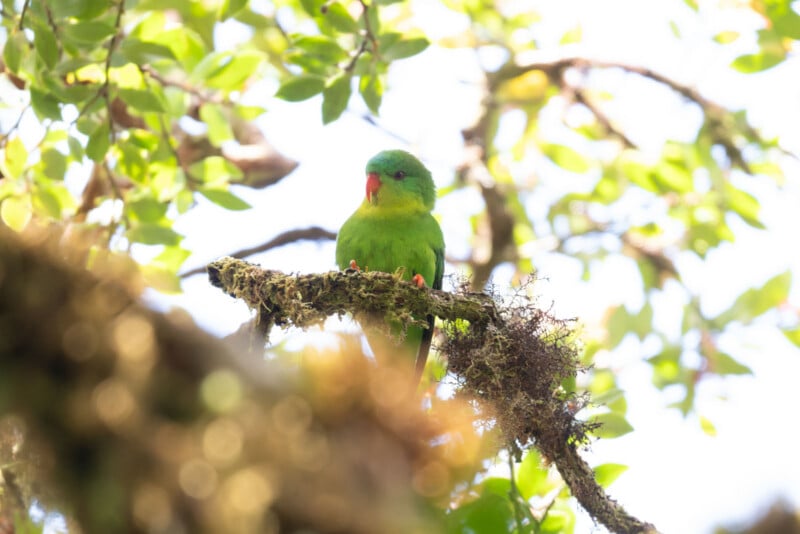 Photo credit: John C. Mittermeier
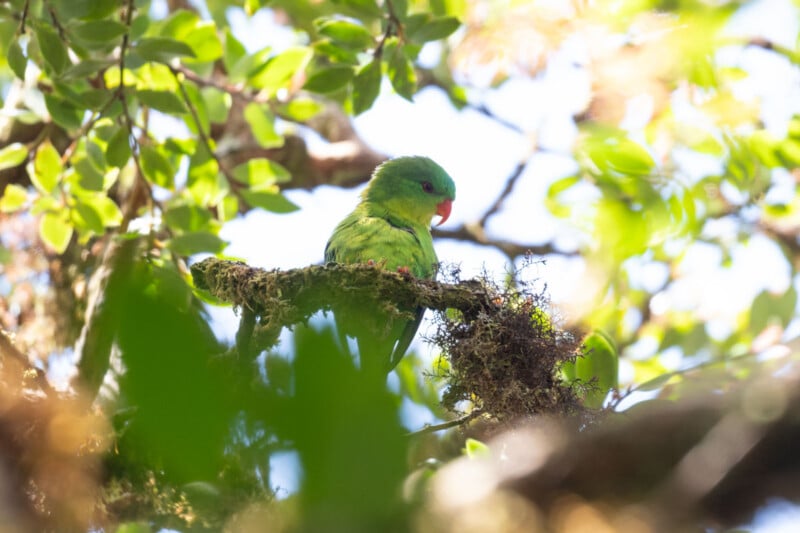 Photo credit: John C. Mittermeier
On the final morning of their time in the highlands, they spotted two more individuals and captured the first sound recordings of the Blue-fronted Lorikeet’s calls.
The team also encountered a very unusual songbird, the Madanga, and possibly identified a new taxon of the Island Thrush.
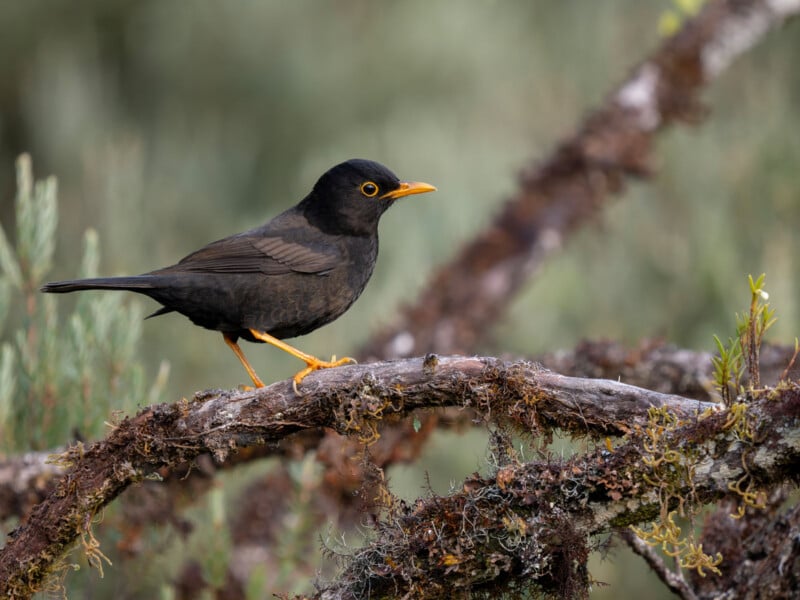 Island Thrush on Buru Island | Photo credit: James Eaton/Birdtour Asia.
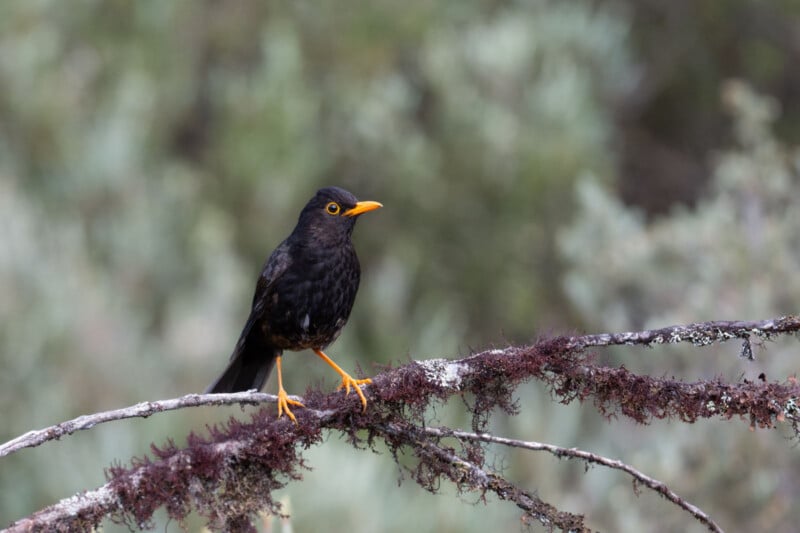 Photo credit: John C. Mittermeier
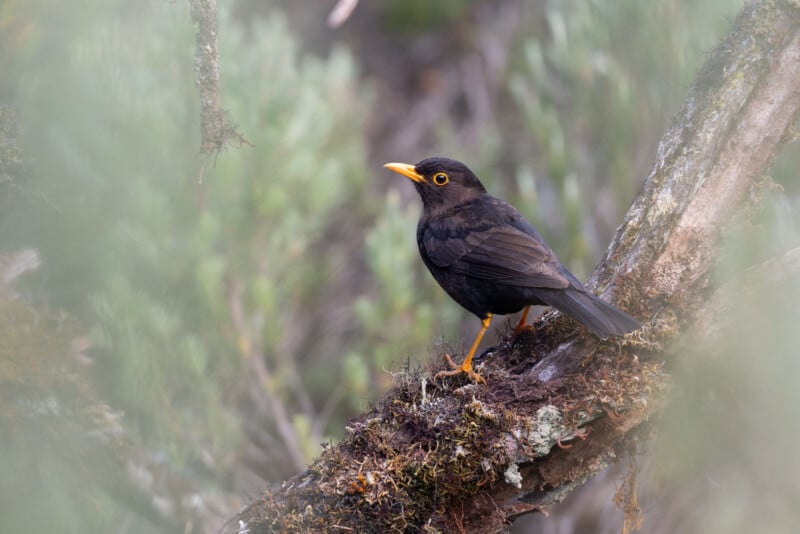 Photo credit: John C. Mittermeier
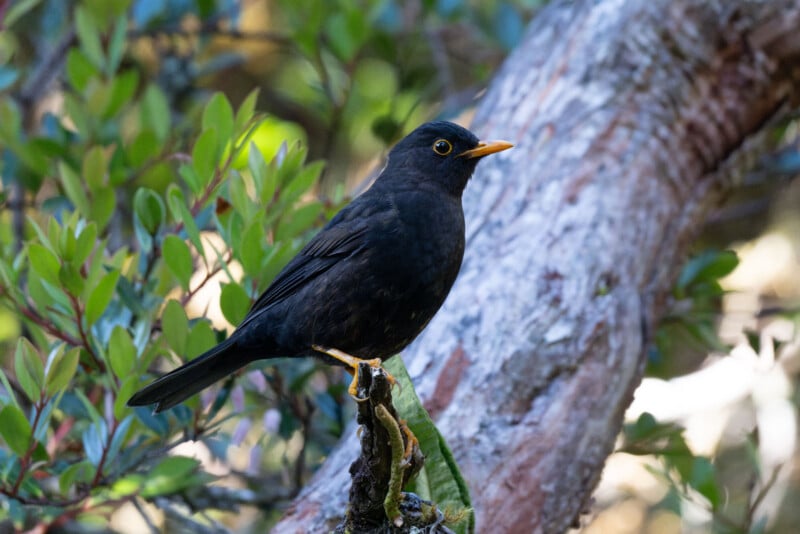 Photo credit: John C. Mittemeier
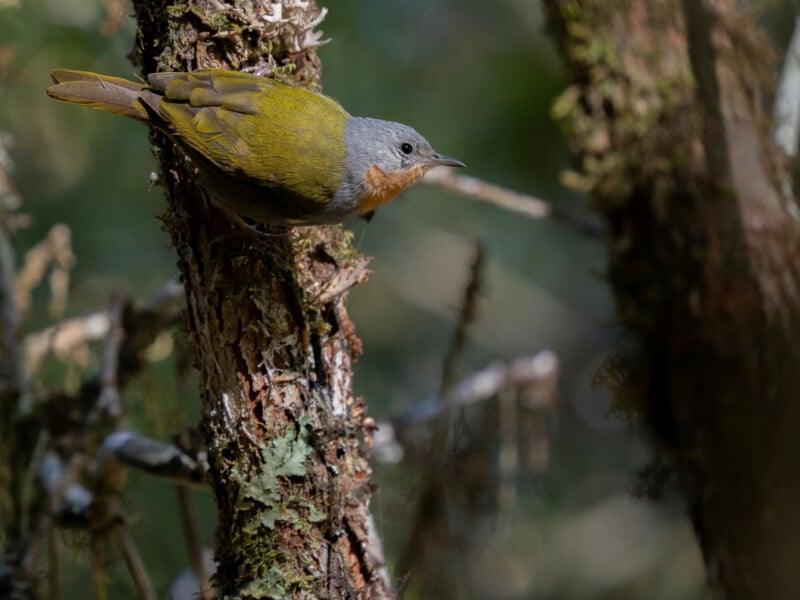 Madanga | Photo credit: James Eaton/Birdtour Asia
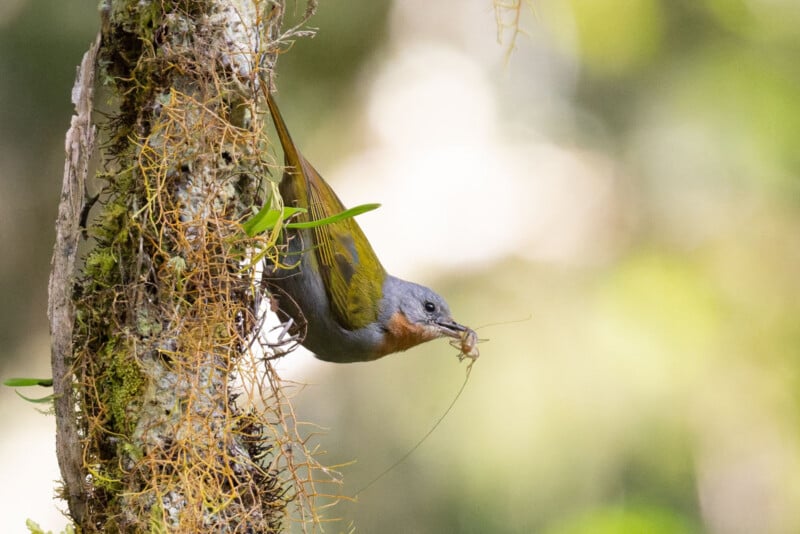 Photo credit: John C. Mittermeier
“The primary challenge facing the Blue-fronted Lorikeet is that they are facing threats that remain largely unknown. This bird inhabits areas under continuous pressure from deforestation, with a population estimated to be exceedingly small and vulnerable,” says Benny A. Siregar, Maluku Coordinator at Burung Indonesia.
“There is a need for a collective approach and action from all stakeholders to protect the remaining habitat of this incredible bird,” adds Dwi Agustina, Conservation Program Coordinator for Konservasi Kakatua Indonesia. “Buru is home to many endemic birds, and the logging and mining companies that have acquired much of the island’s forest represent a major threat to their survival and wildlife.”
Ultimately, the Blue-fronted Lorikeet’s greatest protection may be just how difficult it is for people to reach its home. Its rediscovery also offers some optimism that other lost birds may be surviving, too, such as the New Caledonian Lorikeet and the Red-throated Lorikeet, which are currently feared to be nearly extinct.
“In the future, I certainly hope more people will be able to see and learn more about these birds,” says Sumaraja. “At the same time, I sincerely hope more people will care about and participate in preserving the remaining forests on Buru Island.”
Image credits: James Eaton (Birdtour Asia), John C. Mittermeier, Sumaraja








 English (US) ·