
The 1990s was a decade of dashing dare and evolution for television at large, a bridging point between the episodic entertainment of sitcoms and police procedurals, and the prestige of the 21st century’s golden age of small-screen spectacle. Perhaps no genre illustrates the rampant upheaval and broadening borders of the medium throughout this period as crime drama, with everything from groundbreaking gangland epics to raw and realistic cop shows pioneering new horizons for not only the genre, but the medium at large as well.
As such, it is no surprise that every year of the ‘90s had its own collection of crime capers that began airing, with these being the greatest to debut in their respective years. Some are all-time classics of the genre that continue to define excellence in television to this day. Others are underrated gems that, while sadly forgotten, were no less instrumental in carving a future of intense drama. All of them epitomize the brilliance of crime drama throughout 1990s television.
10 'Twin Peaks' (1990–1991)
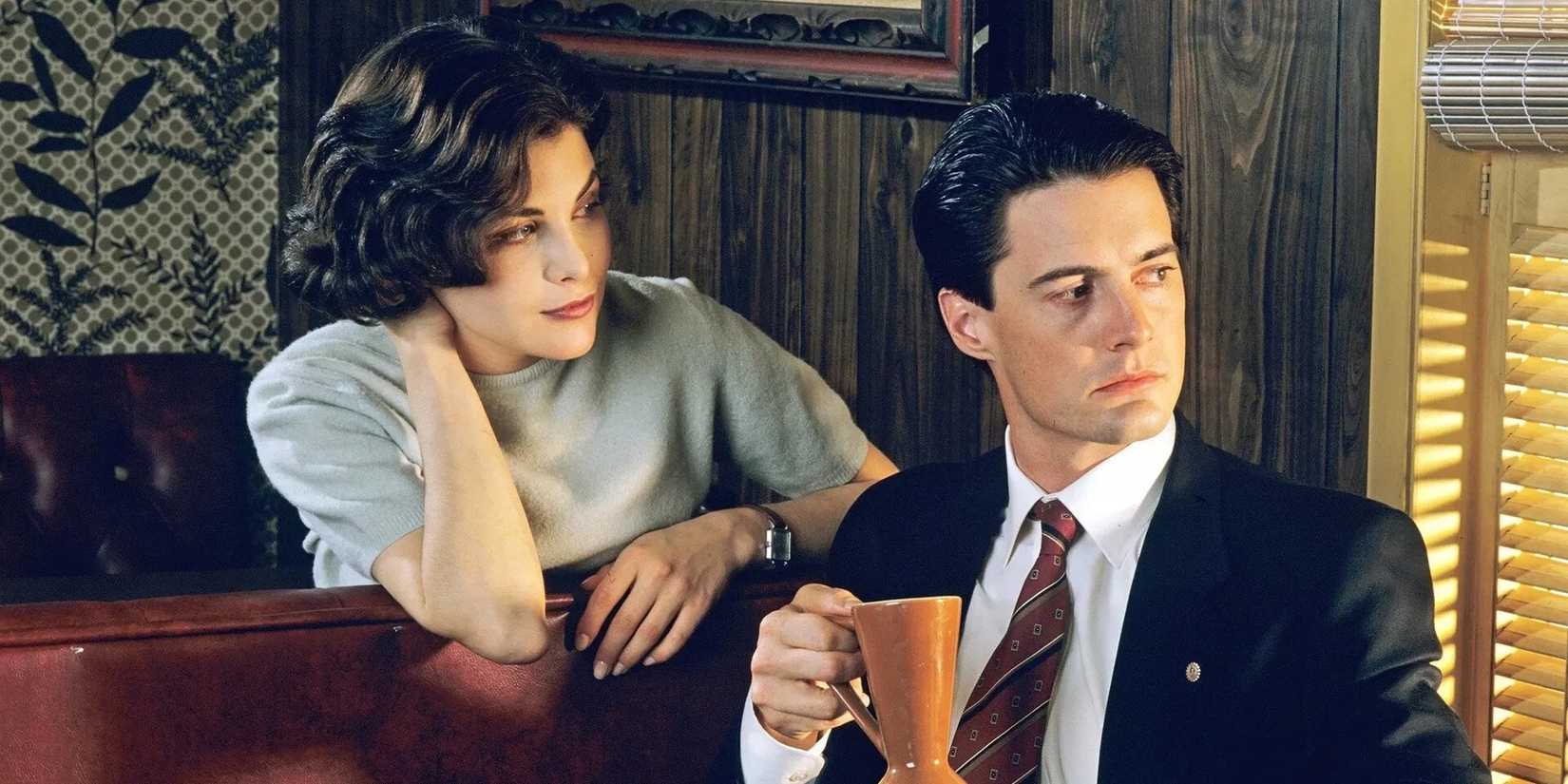 Image via ABC
The 1990s were an era of upheaval and change for television. Twin Peaks signaled this evolution in the first year of the decade, with David Lynch’s auteur style and impressionable storytelling conjuring a spectacle that had never been seen before on the small screen. A murder mystery laced with elements of absurdist dark comedy, surrealist suspense, and even visceral horror, it follows FBI agent Dale Cooper (Kyle MacLachlan) as he travels to the small town of Twin Peaks to investigate the killing of a teenage girl.
Breaking new ground with its rich sense of style as well as its serialized narrative that substitutes the contemporary norm of episodic, police procedural drama with one continuous story. Its impact on television is irrefutable, working in concert with the absorbing, atmospheric quality of its mystery to forge a legacy that has seen Twin Peaks endure as one of the greatest crime series ever made.
9 'Prime Suspect' (1991–2006)
 Image via ITV
A crime series that was years ahead of its time in terms of both its storytelling style in television and its intense interest in themes of discrimination and bigotry in the workplace, Prime Suspect is one of the more underrated and sorely forgotten TV shows Britain has produced. Dame Helen Mirren stars through the series’ seven-season run as Jane Tennison, an investigator in Central London who rises up the ranks off the back of her strong police work to become Detective Superintendent while facing misogynistic obstacles at every step of her journey.
Anchored by the brilliance of Mirren’s performance as a dignified though deeply flawed woman, Prime Suspect delivers engrossing psychological drama from start to finish while maintaining a sense of gritty realism in everything from its illustration of sexism in professional environments to the violent nature of its central crime cases. Its impact on the medium is undeniable, even if the series itself has come to be somewhat overlooked.
8 'Phoenix' (1992–1993)
 Image via ABC
Blending gritty noir visuals with a story defined by its authenticity and detail—a byproduct of creators Alison Nisselle and Tony McDonald’s extensive research into real police practices—Phoenix is an underrated gem of crime television from Australia. Its brief two-season run explores two separate crimes, with Season 1 revolving around the bombing of a Victorian police social function, while Season 2 sees police investigate a string of aggravated burglaries targeting the wealthy.
Everything from its grimy aesthetic to its intense realism makes Phoenix a captivating gem of cop drama, but one of its most compelling and intriguing elements is the attention it gives to the evolution of police process, with main characters often torn between the old-school brunt of traditional crime investigation and the emerging new-age of detective work defined by forensic analysis. Complemented by an array of complex, nuanced, and deeply flawed characters and its loose basis on true events, Phoenix soars as a bold and brazen crime drama that deserves far more credit than it gets.
7 'Homicide: Life on the Streets' (1993–1999)
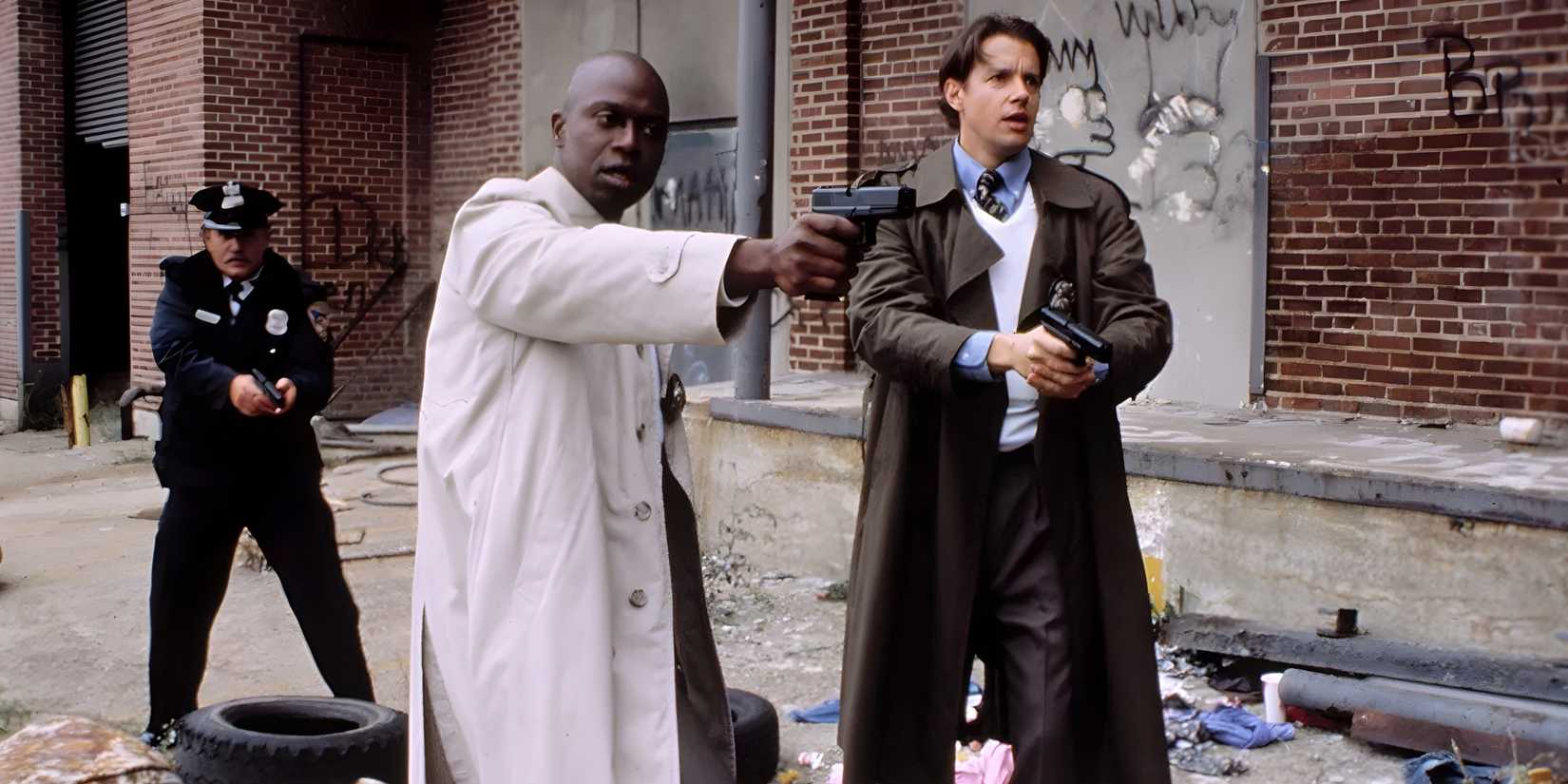 Image via NBC
The nature of cop drama shifted throughout the 1990s, with the flamboyance and fun of the bombastic shows of the 80s shifting towards intense, immersive realism that embraces the messy truth of police work. Based on David Simon’s nonfiction book, Homicide: Life on the Street is the decade’s finest example of this, following the work and lives of homicide detectives in a precinct in inner-city Baltimore.
Making exceptional use of handheld cameras and on-location shooting, the series captures a vibrant sense of documentary-style realism, conjuring a tone of palpable urgency and unflinching drama that imbues both the cases investigated and the personal struggles of the characters with pressing intrigue. While it doesn’t maintain its brilliance throughout the whole of its seven-season run, Homicide: Life on the Street is undoubtedly one of the mightiest television feats of the ‘90s of any genre, and the style and focus it implemented continues to influence the crime series of today.
6 'Under Suspicion' (1994–1995)
 Image via CBS
Inspired by the aforementioned English series Prime Suspect, Under Suspicion delivers a smart and absorbing examination of the obstacles faced by women in the police force while still thriving as an enrapturing crime mystery series in its own right. It follows Detective Rose Phillips (Karen Sillas), the sole female officer in a Portland police precinct, as she strives to overcome the crude sexism and hostile discrimination she is subjected to while proving herself to be an astute detective.
Despite its short run featuring just 18 episodes across a single season, Under Suspicion became a critical hit on American television, utilizing intelligent and suspense-building stories full of plot twists and thematic contemplation, all of which is grounded by Sillas’ commanding lead performance. While it was sadly canceled by CBS, it has come to be lauded as an important and pioneering series that helped pave the way for thoughtful female-led television drama that deftly combines scorching social meditations with gripping police procedural drama.
Collider Exclusive · TV Medicine Quiz Which Fictional Hospital Would You Work Best In? The Pitt · ER · Grey's Anatomy · House · Scrubs
Five hospitals. Five completely different ways medicine goes sideways on television — brutal, chaotic, romantic, brilliant, and ridiculous. Only one of them is the ward your instincts were built for. Eight questions will figure out exactly where you belong.
🚨The Pitt
🏥ER
💉Grey's
🔬House
🩺Scrubs
FIND YOUR HOSPITAL →
01
A critical patient comes through the door. What's your first instinct? Medicine under pressure reveals who you actually are.
AStay completely present — block everything else out and work through it step by step, right now. BTriage fast and delegate — get the right people on the right problems immediately. CTrust my gut and move — I work best when I stop overthinking and just act. DAsk the question everyone else is ignoring — what's the thing that doesn't fit? ETake a breath, make a joke to cut the tension, and then get to work — panic helps no one.
NEXT QUESTION →
02
Why did you go into medicine in the first place? The honest answer says more about you than the one you'd give in an interview.
ABecause I wanted to be where it matters most — right at the edge, when someone's life is actually on the line. BBecause I wanted to help people — genuinely, one patient at a time, in a system that makes it hard. CBecause I was drawn to the intensity of it — the stakes, the drama, the feeling of being fully alive. DBecause medicine is the most interesting puzzle there is — and I needed a problem worth solving. EBecause I wanted to make a difference — and also, honestly, I didn't know what else to do with my life.
NEXT QUESTION →
03
What do you actually want from the people you work with? Who you want beside you under pressure is who you are.
ACompetence and calm — I need people who don't fall apart when things get bad. BTrust and reliability — I want to know that when I pass something off, it's handled. CConnection — I want colleagues who become family, even if that gets complicated. DIntelligence and the willingness to be challenged — I have no interest in people who just agree with me. EFriendship — people I actually like spending twelve hours a day with, because those hours are going to happen either way.
NEXT QUESTION →
04
You lose a patient you fought hard to save. How do you carry it? Every doctor who's worked a long shift has had to answer this question.
AI carry it. All of it. I don't look for ways to put it down — that weight is part of doing this work honestly. BI process it and move — you have to, or the next patient suffers for the one you just lost. CI feel it deeply and lean on the people around me — I don't think you're supposed to handle that alone. DI go back over every decision — not to punish myself, but because I need to understand what I missed. EI grieve it genuinely, find some way to laugh about something unrelated, and try to be kind to myself — imperfectly.
NEXT QUESTION →
05
How would your colleagues describe the way you work? Your reputation on the floor is usually more accurate than your self-image.
AIntense and completely present — no small talk during a shift, but exactly who you want there. BSteady and dependable — not the flashiest in the room but never the one who drops something. CPassionate and occasionally chaotic — brilliant on the hard cases, prone to drama everywhere else. DBrilliant and difficult — right more often than anyone else, and everyone knows it, including me. EWarm and self-deprecating — not the most intimidating presence, but genuinely good at this and easy to like.
NEXT QUESTION →
06
How do you feel about hospital protocol and procedure? Every institution has rules. What you do with them is a choice.
AProtocol is the floor, not the ceiling — I follow it until the patient needs something it can't provide. BI respect it — the system is broken in places, but the structure is there for a reason and I work within it. CI follow it until my instincts tell me not to — and my instincts are usually right, even when they cause problems. DRules are for people who haven't thought hard enough about when to break them. EI try to follow it and mostly do — with a few memorable exceptions that still come up in meetings.
NEXT QUESTION →
07
What does this job cost you personally? Nobody works in medicine without paying a price. What's yours?
AEverything outside these walls — I've given this job my full attention and the rest of my life has gone around it. BMy idealism, mostly — I came in believing the system could be fixed and I've made a complicated peace with that. CStability — my personal life has been as chaotic as the OR, and that's not entirely a coincidence. DMy relationships — I am not easy to know, and the people who've tried to would probably agree. EMy sense of gravity — I use humour as a coping mechanism, which not everyone appreciates in a hospital.
NEXT QUESTION →
08
At the end of a long shift, what keeps you coming back? The answer to this question is the most honest thing about you.
AThe fact that it's real — that nothing else I could be doing would matter this much, right now, today. BThe patients — individual human beings who needed something and got it because I was there. CThe people I work with — I have walked through impossible things with these people and I'd do it again. DThe next unsolved case — there's always another puzzle, and I'm not done yet. EBecause despite everything — the exhaustion, the loss, the absurdity — I actually love this job.
REVEAL MY HOSPITAL →
Your Assignment Has Been Made You Belong In…
Your answers have pointed to one fictional hospital above all others. This is the ward your instincts, your temperament, and your particular brand of dysfunction were built for.
The Pitt
You are built for the most unsparing version of emergency medicine television has ever shown — one that puts you inside a single fifteen-hour shift and doesn't let you look away.
- You need your work to be real, not romanticised — meaning over drama, honesty over aesthetics.
- You find purpose inside the work itself, not in the chaos surrounding it.
- You've made peace with the fact that this job takes from you constantly, and gives back in ways that are harder to name.
- Pittsburgh Trauma Medical Center demands exactly that kind of person — and you would not want to be anywhere else.
ER
You are the person who keeps the whole floor running — not the most brilliant in the room, but possibly the most essential.
- You show up, do the work, absorb the losses, and come back the next day without needing the job to be anything other than what it is.
- You care about patients as individual human beings, not as cases to solve or dramas to live through.
- You believe in the system even when it fails you — and you understand that emergency medicine is about holding the line just long enough.
- ER is television about endurance. You have it.
Grey's Anatomy
You came to medicine with your whole self — your ambition, your emotions, your relationships, your history — and you have never quite managed to leave any of it at the door.
- You feel things fully and form deep attachments to the people you work with.
- Your personal and professional lives are permanently, chaotically entangled — and that entanglement drives both your greatest disasters and your most remarkable saves.
- You understand that extraordinary medicine often happens at the intersection of clinical skill and profound human connection.
- It's messy at Grey Sloan. You would not have it any other way.
House
You are drawn to the problem above everything else — the symptom that doesn't fit, the diagnosis hiding underneath the obvious one.
- You're not primarily motivated by the patient as a person — though you are capable of caring, even if you'd deny it.
- You work best when the stakes are highest and the standard answer is wrong.
- Princeton-Plainsboro exists to house one extraordinary, impossible mind — and everyone around that mind is there because they're smart enough to keep up.
- The only way forward here is to think harder than everyone else in the room. That is exactly what you do.
Scrubs
You understand that medicine is tragic and absurd in almost equal measure — and that the only sane response is to hold both of those things at the same time.
- You are warm, self-aware, and funnier than most people in your field.
- You use humour to get through terrible moments — and at Sacred Heart, that's not a flaw, it's a survival strategy.
- You lean on the people around you and let them lean back. The laughter and the grief are genuinely inseparable here.
- Scrubs is a show about learning to become someone worthy of the job. You are still very much in the middle of that process — which is exactly right.
↻ RETAKE THE QUIZ
5 'Blue Murder' (1995)
 Image via Australian Broadcasting Corporation
Another triumph of crime television from Australia, Blue Murder excels as a gritty recounting of a true story of police corruption and organized crime made all the more enthralling by its intense narrative pacing and its rich atmosphere of moral decay and striking style. Richard Roxburgh stars as Roger “The Dodger” Rogerson, a crooked cop in Sydney in the 1980s whose shady relationship with career criminal Arthur “Neddy” Smith (Tony Martin) leads to murder conspiracies, court trials, and a public scandal that rocks the police force.
Writer Ian David achieves a grounded savagery through his facts-based and non-superfluous plotting and his effective use of Australian vernacular to conjure a miniseries of visceral realness that is magnificently supported by the lead performances and the series’ overtones of noir cinema. Initially banned from being broadcast in New South Wales, Blue Murder has achieved a legacy of notoriety and enduring quality, enshrining itself as one of Australia’s finest ever small-screen productions and an arresting masterpiece of true crime drama.
4 'Silent Witness' (1996–Present)
 Image via BBC One
An underrated staple of British crime television, Silent Witness has been going strong for 30 years and a whopping 29 seasons, revolving around a team of exceptional forensic pathologists and scientists as they investigate horrific crime scenes and use their expertise to catch the criminals responsible. Methodical, grounded, and bleakly realistic, it evades the cozy comfort associated with many long-running crime series to deliver an intense, authentic look at the brutal nature of murder scenes and the grimy detail of investigating them.
While its decades-spanning run has understandably had a revolving door of talent and characters, Silent Witness has never only been about the rigorous process of gathering evidence and analyzing forensics, with the series also offering plenty of nuanced character drama as it grapples with the emotional duress police endure while working such violent and confronting cases. It has produced a staggering 268 episodes so far, and while its earliest seasons are by far the strongest, the series as a whole is a rewarding and intriguing look at the scientific side of detective work.
3 'Oz' (1997–2003)
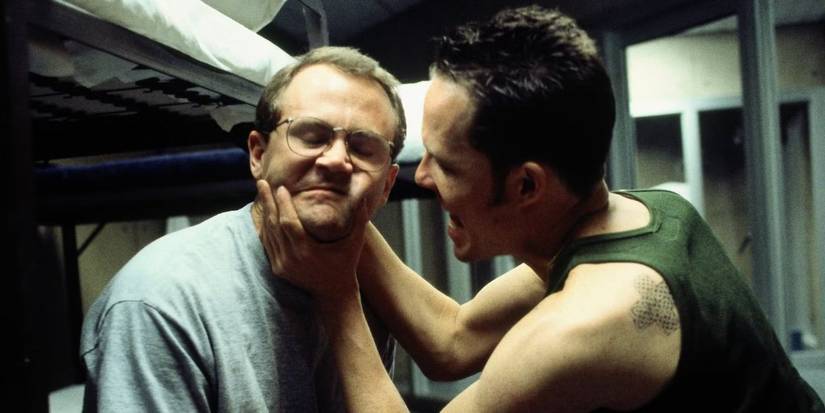 Image via HBO
An enormous milestone in modern television, Oz marks HBO’s first-ever foray into one-hour-long scripted drama, paving the way for all the prestige small-screen excellence the network has produced over the past 30 years. It also delivered what was at the time an emphatic illustration of how the medium and audience sensitivities had changed, with its relentless threat of graphic violence disturbing amorality, epitomizing a bold new appetite for piercing drama.
It doesn’t run so much as a traditional, plot-driven story; instead thriving as a visceral and ferocious descent into life in a maximum-security prison as it follows inmates in an experimental new ward that, despite its intention to encourage reform, exists as a ruthless pit of violence and gangland tensions. Unflinching with its realism, Oz is the emblematic ignition point of a new age of dramatic tension on television. It remains one of HBO’s most confronting productions and a defining highlight of crime television.
2 'A Certain Justice' (1998)
 Image via ITV
Amid the brilliance of crime television throughout the 1990s, 1998 stands as something of a lull for truly outstanding series debuting, but that doesn’t mean it hasn’t got a couple of underrated gems that are still worth revisiting even today. Chief among them is the British three-part miniseries A Certain Justice, which runs on a basis on P. D. James’s 1997 novel and follows Commander Adam Dalgliesh (Roy Marsden) and his team as they investigate the murder of an esteemed, though abrasive, lawyer.
Granted, the limited series does have some trappings of its time, especially in its storytelling style, but for the most part, it functions as an engrossing whodunit that skewers the callous psychology of London’s legal community while immersing viewers in an addictive, dark atmosphere of mystery and suspense. At its best, it delivers compelling character drama and an incisive analysis of the motivation of evil and the fallibility of justice to stand as a hidden gem of television crime drama that has plenty of ideas that are still incredibly relevant today.
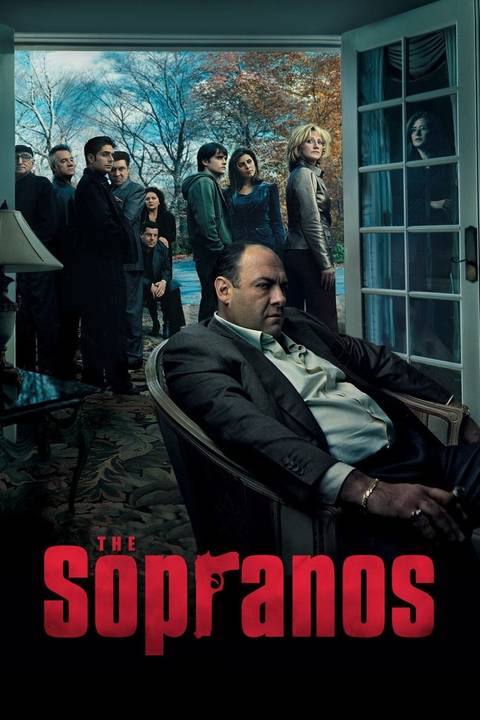
1 'The Sopranos' (1999–2007)
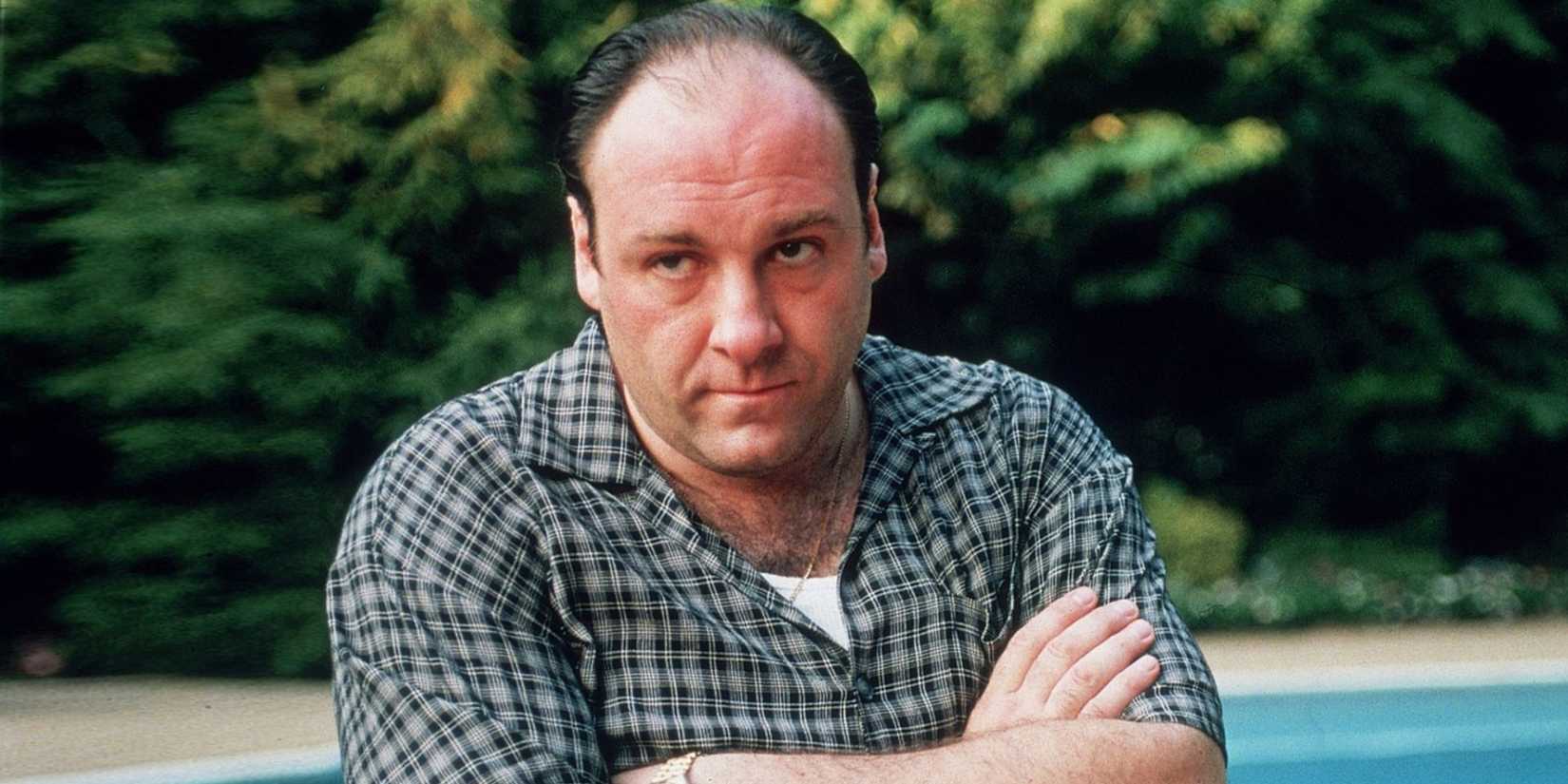 Image via HBO
The late ‘90s and early 2000s were when the golden age of television drama was born. No series exemplifies this as perfectly as The Sopranos. Still regarded by many to be the outright greatest television series of all time, it serves as an astonishing character study following Tony Soprano (James Gandolfini), a New Jersey mobster who begins seeing a psychiatrist in secret when the mounting stress of his complex work-life balance leads to a series of debilitating panic attacks.
While earlier series displayed the gripping possibilities of serialized storytelling in the medium, The Sopranos established it as the new norm, extracting incredible depth, suspense, drama, and nuance from every single one of its six seasons. Its investment in ideas of moral ambiguity, the nature of violence, and the intersection of the American dream and organized crime is timelessly brilliant, ensuring The Sopranos continues to endure to this day as one of the best examples of television drama of all time.
The Sopranos
Release Date 1999 - 2007
Network HBO
Showrunner David Chase







 English (US) ·