
 3 weeks ago
48
3 weeks ago
48
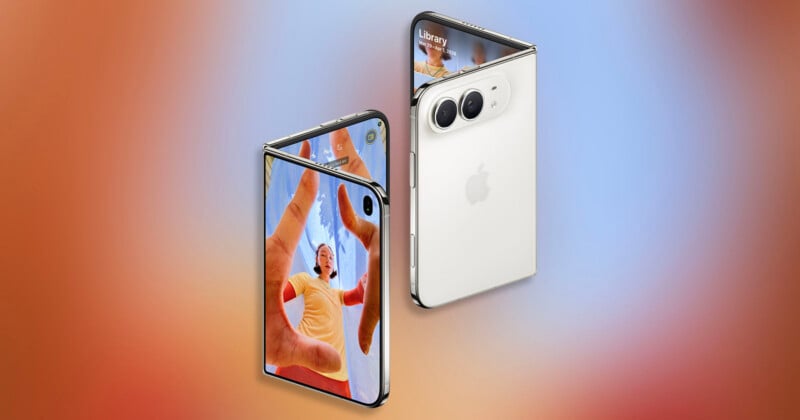
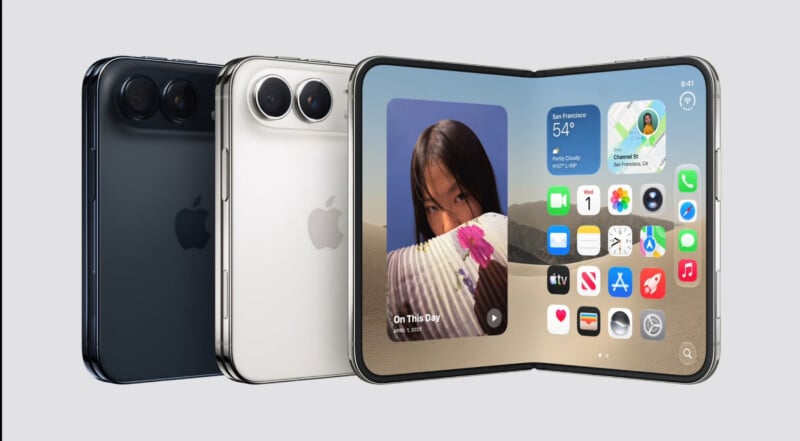
As we have seen time and again, foldable smartphones very rarely offer the same camera and photo features as their slab phone counterparts. Apple’s debut foldable, the eye-catching and highly hyped iPhone Duo is no exception. At least for now, mobile photographers cannot have everything.
The iPhone Duo’s Cameras
Apple describes the iPhone Duo’s camera system as a “48MP Dual Fusion camera system,” a fancy way of saying it has two rear cameras, rather than the three found on the iPhone 18 Pro and Pro Max. However, additional differences are worth considering.
While the new iPhone 18 Pro series features a new 48-megapixel main camera system, complete with a variable aperture lens with some highly sophisticated engineering, the $2,000 iPhone Duo sticks with Apple’s previous tried-and-true 48MP Fusion camera. However, this isn’t the 48MP Fusion camera found in last year’s iPhone 17 Pro series smartphones, but the one from the base iPhone 17 model.
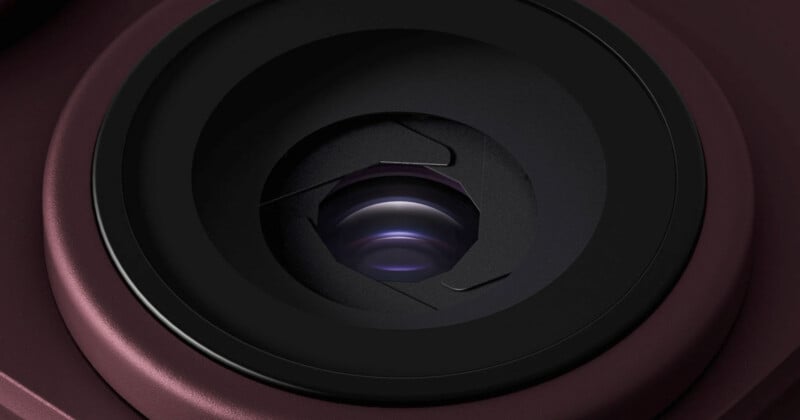 The iPhone 18 Pro and Pro Max introduced a new variable aperture which starts at a faster f/1.48. The iPhone Duo doesn’t have this feature. | Apple
This means the iPhone Duo’s main camera has a 26mm equivalent focal length, an f/1.6 aperture, and a slightly smaller image sensor than the iPhone 17 Pro (Type 1/1.56 versus Type 1/1.28). It’s not a bad camera by any means, but it’s not just the lack of a variable aperture that’s different.
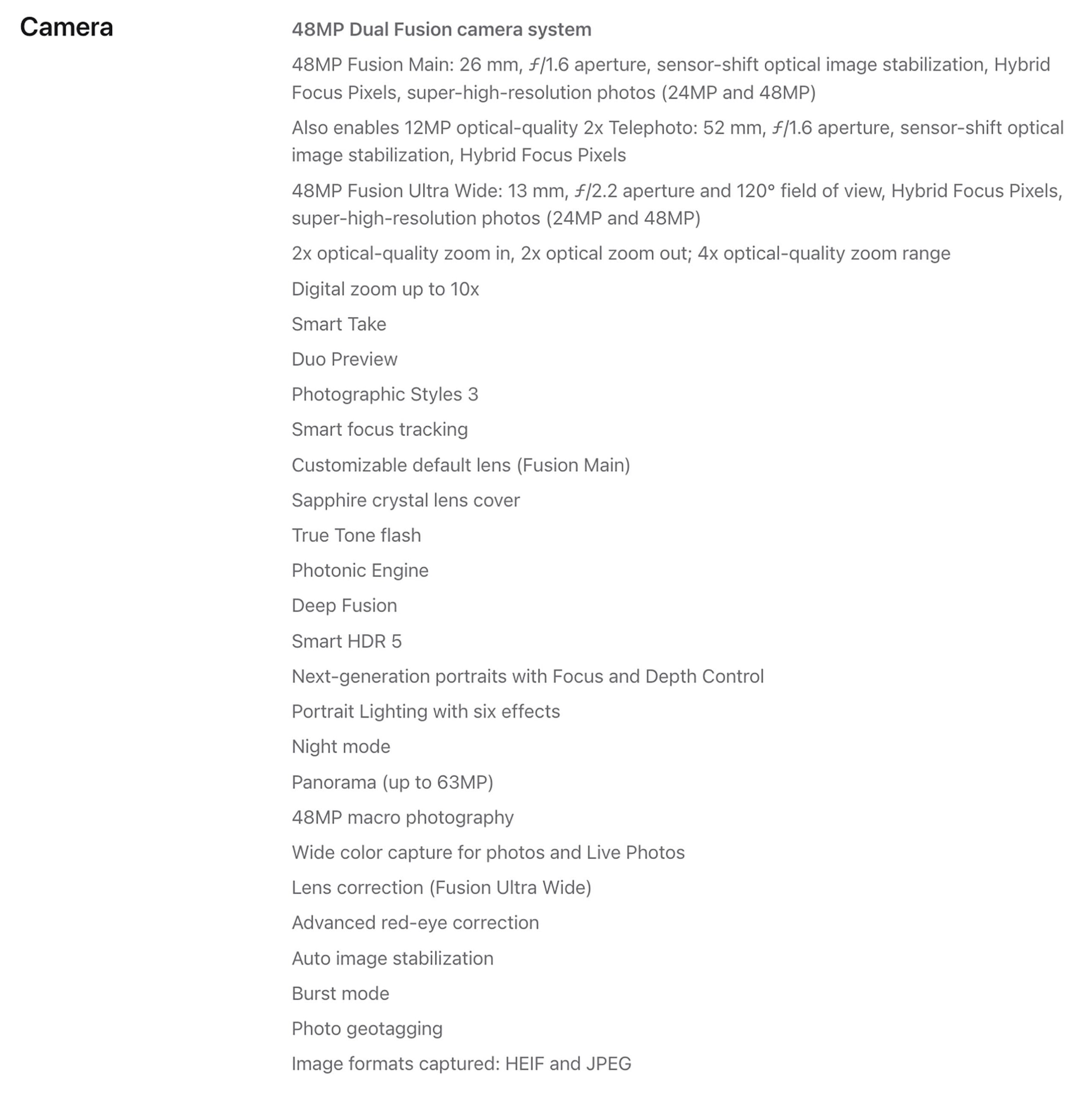
Also, unlike the iPhone 18 Pro series, the iPhone Duo doesn’t have a dedicated telephoto camera, opting instead for 12- and 24-megapixel crops from the main camera, essentially digital zoom. Both phones appear to share the same 48-megapixel ultrawide camera though, with a 13mm equivalent focal length and f/2.2 aperture.
 iPhone Duo sample photo | Apple
 iPhone Duo sample photo | Apple
Finally, the Duo’s front-facing camera is a 12MP Center Stage front camera, rather than the 18MP one across nearly all of Apple’s other current iPhone models. This is a fairly strange difference, although not necessarily a huge one, even if the 18MP Center Stage camera is pretty dang slick.
Photographic Styles 3 Is Here, but the Pro Controls Aren’t
Apple’s new Photographic Styles 3, which add “texture” and “grain” parameters to the company’s built-in, customizable photo presets, are available on both the iPhone Duo and the iPhone 18 Pro series.
 Like the iPhone 18 Pro series, the iPhone Duo has new Photographic Styles options, including controls for texture and grain. | Apple
However, the new Pro controls, which add aperture, shutter speed, and white balance controls to the built-in Camera app, plus a histogram view, are not on the Duo. This is an odd omission. While it makes sense there’s no aperture control, since there’s no variable aperture, the lack of other creative controls is odd. Duo owners will need to stick with tried-and-true third-party camera apps for those, I guess.
Emphasizing the Dual-Screen Photo Experience
While the iPhone Duo is missing some of the Pro’s most compelling camera features, including the new variable aperture, a dedicated telephoto camera, and the new Pro controls, Apple is really hyping the Duo’s usability benefits.
Like other foldables, the iPhone Duo can be partially folded to act as a smart tripod. That’s a genuinely useful feature, enabling people to stabilize long-exposure shots or take selfies nearly anywhere. iPhone Duo has a new Smart Take feature, exclusive to Duo, that can detect when everyone is ready and automatically takes a photo. That’s legitimately clever.
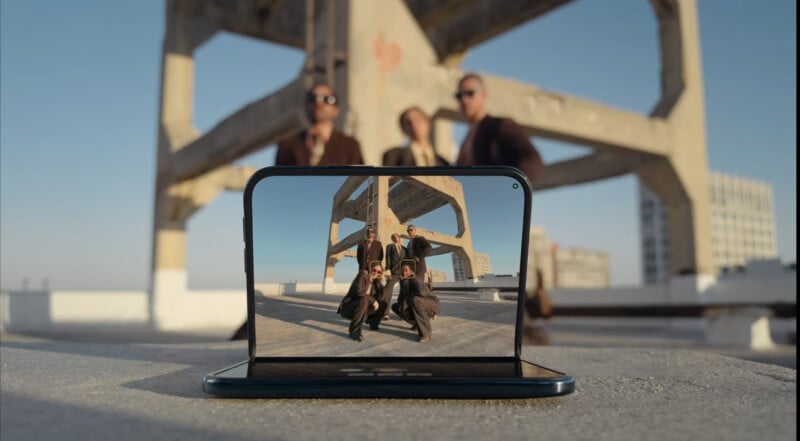
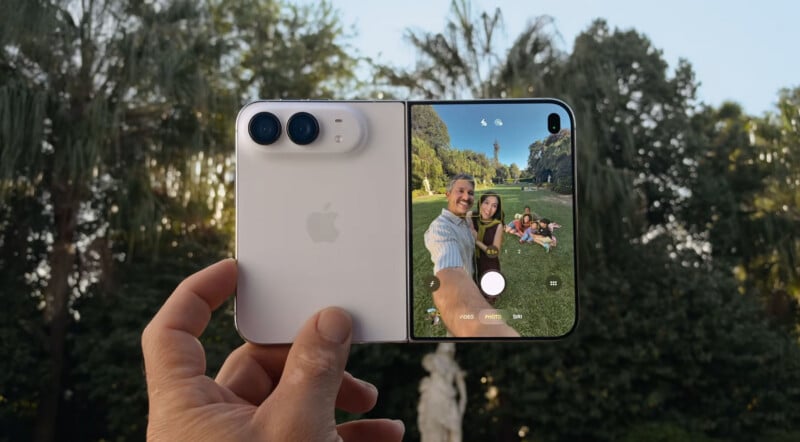
People can also use the outer screen to show their subject what the photo looks like as it’s being captured. This can help people find the perfect composition without going back and forth to their device. You can even use the outer screen to play kid-friendly animations that may help some camera-shy children smile for a nice family photo.
Neutered Software
While the iPhone Duo clearly lacks some of the iPhone 18 Pro’s promising camera hardware, it also omits software features that may matter a lot to some users.
While iPhone Pro models have been dynamite video devices for a few years now, offering things like 4Kp120 Apple ProRes recording (with an external SSD) and log recording, the iPhone Duo’s list of camera features and options is much shorter.
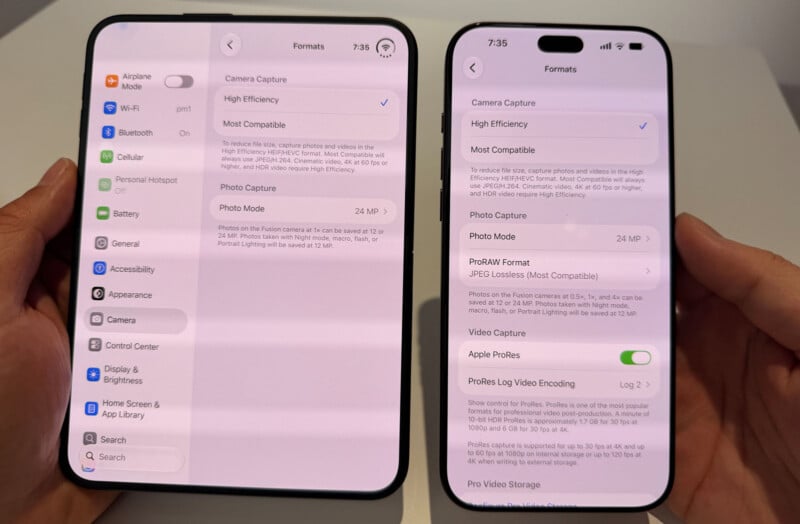 The iPhone Duo (left) lacks many of the photo and video settings of the iPhone 18 Pro series (right)
On the photo side, there’s no ProRAW here. The iPhone Duo records only JPEG and HEIF photos, with no DNG or RAW format support at all.
For dedicated photo and video users, these missing features may ultimately matter even more than the lesser hardware.
It Is a Give and Take
Apple may believe it has overcome many of the compromises of folding smartphones, and PetaPixel‘s early hands-on experiences confirm that belief.
The iPhone Duo truly gets so many things right and is a genuine pleasure to hold and use. Apple nailed the design, even if it maybe didn’t strike gold on every aspect of the Duo’s feature set.
What Apple, and no one else really, has nailed is giving the user all the benefits of a folding phone without any of the drawbacks.
Making a foldable enjoyable to live with means making both halves as thin as possible. The iPhone Duo is definitely thin. When it’s unfolded, it’s the thinnest iPhone ever while also having the largest display of any iPhone.
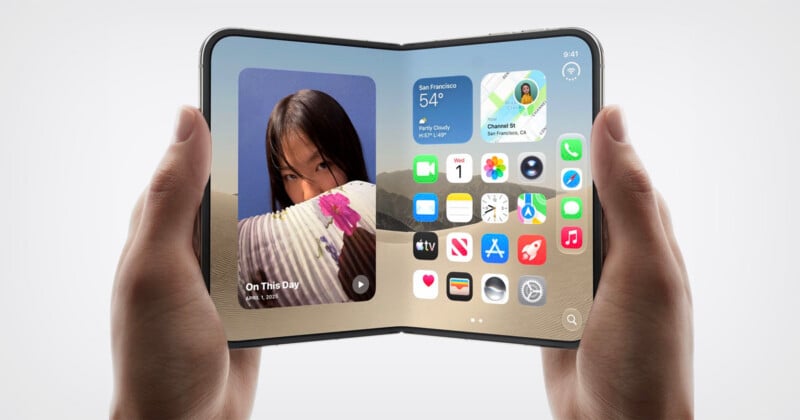
But this svelte thinness means that Apple’s new best camera system, the Pro Camera System in the iPhone 18 Pro and Pro Max, must be left on the cutting room floor. iPhone’s best phone for photographers and videographers may not be its best phone overall, and that’s a sort of weird place for iPhone to be.
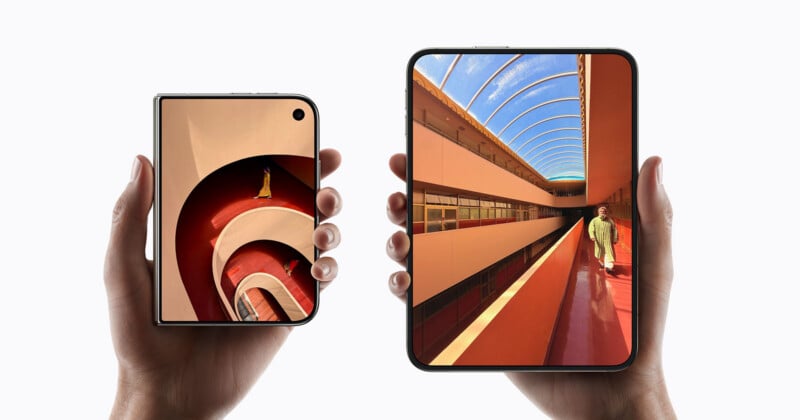 The iPhone Duo’s outer and inner screens are stunning | Apple
On the plus side, super-dedicated mobile photographers might not feel compelled to rush out to buy Apple’s most expensive iPhone ever, either. It’s impossible to ignore the price factor, and $1,999 is a lot to spend on a phone with 256GB of storage that doesn’t have Apple’s latest and best camera system.
Where the iPhone Duo Stands
The iPhone Duo is a beautiful, seemingly well-engineered device with smartly designed software to take full advantage of its book-like form factor. It is seriously gorgeous.
Apple is admittedly late to the foldable party, although Apple would argue it spent that time making clever improvements and thoughtful choices that make the foldable form factor much more pleasant to use. That may very well be true.
However, unfortunately, that time was not spent figuring out a way to put all or even most of the iPhone Pro’s camera features into a foldable.
How much does the camera system matter? That’s the big question for many iPhone users. As Apple celebrated while unveiling the iPhone 18 Pro, its camera system is a key part of its appeal.
 iPhone Duo sample photo | Apple
With iPhone Duo, though, it’s less about the hardware and more about the experience. Apple is more enthusiastic about the different ways people can take photos thanks to the Duo’s foldable design than the underlying camera technology.
Experience matters, surely. Does it matter more than everything else? For me, maybe, but I have a dedicated camera I use when I want the best possible photo.
For others, I don’t know. Their smartphone may very well be their primary camera. I’m not sure a $2,000 iPhone with worse cameras and photo features than a $1,200 iPhone 18 Pro is an easy pill to swallow, even if the iPhone Duo is arguably Apple’s greatest design achievement in a long time.
Affiliate Disclosure PetaPixel articles may include affiliate links; we may earn a commission if you buy through one.




 English (US) ·