Do you love the nastiest kind of suspense? Because I do. It is when absolutely nothing happens and your body still knows something is wrong. A phone rings. Somebody knocks on a door. A character pauses half a second too long before answering an easy question. Suddenly you are sitting forward because the show has trained you to understand that disaster rarely announces itself properly. It arrives looking completely manageable.
These six are monsters at that. And once a show gets that kind of control over you, bingeing stops being a choice. You are watching the next episode because leaving these people frozen inside whatever nightmare they have just created feels genuinely impossible. Let’s get started.
6
'The Americans' (2013–2018)
Image via FX
The Americans is an overall cruel show. It feels even crueler when FBI counterintelligence agent Stan Beeman (Noah Emmerich) moves in across the street and becomes Philip Jennings’ (Matthew Rhys) friend. Suddenly the people hunting Jennings are borrowing tools and eating dinner with them. Elizabeth (Keri Russell) and Philip Jennings are KGB intelligence officers living undercover as an ordinary married couple in 1980s suburban Washington, D.C., complete with two children who have no idea their parents are Soviet spies.
The suspense rarely needs explosions because discovery could come from something embarrassingly small. A missed appointment. A disguise seen by the wrong person. Paige (Holly Taylor) asking one question too many about where her parents disappear at night. Philip and Elizabeth can execute complicated missions, seduce assets, dispose of bodies, and still look genuinely frightened when their daughter starts connecting ordinary inconsistencies. That is the show’s secret weapon. Espionage is terrifying. Parenting while running an illegal Soviet intelligence operation is somehow worse.
5
'Mr. Robot' (2015–2019)
Image via USA Network
Elliot Alderson (Rami Malek) works as a cybersecurity engineer while secretly hacking people he believes deserve exposure, until an anarchic figure calling himself Mr. Robot (Christian Slater) recruits him into fsociety. Their goal is enormous. They have to erase consumer debt by destroying the financial records of E Corp, the corporation Elliot despises. Mr. Robot complicates that mission almost immediately because Elliot’s own perception of reality cannot always be trusted.
That makes every piece of information unstable. Elliot talks directly to us and still cannot guarantee we know what he knows. People disappear from scenes in retrospect. Relationships turn out to have histories he has mentally buried. Even an ordinary conversation can suddenly force you to reevaluate several episodes. And when the show wants pure tension, it can be viciously simple. Elliot sitting at a computer while somebody inches closer to discovering what is on the screen can be more stressful than most television shootouts. The hacking is detailed enough to feel real. Elliot is unreliable enough to make reality itself feel hackable.
4
'Lost' (2004–2010)
Image via ABC
Oceanic Flight 815 crashes on a mysterious island, leaving a group of strangers trying to survive while slowly realizing the place contains things that should not be there. Lost begins there. It begins with food, shelter, rescue signals, and injured passengers. And when it first came, it just blew up globally. Then come polar bears, whispers in the jungle, the Others, impossible coincidences, and a metal hatch buried in the ground with no obvious explanation.
That hatch alone permanently damaged an entire generation’s ability to tolerate unanswered questions. Locke (Terry O'Quinn) and Boone (Ian Somerhalder) stare at it for episodes. Then it finally opens and the mystery somehow gets bigger. Later, Desmond (Henry Ian Cusick) is entering numbers into a computer every 108 minutes because he believes something catastrophic will happen if he stops, and suddenly watching a countdown clock approach zero becomes unbearable television. Lost was incredibly good at ending an episode one revelation later than your self-control could handle. You did not press “next episode” because you wanted another forty minutes. You pressed it because there was absolutely no way you were going to bed after that.
3
'Severance' (2022– )
Image via Apple TV
Mark Scout (Adam Scott) works at Lumon Industries after undergoing “severance,” a procedure that divides his consciousness into two separate lives. His work self remembers nothing about the outside world, while his outside self remembers nothing that happens at work. Severance follows Mark and his Macrodata Refinement colleagues as their supposedly simple office jobs begin exposing just how horrifying that arrangement becomes for the people permanently trapped inside Lumon.
I have never trusted a brightly lit hallway less. That is how good this show is. The office is clean. The carpets are dull. Milchick (Tramell Tillman) smiles constantly. Employees get melon bars and bizarre little rewards for doing work they cannot explain. Yet every cheerful corporate ritual feels one degree away from punishment. The overtime contingency is where the premise becomes genuinely upsetting, because an “innie” suddenly wakes up inside the outside life they have never been allowed to experience. A living room becomes forbidden territory. A family photograph becomes devastating information. Severance understands that suspense gets vicious when the character is not merely trapped in a building. They are trapped inside their own existence.
2
'Squid Game' (2021–2025)
Image via Netflix
Seong Gi-hun (Lee Jung-jae) is drowning in debt when he accepts an invitation to compete with hundreds of desperate people for an enormous cash prize. The contestants arrive at a secret facility and discover that they will compete in familiar children’s games, except losing means immediate death. Squid Game turns playground rules into life-or-death mathematics and then makes the players depend on one another just long enough for trust to become dangerous.
“Red Light, Green Light” establishes the horror. Tells you how real this thing actually is. It tells that to both participants of the game and the audience instantly because nobody understands the rules have lethal consequences until the first person gets shot. But the marble game is where suspense becomes emotionally cruel. There is almost no spectacle left. People who have formed partnerships are told that only one person from each pair can survive, and suddenly every friendship becomes a countdown. Sang-woo (Park Hae-soo) realizes Ali (Anupam Tripathi) trusts him completely. Gi-hun notices the old man’s memory failing. You start desperately inventing loopholes alongside them because accepting the actual rule feels unbearable. Squid Game knows death is scary. Finding out what somebody will do when your survival conflicts with theirs is much worse.
1
'Breaking Bad' (2008–2013)
Image via AMC
Walter White (Bryan Cranston) is a financially struggling chemistry teacher diagnosed with lung cancer who decides to manufacture methamphetamine with former student Jesse Pinkman (Aaron Paul) so he can leave money behind for his family. Breaking Bad begins with that desperate plan and slowly turns Walt into a major criminal figure whose intelligence repeatedly gets him out of situations his pride immediately makes worse.
Nobody has ever made waiting for a garage door to close feel so serious. Walt is constantly one ordinary interaction away from exposure because his DEA-agent brother-in-law Hank (Dean Norris) is unknowingly hunting the man sitting across from him at family barbecues. Then the show gives you something like the crawl-space scene, where Walt discovers the money he desperately needs is gone, Skyler (Anna Gunn) explains what happened to it, and his panic mutates into that horrible laughter from underneath the house. Or Hank simply sitting on a toilet and noticing a book that finally connects years of evidence. No gun. No chase. Just realization. That is Breaking Bad at its most terrifying. Five seasons of lies can suddenly detonate because somebody read an inscription.

 Image via AMC
 Image via FX
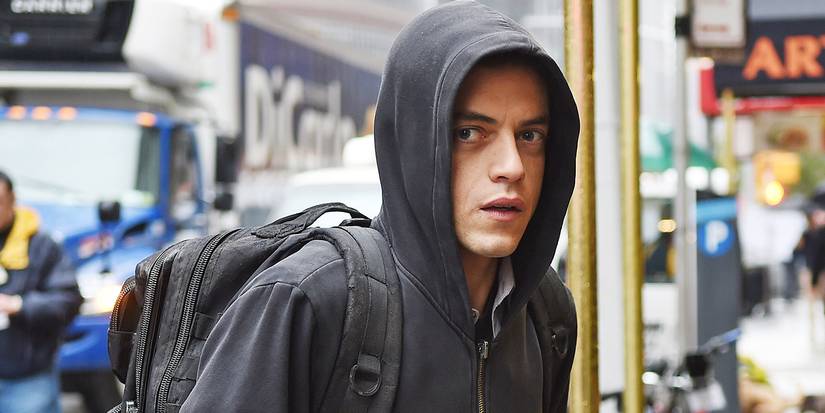 Image via USA Network
 Image via ABC
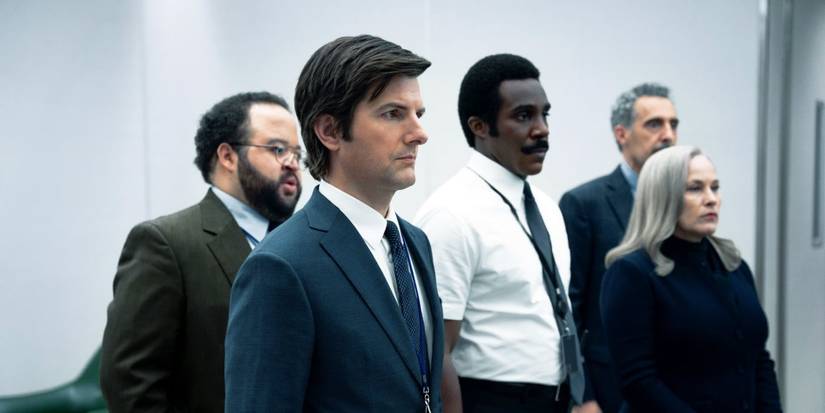 Image via Apple TV
 Image via Netflix
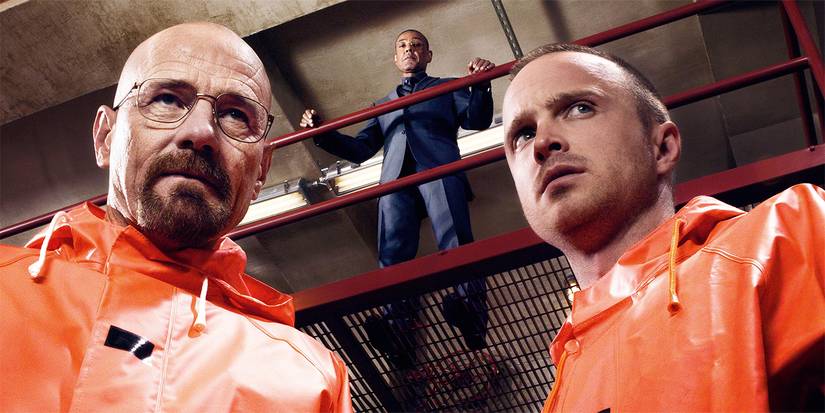 Image via AMC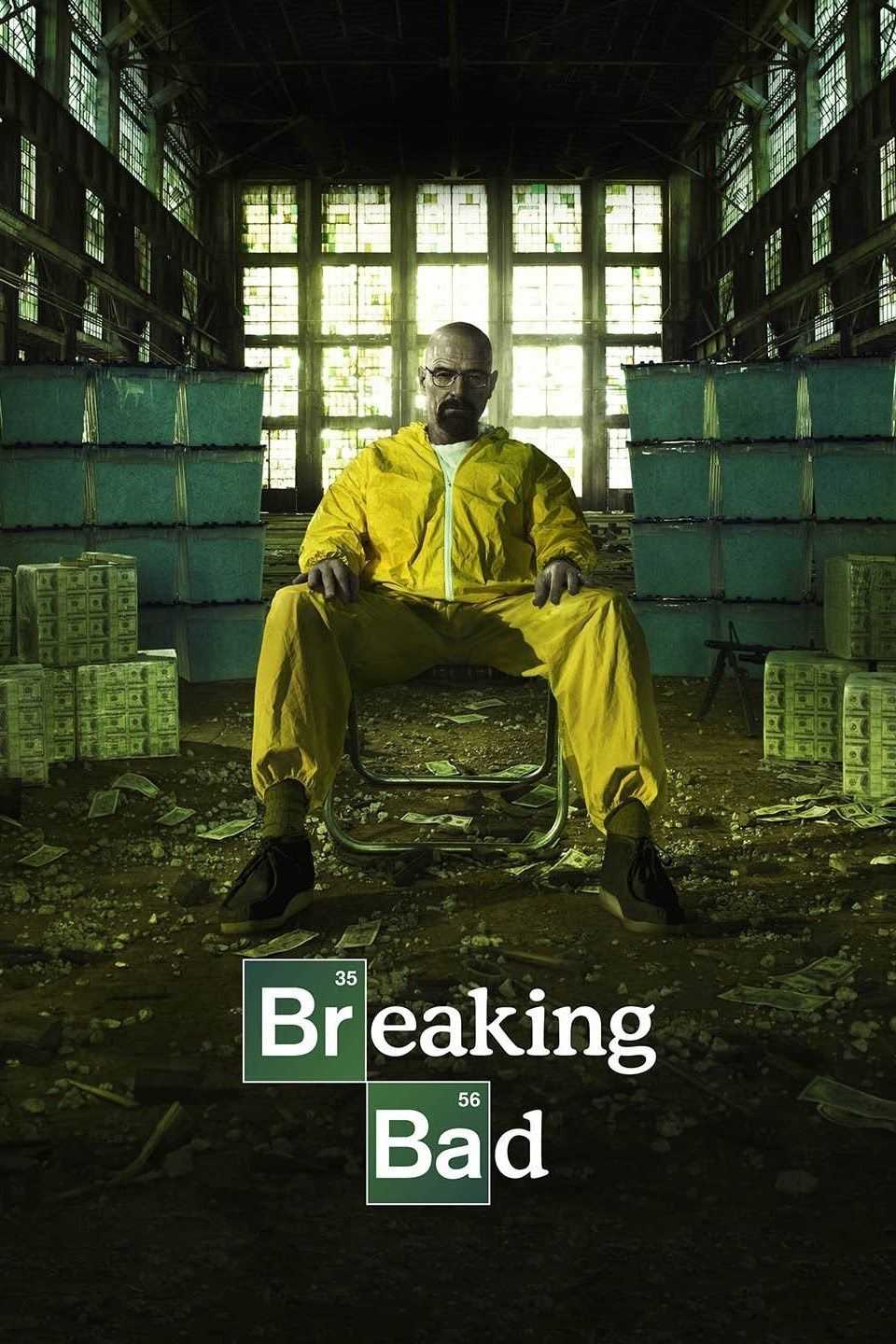








 English (US) ·