
War-horror gets remembered. Jump-scare horror gets replayed. Perfect horror is rarer, because it has to hold up when you already know what happens. The best ones still make you tense anyway, still make you watch characters make the wrong call, still make you feel the rules closing in. The rewatch test is the whole point here.
This ranking is built around movies that stay sharp on plot. That means, clear setups, clean rules (even when supernatural), scenes that escalate instead of loop, and characters who feel like actual people getting cornered. If there is a horror movie that you can remember that does dread, shock, and consequence without getting sloppy, you’ll likely find it below.
10 'It Follows' (2014)
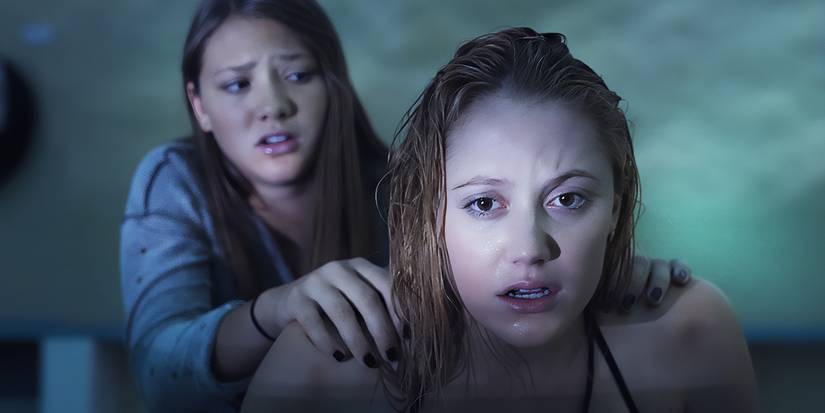 Image via Radius-TWC
It Follows gets under your skin because the threat turns ordinary spaces into hazards, suburbs, school hallways, a quiet street, places where you can’t simply lock a door and relax. The film follows a hookup that turns into Jay (Maika Monroe) meeting the hook face-to-face: something will follow her at walking pace, wearing random faces, and it won’t stop. This leads to Jay living in scan mode, reading crowds and distances, because the only real advantage she has is noticing it early and that’s almost the whole premise.
The supporting cast keeps it hitting because they argue like real people would. Paul (Keir Gilchrist) wants to help and keeps pushing plans that create new problems, because every solution carries its own moral mess. Kelly (Lili Sepe) and Yara (Olivia Luccardi) bring that mix of loyalty and disbelief that makes Jay feel isolated even when she’s surrounded. The pool sequence holds up because it’s a believable human attempt at control, gear, positioning, panic, followed by messy improvisation when the plan breaks.
9 'The Babadook' (2014)
 Image via Entertainment One
The Babadook lands because Samuel (Noah Wiseman) behaves like a child who’s been living next to a void for years, and Amelia (Essie Davis) looks like someone who hasn’t had a normal night in forever. Before anything supernatural shows up, the movie traps you in Amelia’s day-to-day: grief, sleeplessness, and a kid who’s burning through every adult’s patience. This is exactly what makes the escalation to horror then feel perfect for this movie.
Amelia snapping at school staff, the neighbor scenes, the way she starts treating Samuel like an enemy, those beats tighten the story. When possession becomes the main event, it tracks with everything you’ve watched build: her isolation, her resentment, her lack of support. Even the ending earns its place because the film treats the horror as something managed through routine.
8 'The Texas Chain Saw Massacre' (1974)
 Image Via Bryanston Distributing Company
The Texas Chain Saw Massacre, to this date, feels illegal, like you watched something you weren’t supposed to see. The movie is heat oppressive, the sound abrasive, and the violence ugly in a way that drains glamour from it. The Texas Chain Saw Massacre follows Sally Hardesty (Marilyn Burns), and it’s insane how completely she gets peeled down to survival. She starts as a regular person on a regular day, and the movie just keeps taking things away until she’s operating on instinct. Burns makes fear look physical. Her breathing goes jagged. Her voice cracks and thins out. Her screaming changes shape because her throat is wrecked.
And then of course there’s Leatherface (Gunnar Hansen), and he’s terrifying for the same reason. He reacts fast. He makes dumb mistakes. He doubles back. He gets frustrated. He keeps moving. He acts like he’s trying to handle a situation that’s slipping, using the only tools and habits he has. Like he’s not a monster, he’s a problem-solver with broken methods. And that makes him worse. The perfect part is how The Texas Chain Saw Massacre weaponizes the atmosphere as the main villain. The daylight is harsh, the house is a trap, and the family’s cruelty is casual.
7 'The Witch' (2015)
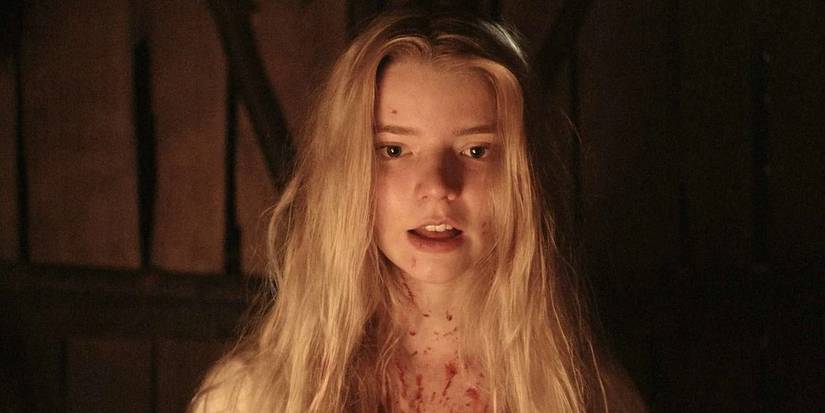 Image via A24
The Witch is brutal because it’s mostly people talking, looking, judging, and the tension keeps rising anyway. The film follows Thomasin (Anya Taylor-Joy) as the oldest daughter doing what she’s told, and the film keeps turning her into the obvious target. Someone’s always watching her. Someone’s always blaming her. The accusations don’t come all at once; they come in little pieces that stack until the family can’t see anything else. It’s pressure that doesn’t stop.
And what makes The Witch stick is how serious it is about the family falling apart. William (Ralph Ineson) keeps making choices that feel stubborn and small until they become dangerous. Katherine (Kate Dickie) keeps tightening her grip on grief until it turns into cruelty. The movie doesn’t rush to explain either and lets the distrust do most of the damage, and when the horror does show up, it doesn’t feel like a twist and that’s exactly why it’s perfect.
6 'Rosemary’s Baby' (1968)
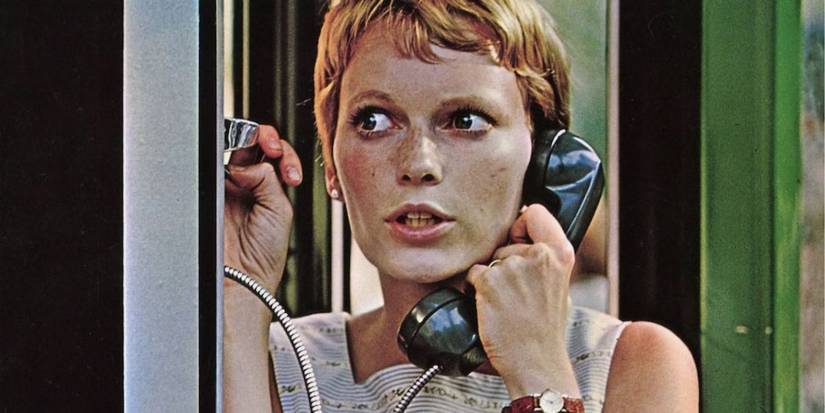 Image via Paramount Pictures
Rosemary’s Baby follows the story of Rosemary Woodhouse (Mia Farrow) who moves into a building full of people who treat access to her like a right: meals, visits, advice, concern, and constant small intrusions that add up to control. The movie then escalates through social pressure that becomes medical pressure, then becomes total life pressure — making it a perfect horror. Then there’s Guy Woodhouse (John Cassavetes) who keeps making ambition choices that place Rosemary deeper into the trap, and every reasonable justification makes it harder for her to fight back without getting labeled unstable.
The plot keeps stacking invasions with clean cause-and-effect. Hutch (Maurice Evans) gets treated like a nuisance the moment he raises alarms, cutting off Rosemary’s clearest ally. Dr. Sapirstein (Ralph Bellamy) tightens the medical lock once Guy steers her into that pipeline. Rosemary’s Baby doesn’t give you one big moment where it all becomes obvious. It gives you a long stretch of “maybe it’s fine” that keeps getting harder to believe. The movie’s tension is watching Rosemary try to be polite while her body and instincts are screaming at her.
5 'The Thing' (1982)
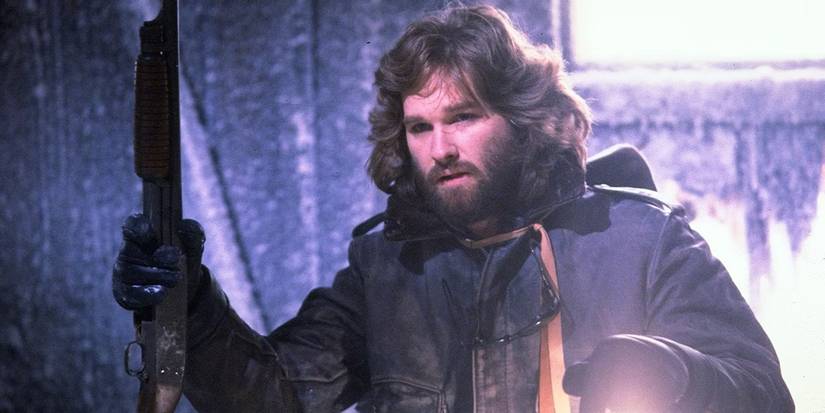 Image via Universal Pictures
The Thing is a paranoia movie that actually commits to the idea of horror instead of just saying “trust no one” and moving on. The monster isn’t the whole problem. The problem is that nobody at Outpost 31 has a reliable way to confirm who they’re talking to, which makes normal human behavior, hesitation, defensiveness, anger, look like guilt. It’s the fact that nobody can reliably tell who’s human. That turns every interaction into a risk calculation. If you trust the wrong person, you die. If you don’t trust anyone, you also die. The movie keeps narrowing the options until teamwork stops being a virtue and starts being a liability.
MacReady (Kurt Russell) is dealing with a problem that can’t be solved by strength or courage, because the core issue is verification. The alien can copy a person well enough to pass in normal conversation, so the usual movie logic, spot the creepy guy, isolate the monster — doesn’t apply. That’s why the tension keeps escalating: suspicion becomes the default, and the group starts making decisions based on fear instead of shared facts.
4 'Hereditary' (2018)
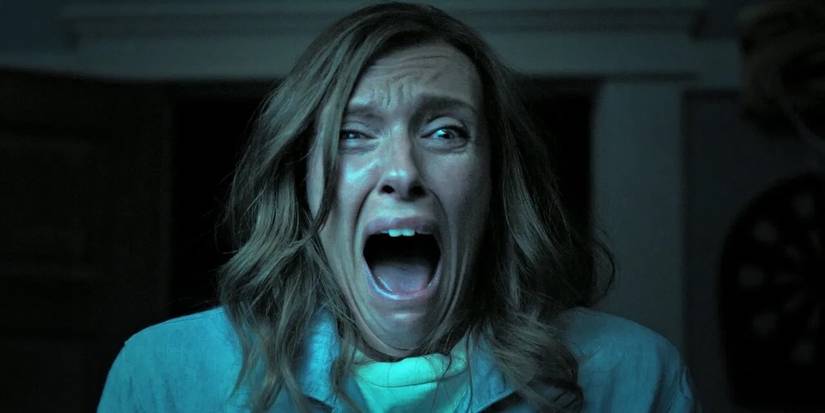 Image via A24
Hereditary is different. It’s raw emotion on display and starts as family pain and never lets you separate the horror from that pain. It’s an Ari Aster masterpiece in the truest sense. Annie Graham (Toni Collette) is trying to hold herself together and failing in ways that feel too real. The movie keeps showing how grief makes people say things they can’t take back. It keeps showing how a house can feel full of people and still feel like nobody is safe.
And Peter Graham (Alex Wolff) is trapped inside a situation he doesn’t understand and can’t undo. Steve Graham (Gabriel Byrne) keeps trying to make things normal, and the movie keeps proving that normal is gone. Hereditary is perfect because the scares feel like the next bad step after the last bad step. Even when the movie gets intense, it never turns into fun chaos. It stays heavy. It stays personal. It’s cruel without showing off.
3 'Halloween' (1978)
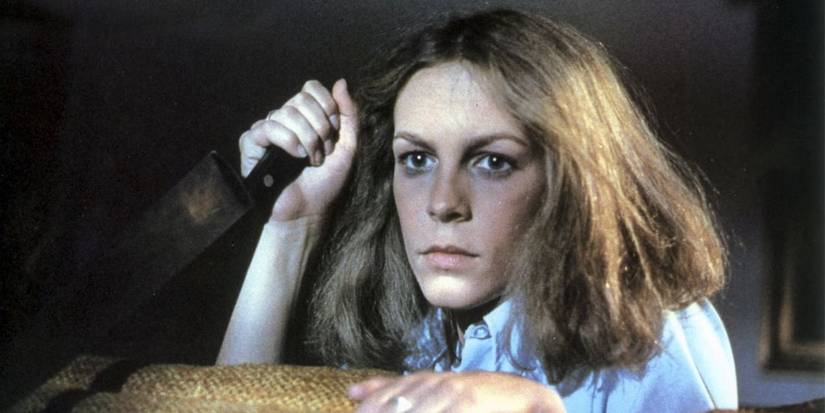 Image via Compass International Pictures
The king of Halloween movies, Halloween, is perfect because it takes normal streets and makes them feel unsafe without needing much. Laurie Strode (Jamie Lee Curtis) is careful and attentive, and the movie shows her noticing little things that don’t feel right, then realizing noticing doesn’t protect you. Michael Myers (Nick Castle) doesn’t talk, doesn’t explain, doesn’t perform. He’s just there, and that’s the whole point.
And that’s why even 48 years later, no Halloween party is complete without somebody dressed as Michael Myers. In the film, Dr. Sam Loomis (Donald Pleasence) also adds this constant warning energy that never fully helps. Halloween doesn’t rely on big twists. It relies on timing, quiet, and the feeling that the threat is close even when you can’t see it.
2 'Psycho' (1960)
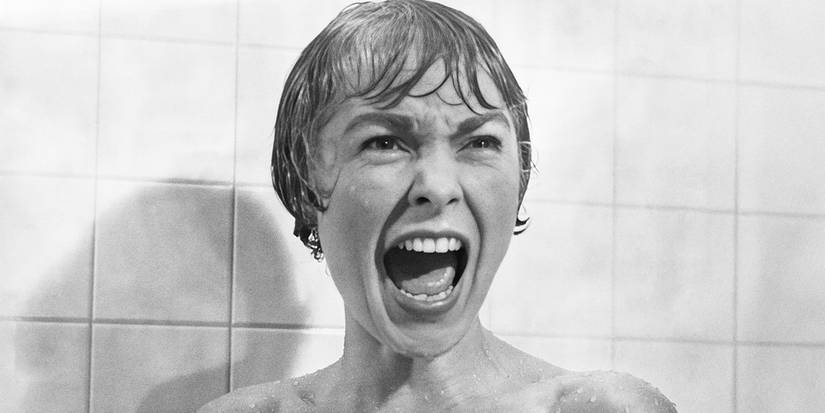 Image via Paramount Pictures
Psycho earns its spot by pulling the rug out so completely that the movie never returns to normal again. Marion Crane (Janet Leigh) starts as the entire engine. She’s your point of view, your moral argument, the person you’re tracking and second-guessing. Then Hitchcock removes her, cleanly and brutally, and the film keeps moving like it didn’t just erase its lead. That shock permanently breaks your sense of security. From that point on, you’re watching with the wrong instincts, waiting for the story to behave the way stories usually do, and it refuses.
Then Norman Bates (Anthony Perkins) is why the aftertaste lingers. He’s controlled, polite, and weirdly eager to be liked, which makes it easier to lean in and harder to back away. The film weaponizes that politeness: curiosity becomes the trap, and attention becomes danger. Even when Psycho starts giving you answers, the information doesn’t feel like relief, it feels like you arrived one step late, and now you’re just staring at the damage. Exactly how every horror needs to be.
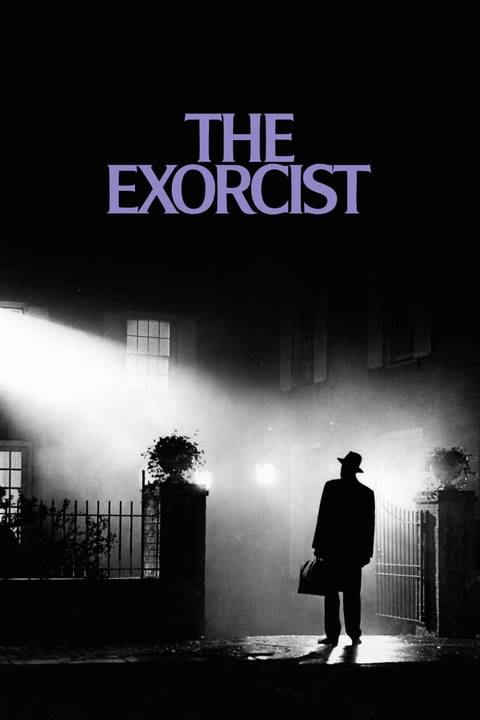
1 'The Exorcist' (1973)
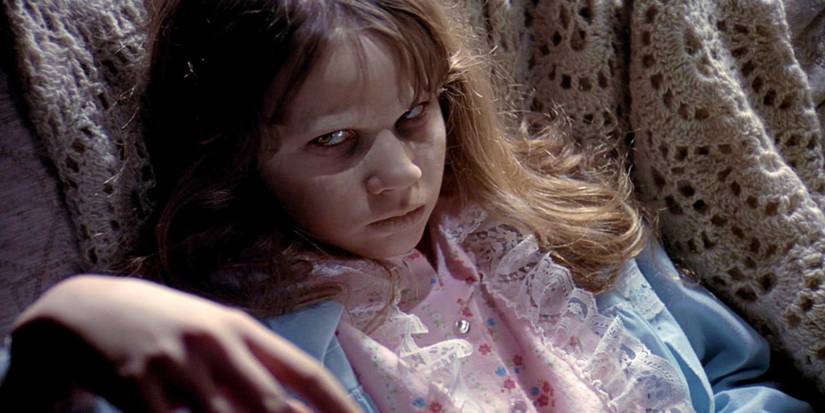 Image via Warner Bros.
The Exorcist is still the top because it feels like an ordeal. A child gets sick and the movie commits to process: doctors, tests, specialists, helplessness. It’s perfect because Chris MacNeil (Ellen Burstyn) tries everything a real parent would try before the story corners her into an option she doesn’t want to believe in. And when the priests enter, the conflict turns into endurance and weakness being exploited. Father Karras (Jason Miller) matters because doubt and grief come with him into the room, and that doubt becomes a pressure point the demon keeps attacking.
Father Merrin (Max von Sydow) arrives with a soldier’s focus, and the contrast between them keeps the confrontation grounded. The set pieces are famous, but the real power is the rhythm: baiting, resisting, losing stamina, continuing anyway. The primary beauty of The Exorcist is that Regan MacNeil (Linda Blair) is treated like a child in trouble, and that makes everything harder to watch. The film doesn’t turn possession into spectacle. No. It turns it into something humiliating and exhausting and grim. The ending doesn’t erase what happened. It leaves damage behind, and the movie doesn’t try to soften that. It’s serious all the way through.
The Exorcist
Release Date December 26, 1973
Runtime 122 minutes
Writers William Peter Blatty
-

-

Linda Blair
Regan MacNeil


 English (US) ·