
 Image via Warner Bros.
Published Aug 22, 2026, 8:29 AM EDT
Diego Pineda has been a devout storyteller his whole life. He has self-published a fantasy novel and a book of short stories, and is actively working on publishing his second novel.
A lifelong fan of watching movies and talking about them endlessly, he writes reviews and analyses on his Instagram page dedicated to cinema, and occasionally on his blog. His favorite filmmakers are Andrei Tarkovsky and Charlie Chaplin. He loves modern Mexican cinema and thinks it's tragically underappreciated.
Other interests of Diego's include reading, gaming, roller coasters, writing reviews on his Letterboxd account (username: DPP_reviews), and going down rabbit holes of whatever topic he's interested in at any given point.
Sign in to your Collider account
In 1968, the Motion Picture Association of America introduced the R rating, replacing the old censorial Hays Code with a system to more effectively let parents know about a film's mature contents. Over the course of the past 50 years in particular, the R rating has given us several of the greatest science fiction movies ever made. They may not be for kids, but they sure are essential viewing for any sci-fi fan old enough to experience them.
Whether it's a brutal post-apocalyptic action movie like Mad Max: Fury Road, a space exploration horror thriller like Alien, or any other sort of sci-fi gem that the MPA deemed worthy of an R rating, these truly are some of the greatest movies that the genre has ever produced. They may be bloody, sexually graphic, or simply too dark to be family-friendly; but in any case, they're absolutely legendary.
10 'Donnie Darko' (2001)
 Image via Newmarket Films
The 1990s were deeply transformative for cult cinema, shifting away from midnight theater screenings while taking advantage of the booming popularity and democratization of home video. It was thanks to masterpieces as iconic as Donnie Darko, one of the biggest sci-fi cult classics of the 21st century, that the midnight circuit of cult cinema regained its popularity throughout the 2000s.
Much like a lot of the best cult classics of all time, Donnie Darko was an all-around failure upon release, only growing in popularity as the years went on. Today, it's widely recognized as one of those sci-fi movies that get better with every rewatch, a genre-blending masterpiece that's as thought-provoking as it is delightfully bizarre. In spite of its R rating, it's one of the most essential coming-of-age teen sci-fi movies ever made.
9 'Mad Max: Fury Road' (2015)
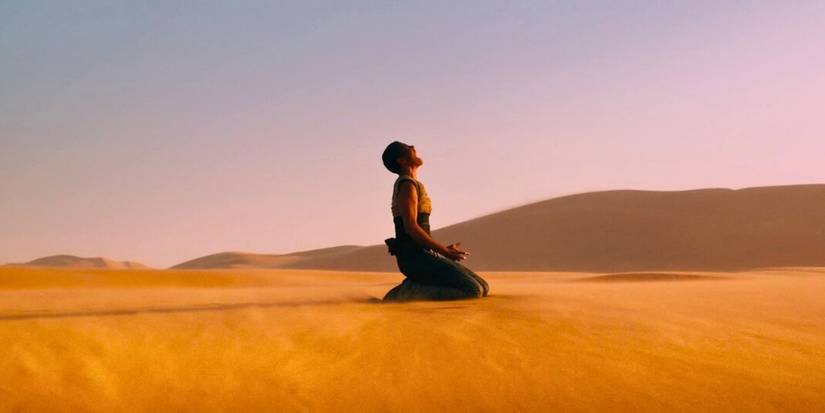 Image via Warner Bros. Pictures
After the tragic passing of his close friend and producing partner Byron Kennedy, George Miller distanced himself from the world of Mad Max following the critical disappointment that was Beyond Thunderdome. He came up with ideas for a fourth installment in the late '90s, but it wouldn't be until 2015—a whopping 30 years after the release of its predecessor—that Mad Max: Fury Road would finally see the light of day.
In the end, Fury Road turned out to be not only the best Mad Max installment to date, but even one of the best sci-fi action movies in film history. Full of delectably over-the-top action and world-building that only a director as masterful as Miller could have possibly gotten away with, it's a perfectly-shot, perfectly-edited, and perfectly-paced two-hour chase scene that doesn't lose any of its punch on rewatch.
8 'The Matrix' (1999)
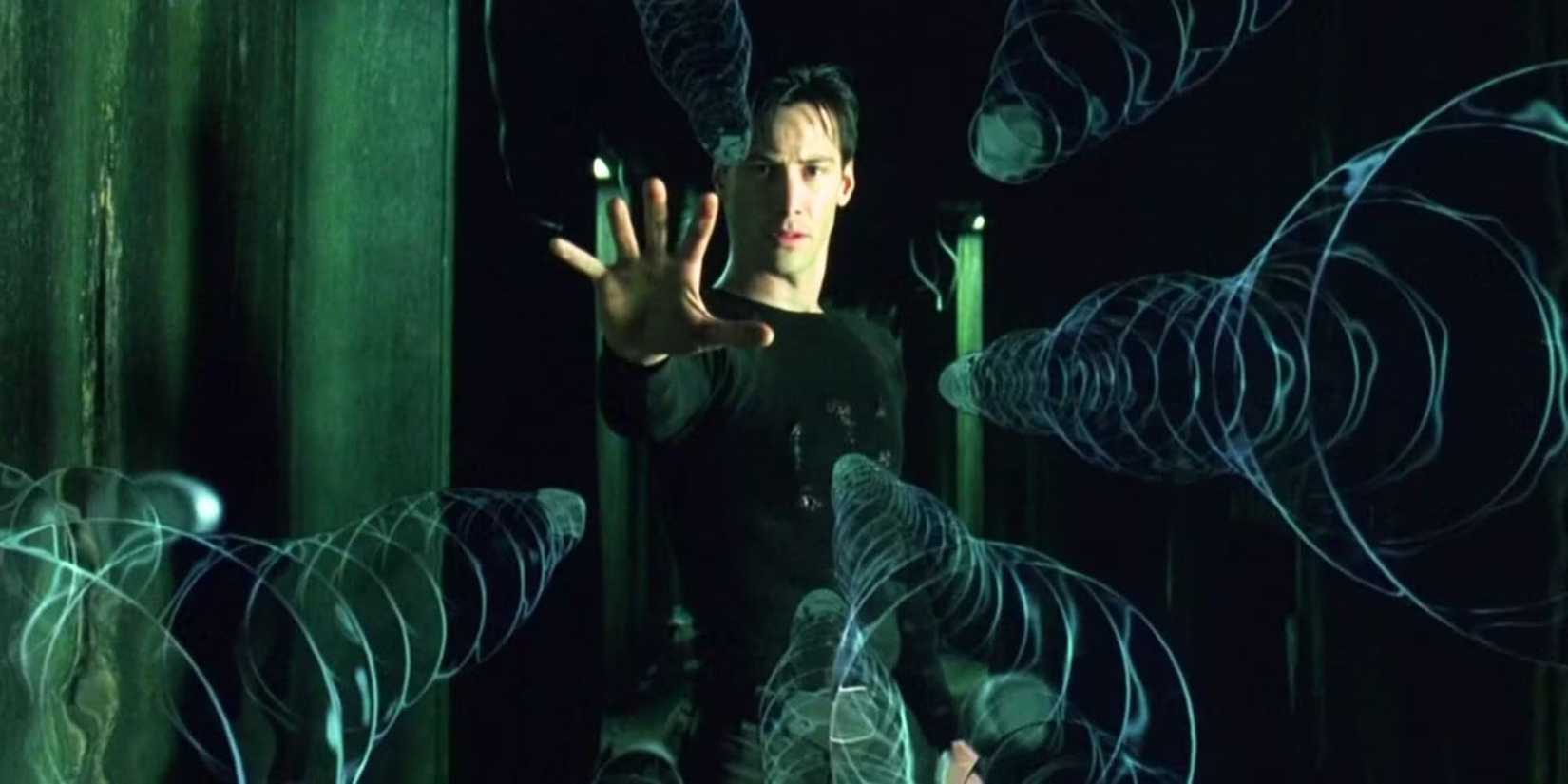 Image via Warner Bros. Pictures
Back in 1999, the Wachowskis' The Matrix proved downright revolutionary in several senses. Its visual effects broke new ground in the industry, its highly philosophical story and trans allegory showed a new face of what Hollywood sci-fi action was capable of, and its pastiche action scenes inspired by anime and martial arts films changed the face of Hollywood action.
It's still widely remembered as one of the best sci-fi movies since 1990, a modern classic that has become one of the most essential cornerstones of sci-fi pop culture. Incredibly entertaining, incredibly thought-provoking, and incredibly stunning in terms of its timeless production values, it's the sort of R-rated sci-fi gem that simply doesn't get old.
7 'The Terminator' (1984)
 Image via Orion Pictures
Canadian visionary James Cameron is nowadays well-known as a master of pushing boundaries and breaking new ground in Hollywood, but that wasn't always the case. Rolling into 1984, the only feature under his belt was Piranha II: The Spawning. He needed a genuine hit in order to establish himself as a respectable filmmaker, and The Terminator ended up being exactly what he needed—and then some.
Where can one even begin singing the praises of this essential '80s classic? It's one of the most perfectly-plotted sci-fi movies ever made, full of iconic characters and unforgettable moments, and the masterpiece that further propelled Arnold Schwarzenegger into international superstardom. The '80s are full of foundational sci-fi classics, and this is undoubtedly one of the best and most important.
6 'The Thing' (1982)
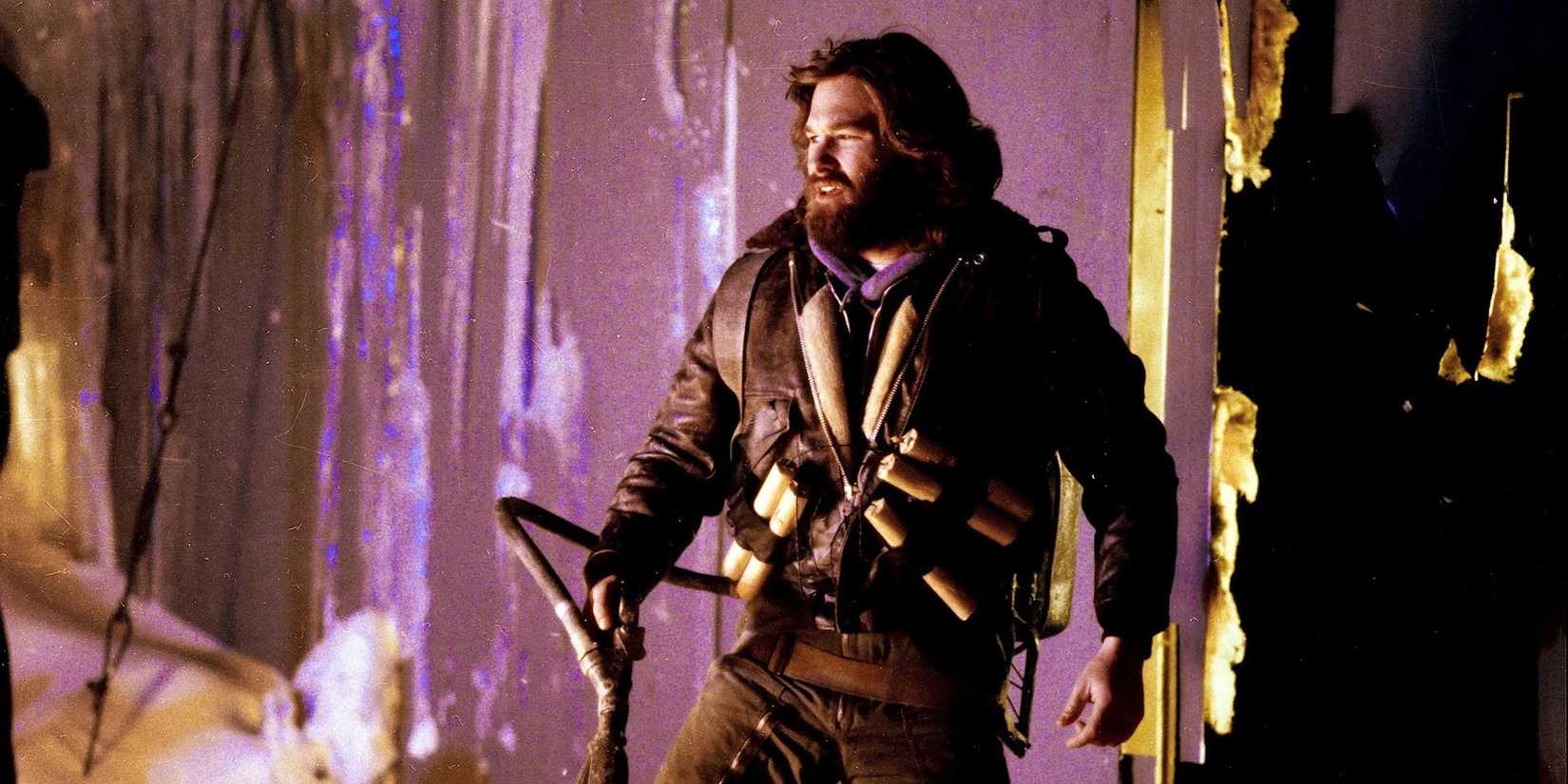 Image via Universal Pictures
If there were a hypothetical Mount Rushmore of horror filmmakers, then John Carpenter would definitely need to be right up there as one of the most important, subversive, and groundbreaking directors that the genre has ever seen. For proof, one needn't look much further than The Thing, which is far and away one of the scariest sci-fi movies of all time.
Carpenter designed the film to be a more faithful adaptation of John W. Campbell Jr.'s novella Who Goes There? than 1951's The Thing from Another World. In the end, he succeeded not only at that, but also in making one of the most powerfully atmospheric, visually striking, and perfectly-acted sci-fi horror movies the big screen has ever seen. Carpenter's filmography is packed with gems that could very reasonably be considered his magnum opus, and this is one of the strongest contenders.
Collider Exclusive · Sci-Fi Survival Quiz Which Sci-Fi World Would You Survive? The Matrix · Mad Max · Blade Runner · Dune · Star Wars
Five universes. Five completely different ways the future went wrong — or sideways, or up in flames. Only one of them is the world your instincts were built for. Eight questions will figure out which dystopia, galaxy, or desert wasteland you'd actually make it out of alive.
💊The Matrix
🔥Mad Max
🌧️Blade Runner
🏜️Dune
🚀Star Wars
TEST YOUR SURVIVAL →
01
You sense something is deeply wrong with the world around you. What do you do? The first instinct is often the truest one.
APull on every thread until I understand the system — then figure out how to break it. BStop asking questions and start stockpiling — food, fuel, weapons. Questions don't keep you alive. CKeep my head down, observe carefully, and trust no one until I know who's pulling the strings. DStudy the patterns. Every system has a rhythm — learn it, and you learn how to survive it. EFind the people fighting back and join them. You can't fix a broken galaxy alone.
NEXT QUESTION →
02
In a world of scarcity, what resource do you guard most fiercely? What we protect reveals what we believe survival actually requires.
AKnowledge. If you understand the system, you don't need resources — you can generate them. BFuel. Everything else — movement, power, escape — runs on it. CTrust. In a world of fakes and informants, a truly reliable ally is rarer than any commodity. DWater. And after water, information — the two things empires are truly built on. EShips and credits. The galaxy is big — you survive it by being able to move through it freely.
NEXT QUESTION →
03
What kind of threat keeps you up at night? Fear is useful data — if you're honest about what you're actually afraid of.
AThat reality itself is a lie — that everything I experience has been constructed to keep me compliant. BA raid. No warning, no mercy — just the roar of engines and then nothing left. CBeing identified. Once someone with power decides you're a problem, you're already out of time. DBeing outmanoeuvred — losing a political game I didn't even know I was playing. EThe Empire tightening its grip until there's nowhere left to run.
NEXT QUESTION →
04
How do you deal with authority you don't trust? Every dystopia has a power structure. Your approach to it determines everything.
ASubvert it from the inside — learn its rules well enough to weaponise them against it. BIgnore it and stay out of its reach. The further from any power structure, the better. CAppear to comply while doing exactly what I need to do. Visibility is the enemy. DManoeuvre within it carefully. You can't beat a system you refuse to understand. EResist openly when I have to. Some things are worth the risk of being seen.
NEXT QUESTION →
05
Which environment could you actually endure long-term? Survival isn't just tactical — it's physical, psychological, and very much about where you are.
AUnderground bunkers and server rooms — cramped, artificial, but with access to everything that matters. BOpen wasteland — brutal sun, no shelter, constant movement. At least the threat is honest. CA dense, rain-soaked city where you can disappear into the crowd and nobody asks questions. DMerciless desert — extreme heat, no water, and something enormous living beneath the sand. EThe fringe — backwater planets and busy spaceports where the Empire's attention rarely reaches.
NEXT QUESTION →
06
Who do you want in your corner when things fall apart? The company you keep is the clearest signal of who you actually are.
AA tight crew of believers who've seen behind the curtain and have nothing left to lose. BOne or two people I'd trust with my life. Any more than that and someone talks. CNobody, ideally. Alliances are liabilities. I work alone unless I have no choice. DA community bound by shared hardship and mutual survival — people who need each other to last. EA ragtag team with wildly different skills and total commitment when it counts.
NEXT QUESTION →
07
Where do you draw the line — if you draw one at all? Every survivor eventually faces a moment that tests what they're actually made of.
AI won't harm the innocent — even the ones who'd report me without hesitation. BI do what I have to to protect the people I've chosen. Everything else is negotiable. CThe line shifts depending on who's asking and what's at stake. DI draw a long-term line — nothing that compromises my people's future, even if it'd help now. ESome lines, once crossed, can't be uncrossed. I know which ones they are.
NEXT QUESTION →
08
What would actually make survival worth it? Staying alive is one thing. Having a reason to is another.
AWaking others up — dismantling the illusion so no one else has to live inside it. BFinding somewhere — or someone — worth protecting. A reason to keep moving. CAnswers. Understanding what I am, what any of this means, before time runs out. DLegacy — shaping the future in a way that outlasts me by generations. EFreedom — for myself, for others, for every world still living under someone else's boot.
REVEAL MY WORLD →
Your Fate Has Been Calculated You'd Survive In…
Your answers point to the world your instincts were built for. This is the universe your temperament, your survival instincts, and your particular brand of stubbornness were made for.
The Matrix
You took the red pill a long time ago — probably before anyone offered it to you. You're a systems thinker who can't help but notice the seams in things.
- You're drawn to understanding how the system works before figuring out how to break it.
- You'd find the Resistance, or it would find you — your instinct for spotting constructed realities is the machines' worst nightmare.
- You function best when you have access to information and the freedom to act on it.
- The Matrix built an airtight prison. You'd be the one probing the walls for the door.
Mad Max
The wasteland doesn't reward the clever or the well-connected — it rewards those who are hard to kill and harder to break. That's you.
- You don't need comfort, community, or a cause larger than the next horizon.
- You need a vehicle, a clear threat, and enough fuel to outrun it — and you're good at all three.
- You are unsentimental enough to survive that world, and decent enough — just barely — to be something more than another raider.
- In the wasteland, that distinction is everything.
Blade Runner
You'd survive here because you know how to exist in moral grey areas without losing yourself completely.
- You read people accurately, keep your circle small, and ask the questions others prefer not to answer.
- In a city where humanity is a legal designation rather than a feeling, you hold onto something that keeps you functional.
- You're not a hero. But you're not lost, either.
- In Blade Runner's world, that distinction is everything.
Dune
Arrakis is the most hostile environment in the known universe — and you are precisely the kind of person it rewards.
- Patience, discipline, and political awareness are your core strengths — and on Arrakis, they're survival tools.
- You understand that the long game matters more than any single victory.
- Others come to Dune and are consumed by it. You'd learn its logic and earn its respect.
- In time, you wouldn't just survive Arrakis — you'd begin to reshape it.
Star Wars
The galaxy far, far away is vast, loud, and in a constant state of violent political upheaval — and you wouldn't have it any other way.
- You find meaning in being part of something larger than yourself — a cause, a crew, a rebellion.
- You'd gravitate toward the Rebellion, or the fringes, or whatever pocket of the galaxy still believes the Empire's grip can be broken.
- You fight — not because you have to, but because standing aside isn't something you're capable of.
- In Star Wars, that willingness is what makes all the difference.
↻ RETAKE THE QUIZ
5 'Eternal Sunshine of the Spotless Mind' (2004)
There's a very strong argument to be made that Charlie Kaufman is the single greatest screenwriter currently working in Hollywood, and there's probably no better proof of that than the movie that earned him his first and only Best Screenplay Oscar: Michel Gondry's Eternal Sunshine of the Spotless Mind. Starring Jim Carrey and Kate Winslet, both delivering some of the strongest work of their careers, it's built on one of the best screenplays in film history.
Its science fiction elements are relatively subtle, and all in perfect service of a poignantly raw, realistic, and emotionally riveting exploration of love, connection, and the power of memories. Kaufman and Gondry flawlessly balance surrealism and character-driven drama in such a way that Eternal Sunshine has aged wonderfully as the greatest R-rated sci-fi film of the 21st century so far.
4 'Blade Runner' (1982)
 Image via Warner Bros. Pictures
Back in 1982, Ridley Scott's Blade Runner was nothing short of a catastrophic failure both commercially and critically. Little did anyone know, home video would eventually allow it to become a cult classic of such a tremendous caliber that today, it's a sci-fi classic that's just about as mainstream as they come. Today, one could point at it as one of the most massively influential films the genre has ever produced.
Blade Runner is, indeed, one of the best sci-fi movies in film history. Based on the dystopian novel Do Androids Dream of Electric Sheep? by Philip K. Dick, it's one of the most essential and special neo-noir movies of the latter half of the 20th century. Wonderfully directed, written with the utmost patience and intelligence, and bolstered by Vangelis' flawless score, it really is one of the greatest Hollywood masterpieces of the '80s.
3 'Children of Men' (2006)
 Image via Universal Pictures
Alfonso Cuarón has spent his entire career enshrining himself as one of the most incredible filmmakers in both Mexico and Hollywood, but well before he was an Oscar-winning auteur, he made Children of Men. This is one of those sci-fi movies that are definitely not for kids, a dystopian action thriller based on P. D. James' 1992 novel of the same title.
It's one of the sci-fi movies from the past couple of decades that have aged the best, its messages on the importance of compassion, the collapse of human civilization, and the treatment of refugees around the world still being awfully timely in 2026. With its incredible cast, its perfect script, and Cuarón's airtight and technically masterful direction, it's a must-see for anyone who loves dystopian sci-fi and bleak action thrillers.
2 'Terminator 2: Judgment Day' (1991)
 Image via Tri-Star Pictures
As fantastic as The Terminator was, it would be an understatement to say that James Cameron one-upped himself in virtually every sense imaginable with the film's sequel, Terminator 2: Judgment Day. At the time of its release, this action epic was the single most expensive movie ever made. Every single one of those pennies went exactly where they needed to go, because Terminator 2 still feels like a refreshingly modern action thriller over three decades after its release.
There are only a few R-rated action movies that can be called masterpieces from top to bottom, and it's pretty much beyond any sort of debate that Terminator 2 is one of them. The way it blends jaw-dropping action sequences with a surprisingly emotional story full of compelling character dynamics has aged like fine wine, resulting in a gem that's an absolute masterclass in how to make a timeless R-rated sci-fi movie.
1 'Alien' (1979)
 Image via 20th Century Fox
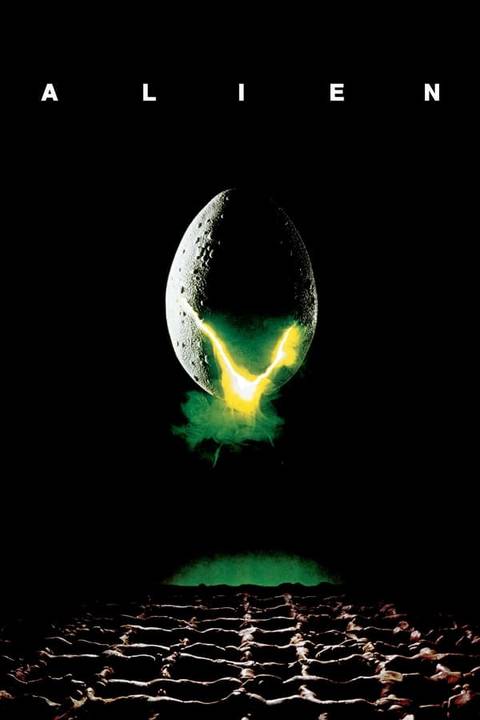
Before Blade Runner flopped, Ridley Scott's Alien was a major R-rated sci-fi hit. Today, it's still widely remembered as both one of the greatest sci-fi films and one of the greatest horror films of all time. It altogether revolutionized sci-fi horror, proving that a slow-burning atmosphere and a character-driven approach could make the genre far scarier and more emotionally compelling than it ever had been before.
What's not to love about Alien if you love either science fiction or horror? It contains some of the strongest visuals either genre has ever seen, some of the most iconic scenes in all of New Hollywood cinema, and one of the best final girls in horror movie history, in the form of Sigourney Weaver's legendary Ellen Ripley. It's pretty much the perfect R-rated sci-fi masterpiece, and a must-see for sci-fi lovers.
Alien
Release Date June 22, 1979
Runtime 117 Minutes
Writers Dan O'Bannon, Ronald Shusett







 English (US) ·