The 10 Greatest Fantasy Cult Classic Movies, Ranked
3 days ago
12
Image via Tri-Star Pictures
Published Oct 6, 2026, 7:03 AM EDT
Ryan Heffernan is a Senior Writer at Collider. Storytelling has been one of his interests since an early age, with his appreciation for film and television becoming a particular interest of his during his teenage years.
This passion saw Ryan graduate from the University of Canberra in 2020 with an Honours Degree in Film Production. In the years since, he has found freelance work as a videographer and editor in the Canberra region while also becoming entrenched in the city's film-making community.
In addition to cinema and writing, Ryan's other major interest is sport, with him having a particular love for Australian Rules football, Formula 1, and cricket. He also has casual interests in reading, gaming, and history.
From the dystopian intrigue of science fiction to the tantalizing terror of horror, there are several genres that can lay claim to being the greatest contributors to the ranks of cult classic cinema. Chief among them is fantasy, with the genre’s penchant for otherworldly wonder, magic and mysticism, and beautifully bizarre and bold story worlds imbuing it with a transfixing splendor that has appealed to niche audiences for decades.
Whether they’re charming viewers with their thrilling sense of escapism, stunning them with their cutting-edge practical effects, or simply making an impression with their imposing sense of ambition and originality, many of these fantasy flicks aren’t just glimmering gems of cult fandom. Instead, they stand tall among the greatest achievements in genre-centric filmmaking. Perhaps unsurprisingly, given the decade’s dominion over cult cinema, the 1980s feature on this list in abundance, but everything from decades-old delights to underappreciated modern marvels defines the ravishing allure of cult fantasy film at its best.
10
'Dragonheart' (1996)
Image via Universal Pictures
There’s a corniness to Dragonheart that undeniably plays in its favor when it comes to evaluating it as a forgotten cult gem of fantasy adventure fun. Its flaws are certainly noticeable, from the distractingly janky CGI to the violently oscillating tone that swerves between kid-friendly chaos and gritty medieval drama. Yet, within every misstep there is an earnestness and ambition that is so sincere in its execution that it becomes entirely endearing.
The largely forgotten 1996 movie unfolds as a disillusioned dragon-hunting knight forms an uneasy bond with the last living dragon—the Sean Connery-voiced Draco—to bring an end to the rule of a tyrannical king whose grasp on immortality is intricately linked to Draco. Its heroic stakes mix wonderfully with its borderline buddy-comedy emotional heart to make for one of the more arresting fantasy gems of its decade. Randy Edelman’s score and director Rob Cohen’s commitment to simple fun further contribute to its success.
9
'Dungeons & Dragons: Honor Among Thieves' (2023)
Image via Paramount Pictures
When Paramount Pictures announced that an adaptation of Dungeons & Dragons had been greenlit for production, many fantasy lovers let out a collective groan of dismissive disgust. Sometimes, however, cinema throws up a pleasant surprise that no one saw coming. Dungeons & Dragons: Honor Among Thieves presents a lively marriage of high-concept fantasy and playful heist thrills as it follows a ragtag band of unlikely adventurers whose efforts to retrieve a long-lost relic land them in the midst of a potentially world-ending evil.
While it isn’t immune to the occasional misfire, the movie largely thrives by combining the epic scale of blockbuster spectacle with a fun and energized procession that stays true to the unpredictability and frenetic fervor of the tabletop game. Sadly, preconceived notions led many to initially reject it, leading to an underwhelming box office intake. However, Dungeons & Dragons: Honor Among Thieves has seen more success on streaming, making it not only one of the more entertaining cult classics of fantasy film, but one of the more defining hits of cult cinema across all genres of the 2020s so far.
8
'Dragonslayer' (1981)
Image via Paramount Pictures
Combining the otherworldly adventure of medieval fantasy with a fierce and gritty tone that pushed Walt Disney Productions to its darkest edges, Dragonslayer marks an engrossing and surprisingly ageless descent into the genre. Besieged by a terrible dragon, Urland enters into an oppressive arrangement that includes the kingdom routinely sacrificing young virgin girls to appease the devastating beast. When the princess is selected to be the next sacrifice, the king commissions an aging wizard and his apprentice to rid the dragon from the land forever.
Awake to the power dynamics of kings, princesses, and peasants, Dragonslayergrounds its story world in a sense of grim, realistic maturity that works perfectly in tandem with the visuals, be it the atmospheric richness of the bleak and hostile physical settings or the spellbinding realization of the dragon, Vermithrax Pejorative. While this tonal dare and more coarse and piercing presentation may have been factors in Dragonslayer’s initial box office despair, those qualities have ensured its endurance as a cult fantasy favorite.
7
'The Dark Crystal' (1982)
Image via Universal Pictures
Marking the first-ever movie comprised entirely of puppets, The Dark Crystal is a milestone for practical effects and advanced animatronics. While this approach may seem playful and fun-loving, the movie combines it with a dark and disconcerting aesthetic that revels in the creeping, imaginative evils fantasy storytelling can produce. Jim Henson was inspired by The Brothers Grimm fairy tales to walk a fine line between kid-friendly fantasy and eerie unease.
The movie transpires in the fantasy land of Thra, where a young Gelfling named Jen (Jim Henson) is bestowed the task of retrieving the missing piece of an enchanted crystal before a looming solar event, or else the evil Skesis will rule the planet forever. With many torn between the impressive depth of its story, characters, and production, and the much darker, more dramatic tone compared to Henson’s previous works, The Dark Crystal had a mixed reception initially. Critical re-evaluation and a growing cult following have seen it endure as one of fantasy cinema’s most defining cult gems.
6
'Ladyhawke' (1985)
Image via Warner Bros.
The ‘80s certainly knew how to incorporate sweeping emotional stakes into their spectacles of excess and bombast, a point that is particularly clear in Ladyhawke’s ability to mix high-concept fantasy magic with tragic romance. Captain Etienne (Rutger Hauer) and Isabeau (Michelle Pfeiffer) are lovers separated by a curse that sees Etienne take the form of a wolf by night while Isabeau lives as a hawk by day. They enlist the help of Phillipe (Matthew Broderick), a young thief, as they set out to overthrow the corrupt bishop that bewitched them.
In many respects, Ladyhawke feels uncoordinated in how it is pieced together. The pacing is self-indulgent, logic is treated as suggestive, and, most notably, Andrew Powell’s progressive, synth-infused rock score clashes ferociously with the movie’s 13th-century setting. Yet, it’s never anything short of enchanting. For all its shortcomings, Ladyhawkedemands celebration for its audacity to be completely unique. That it does have a tendency to ensnare viewers in its big-swing emotional grandeur is an added benefit that makes the largely forgotten fantasy cult gem so easily enjoyed by many genre lovers the world over.
5
'Labyrinth' (1986)
Image via Tri-Star Pictures
Another cult classic that is quintessentially ‘80s not only in style and aesthetic, but in sheer excess and ambition as well, Labyrinth is now revered as one of the greatest cult hits of all cinema. It’s difficult to pinpoint what exactly its defining quality is. David Bowie’s hypnotic villainous performance and soundtrack play a part, but so too do Jim Henson’s charismatic puppetry and direction, the surreal imagery of the set design, and the peculiar mixture of fairy tale heroics and dark coming-of-age drama.
Jennifer Connelly stars as Sarah, a 16-year-old girl who ventures into a mystical labyrinth to rescue her baby brother after she wished him away in anger. Confronted by the Goblin King, Jareth (Bowie), she is given just thirteen hours to solve his maze before her brother is lost forever. Labyrinth initially baffled critics and viewers, but the film’s arresting visuals and kinetic marriage of puppetry and performance have enshrined it as one of the defining cult gems of the ‘80s and an essential viewing experience for all lovers of fantasy cinema.
4
'The Fall' (2006)
Image via Roadside Attractions
The 2000s were a golden era for fantasy cinema, but amid the litany of great titles the genre produced across the decade, one that has never gotten the credit it deserves is 2006’s The Fall. An awe-inspiring production, the film was shot at intervals in 24 different countries over four years. The result is one of the most visually spectacular marvels cinema has ever been treated to, a painterly beauty that captures a breathtaking sense of otherworldly adventure without a single green screen.
More than just a feat of filmmaking, however, The Fall delivers a powerful story of escapism and humanity. In it, a paralyzed movie stuntman in a hospital in 1920s L.A. tells a young girl with a broken arm an astonishing story of six heroes who band together to defeat a powerful evil. Despite its initial critical dismissal and horrific box office performance, The Fall has become a true cult gem of fantasy cinema through the conviction of Tarsem’s direction, its clever emphasis on the purpose of storytelling, and the striking visual majesty of the finished product.
3
'Stardust' (2007)
Image via Paramount Pictures
Another hidden gem of the 2000s that has never received the widespread credit it so thoroughly deserves, Stardust excels as an enrapturing romantic adventure that fills its epic scale with a litany of unforgettable characters, mesmerizing worldbuilding, and a rousing tale of true love and self-discovery. Charlie Cox stars as Tristan, a lovestruck boy who ventures into the magical land of Stormhold to retrieve a fall star for his beloved. However, when he discovers the star is actually a woman being pursued by evil witches and ruthless princes for her power, he struggles to keep Yvaine (Claire Danes) ahead of her pursuers while deciding what exactly he wants for himself.
Its mixture of swashbuckling action-adventure, self-aware comedic wit, and genuine romantic stakes makes for an absorbing masterpiece, bolstered by its cozy comfort-watch warmth and incredible ensemble cast. Heavily inspired by The Princess Bride, director Matthew Vaughn captures an air of light-hearted fun that plays with genre clichés lovingly rather than with cynicism or sanctimonious arrogance.
2
'Excalibur' (1981)
Image via Warner Bros.
Perhaps more so than any other movie feature on this list, Excalibur feels like a cult movie that should have been an outright genre-defining classic. Director John Boorman envisions Arthurian legend not as being a heroic fairy tale of chivalry and honor, but as a bloody and grandiose descent into the darkest catacombs of ambition, power, and violence. The medieval fantasy follows Arthur (Nigel Terry) as he retrieves Excalibur and becomes the new king before rallying his knights to rise against his evil half-sister, Morgana (Helen Mirren), while being advised by the wizard Merlin (Nicol Williamson).
In lieu of wholesome escapism, Excalibur conjures a sense of feverish intensity that is beautifully bolstered by grounded, practical filmmaking and surreal lighting techniques that imbue it with majesty and mysticism. Through its dark and gritty tone, it also finds an air of operatic gravitas that imposes itself on viewers in every quiet, meditative moment and every chaotic battle sequence. The result is a masterpiece of dark fantasy drama that should be heralded as one of the most daring and visually breathtaking pictures the genre has ever seen.
1
'The Princess Bride' (1987)
Image via 20th Century Studios
If anyone were to suggest that The Princess Bride has broken free of any “cult hit” label to now exist simply as an outright classic of fantasy cinema, it would be difficult to argue. However, the 1987 amalgamation of fantasy adventure, quirky comedy, romantic yearning, and meta-storytelling still presents a convergence of ideas and styles that epitomizes the impressionable fervor of cult cinema at its triumphant best.
Adapted by William Goldman from his novel, it unfolds as a farmer-turned-swashbuckling pirate fights to free his true love from an arranged marriage with a cruel prince. In his romantic conquest, he finds unlikely allies in a kind-hearted giant and a Spanish swordsman hell-bent on avenging his father. Its enduring legacy is propped up by faultless pacing, iconic performances, endlessly quotable dialogue, and spirited, genre-mixing magnificence. The Princess Bride is a cherished favorite of fantasy cinema, a quintessential highlight of ‘80s fun, and one of the most universally beloved cult movies of all time.

 Image via Tri-Star Pictures
 Image via Universal Pictures
 Image via Paramount Pictures
 Image via Paramount Pictures
 Image via Universal Pictures
 Image via Warner Bros.
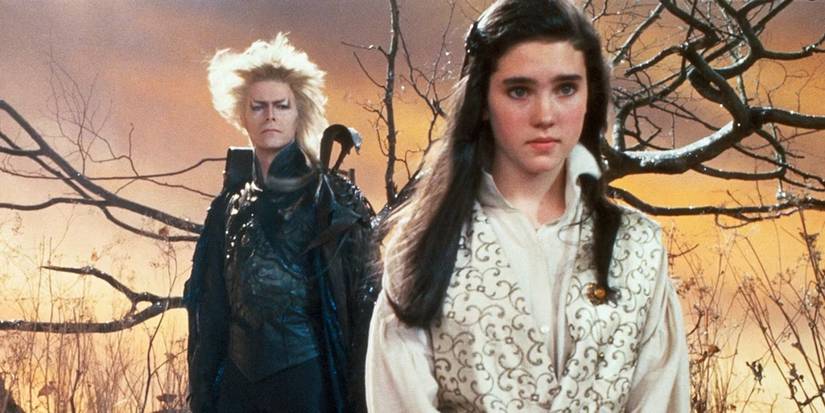 Image via Tri-Star Pictures
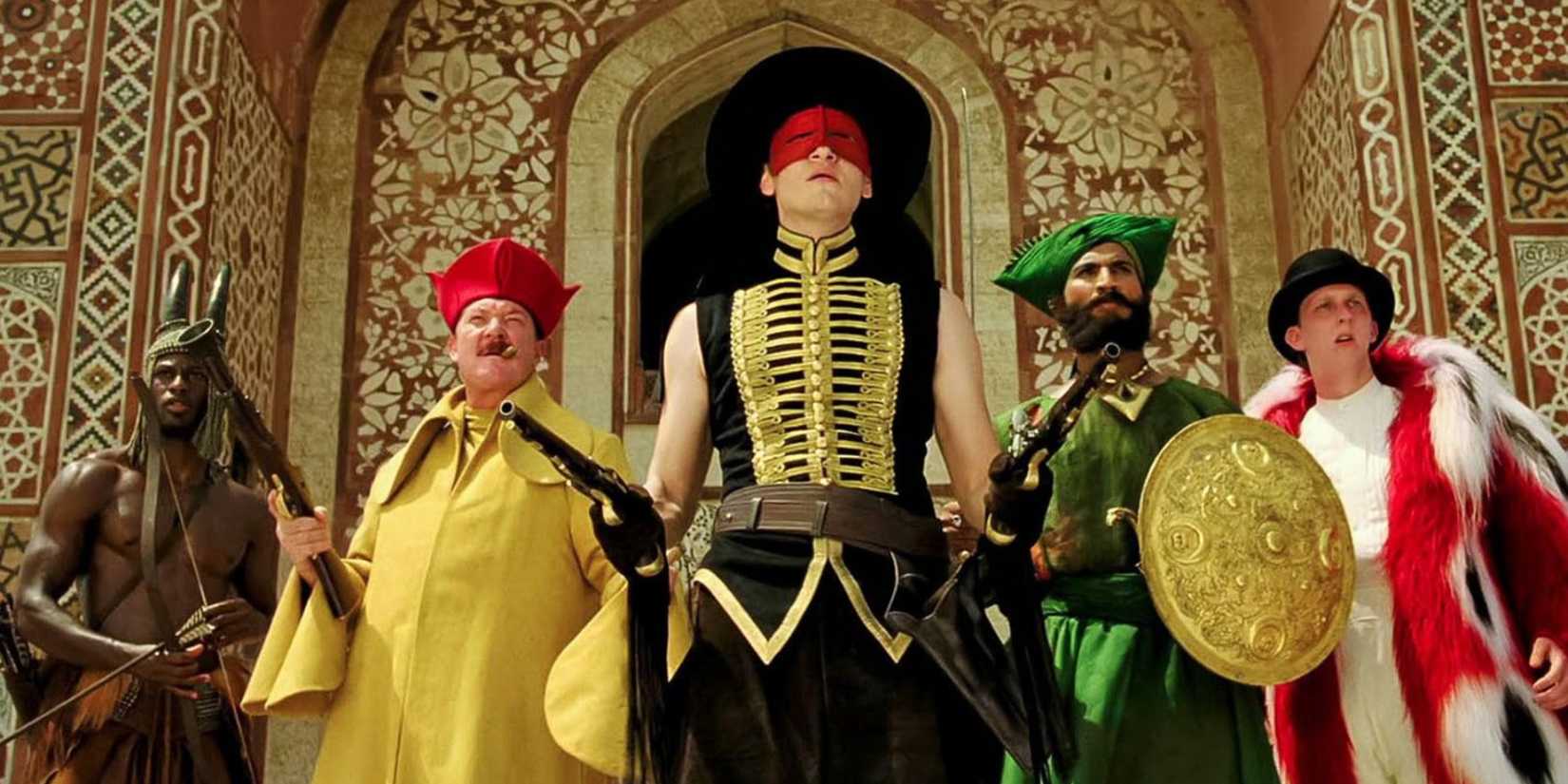 Image via Roadside Attractions
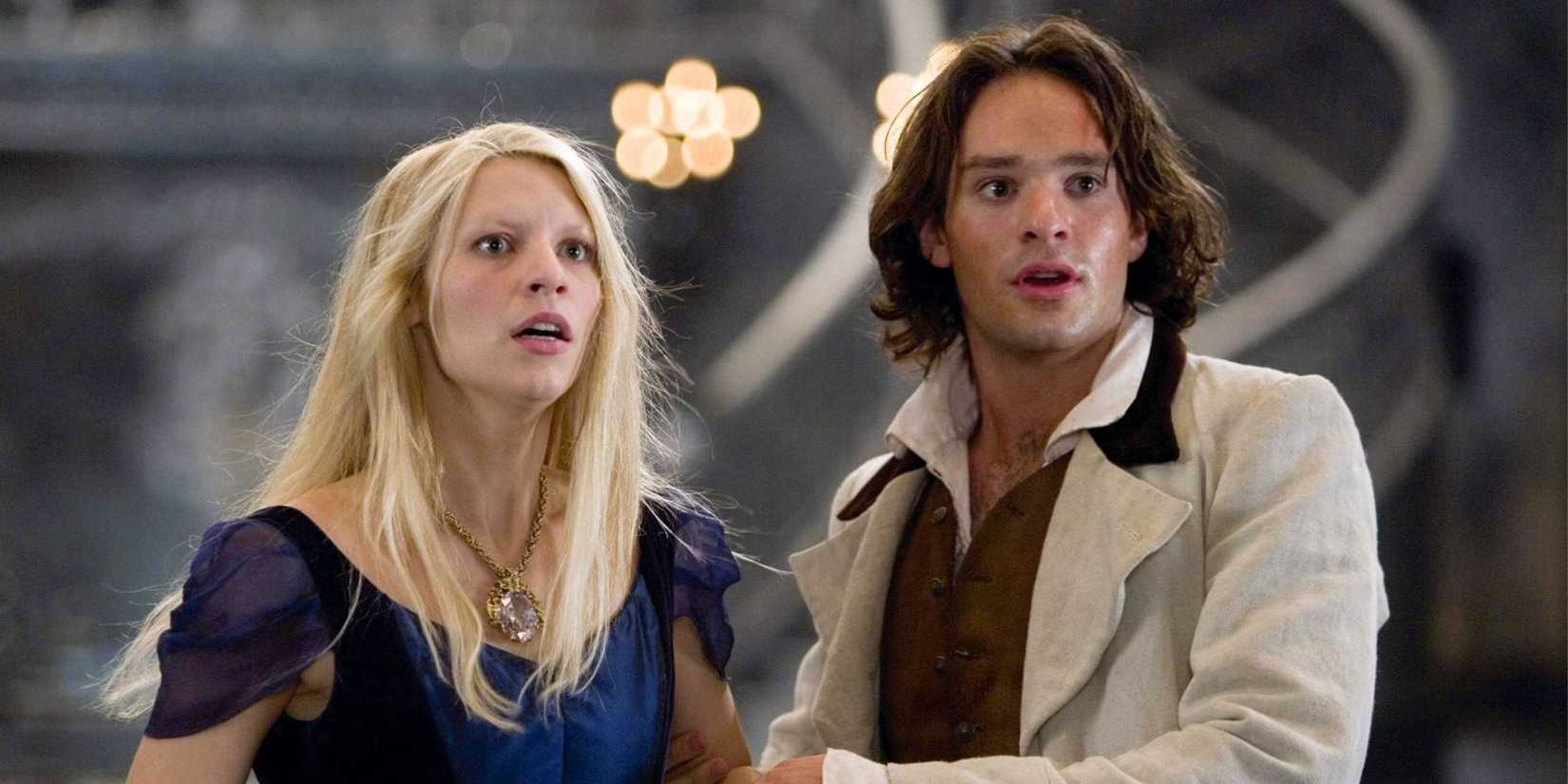 Image via Paramount Pictures
 Image via Warner Bros.
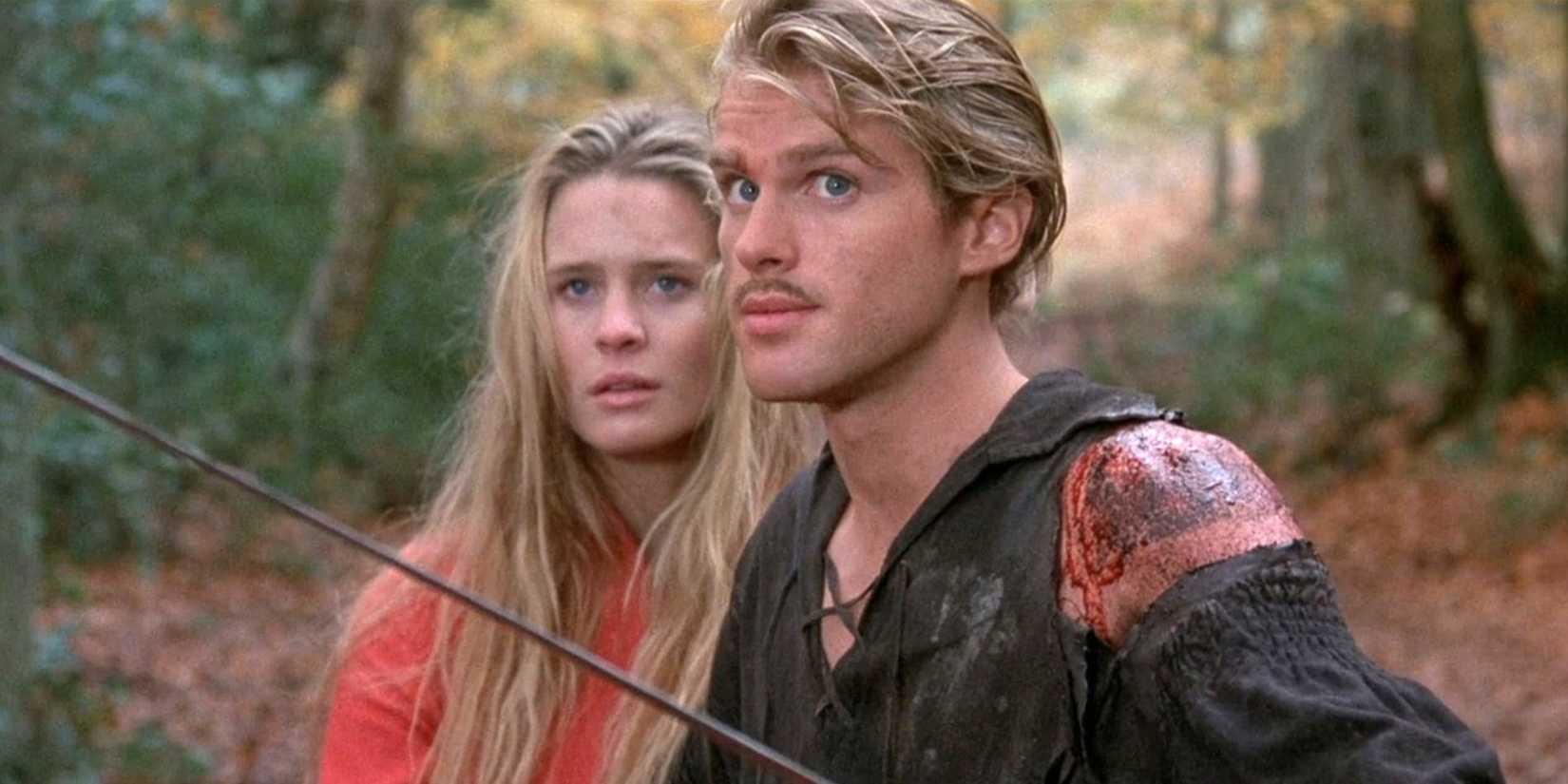 Image via 20th Century Studios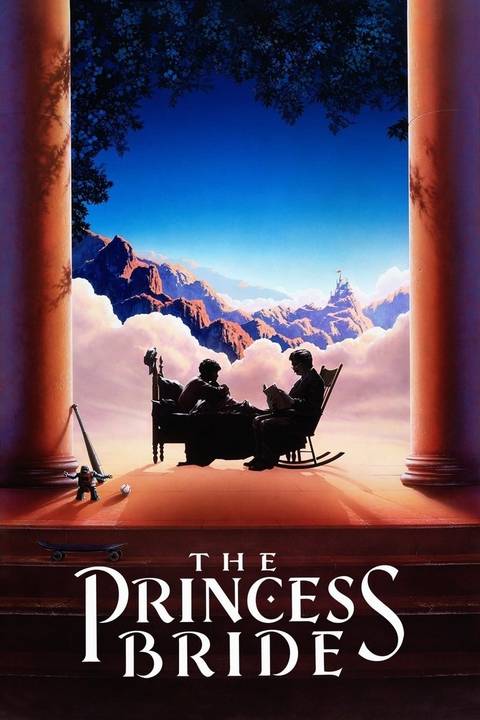







 English (US) ·