
 Image via Netflix
Published Aug 15, 2026, 8:41 PM EDT
Ryan Heffernan is a Senior Writer at Collider. Storytelling has been one of his interests since an early age, with his appreciation for film and television becoming a particular interest of his during his teenage years.
This passion saw Ryan graduate from the University of Canberra in 2020 with an Honours Degree in Film Production. In the years since, he has found freelance work as a videographer and editor in the Canberra region while also becoming entrenched in the city's film-making community.
In addition to cinema and writing, Ryan's other major interest is sport, with him having a particular love for Australian Rules football, Formula 1, and cricket. He also has casual interests in reading, gaming, and history.
Sign in to your Collider account
At the heart of the appeal of so many great crime shows is a sense of macabre intrigue, a morbid curiosity that invites viewers to revel in the dark depravity of human behavior. It doesn’t matter whether the series focuses on complicated and compromised detectives investigating a deranged serial killer or an ordinary man’s descent into the corruption, violence, and power of the drug trade, the wicked immersion in human evil is compelling to say the least.
Ranging from monumental smash hits of network television to streaming sensations, novel adaptations, and even underrated cult classics, these crime TV series all excel at delivering stories that grow increasingly dark with each passing episode. Striking a balance between entertainment value, thematic depth, and confronting bleakness, these shows stand not only among crime television’s best titles, but among its most addictive and impressionable as well.
10 'Sharp Objects' (2018)
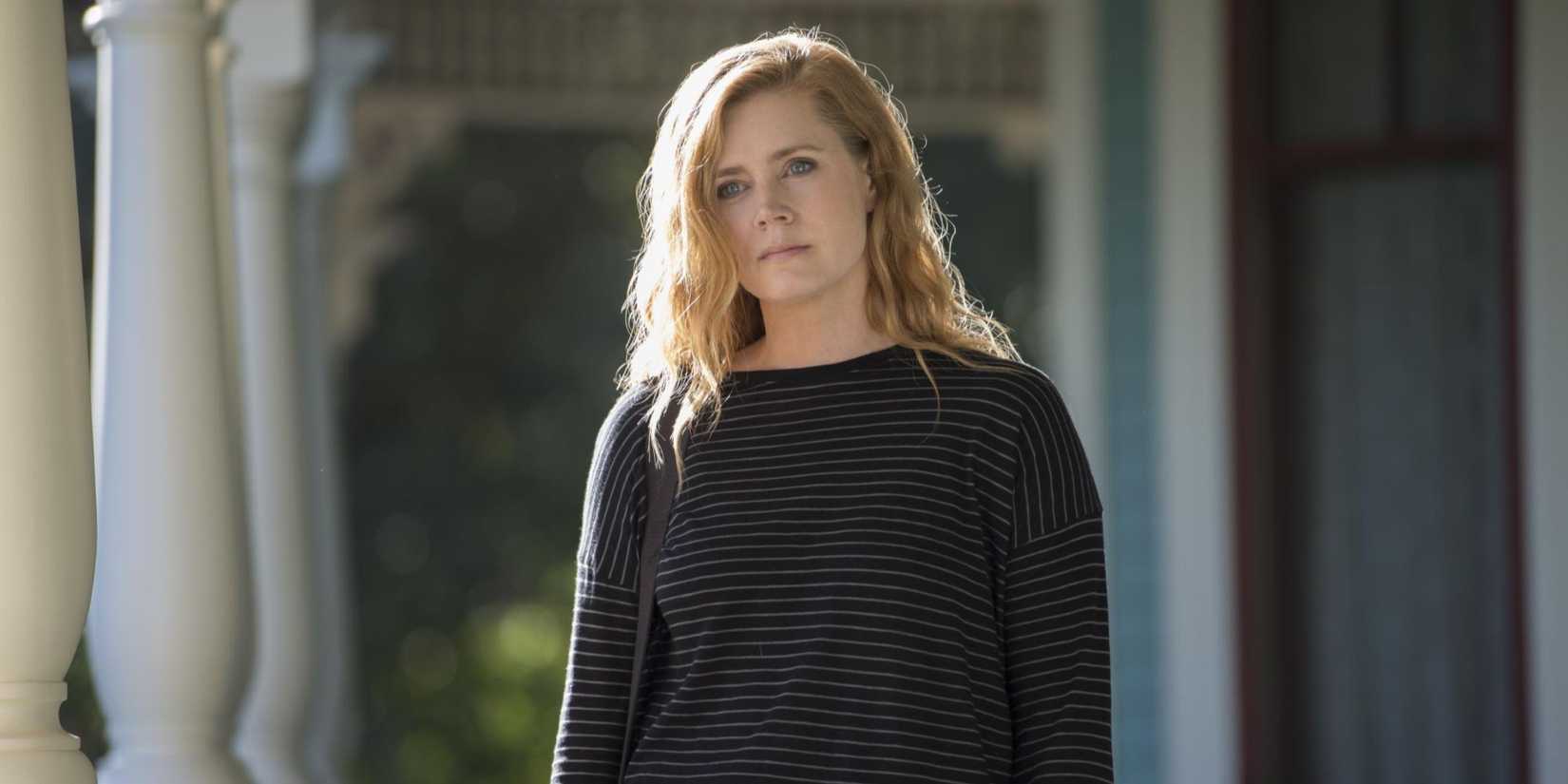 Image via HBO
One of HBO’s most criminally underrated series in the past decade, Sharp Objects combines a gruesome murder mystery with nuanced and piercing character drama while capturing a mesmerizing atmosphere of Southern Gothic eeriness. Based on Gillian Flynn’s novel, it unfolds as a crime reporter, still recovering from her own issues of abuse and addiction, travels to her hometown to investigate the murder of two young girls. As she wrestles with the increasingly disturbing crime, she must also confront re-emerging demons from her childhood.
Powered by Amy Adams’s outstanding lead performance, Sharp Objects never loses grasp of its dramatic might even as the intricacies of the case and the intensifying family conflict continuously deliver shocking twists and turns. With a final scene that is sure to leave all who view it in a state of petrified dissonance, Sharp Objects grows darker and bolder as each episode pries deeper into Camille’s traumatic past and how it clashes with the violent atrocity she is investigating.
9 'The Wire' (2002–2008)
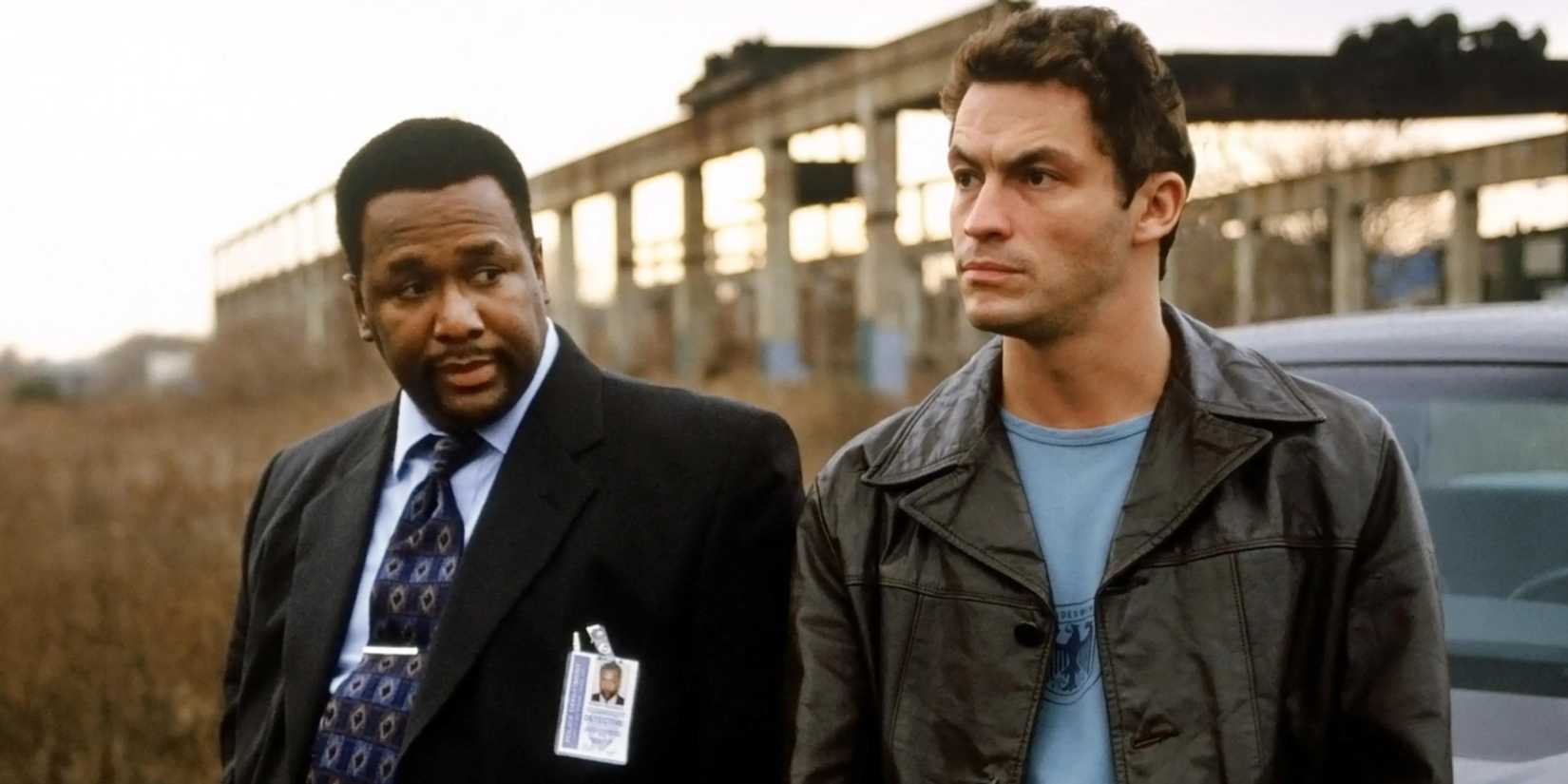 Image via HBO Max
Given that The Wire starts as a brutally realistic descent into the Baltimore drug trade, it is difficult to say the series truly grows darker throughout its five-season run. However, it undeniably becomes increasingly hopeless and depressing as it drastically expands its scope to analyze the systemic issues in a vast range of societal institutions that plague the city, ranging from corruption in the police force to the shifting, self-interested priorities of city hall, and even to the ineffectiveness of the public school system.
While enrapturing, its tone is undeniably bleak, especially as it combines its all-encompassing scale and its penchant for authenticity with profoundly human characters. Seasons 4 and 5 do become particularly confronting as well, with the series expanding to explore the lives of school kids embroiled in the drug war and the career-minded immorality of journalism that reduces reporting crime in the city to an entertainment spectacle. As a whole, The Wire is one of TV’s most astonishing masterpieces and a quintessential viewing experience, but its relentless tonal intensity and cold realism do make it challenging to watch.
8 'The Shield' (2002–2008)
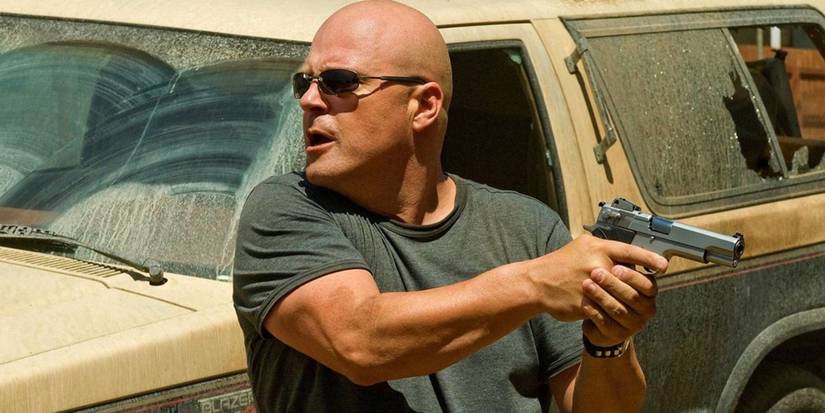 Image via FX
While it was underrated when it was airing, The Shield has come to be celebrated as one of the most absorbing and intense series of the 2000s. Produced by FX, it revolves around the Strike Team, a police unit operating in a crime-riddled region of L.A. under the command of Vic Mackey (Michael Chiklis), who encourages the use of illegal and brutal methods to enforce the law while finding ways to profit from street crime.
Its first episode is renowned for its jaw-dropping ending that reveals the immorality and corruption of the Strike Team in no uncertain terms. The series only grows darker and more harrowing from there, delving into every detail of the main characters’ complex psyches of moral bankruptcy and self-justification while touching on their own personal dilemmas that range from familial dysfunction to issues with sexuality. Impressively, The Shield is at its darkest in its final season as the characters face dire consequences for their crimes, with its sense of real-world recompense painting a morbid portrait of justice in modern society as reputations and public image play a more significant role than punishing those who have done wrong.
7 'Bates Motel' (2013–2017)
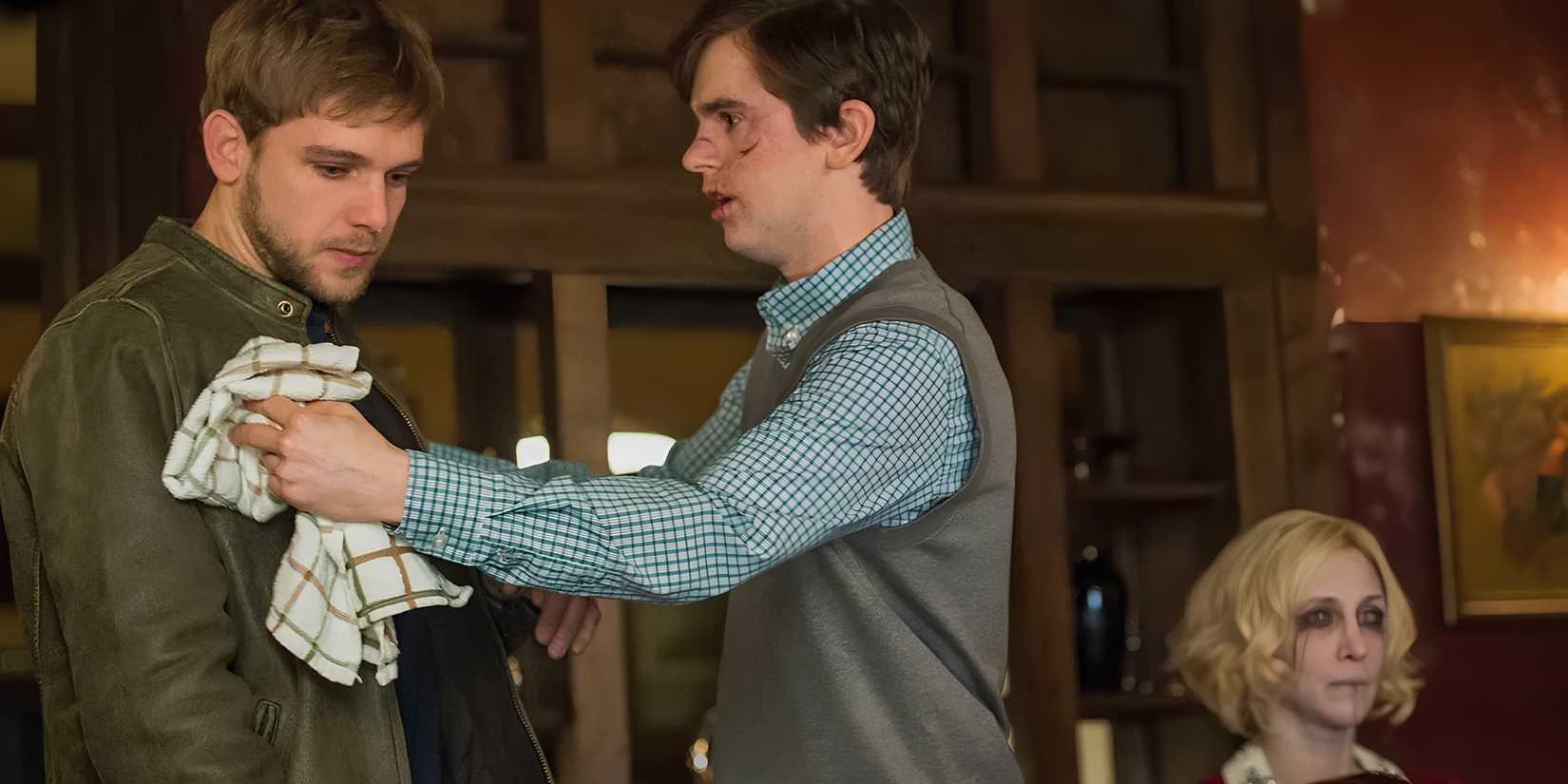 Image via A&E
As is the case with any spin-off of an all-time classic, Bates Motel is an intriguing combination of original ideas and respect for the original story, in this case, Alfred Hitchcock’s genre-defining classic, Psycho. Serving as a prequel, the five-season series follows Norman Bates (Freddie Highmore) and his mother, Norma (Vera Farmiga), in their murderous escapades as they manage the Bates Motel.
While earlier seasons feel misguided, viewing Norman and Norma as anti-heroes to a certain extent, the series does begin to indulge in its dark and twisted allure in time. It is no coincidence that as the series grows more depraved, it also becomes more transfixing and wickedly delightful. By Season 5, Bates Motel has bridged the gap between its lackluster opening and the events of Psycho to be one of the most psychologically twisted yet grotesquely absorbing treats of crime television as well as a hard-hitting highlight of small-screen horror.
6 'True Detective' (2014–Present)
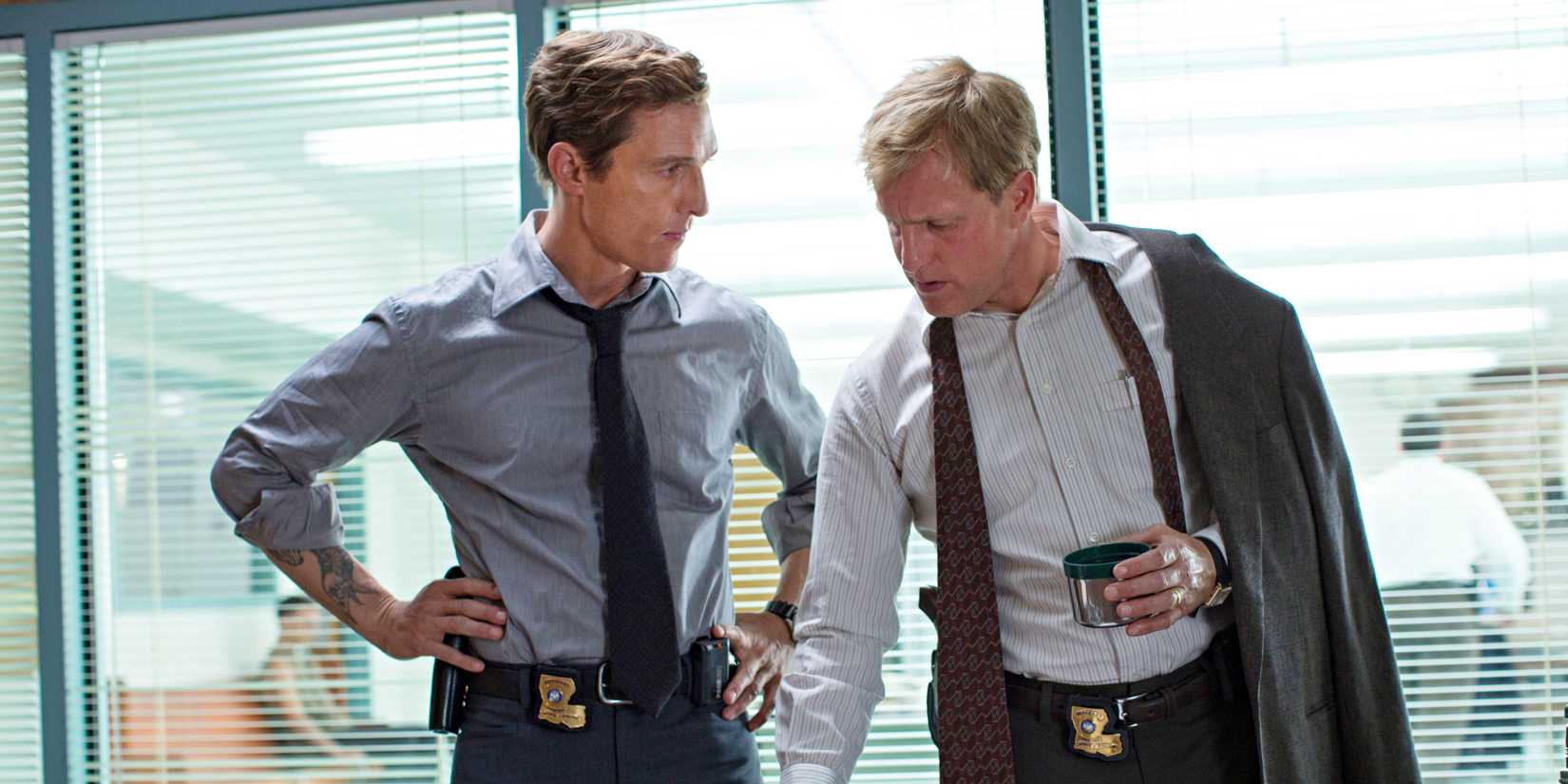 Image via HBO
While its exceptional first season is a clear standout of the anthology series, each installment of True Detective runs with a similar formula as they start vague and eerie before delving deeper into both the gruesome details of the crimes and the complexity of the detectives investigating them. Whereas many mystery shows start with a sinister inexplicability only to grow more comfortable and simpler as major clues are revealed, True Detective excels at only growing darker and more disturbing as new details of the crimes emerge.
Season 1 is perhaps the greatest example of this television has ever seen, a moody Southern Gothic slow-burn thriller that sees an occult killing expand into a web of corruption, power, and sexual depravity revolving around major figures in the Louisiana region. Ensuing seasons, while not quite as potent, are similarly adept at opening on an isolated crime that becomes tied to a wider conspiracy. Through not only the nature of the criminal actions, but the way in which the stories unfold as well, True Detective is brilliant at ensuring its unfurling mysteries grow increasingly darker with each episode.
Collider Exclusive · Action Hero Quiz
Which Action Hero Would Be
Your Perfect Partner?
Rambo · James Bond · Indiana Jones · John McClane · Ethan Hunt
Five legends. Five completely different ways of getting out alive — with style, with muscle, with charm, with luck, or with a plan so intricate it probably shouldn't work. Ten questions will reveal which action hero was built to have your back.
🎖️Rambo
🍸James Bond
🏺Indiana Jones
🔧John McClane
🎭Ethan Hunt
FIND YOUR PARTNER →
01
You're dropped into a dangerous situation with no warning. What do you need most from a partner? The first few seconds tell you everything about who belongs beside you.
ASomeone who already has three contingency plans running and is calmly working through all of them. BSomeone who reads the terrain instinctively and knows exactly how to use it against the enemy. CSomeone who keeps their nerve and their sense of humour when everything is falling apart. DSomeone who knows the history of wherever we are and what we're walking into. ESomeone with the right contact, the right cover identity, and the right exit already arranged.
NEXT QUESTION →
02
You have to get somewhere dangerous, fast. How do you travel? How you get there is half the mission.
AOn foot through terrain no one else would attempt — I move where vehicles can't follow. BOn a motorcycle, a cargo plane, or anything else that gets me there before I think too hard about it. CIn something that belongs to someone else — borrowed, stolen, or improvised under fire. DFirst class, with a cover identity and a gadget that does something I won't explain until it's needed. EBy whatever means are available — I've driven, flown, and once arrived by camel. The destination matters, not the method.
NEXT QUESTION →
03
You're pinned down and outnumbered. What does your ideal partner do? This is when you find out what someone is really made of.
ADisappears into the environment, flanks them silently, and ends it before I've reloaded. BCracks a one-liner, grabs a fire extinguisher or a chair, and improvises something that somehow works. CProduces a gadget specifically designed for this exact scenario and uses it with infuriating precision. DPulls out a whip, a pistol, and an archaeological insight that somehow gets us out alive. ENeutralises the threat with maximum efficiency and minimum words — they were already three moves ahead.
NEXT QUESTION →
04
The mission is paused. You have one evening to decompress. What does your partner suggest? Who someone is when the pressure drops is who they actually are.
AA bar with terrible lighting, cold beer, and absolutely no questions about feelings. BThe finest restaurant in the city, a bottle of something expensive, and a conversation that is equal parts brilliant and exhausting. CA local dig site, a museum after hours, or a long story about why that particular artefact matters to human civilisation. DPizza. Bad TV. Falling asleep halfway through a movie neither of you were watching anyway. EA debrief that turns into three hours of contingency planning that somehow becomes the most fun you've had all week.
NEXT QUESTION →
05
How do you prefer your partner to communicate mid-mission? Good communication is the difference between partners and a liability.
APrecise and minimal — tell me what I need to know and nothing else. Every word has a cost. BDeadpan and dry — keeping it light keeps me sharp, even when everything is on fire. CEnthusiastic and slightly chaotic — but always with useful information buried somewhere in the noise. DCalm and controlled through an earpiece, with a plan that covers every variable I haven't thought of yet. EBarely at all — silence is a language and they speak it fluently.
NEXT QUESTION →
06
Your enemy is powerful, well-resourced, and has the upper hand. How should your partner approach them? The approach to the enemy defines the partnership.
AInfiltrate their inner circle, learn everything, and dismantle them from inside out before they know we're there. BStudy the historical pattern — every villain of this type has a weakness written somewhere in the past. CGet them talking. The more they monologue, the more time I have to figure out how to beat them. DGo through them. Directly. With as much force as the terrain allows. EFind the one thing they haven't accounted for — there's always one thing — and make sure we're holding it.
NEXT QUESTION →
07
Things go badly wrong and you're captured. What do you trust your partner to do? Who someone is when you need them most is the only thing that matters.
ACome in alone, quietly, and get me out before anyone knows they were there. BHave already been working on the extraction since the moment I disappeared — the plan is already running. CCome in loud, come in fast, and worry about the collateral damage later — I'd do the same for them. DUse every resource, every contact, and bend every rule until I'm out — they don't leave people behind. ECharm their way in somehow, bluff through the hard part, and still manage to look good doing it.
NEXT QUESTION →
08
What does your ideal partner bring to the table that you couldn't replace? A great partner fills the gap you didn't know you had.
ATechnology that shouldn't exist yet and the training to use it under any conditions. BSurvival instinct so refined it borders on supernatural — and the scars to prove it's been tested. CKnowledge of history, language, and culture that makes them invaluable in places where force is useless. DThe ability to walk into any room in the world and immediately become the most trusted person in it. EStubbornness that refuses to accept a situation is hopeless — and the improvisational skill to back it up.
NEXT QUESTION →
09
Every partnership has a cost. Which of these can you live with? No one comes without baggage. The question is whether you can carry it together.
AA partner who never fully switches off — always watching exits, always calculating threats, even at dinner. BA partner who gets the job done brilliantly but has the emotional availability of a locked filing cabinet. CA partner who makes everything ten times more complicated than it needs to be — but who always comes through. DA partner who gets personally attached to every relic, ruin, and artefact we encounter, which slows everything down. EA partner who was not built for this and knows it — but shows up anyway, every time, without being asked.
NEXT QUESTION →
10
It's the final moment. Everything is on the line. What do you need from your partner right now? The last question is the most honest one.
AOne line. Absolutely dry. Delivered like the world isn't ending. Then we move. BNothing said at all — just a look that means we both already know what has to happen. CA plan I don't fully understand that somehow accounts for everything, delivered in thirty seconds flat. DA piece of historical context that reframes the entire situation and tells us exactly what to do next. ESomeone who steps forward instead of back — because that's who they've always been.
REVEAL MY PARTNER →
Your Partner Has Been Assigned Your Perfect Partner Is…
Your answers have pointed to one action hero above all others. This is the person built to have your back — for better or considerably, spectacularly worse.
Rambo
Your partner doesn't talk much, doesn't need to, and will have assessed every threat in your immediate environment before you've finished your first sentence. John Rambo is not a man of plans or politics — he is a force of nature shaped by survival, loyalty, and a capacity for endurance that goes beyond anything training can produce. He will not leave you behind. He has never left anyone behind who deserved to come home. What you get with Rambo is the most capable, most quietly ferocious partner imaginable — one who has been through things that would have broken anyone else, and who chose to keep going anyway. You'll never need to ask if he has your back. You'll just know.
James Bond
Your partner will arrive perfectly dressed, perfectly briefed, and with a cover story so convincing it'll take you a moment to remember what's actually true. James Bond is the most professionally dangerous person in any room he enters — and the most disarmingly charming, which is the point. He operates in a world of layers, where nothing is what it appears and every advantage is used without apology. You'll never be bored. You'll occasionally be furious. But when it matters — when the mission is genuinely on the line and the margin for error has collapsed to nothing — Bond is exactly the partner you want. He has survived things that have no business being survivable. He does it with style. That is not nothing.
Indiana Jones
Your partner will know the history, the language, the cultural context, and exactly why the thing everyone else is ignoring is actually the most important thing in the room. Indiana Jones is brilliant, reckless, and occasionally impossible — but he is also one of the most resourceful, most genuinely knowledgeable partners you could find yourself beside. He approaches every situation with a scholar's eye and a brawler's instinct, which is an unusual combination and a remarkably effective one. He hates snakes and gets personally attached to objects of historical significance, both of which will slow you down at least once. It doesn't matter. What Indy brings is irreplaceable — and the adventures you'll have together will be the kind people write books about. Assuming you survive them.
John McClane
Your partner was not supposed to be here. He does not have the right equipment, the right information, or anything approaching the right odds. He has a sarcastic remark and an absolute refusal to accept that the situation is as bad as it looks. John McClane is the greatest accidental hero in the history of action cinema — a man whose superpower is stubbornness, whose contingency plan is improvisation, and whose capacity to absorb punishment and keep moving would be alarming if it weren't so useful. He will complain the entire time. He will make it significantly more chaotic than it needed to be. And he will absolutely, unconditionally, without question come through when it counts. Yippee-ki-yay.
Ethan Hunt
Your partner has already run seventeen scenarios by the time you've finished reading the briefing, and the plan he's settled on involves at least two things that should be physically impossible. Ethan Hunt operates at the absolute edge of human capability — technically, physically, and intellectually — and he brings the same relentless precision to protecting his partners that he brings to dismantling organisations that shouldn't exist. He is not easy to know and he will never fully tell you everything. But he will carry the weight of the mission so completely, so absolutely, that your job is simply to trust him — and the remarkable thing is that trusting him always turns out to be the right call. The mission will be impossible. He will complete it anyway.
↻ RETAKE THE QUIZ
5 'The Fall' (2013–2016)
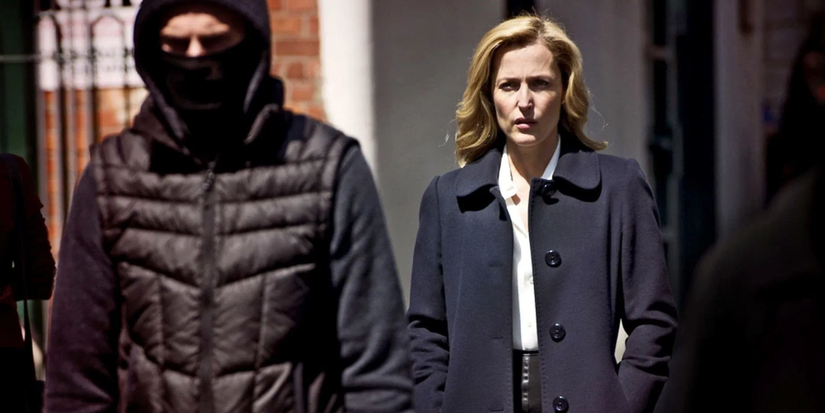 Image via BBC
Taking a completely original approach to a familiar crime premise, The Fall revolves around a police officer’s hunt for a serial killer in Northern Ireland. However, while Superintendent Gibson’s (Gillian Anderson) meticulous and often obsessive investigation of the case is a core focus of the series, so too are the experiences and plotting of the murderer, with Jamie Dornan co-starring as Paul Spector, a man launching violent attacks on professional women in Belfast while hiding under the guise of a harmless and ordinary family man.
The series’ unique approach imbues it with a piercing, energized air of dread and intrigue from the outset. Seeing how Spector plans and executes his killings only imbues Gibson’s investigation with a greater sense of urgency, and the series masters the art of extracting tension even when the audience knows far more about what is going on than the characters. By Season 3, The Fall is firing on all cylinders as a relentlessly suspenseful and viciously dark crime series powered by two outstanding lead performances.
4 'We Own This City' (2022)
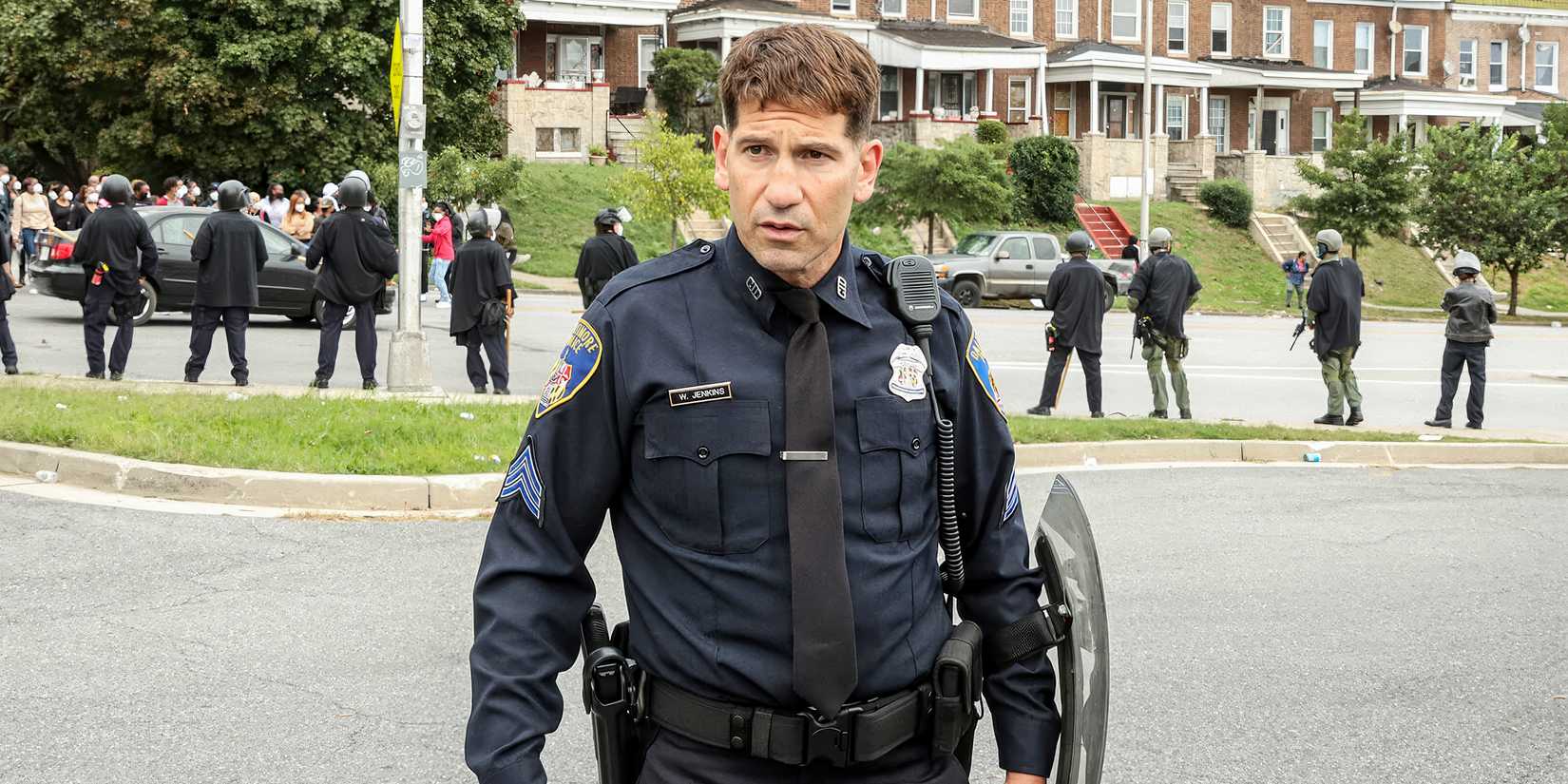 Image via HBO
Co-created by David Simon—the co-creator of the aforementioned The Wire—We Own This City is a sprawling and intricately layered descent into true crime as it examines the corrupt practices of the Baltimore Police Department’s Gun Trace Task Force. Based on Justin Fenton’s nonfiction book, the six-part miniseries is framed as an FBI investigation into the unit’s illegal activities, with Sgt. Wayne Jenkins’s (Jon Bernthal) history with the squad as both a recruit and a commander being the major focus.
Its intense time-jumping narrative style does make it difficult to grasp on first viewing, but We Own This City excels as one of the most incisive and essential crime series of the past decade. Not only does it address the integral issue of police corruption with incredible depth and detail, but it also analyses America’s failed campaign in the War on Drugs, how trust between the public and integral social institutions has been dismantled, as well as the cultural issues that make combating police malpractice so difficult. With each episode broadening the story’s scope while deepening the examination of its core issues, We Own This City only grows bleaker and more damning as it goes on.
3 'Ozark' (2017–2022)
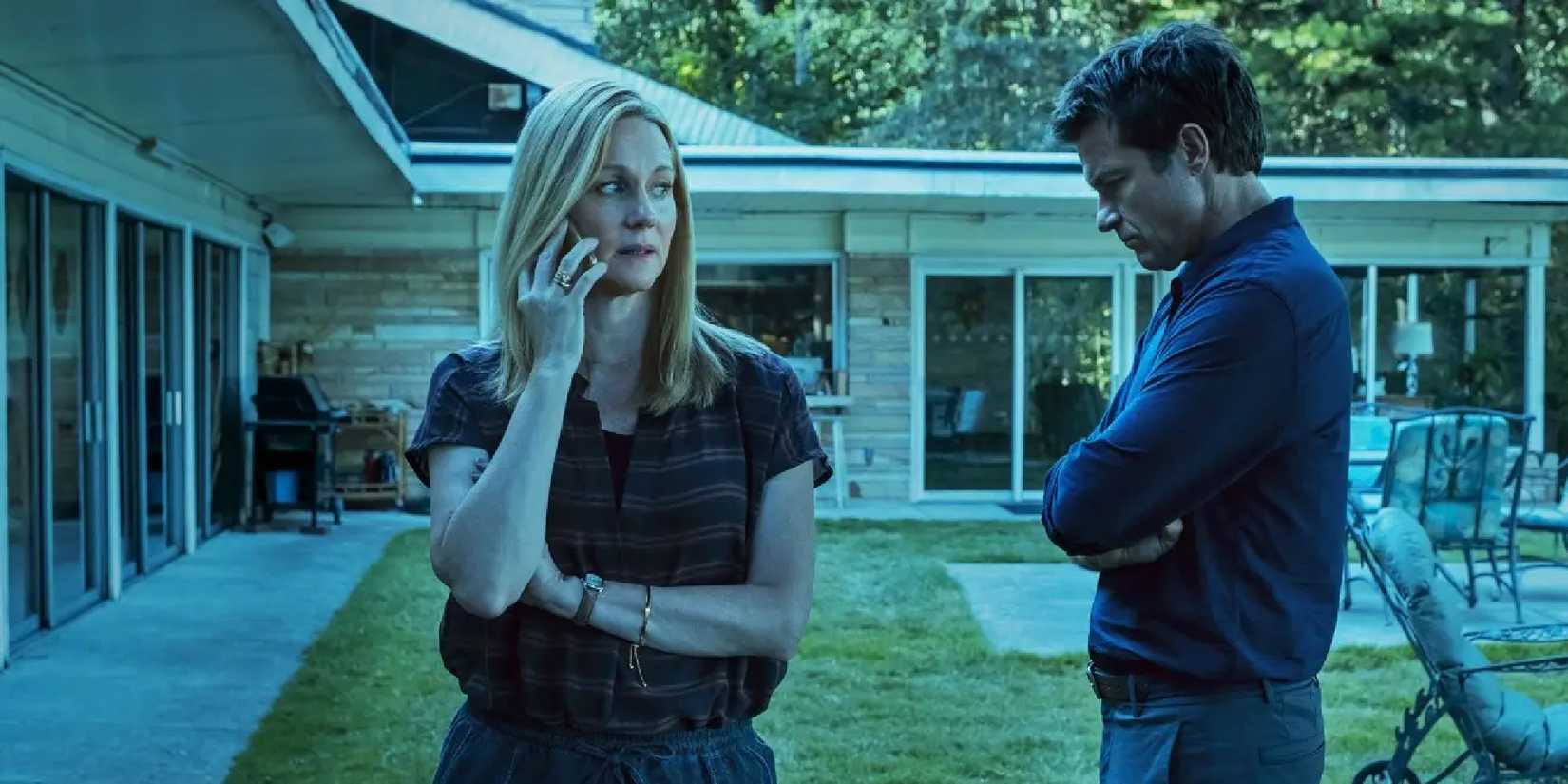 Image via Netflix
One of the most noteworthy television successes in Netflix’s brief history so far, Ozark toes a delicate line between ferocious crime drama and enthralling thrills throughout its gripping four-season run. A huge reason why the series works so well and maintains such a propulsive sense of momentum is its ability to constantly up the stakes while delving into darker and more unnerving threats surrounding the Byrde family.
It follows financial advisor Marty Byrde (Jason Bateman) as a poor business decision from a partner lands him in debt to a Mexican drug cartel. When he conceives a plan to smuggle drugs into the country through the Missouri Ozarks and use local businesses to launder money, he and his family are sent to the region to oversee the criminal operation. Between clashing with local crooks, evading the clutches of law enforcement, and answering to the cartel, Ozark sees the Byrdes thrust on a relentlessly suspenseful and increasingly sinister journey of violent crime where any misstep could bring about a swift demise for the entire family.
2 'Hannibal' (2013–2015)
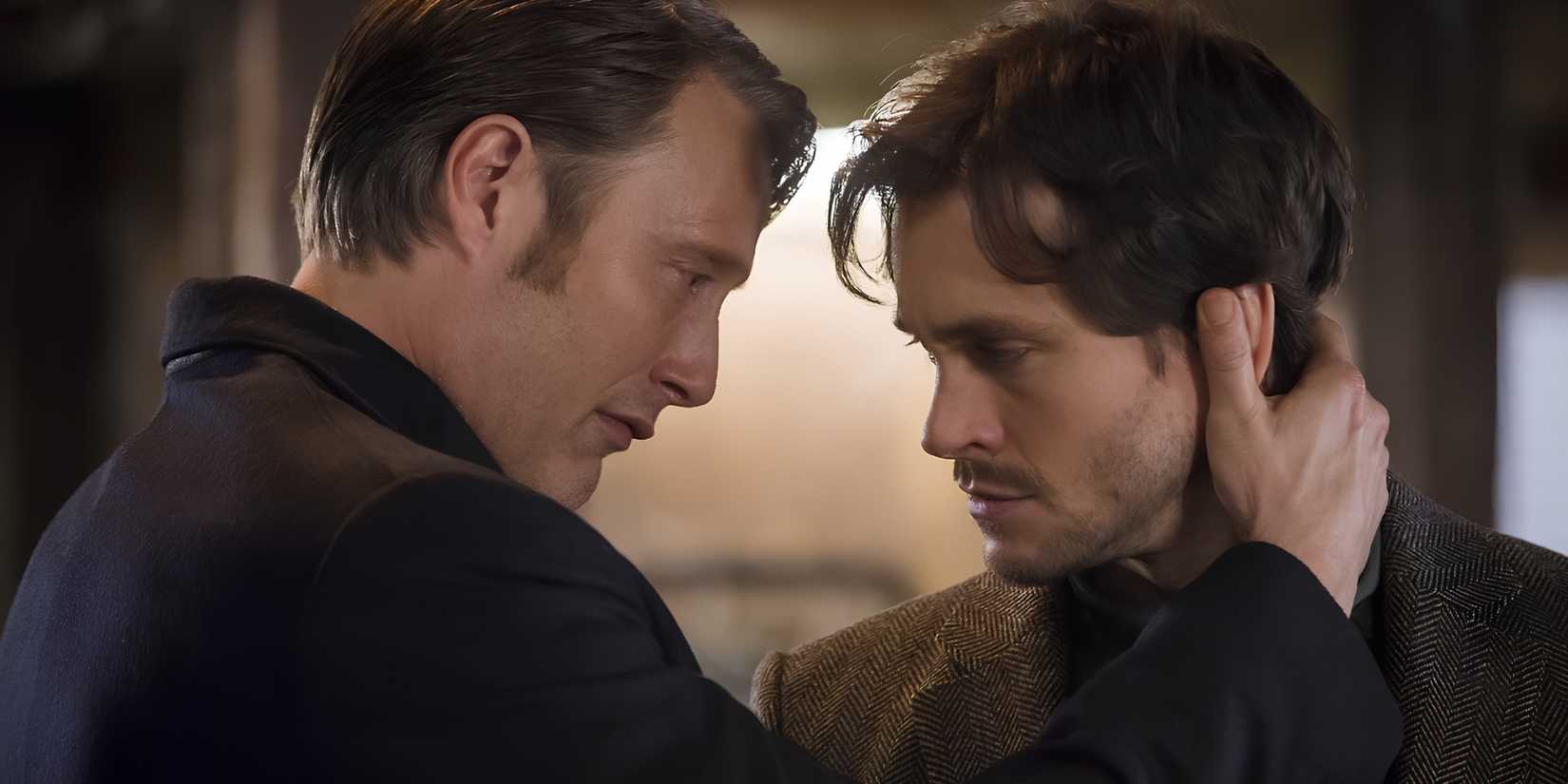 Image via NBC
An astonishing feat of network television that was not appreciated enough when it was on the air, Hannibal broke new ground for free-to-air censorship with its ultra-stylized gore, violently twisty storytelling, and its pervasive air of darkness and dread. Based on characters created by Thomas Harris, the NBC series unfolds as Will Graham (Hugh Dancy), an FBI profiler with a unique ability to empathize with serial killers, works with the bureau’s Behavioral Science Unit on an active case. Due to concerns for Graham’s well-being, forensic psychiatrist Dr. Hannibal Lecter (Mads Mikkelsen) is assigned to monitor him.
In addition to its exceptional performances, gorgeous though gruesome production, and its creative dare, Hannibal soars through the complex evolution of the relationship between Graham and Lecter. By the third and final season, the series’ murder mystery component is playing second fiddle to its intimate focus on the depraved nuances and animosity of the two men’s bond. Growing darker in both a thematic sense and in terms of its creative fervor for explicit gore, Hannibal starts off deliciously depraved and only intensifies from there.
1 'Breaking Bad' (2008–2013)
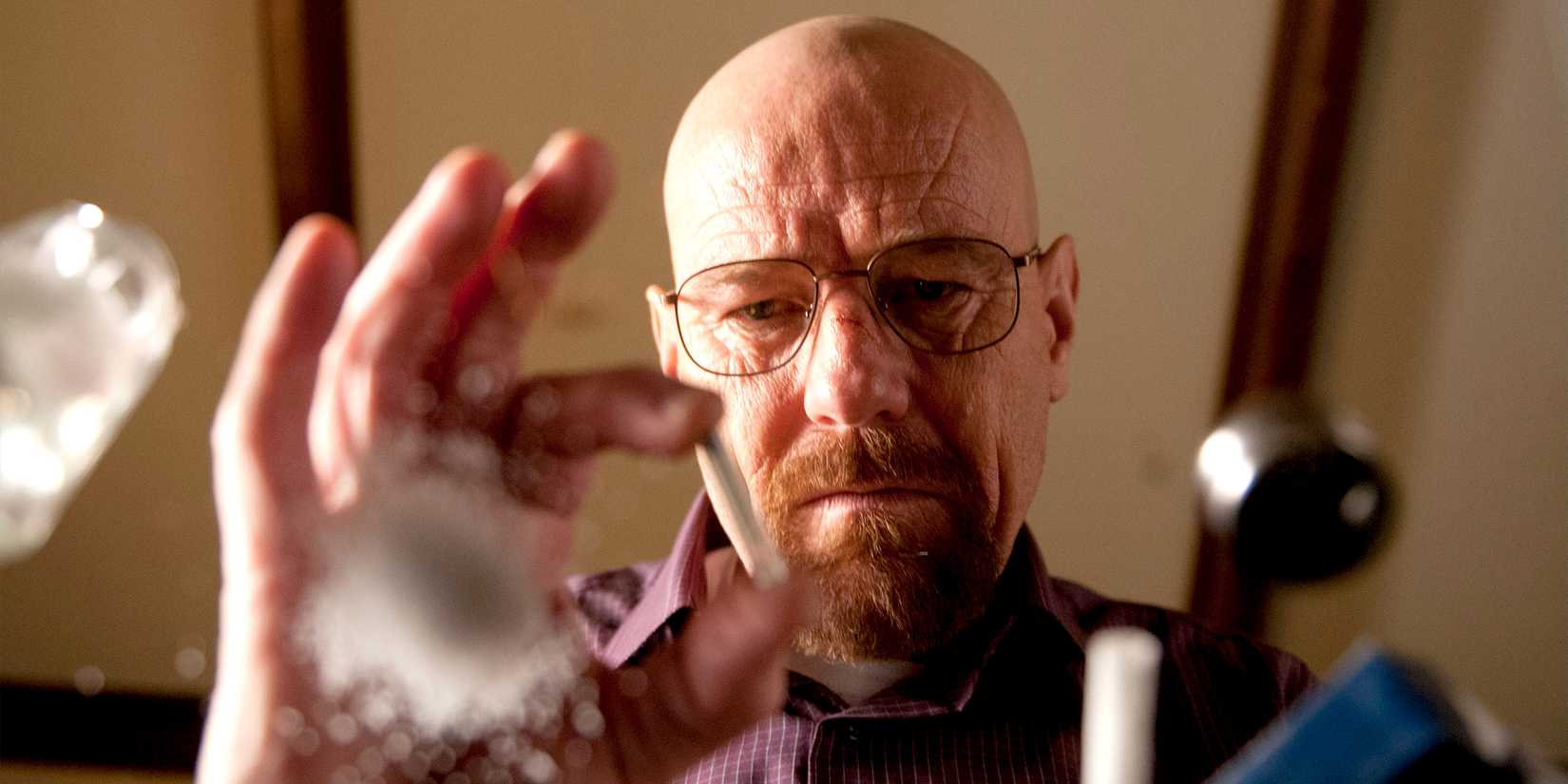 Image via AMC
One of the most famous arcs in television history, Walter White’s (Bryan Cranston) morbid descent from being a suburban family man and high school teacher to becoming a ruthless, cruel, and brutal crime lord makes for arguably the best story the small-screen has ever seen. It also makes for one of the darkest, with Breaking Bad’s tone drifting from thrilling entertainment to bleak and confronting character drama over the course of its five-season run.
While there are noteworthy milestones in Walter’s journey of corruption and amorality—from watching Jane (Kristin Ritter) overdose to actively poisoning a child to manipulate Jesse (Aaron Paul)—the series as a whole tracks his gradual decline in a linear fashion. Complimented by an abundance of volatile twists, plenty of passages of unbearable suspense, consistently magnificent performances from all involved, and Vince Gilligan’s uncompromised vision for the series, Breaking Bad excels as one of the greatest and darkest shows television has ever seen.
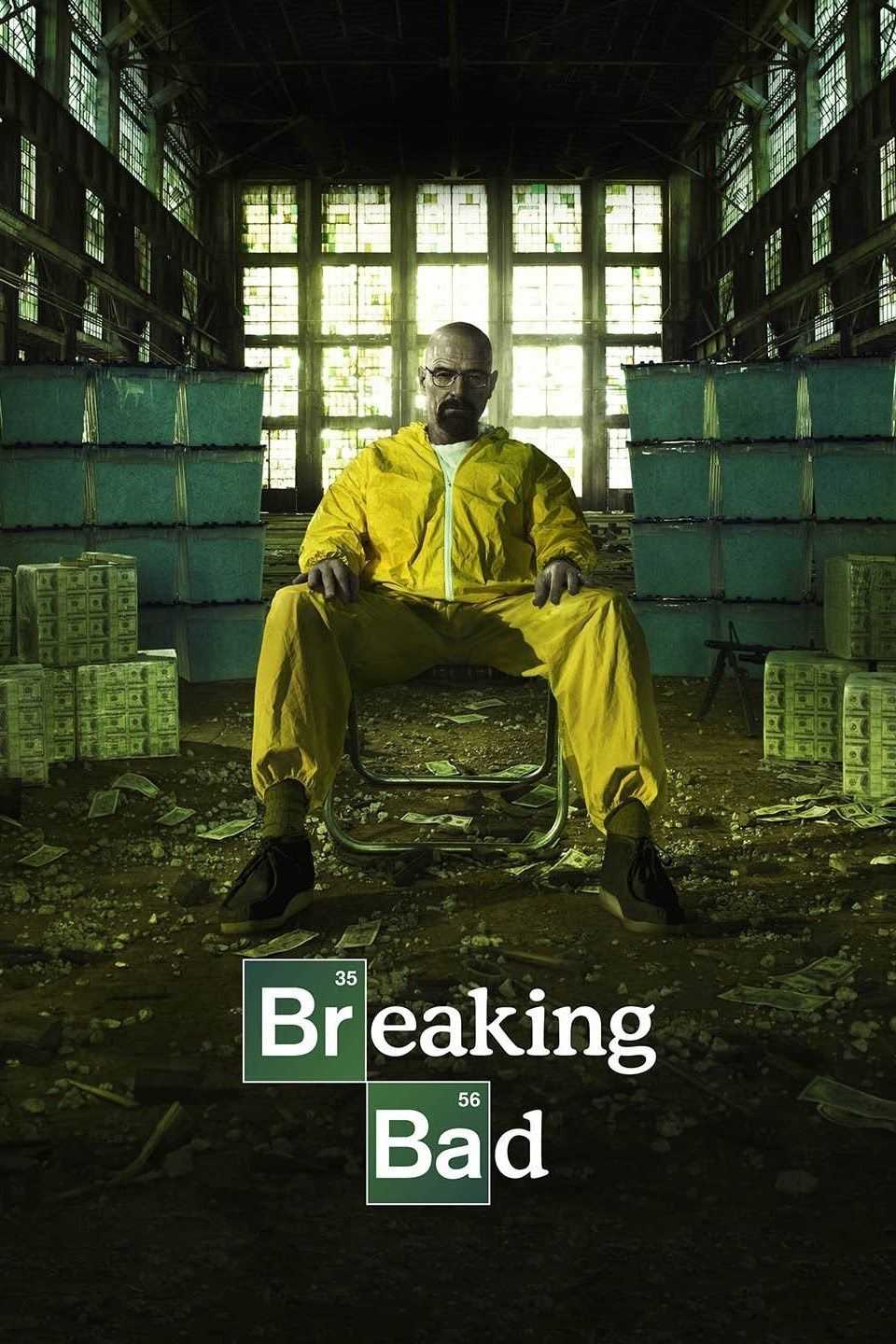
Breaking Bad
Release Date 2008 - 2013-00-00
Network AMC
Showrunner Vince Gilligan
Directors Vince Gilligan, Michelle Maclaren





 English (US) ·