
 3 weeks ago
35
3 weeks ago
35
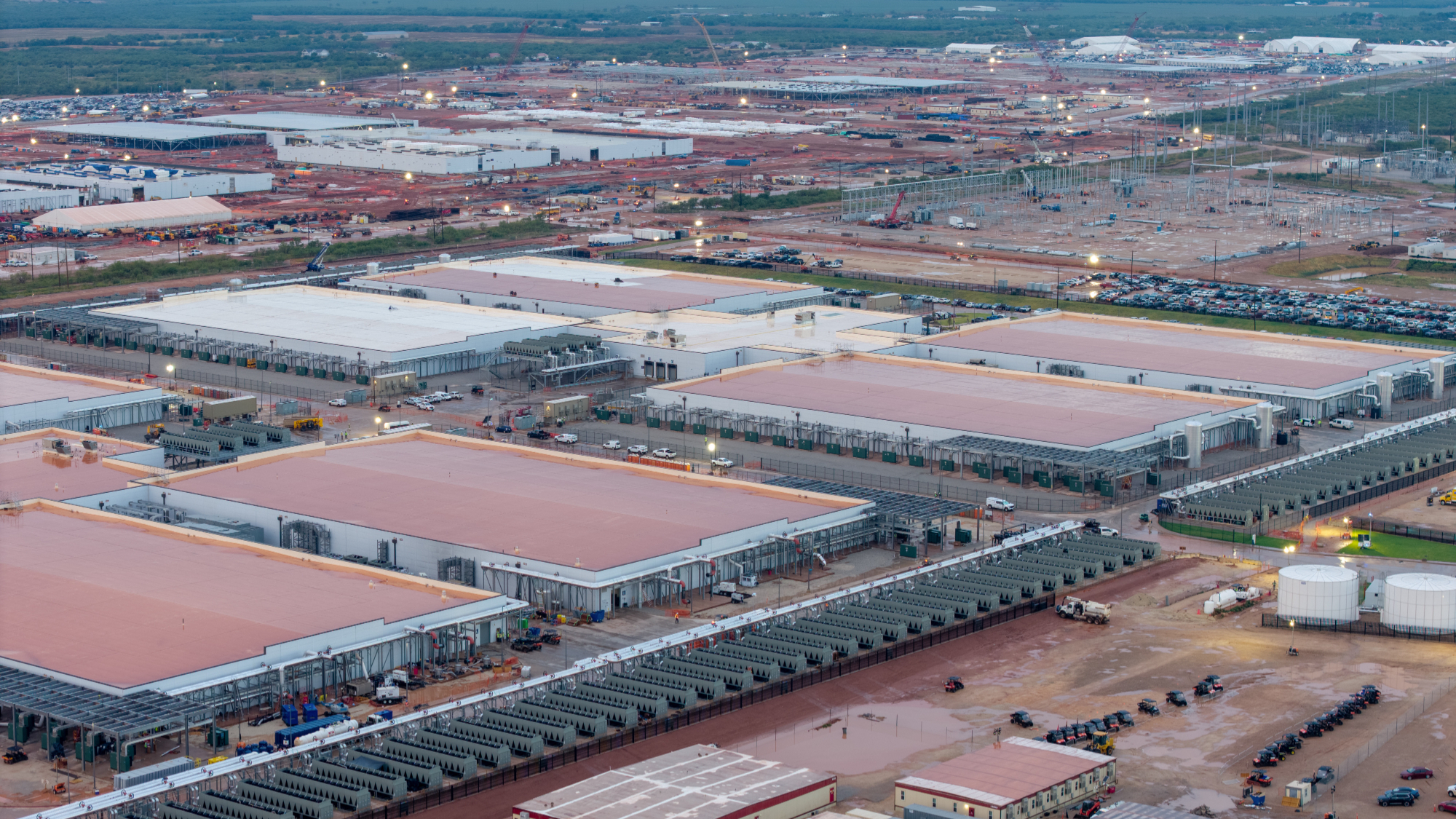
Commissioners of Hill County have voted 3-2 to issue a one-year moratorium on data center projects on rural land, with one member saying that the local government will take this time to study the effects of data centers on the community around it before developers can move forward. Although it is not the first local government to join the growing list of jurisdictions that have passed a data center moratorium, The Texas Tribune says that it would be the first one to enforce a temporary ban in Texas, which is known for being a data center-friendly state. The move comes after data center builders have begun to target rural areas to avoid the harsher regulations and oversight within cities.
AI hyperscalers are increasingly looking to unincorporated county land to reduce regulatory friction, allowing them to get their projects online much quicker. While they still have to go through county commissions and other authorities that work at the county level, they get to skip city-level rules and debates, which can get testy at times.
Go deeper with TH Premium: AI and data centers
The decision was spurred by a proposed data center campus by Provident Data Centers, which is located outside of and just north of Hillsboro, a city of about 8,000 people. The 300-acre plot of land where the project is envisioned to be constructed sits in a rural area about 60 miles south of Dallas-Fort Worth International Airport. This unincorporated territory is managed directly by the county and is not part of Hillsboro or any other municipality.
However, it seems that some county officials are catching on with this pattern and are actively moving to block or at least delay these power-hungry projects. This is especially true as an increasing number of Americans are opposing the construction of these AI data centers in their neighborhood. “The data center folks have found a sweet spot in the state that has limited regulations, limited enforcement, limited code, and they’re coming faster than we can keep up with,” Hill County Commissioner Jim Holcomb told the publication. “I think it’s imperative … that we tap the brakes and we get our arms around what we’re faced with and do the research, do the studies.”
One of the biggest issues that communities have around data centers is the increased power rates caused by the power-hungry infrastructure. The U.S. power grid companies are upgrading their infrastructure to handle the increased loads that AI infrastructure demands, but these expenses are evenly distributed to all ratepayers. This meant that even residential users and small businesses are slapped with higher utility bills, with electricity costs across the U.S. rising by more than 30% since 2020. In fact, the state of Maryland complained to the Federal Energy Regulatory Commission (FERC) after PJM Connection, LLC., the grid operator for the state (and 12 others), slapped it with a $2 billion bill to be passed on to all consumers for its grid upgrade costs.
Some projects are bypassing the electricity grid problem by building their own power. One data center project in Utah plans to use this approach by running entirely off-grid using natural gas. However, residents are concerned about the potential air pollution that such an operation could bring, especially as the site has a 9GW capacity — more than twice the amount of power that the entire state needs. Some people are also complaining about the noise pollution that these sites can bring, as well as raising issues about inaudible but “felt” infrasound that is suspected of causing adverse health effects.
These issues are just some of the things that the county likely wants to review, so the temporary delay is a win for the people of Hill County. Nevertheless, it’s not without risk to the local government and its leaders. County Attorney David Holmes said that they could be sued if they pass the moratorium, telling the commission, “You’re damned if you [do] and damned if you don’t.” Furthermore, Sen. Paul Bettencourt (R.-Houston) said in a letter to Texas Attorney General Ken Paxton that counties do not have the right to pass development moratoriums and asked them to investigate Texas counties that have passed one.
Data center developers are rushing to get their projects online, especially while there’s high demand for compute and funding is readily available. However, shortages in power infrastructure have delayed or canceled half of the planned projects in the U.S. When combined with the pushback from citizens and lawmakers, it could mean that what used to take 19 days to build could now take several years.

Follow Tom's Hardware on Google News, or add us as a preferred source, to get our latest news, analysis, & reviews in your feeds.








 English (US) ·