


Published Mar 16, 2026, 2:00 PM EDT
Tom is a Senior Staff Writer at Screen Rant, with expertise covering everything from hilarious sitcoms to jaw-dropping sci-fi epics.
Initially he was an Updates writer, though before long he found his way to the TV and movies team. He now spends his days keeping Screen Rant readers informed about the TV shows of yesteryear, whether it's recommending hidden gems that may have been missed by genre fans or deep diving into ways your favorite shows have (or haven't) stood the test of time.
Tom is based in the UK and when he's not writing about TV shows, he's watching them. He's also an avid horror fiction writer, gamer, and has a Dungeons and Dragons habit that he tries (and fails) to keep in check.
Taylor Sheridan may be widely credited for taking the spirit of the Western and embedding it in the present day with Yellowstone, but this is far from the most impressive marriage of opposing styles in his filmography. That honor inarguably goes to Tulsa King.
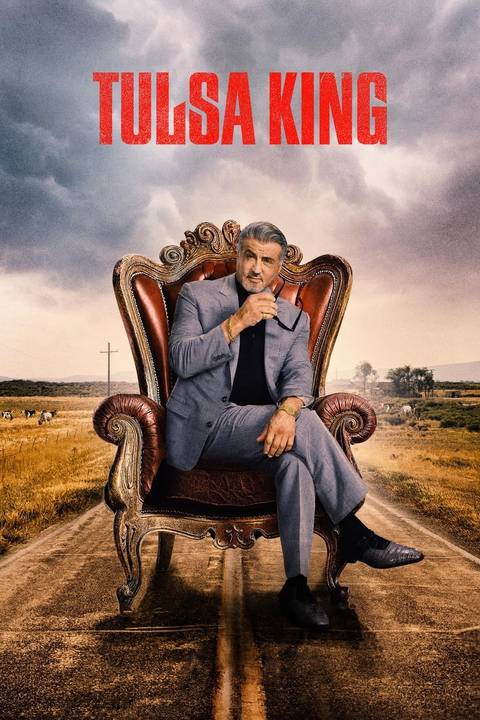
Tulsa King is Taylor Sheridan’s three-season neo-mobster crime drama, with a cast led by Sylvester Stallone as Dwight “The General” Manfredi. It’s a show that doesn’t just transplant a classic genre onto a new setting the way Yellowstone did with Westerns and present-day Montana. It fundamentally reshapes expectations of what Sheridan's work can be while keeping his thematic DNA intact.
What could’ve been a straight crime story into something richer and more unpredictable for a key reason. Unlike the relentlessly grim melodrama of shows like Yellowstone, Landman, or Lioness, Tulsa King leans into humor and comedy, something almost unheard of for Taylor Sheridan. Where his other shows double down on gravitas, Tulsa King somehow earns laughs without undercutting its drama.
Tulsa King Is Taylor Sheridan's Only Show That Partially Serves As A Comedy
A Surprising Creative Partnership Gives Tulsa King A Different Tone
 Steve Swisher / Paramount+
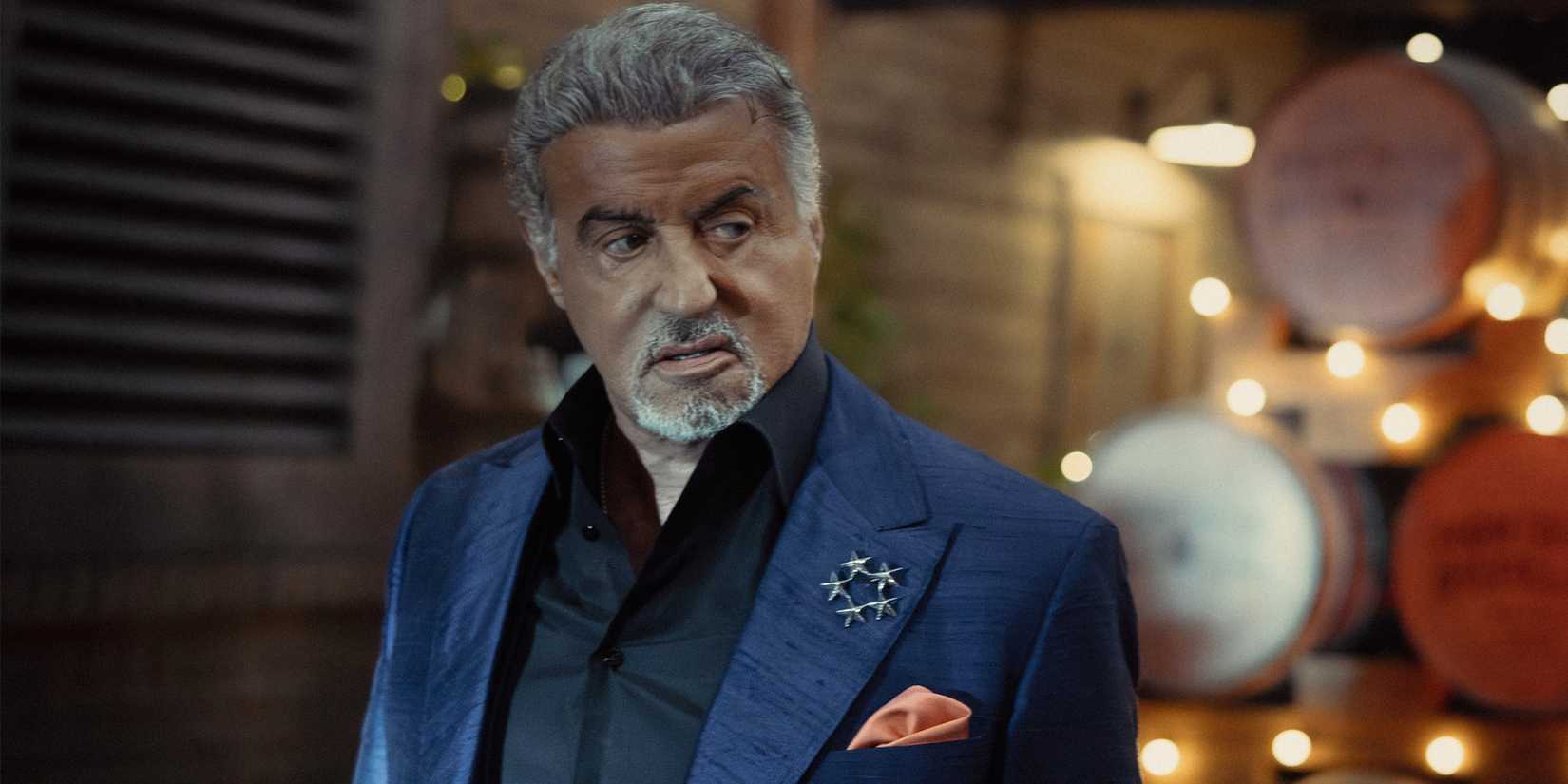
Given how funny Tulsa King can be, it’s wild to think it’s the only show in Taylor Sheridan’s vast TV empire that veers into genuine comedy. Shows like Yellowstone and Mayor of Kingstown have their moments, and Landman has occasional levity, but nothing delivers comedic sensibilities on Tulsa King’s scale. It’s a tonal difference that can be explained, however.
While Taylor Sheridan created Tulsa King, he isn’t its sole creative captain. Terence Winter served as showrunner in season 1 and season 4, as well as being a lead writer at various other points. It’s his influence that most distinguishes Tulsa King from other Sheridan projects, as the show’s comedy stems from his unique style.
From the screenplay to The Wolf of Wall Street to HBO’s Boardwalk Empire and The Sopranos, Terence Winter carved a reputation for infusing dialogue with razor-sharp humor without losing dramatic weight. His knack for blending dry wit and subtly hilarious characters into gritty crime narratives carries straight into Tulsa King, giving key scenes an off-kilter energy that simply doesn’t exist in most of Sheridan’s other work.
Terence Winter’s signature voice helps Tulsa King balance grim stakes and genuine laugh-out-loud moments. Dwight’s interactions, whether sparring verbally with locals or stumbling through modern oddities, play like a seasoned comic script that just happens to be housed in a crime drama. It’s this blend that lets the show be dramatic without being oppressively serious, and it comes almost entirely from Winter’s influence.
While Tulsa King, with its themes of displacement, honor, and survival, is undoubtedly still a Taylor Sheridan show, it also stands out. It’s a breath of fresh narrative air in his canon precisely because it’s less rigid and more self-aware. Here, conflict and comedy coexist, and Winter’s influence proves that tone can evolve even within a creator’s established style.
Why Humor Works For Tulsa King
A Natural And Effective Blend Of Comedy And Drama Anchored By Sylvester Stallone
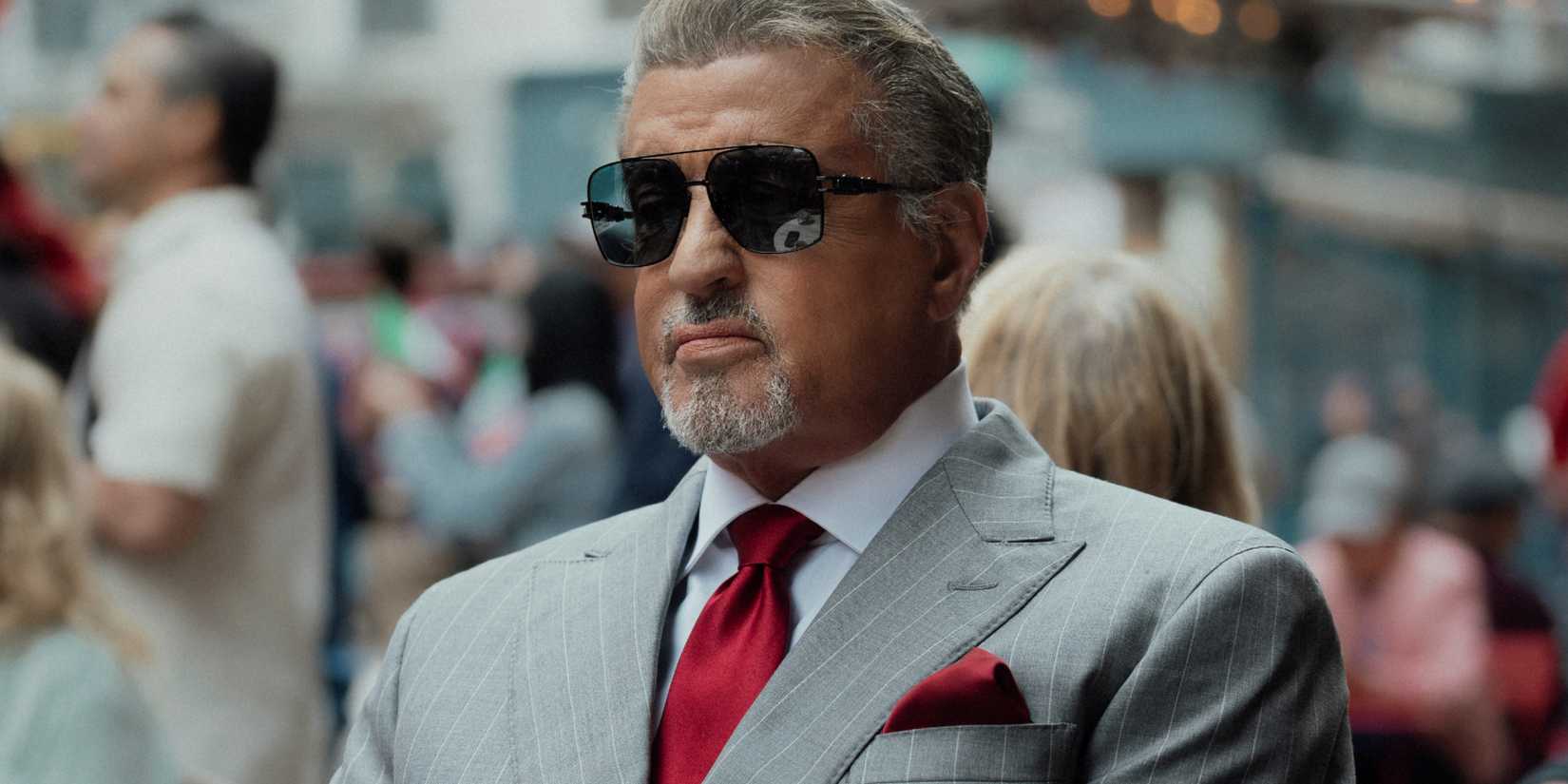
The comedy in Tulsa King may be unusual for Taylor Sheridan, but it works. It’s not hard to see why, either. It may be comedic, but the sense of humor of Tulsa King isn’t silliness. It’s rooted in character and context rather than cheap gags.
Tulsa King’s fish-out-of-water premise gives the comedy a firm narrative foundation: Dwight, a Mafia kingpin from a different era, is constantly confronted with the quirks of 21st-century life. Whether it’s negotiating with local business owners or navigating social norms he never encountered behind bars, the clash fuels much of the show’s most memorable moments.
Sylvester Stallone’s performance as Dwight is central to this balance. He brings a blend of world-weary gruffness and unexpected charm that makes him surprisingly sympathetic even when he’s out of his depth. Instead of playing Dwight as a relic in Tulsa King, Stallone imbues him with authentic and believable comic timing. He can deliver dry one-liners and frustrated reactions that feel earned because they arise naturally from the character’s situation.
Another reason the comedy of Tulsa King doesn’t feel jarring in the wider context of Taylor Sheridan’s work is the way its jokes underline character and theme. The humor doesn’t negate the stakes; it enriches them. Just like melodrama in Yellowstone or high-octane action in Lioness, humor in Tulsa King is a narrative tool in a character study.
This grounded approach to comedy allows Tulsa King to retain the feel of a Taylor Sheridan show while giving viewers relief from relentless tension. In contrast, the Yellowstone creator’s other series often lean so heavily into grit that any comedic relief feels incidental rather than intentional. Here, humor is woven into the story’s fabric.
That blend reflects smart design: a tough mobster trying to build a crew in unfamiliar territory makes for natural laughs without derailing the crime drama core. It’s a rare tonal blend that feels authentic rather than artificial, and it’s part of why Tulsa King resonates with so many fans.
How Tulsa King Turned Into A Major Success For Taylor Sheridan
Yellowstone Isn’t Sheridan’s Only Franchise
 Brian Douglas/Paramount+
While Tulsa King hasn’t eclipsed Yellowstone’s cultural footprint, it’s undeniably become a major success for Taylor Sheridan. The show consistently performs well on Paramount+, spending hundreds of days on the platform’s most-watched charts and drawing praise for its unique tone and strong lead performance.
Paramount+ saw the value of Tulsa King early on, and marketed it accordingly. Season 1 delivered one of the biggest series debuts in the streamer’s history and led to a record number of signups when the premiere was broadcast on the Paramount network (via THR). That success only continued, and has also now borne fruit with expansion plans.
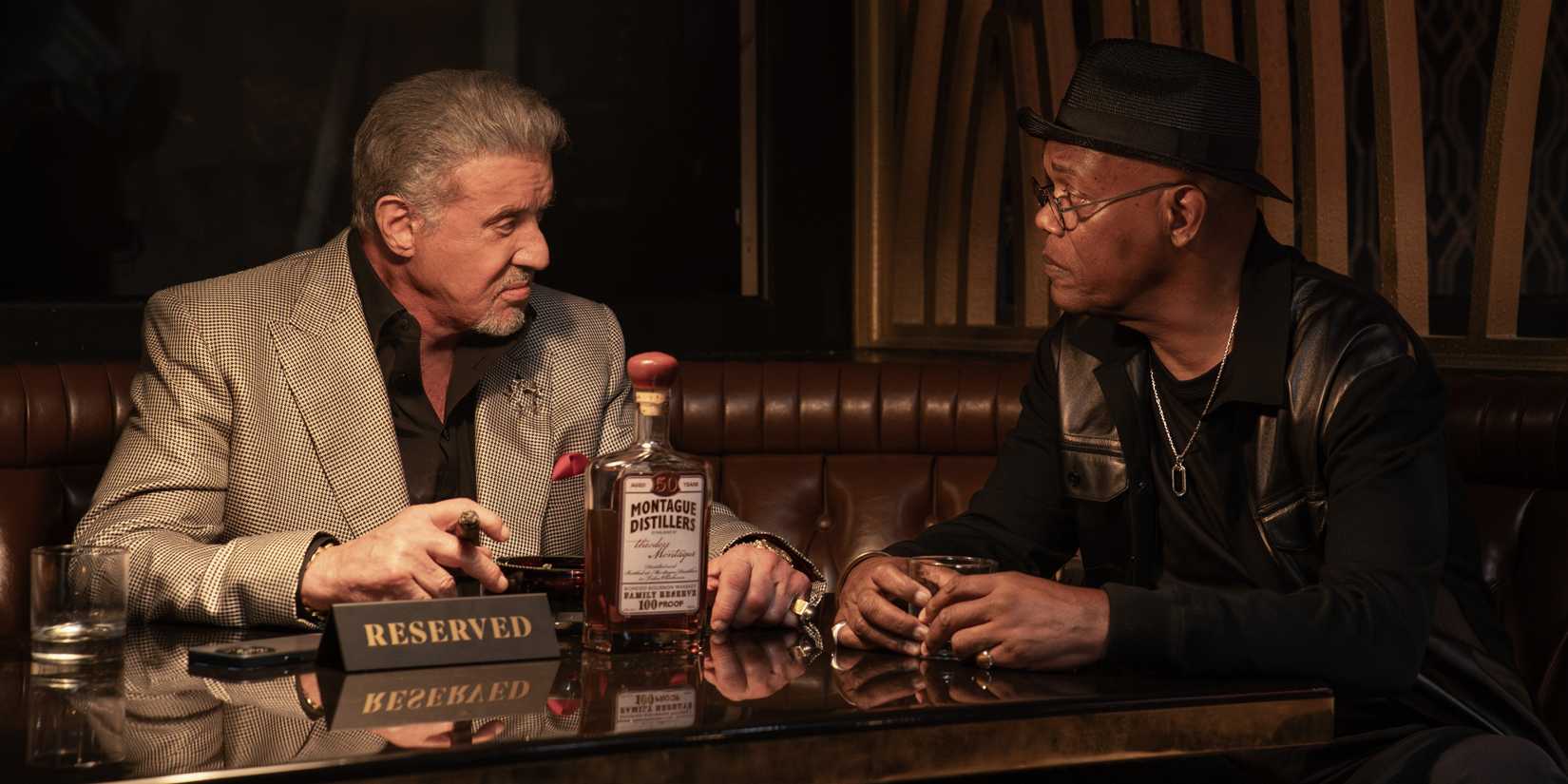
Paramount+ has greenlit a spinoff, Frisco King (previously titled Nola King), featuring breakout Tulsa King character Russell Lee Washington Jr., played by Samuel L. Jackson. This series will shift locales to Frisco, Texas, and will be penned by Sheridan himself across its first eight episodes.
The spinoff’s development underscores how Tulsa King proved itself as a franchise seed rather than a one-off experiment. It’s the first non-Yellowstone Taylor Sheridan show to receive its own spinoff, a milestone considering how many series he has now launched.
In a landscape crowded with crime dramas, Tulsa King stands out not just for its big-name lead but for proving that Taylor Sheridan’s storytelling can evolve. It’s still rooted in gritty themes, but it dares to be funny, and thanks to that risk, it’s grown into one of his most distinctive properties yet.
Release Date November 13, 2022
Network Paramount+
Showrunner Dave Erickson, Terence Winter
Directors Allen Coulter, Benjamin Semanoff, David Semel, Guy Ferland, Joshua Marston, Kevin Dowling, Lodge Kerrigan, Jim McKay
Writers Joseph Riccobene, David Flebotte, William Schmidt, Taylor Elmore, Tom Sierchio, Regina Corrado, Stephen Scaia, Terence Winter
-

Dwight 'The General' Manfredi
-

Martin Starr
Lawrence 'Bodhi' Geigerman






 English (US) ·