
There’s never been a shortage of great horror sci-fi TV shows. The two genres go hand-in-hand incredibly well, and many of the most successful series of the past few decades have been tales of terror with a science-fiction edge. However, while many sci-fi horror shows are compelling, only a handful become genuinely impossible to stop watching once they begin.
That’s especially true when it comes to zombie TV shows. The genre has become so crowded that even the strongest entries can start feeling interchangeable after a while. Whether it’s survivors navigating a collapsed society in The Walking Dead and The Last of Us, or comedic takes like iZombie and Santa Clarita Diet, almost every angle imaginable has been explored when it comes to tales of the infected or undead. That’s exactly why Syfy’s Helix stands out from the horde.
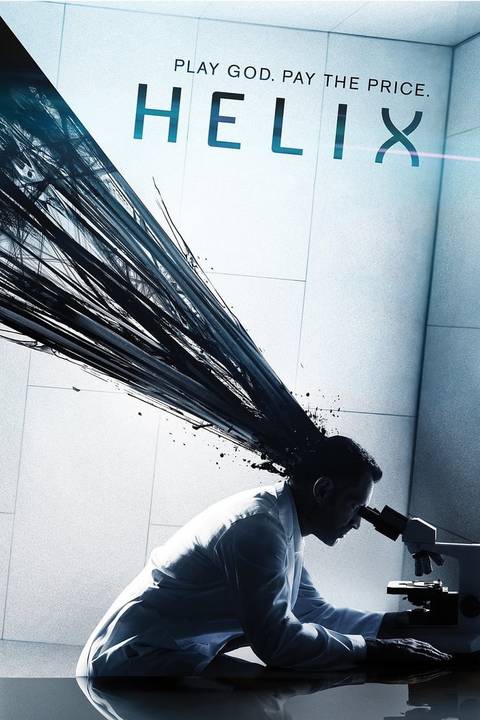
Running for 2 seasons from 2014-2015, Helix follows CDC scientists investigating a mysterious viral outbreak at an isolated Arctic research facility. What begins as a tense zombie-based TV thriller quickly transforms into something far stranger that twists many familiar horror and sci-fi concepts into something unpredictable. It’s the kind of series that drops shock reveals and bizarre new ideas at such a rapid pace that stopping between episodes becomes almost impossible, making it essential viewing for even the most seasoned sci-fi horror fans.
Helix Made Zombie TV Feel Fresh Again
The SyFy Series Refuses To Follow The Genre’s Usual Rules

Zombie TV shows have become incredibly formulaic over the years. Most still boil down to one of two core stories: a group of survivors attempting to stay alive in a collapsing world, or someone learning to cope with becoming infected themselves. Even the more creative entries often circle familiar territory. Zombie comedies like Santa Clarita Diet and iZombie don’t feel as sharp now that so many of them exist, and period horror series like Kingdom include similar tropes to The Last of Us or The Walking Dead, just with a different setting.
That’s why Helix is genuinely fascinating. Rather than focusing on society collapsing or survivors wandering through apocalypse scenarios, the SyFy zombie show treats its outbreak almost like a scientific mystery. The CDC team in Helix aren’t simply trying to escape infected hordes. They’re attempting to understand what the virus actually is, how it evolves, and what larger conspiracy surrounds it.
The infected themselves, called Vectors in Helix, also behave differently from traditional zombies. They’re fast, intelligent, and horrifyingly unpredictable, but the show uses them less as shambling monsters and more as symptoms of a much bigger scientific nightmare. Helix constantly evolves beyond viewers’ expectations, turning the outbreak into part of a larger mythology involving immortality, experimentation, and human evolution. Few zombie shows use infection as a storytelling tool this creatively, which is exactly why Helix still feels unique years later.
Zombies Aren’t The Only Horror Trope Helix Reinvents
Helix Turns Familiar Supernatural Horror Ideas Into Clever Science Fiction Concepts

What makes Helix especially impressive is that its creativity doesn’t stop with its approach to zombies. The deeper the show goes, particularly during season 2, the more it begins reinventing other major horror tropes through a science-fiction lens. Helix expands its mythos dramatically by introducing immortals who have secretly influenced humanity for centuries. In another horror TV show, this shadowy cabal would probably be supernatural beings, vampires, or demonic entities manipulating events from the shadows. Helix, however, grounds those concepts in speculative science.
The immortals in Helix aren’t magical creatures or vampires. Their extended lifespans come from genetic experimentation, viral exposure, and advanced biological manipulation. The show essentially takes ideas viewers normally associate with gothic supernatural horror and reimagines them as products of science gone too far. Just like with zombies, Helix takes an approach that feels fresh even when exploring recognizable horror-narrative territory.
This twisting of expectations helps Helix maintain its unsettling atmosphere. The horror becomes more disturbing because the show roots its greatest threats in biology rather than mythology. Ancient beings secretly controlling humanity feels frightening enough when framed as supernatural fantasy. It becomes even more unnerving when Helix suggests it could all stem from scientific advancement and evolutionary mutation.
That constant reworking of familiar horror concepts is ultimately what makes Helix so binge-worthy. The series continuously introduces ideas audiences recognize, only to twist them into forms they’ve rarely seen before. For horror sci-fi fans, that unpredictability becomes incredibly addictive, especially because the show burns through revelations at such a relentless pace across its short two-season run.
Release Date 2014 - 2015-00-00
Directors Steven A. Adelson, Jeremiah S. Chechik, Brad Turner, Duane Clark, Bradley Walsh, Grant Harvey, Mike Rohl, Jeff Renfroe
Writers Steven Maeda, Misha Green, Tiffany Greshler, Javier Grillo-Marxuach, Leigh Dana Jackson, Adam Lash, Sean Crouch, Timothy J. Lea, Allison Miller, Keith Huff, Cameron Porsandeh, Mark Haslett
-

-

Billy Campbell
Dr. Alan Farragut
-
Cat Lemieux
Dr. Doreen Boyle
-
Julian Bailey
Lt. Humphries







 English (US) ·