
With more than five decades of critical acclaim behind him, Denzel Washington is one actor who has more than defined modern cinema. The combination of box-office draws, on-screen command, and theatrical reliability has earned him respect that runs deep within Hollywood. Directors and producers cite his work as the benchmark by which other performances are judged.
From historical dramas and crime thrillers to psychological horror, Denzel’s filmography spans decades, showcasing a range, discipline, and depth that feel hard-won rather than manufactured. Each role of his carries a particular emotional weight, a technical control that never calls attention to itself, and an authenticity that makes his characters feel larger than life.
In a career filled with memorable turns, eight performances stand out and continue to draw praise from critics, filmmakers, and audiences across generations. Those roles reveal a dramatic power, emotional composure, and a presence that gradually turned Denzel Washington into something close to an institution on screen.
American Gangster (2007)
 Universal Pictures, Paramount Pictures
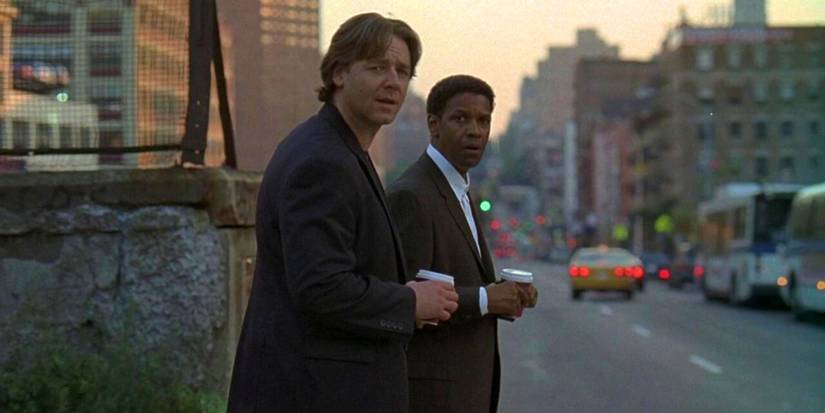
In the hard streets of 1970s Harlem, American Gangster traces Frank Lucas’ rise from a driver to a feared heroin distributor. Denzel Washington plays the part with a patience that feels almost unnerving. He builds the empire through intelligence and discipline rather than chaos or force. What begins as calculated success reveals itself as something colder and more morally corrosive.
A few scenes stay in the audience’s minds, particularly the daylight public execution, which is terrifying precisely because of how calm Denzel’s character remains. Family dinners crackle with pressure around loyalty and image. In the quieter confrontations with rivals and detectives, a single steady look or pause from Washington generates more danger than any physical outburst.
Frank Lucas lingers in the mind because of the mix of elegance and menace. Composed speeches suggest dignity and control, yet something ruthless always waits underneath. Denzel Washington makes that contradiction believable. The character becomes both admirable in his focus and disturbing in his emptiness. It turns a gangster tale into a study of power and the slow cost of pride.
Mo’ Better Blues (1990)
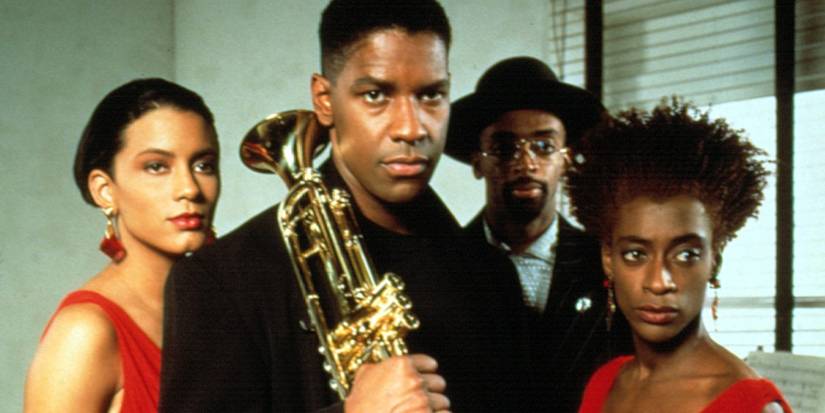
Bleek Gilliam appears in Mo’ Better Blues as a gifted trumpeter whose world is shaped by music, ambition, and pride. Denzel Washington brings a charisma to the role that is chillingly natural. On stage, he radiates the confidence of a man who knows his talent sets him apart, but that same intensity leaves him isolated once the lights go down.
The movie’s most epic moments come during Bleek’s performances. Denzel Washington handles the trumpet scenes with convincing rhythm and presence, making crowded jazz clubs feel close and intimate. Rehearsals and late-night improvisations draw the viewer straight into Bleek’s creative life, where wordless understanding between musicians sometimes says more than dialogue ever could.
The standout feature of the performance is the apparent effort behind Bleek’s characterization. The level of Denzel’s preparedness shines at every stage of the film. Beyond technique, the performances quietly reveal the artistic ego, surface charm, emotional immaturity, and underlying loneliness that live inside Bleek. The contradictions feel honest and lived-in, the way genuine talent so often carries hidden costs.
Inside Man (2006)
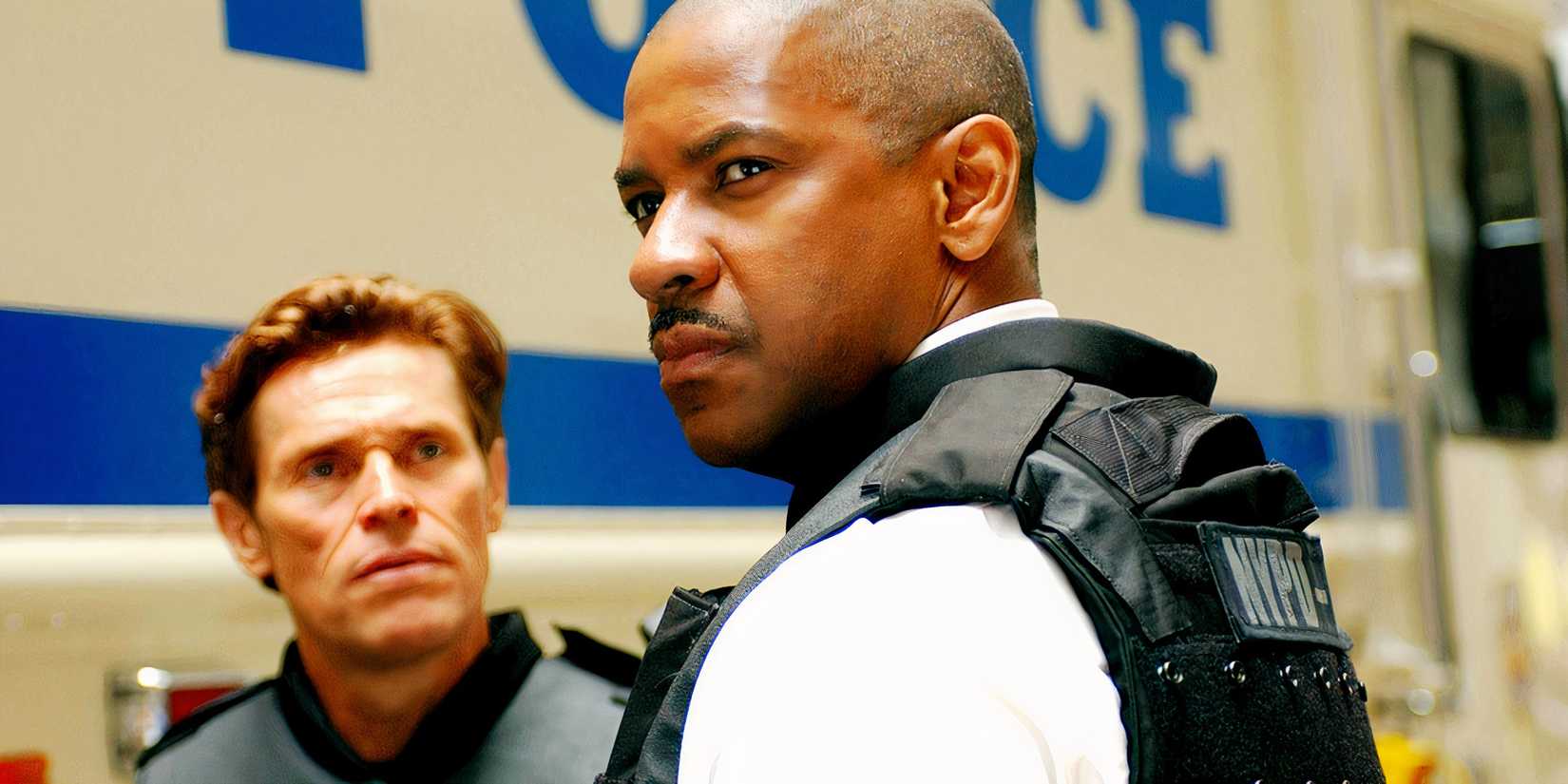
New York City feels like one giant chessboard in Inside Man. The movie begins with what appears to be a normal bank robbery. But as things unfold, secrets spill out, secrets hidden behind money. Detective Keith Frazier has to push through all the confusion, the heavy pressure from above, and the quiet tricks people play to finally reach the real truth.
Denzel Washington brings a smooth rhythm to the role. The detective shows sharp intelligence and dry humor, but always with a suspicion that keeps the tension high. The strongest parts come during conversations. Talks with hostages, other cops, and especially Dalton Russell move like slow, careful games. Sometimes a small look or a pause made the whole room feel heavier.
For Keith, frustration builds beneath his expressionless exterior. Sharp words get thrown at the bosses, and his irritation brews quietly. Years of letdowns show in the way his shoulders sit, but somehow his natural confidence remains untouched. Denzel’s mix of technique and charisma makes Keith Frazier feel a shade more real than just another movie cop.
Flight (2012)
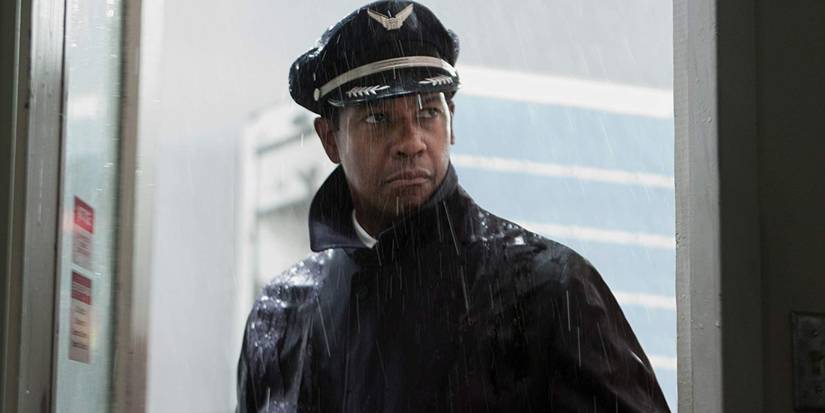
Flight drops the audience right into disaster. A plane suffers a brutal midair malfunction, and pilot Whip Whitaker somehow miraculously brings the situation under control. The early hero worship feels good until the spotlight shifts and starts exposing a man eaten up by addiction and poor choices. Denzel Washington handles those messy contradictions without ever overplaying both sides.
Brilliance and self-sabotage sit right next to each other, and the downward slide happens with painful directness. A lot of the power comes from small physical moments: unsteady walking through empty corridors, slumped shoulders in hotel rooms, long stretches of silence that say plenty. The relapse scene in the hotel lands hard, showing panic and need without asking for pity.
Pressure builds once the official hearing starts. Layer after layer of defense gets stripped away until only the truth remains. The final confession lands quietly, heavy with exhaustion, shame, and a kind of acceptance. The acting captures honesty in a way that hurts because the weakness on display is so ordinary and so human.
The Tragedy of Macbeth (2021)
 A24
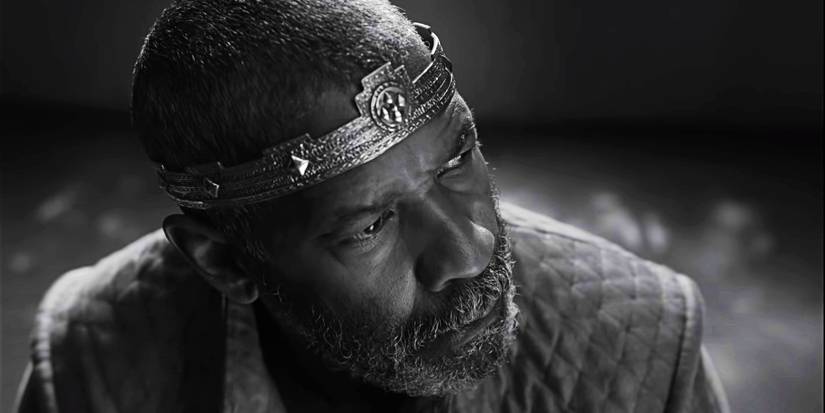
A24Fog, stone walls, and bare landscapes set the tone for Macbeth. The story follows a warrior whose encounter with prophecy plants a hunger that refuses to stay buried. Ambition eats away at whatever decency and calm the man once had. Denzel Washington plays the role from the inside out, focusing on exhaustion and paranoia that grow without big theatrical flourishes.
Still moments carry real significance. During the dagger scene, doubt manifests in his uneasy breathing and small, hesitant gestures rather than wild movements. Later, at the banquet, Banquo’s ghost unsettles everything from within while Macbeth struggles to keep up appearances. The character already seems haunted deep down before the visible cracks appear.
Even the last battle plays without any glory. Every step and swing carries bone-deep weariness, making clear the spirit gave out long before the body falls. Through careful restraint and sharp psychological focus, Denzel Washington turns this old tragedy into something intimate and uncomfortably real.
Glory (1989)
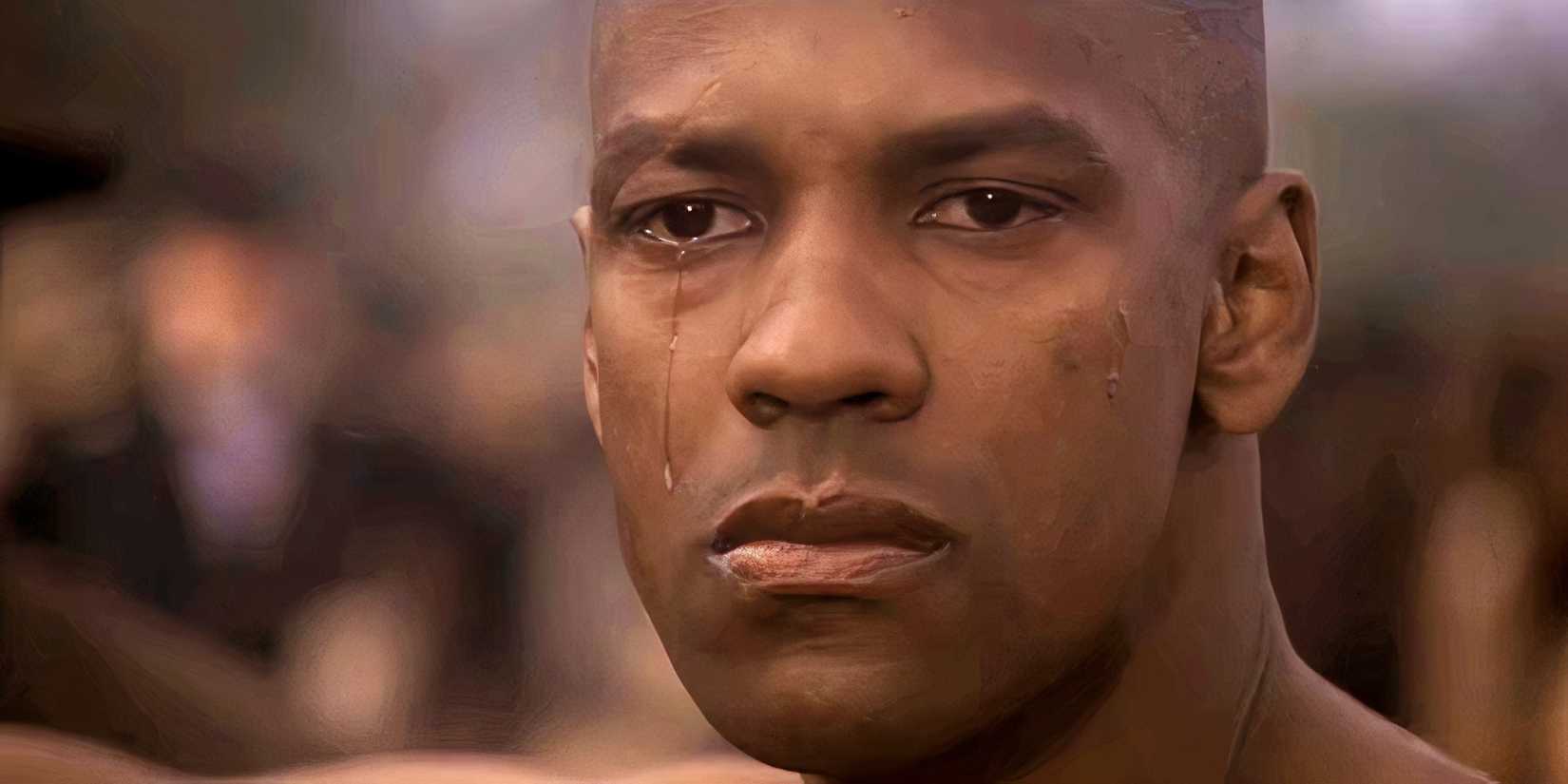
Glory brings the Civil War to life through the story of the 54th Massachusetts. Between the mud, the bullets, and the constant sting of racism, Private Trip emerges as the heart of the film. Denzel Washington plays him with a mix of wounded pride and guarded distrust, always holding something painful just beneath the surface of that hard defiance.
That whipping scene is a pivotal moment. Trip stands tall at first, refusing to give the watching soldiers any sign of weakness. But the lash keeps coming. Slowly, the single tear drops, yet he never lets his dignity crack. In those few minutes, Denzel Washington layers rage, shame, exhaustion, and quiet hurt so naturally that the moment stops being an act.
Later, around the campfire, Trip finally speaks about slavery and the wounds he carries. The tough shell softens. His voice drops, the anger fades into plain weariness. Even smaller choices land painfully, like the silent way he refuses the unequal pay. The mix of defiance and restraint on Private Trip’s part turns the performance into something honest and monumental.
Training Day (2001)
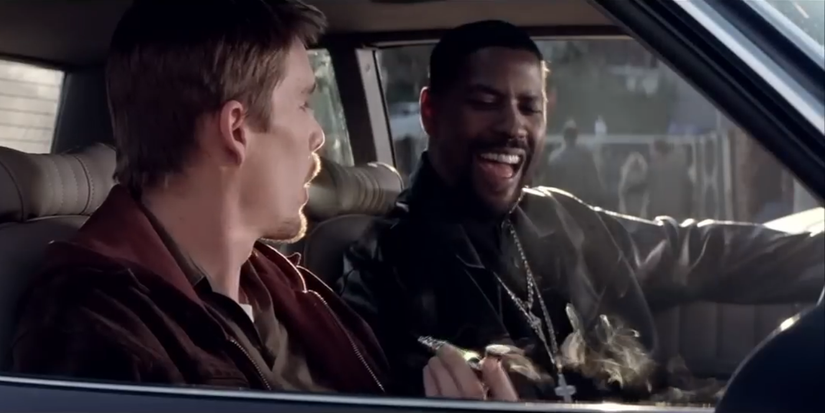
Training Day squeezes a moral collapse into one single day on the streets of Los Angeles. Rookie Jake Hoyt gets paired with narcotics detective Alonzo Harris, a man whose charm barely covers the brutality underneath. Denzel Washington embodies Alonzo’s dangerousness with the sharpness of a blade. Ordinary lines carry an edge because viewers never know when the mood will change.
Alonzo seems relaxed, funny, and sharp, yet uneasiness lingers underneath his easy smile. The real shift happens later, after Jake turns down the drugs. In seconds, Denzel Washington changes from playful mentor to something cold and threatening. The small space fills with sudden aggression, and the tension becomes suffocating.
By the time the “King Kong” rant explodes on the street, the power is already slipping. The old swagger no longer works. Desperation leaking through the bravado. Denzel Washington lets the wounded ego and panic show without making Alonzo a cartoonish villain. Alonzo’s wicked sense of unpredictability and its careful deconstruction elevate the film into a different stratosphere of riveting.
Malcolm X (1992)
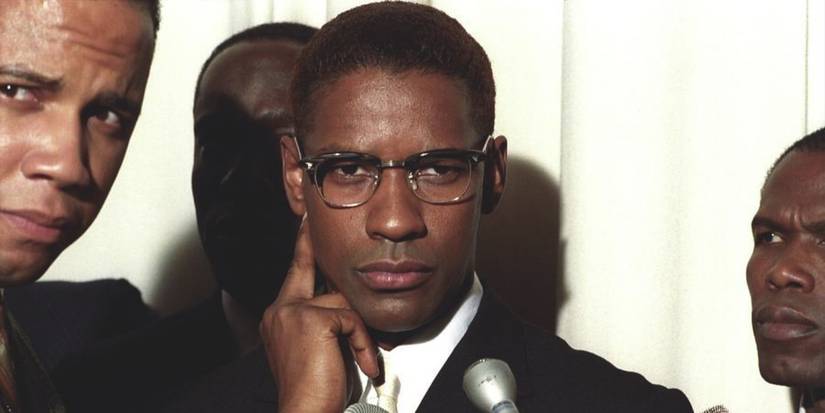
Malcolm X tracks one man’s long road from street hustler to spiritual leader during some of the roughest years in modern American history. Spike Lee’s film asks for big changes over time, and Denzel Washington delivers them without ever losing the man inside. Each chapter of Malcolm’s life carries its own rhythm and feel.
In the early Harlem scenes, energy crackles off the screen: fast talk, sharp clothes, restless nights spent chasing survival and trouble. Prison changes everything. The movement slows. Speech becomes careful and weighted as conversations turn to faith and identity. Denzel Washington lets those shifts happen gradually, so they feel earned instead of sudden.
After the journey to Mecca, the voice deepens. Anger gives way to calmer, clearer thought, but the conviction stays strong. The final moments in the ballroom carry a quiet sadness. Malcolm faces what’s coming with an acceptance that is almost chilling. Denzel holds it all together with unflurried composure. That choice transforms the entire film into more than a biopic.

Release Date November 18, 1992
Runtime 202 minutes







 English (US) ·