
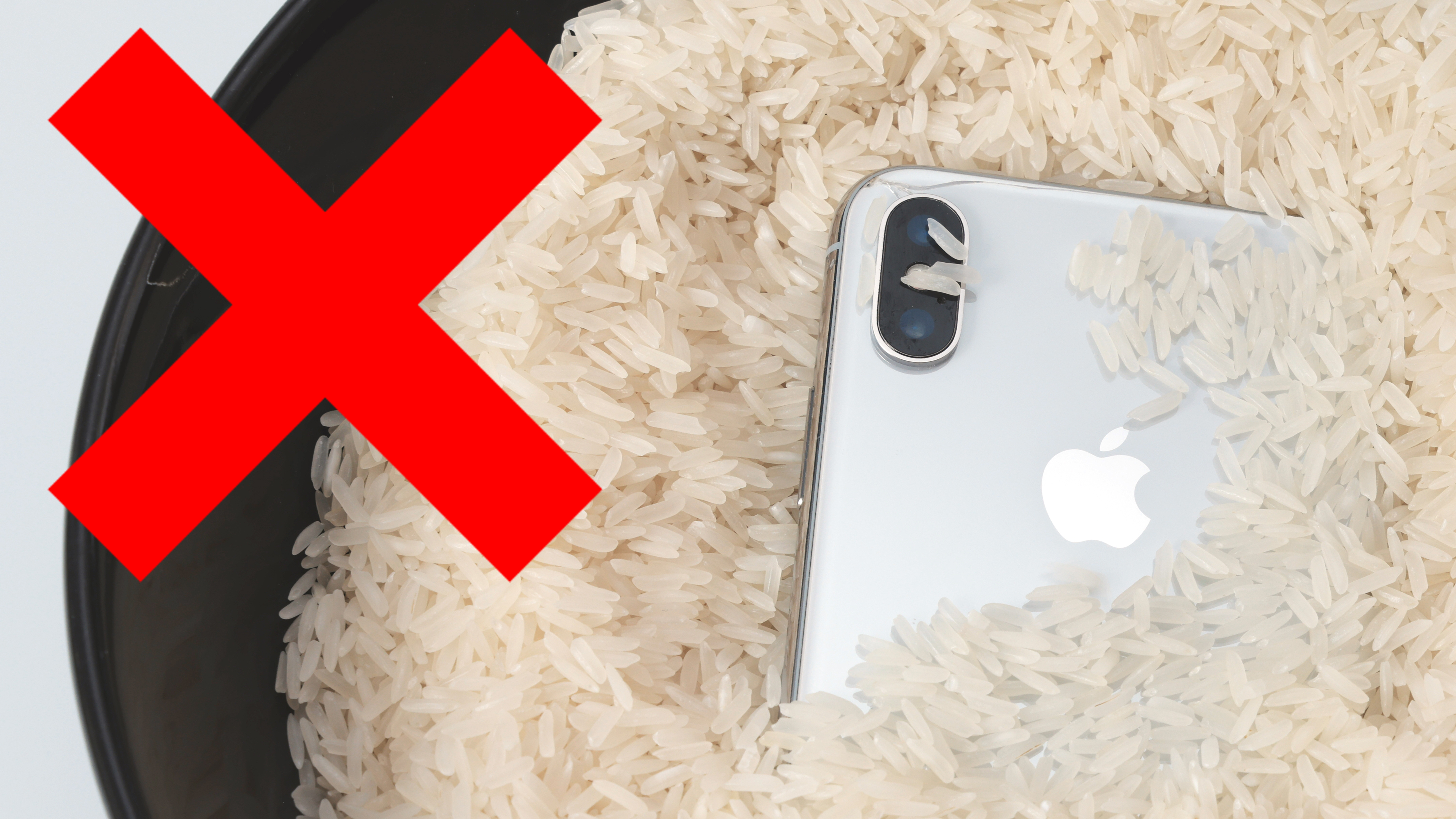
If you drop your phone in a puddle, pool, sink or toilet, there’s one piece of advice people rush to give: put it in rice. It’s become one of the biggest tech 'life hacks' of the past decade. It’s a fix so common you may not even think to question it.
Some of today’s phones are water-resistant, which helps in many situations. Just wipe it down and keep using it. Job done. But for older models, accidental dunks still happen. So is rice the miracle drying agent we’ve all made it out to be?
The myth
Depending on who you talk to, the advice about exactly how to dry your phone out with rice is a little different.
But I had a look at some of the top posts about this and, generally, the advice is that if you get your phone wet, you should (as quickly as possible) bury it in uncooked rice. Ideally enough to completely surround it in an airtight box or bag.
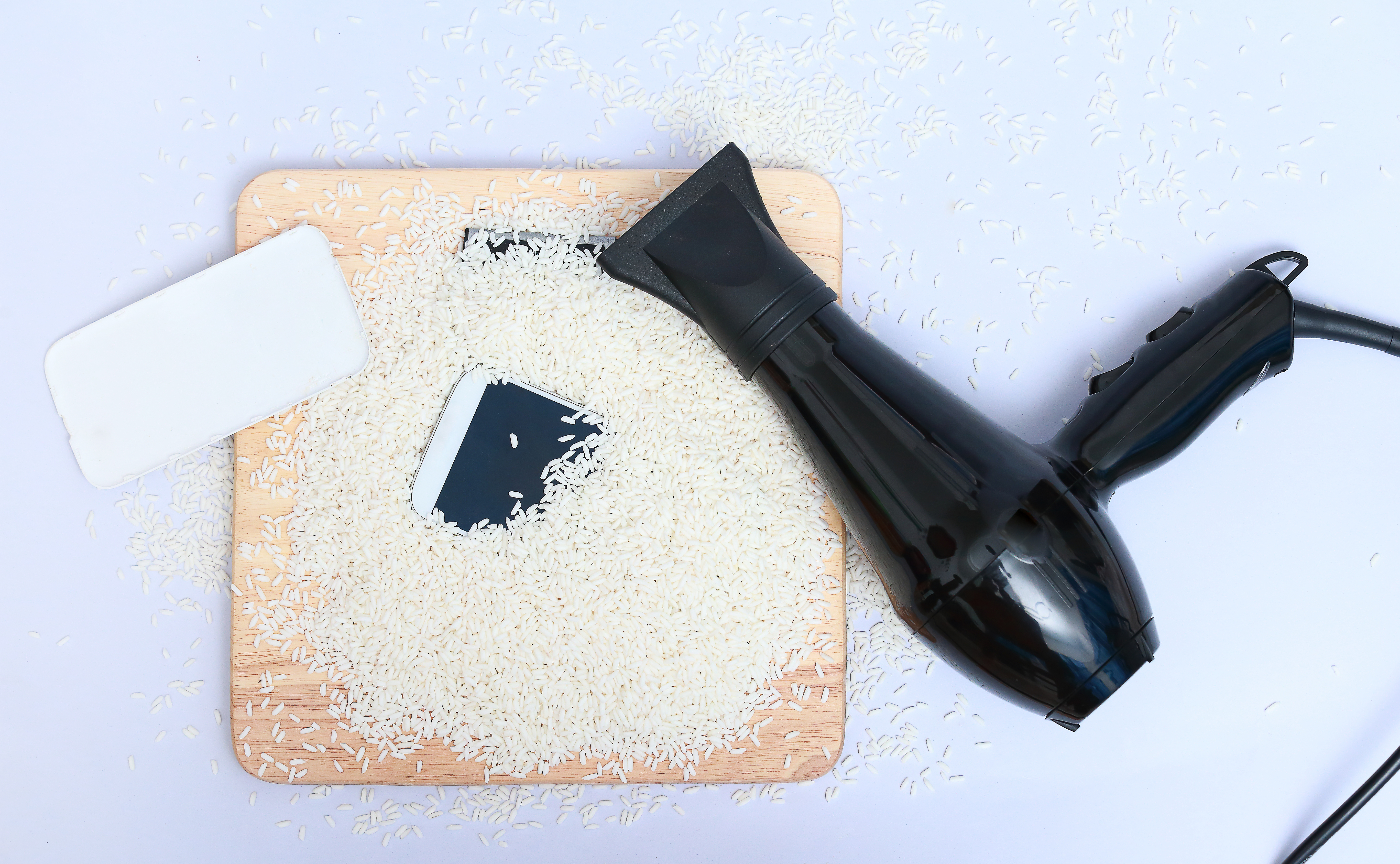
The belief is that rice pulls the moisture out of the device faster than air alone. It sounds plausible if you think about the basics of how rice cooks and see it as a sort of natural sponge. Add in years of this advice appearing in online life hacks and anecdotal success stories, and the idea has stuck around.
The interesting part here is you may have even had some success with it in the past. But how much truth is there in it as a magic hack to save a soaked phone?
What experts say
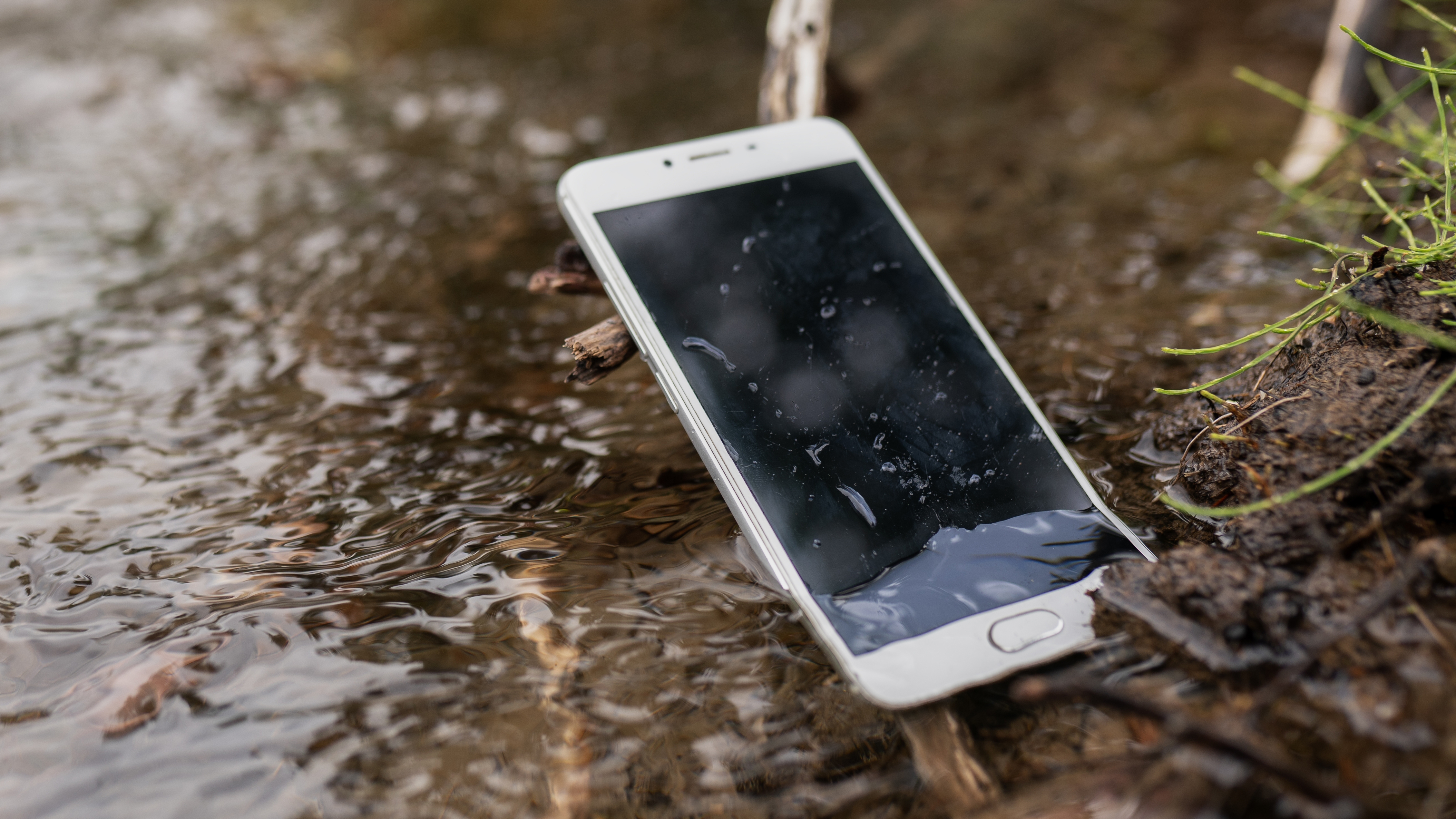
“It’s a myth that putting a wet phone in rice helps dry it out,” says Associate Professor Ritesh Chugh, a socio-tech expert at Central Queensland University, Australia.
Not only does it fail to help, it can make things worse. “Rice absorbs moisture far too slowly to remove the water that can get trapped inside modern sealed smartphones,” he says. “And small rice grains or dust can become lodged in charging ports, making repairs more difficult.”
This explains why many phone manufacturers actively advise against using rice.
TL;DR
Rice can absorb some surface moisture, but grains and dust can get lodged inside and create new problems. And it’s the water inside your device that does the damage. So skip the rice, switch your phone off, pat it dry, and leave it powered down for 24 to 48 hours instead.
So where did the idea come from? “It was a really common ‘life hack’ around 2014-ish,” Steven Athwal, CEO and Founder of refurbished tech company The Big Phone Store, explains. “Rice does absorb humidity, so I suppose people assumed it would ‘pull out’ the water, but rice works far too slowly to stop corrosion or short circuits, which start within minutes.”
Chugh says that the trick originally had some success with older digital cameras and early mobile phones, particularly in humid regions. “But this has been mistakenly extended to modern smartphones,” he tells me.
Confusingly, though, rice sometimes does dry just enough surface moisture for a device to briefly turn back on. Or to solve very minor water damage. But the experts tell me that any apparent “success” is likely just that outside layer drying out, rather than meaningful internal recovery.
What should you do instead?
So if rice isn’t the best option for dealing with a wet phone, then what should you actually do?
“Turn it off immediately and leave it off,” Athwal says. “Don’t charge it, don’t press buttons, don’t shake it, NOTHING. Just pat it dry, and if you’ve got silica gel or proper desiccant packs, use those.”
If you don’t have access to silica gel, the second best option is actually just to let it air dry in a ventilated room and avoid heat sources.
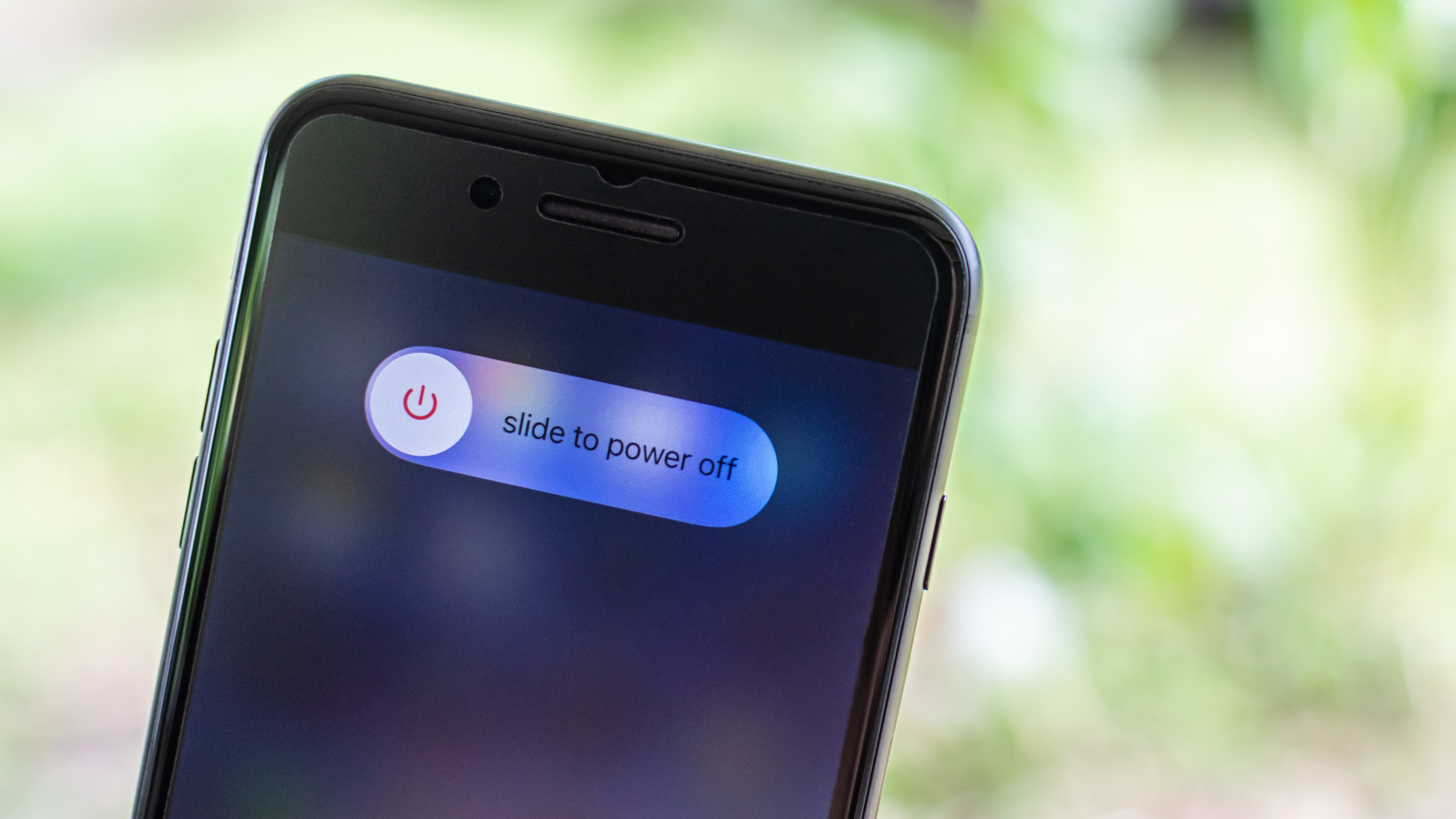
The most important step is keeping the device powered off for long enough. “You should leave the phone to dry for at least 24 to 48 hours, because the device must be completely dry before it is switched on again,” Chugh says. “Electricity and water together cause short circuits and corrosion.”
These quick fixes stick around because when something goes wrong, people want to act fast and don’t always have access to proper support.
Still, Athwal does recommend heading to a repair shop if you can. “A technician can clean the board before any corrosion becomes permanent,” he says. Which does sound a lot more reliable than a big box of rice and prayers.
Follow TechRadar on Google News and add us as a preferred source to get our expert news, reviews, and opinion in your feeds. Make sure to click the Follow button!
And of course you can also follow TechRadar on TikTok for news, reviews, unboxings in video form, and get regular updates from us on WhatsApp too.






 English (US) ·