
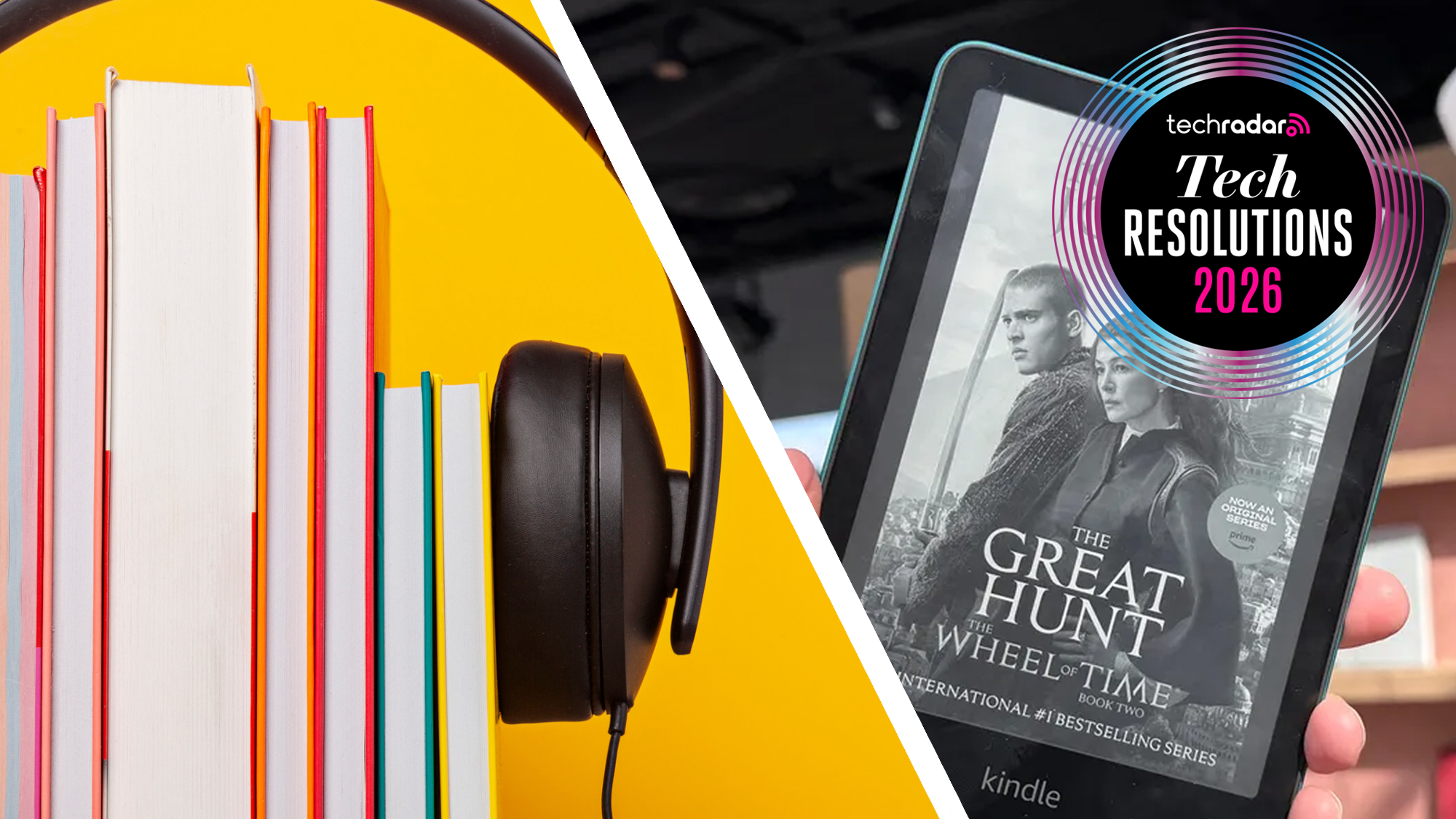
Like many people I'd like to spend my money more ethically, and as an author that's particularly true of buying books. Rather than contribute to Jeff Bezos's "let's send Katy Perry slightly into orbit inside a giant space rocket" fund, I try to buy most of my books from local indie bookshops, at book festivals and directly from small publishers.
That often costs a bit more, but as someone in the indie book industry I'm very aware of the difference that even small sums of money make when that money is spent locally or with small publishers. It really helps bookshops, publishers and authors alike, and that keeps the good books coming.
1. Your local library
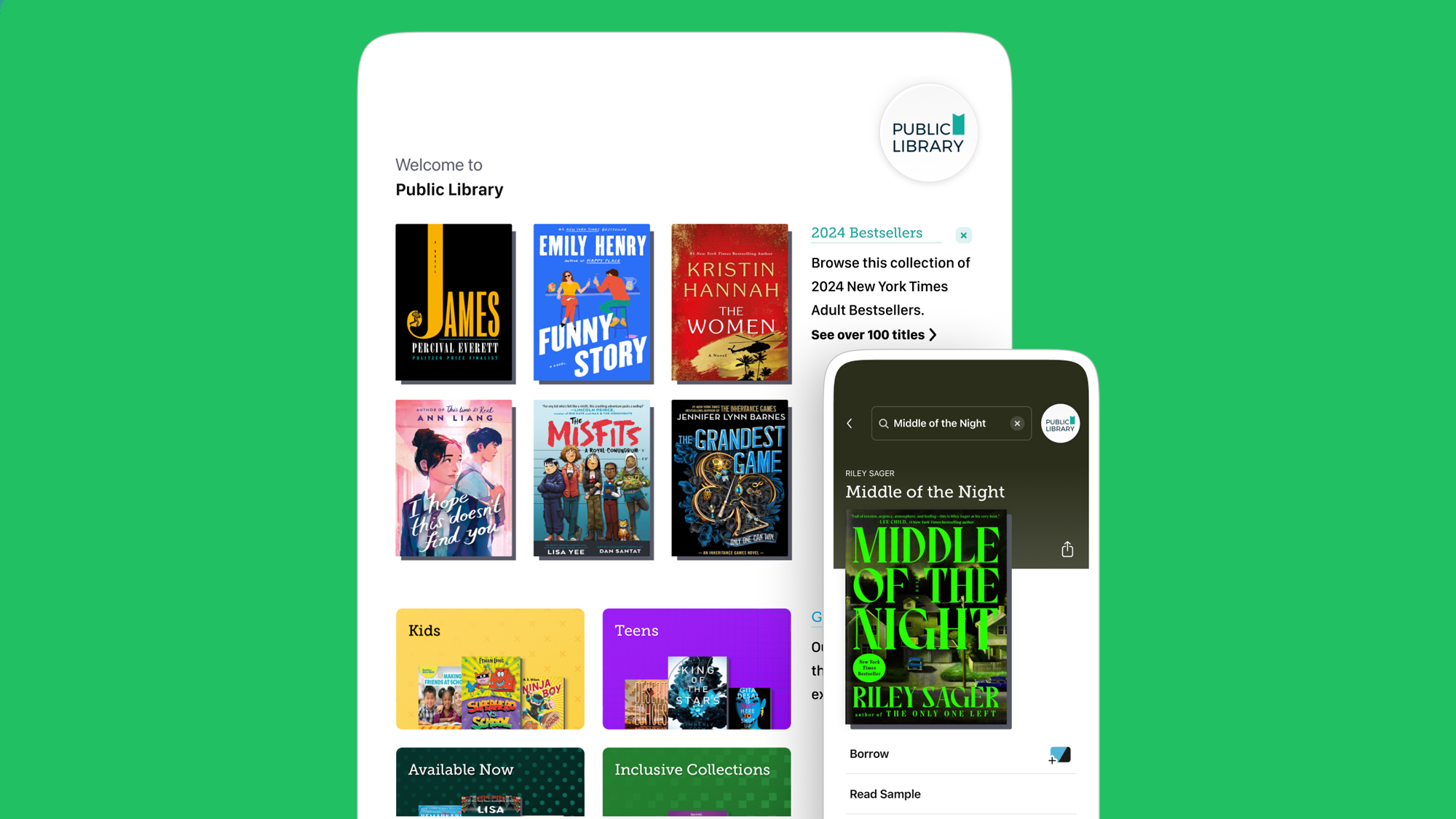
There are several apps that enable you to borrow library books as ebooks. The biggest are OverDrive's Libby, which also offers audiobooks, and for UK dwellers there's also BorrowBox, which sticks to text rather than audio and is favored by many UK councils. Libby and BorrowBox also feature a range of magazines you can browse, and Overdrive has another app, Sora, designed specifically for pupils of signed-up schools.
Both Libby and BorrowBox are based on using your library card as ID (and make it easy to get one if you don't already have one). Once you've signed in with that and set up your account you can then send titles to your device just like you would borrow a physical book from the library. And like physical library books, your loans are limited in number and have to be returned by a certain time.
2. Bookshop.org
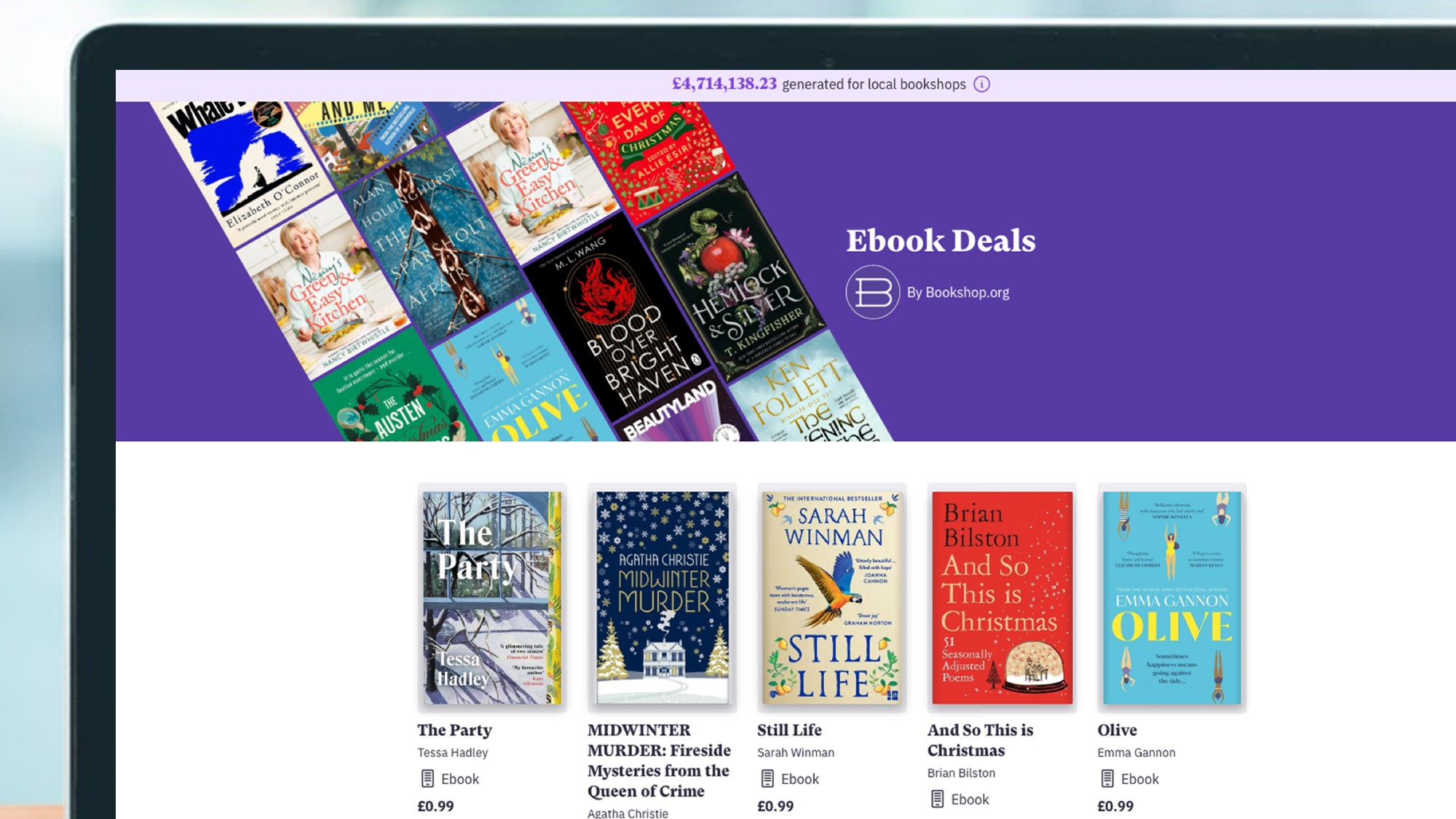
One of the things I love about Bookshop.org is that when I buy books from it, a little bit of my money is given to my nominated bookshop. And now the same can happen when I buy audiobooks.
This is a relatively new service for those of us in the UK so the selection is currently small, but the prices of high-profile books like Cory Doctorow's Enshittification are close to Amazon's and there are plenty of big-name authors.
And there's a big upside to the the much smaller selection: you're not dragging yourself through AI slop and low-quality shovelware to find the diamonds.
3. Libro.fm
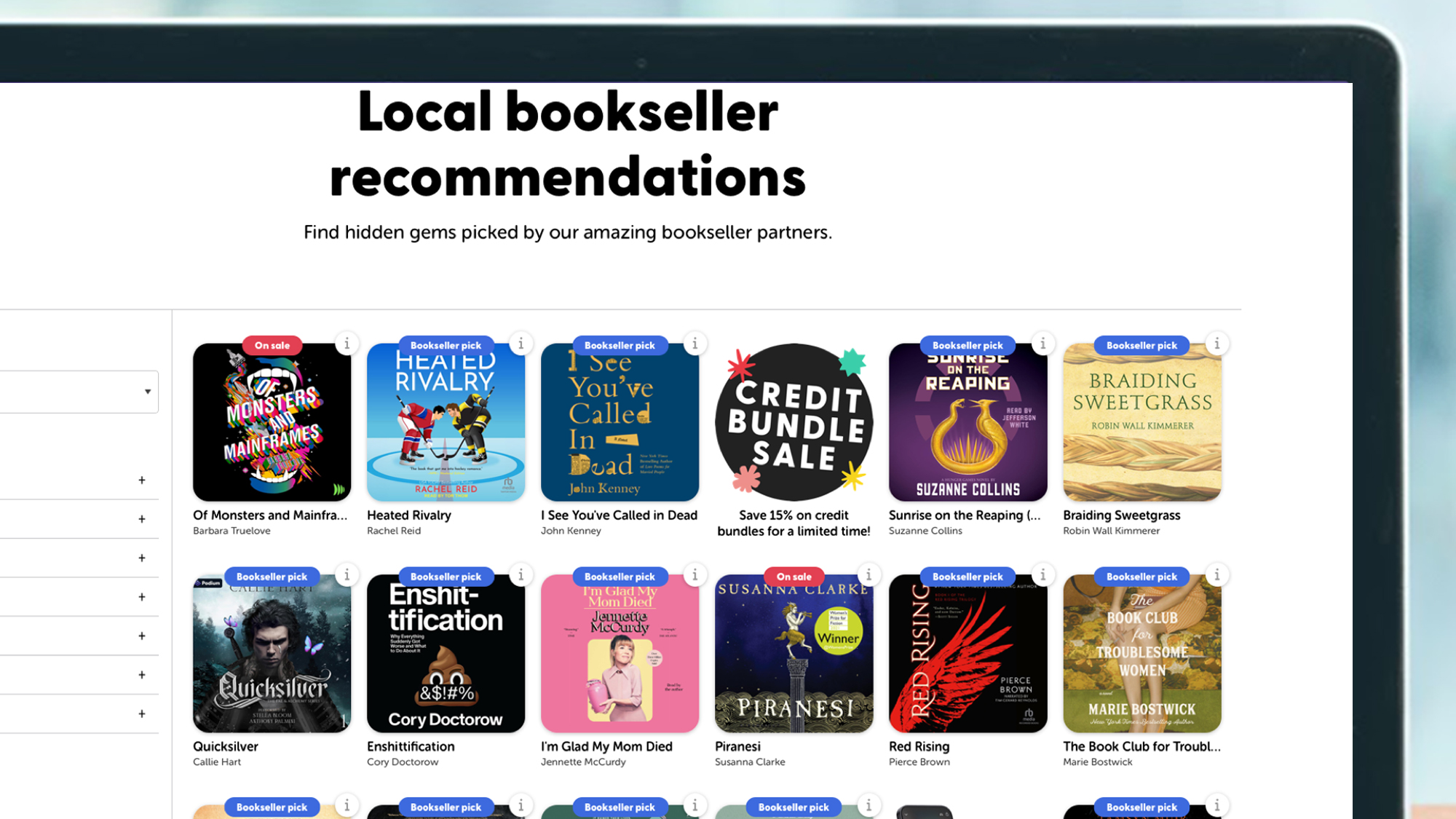
Libro is my favourite audiobook source – and like Bookshop.org, it enables me to buy audiobooks and give a slice of the payment pie to my nominated local bookseller.
The most cost-effective way is to take out a subscription (the standard subscription of $14.99 / £7.99 per month gets you one credit for one book per month) rather than buy books individually, because that latter option charges full price. Subscribers get discounts on additional audiobook purchases and special member-only sales too.
Libro.fm doesn't have the breadth of Amazon's Audible but its 600,000-title catalogue is hardly tiny. And your audiobooks aren't copy-protected, so they're yours to move between your different devices without turning you into a criminal.
4. Smashwords
TL;DR – Top tips for ebooks and audiobooks
1. Get an app
If you read a lot of e-books, a dedicated library app can help you stay on top of your collection – and we just happen to have a guide to the best e-book organisers right here.
2. Look for unlimited
Many e-book and audiobook platforms offer titles that don't have DRM (digital rights management), which can lock purchases to a single device or account.
3. Sample the sound
It sounds petty, but I've had to bail on some audiobooks because I hated the way they were narrated. Wherever possible, listen to a sample before buying that audiobook!
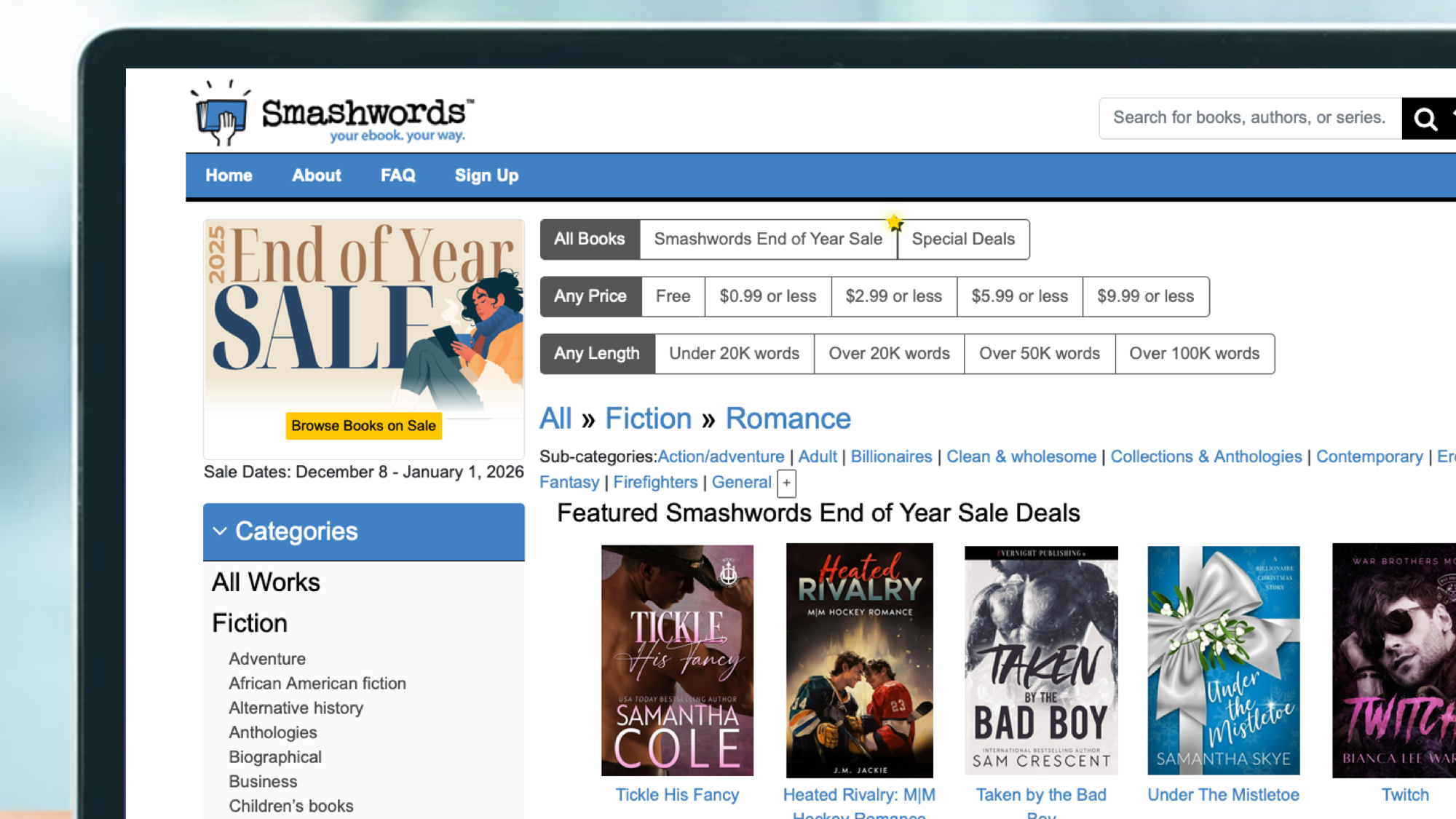
If you're looking for more independent and self-published authors like the ones on Amazon's Kindle platform, Smashwords is a good place to go – especially if your tastes tend towards romantasy, fantasy and SF.
Smashwords e-books are sold without copy protection and mostly in ePub format, and authors generally offer very generous free samples so you can be sure that you're buying something you're going to like reading.
That's good for the authors too: unlike some platforms, Smashwords sales are final, so people can't read your book and then get a refund.
5. Direct from independent publishers
If you really want to support independent authors, buying directly from their publishers often means they get the best possible royalty rate (and are likely to receive it more quickly too).
For example, my publisher 404 Ink will happily sell you ebook versions of all my books and my fellow authors' books, and that's common in independent publishing where margins are tight and every sale matters.
For small presses, direct sales can make the difference between surviving and thriving – and small presses are often where the literary stars of tomorrow take their first steps into publishing, so you're helping support the stars of the future.





 English (US) ·