
 4 weeks ago
23
4 weeks ago
23
Proof that you don't need to spend $2,000 to get professional results.
Have you noticed what's been happening to lens prices lately? It feels like every new announcement comes with a four-figure price tag, and the phrase "affordable option" now apparently means anything under a thousand dollars. The truth is that photographers starting out or those simply unwilling to remortgage their homes for a piece of glass have been left scratching their heads at the current state of the market. But here's the thing: you don't actually need to play this game. The gap between budget glass and flagship lenses has never been narrower, and the options available today would have seemed impossible just five years ago.
What's driving this shift? Third-party manufacturers like Samyang, Tamron, and Viltrox have forced the major brands into a corner. Sony's decision to license their E-mount opened the floodgates for affordable alternatives, and Canon and Nikon have responded by creating surprisingly capable consumer-tier optics. The optical technology that once lived exclusively in premium glass has trickled down to lenses costing a fraction of their flagship siblings. For this list, I've set some ground rules: every lens must be full frame compatible, must cost under $500, must have autofocus, and must be capable of producing work you could actually charge money for. No manual-focus or APS-C options allowed.
The Sony E-Mount Ecosystem
Sony's open licensing policy has created something of a golden age for budget-conscious full frame shooters. The sheer number of third-party options available for E-mount is staggering, and many of them punch well above their weight class.
1. Sony FE 50mm f/1.8
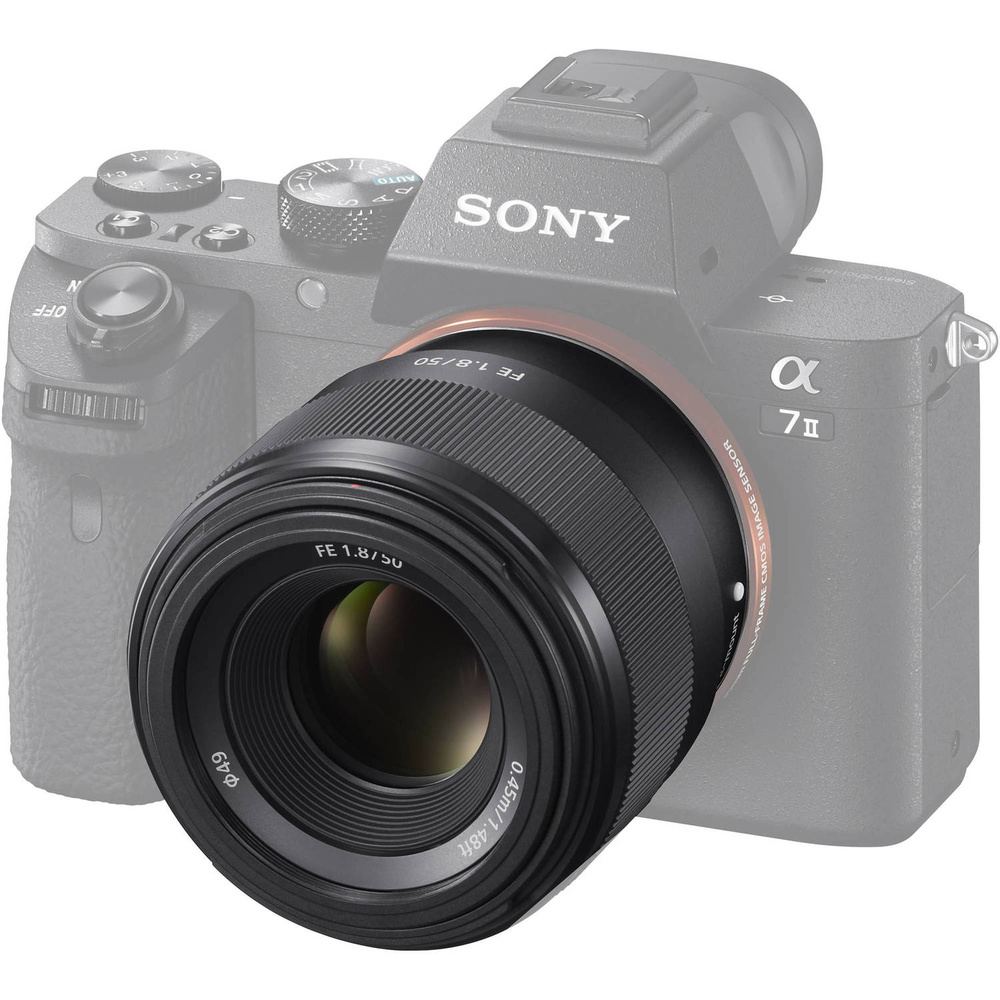
- The Hook: It's imperfect, but it's the gateway drug to full frame depth of field.
- Price: $278.
- Best For: New Sony full frame users needing a budget portrait and walkaround lens.
- Why It Wins: The autofocus motor sounds like a small robot clearing its throat, and it won't win any races against the G-Master glass. But the optical formula includes an aspherical element that keeps aberrations in check, and the seven-blade diaphragm creates reasonably smooth bokeh for the price. The images are genuinely sharp with that creamy full frame separation.
- The "Nifty Fifty" Factor: The 50mm focal length remains the most versatile in photography for good reason. Having a fast prime available for under $250 should be considered mandatory equipment for any Sony shooter.
2. Samyang AF 35mm f/1.8 FE
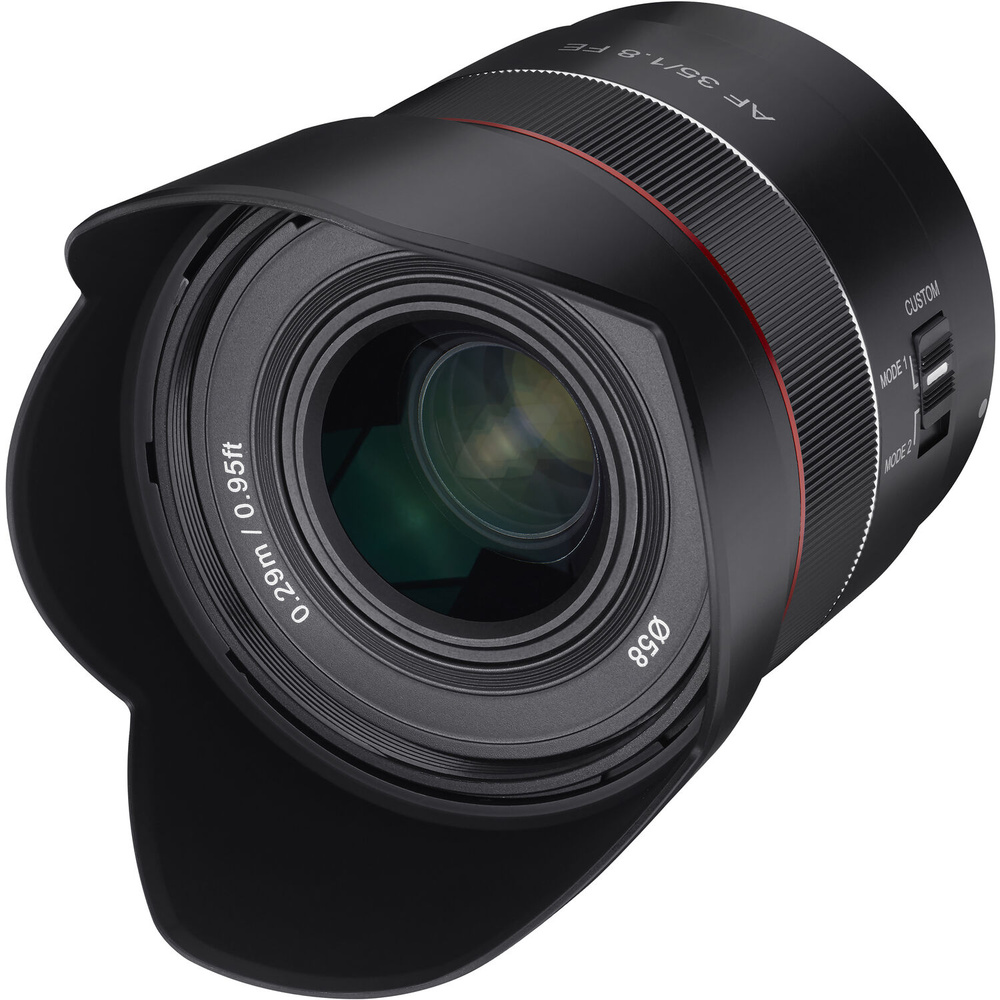
- The Hook: A lens that proves "cheap" doesn't have to mean "fragile."
- Price: $349.
- Best For: Street photographers and environmental portrait shooters who value portability.
- Why It Wins: Part of the acclaimed "Tiny Series," this lens includes weather sealing across four points of the housing. The Custom Switch lets you reassign the focus ring to control aperture, giving you one-handed exposure adjustment that rivals lenses costing twice as much. At just 210 grams and 63.5 mm in length, it practically disappears on your camera.
- Comparison: The Sony FE 35mm f/1.8 runs around $750. The Samyang delivers 90% of the performance at less than half the price.
3. Samyang AF 75mm f/1.8 FE
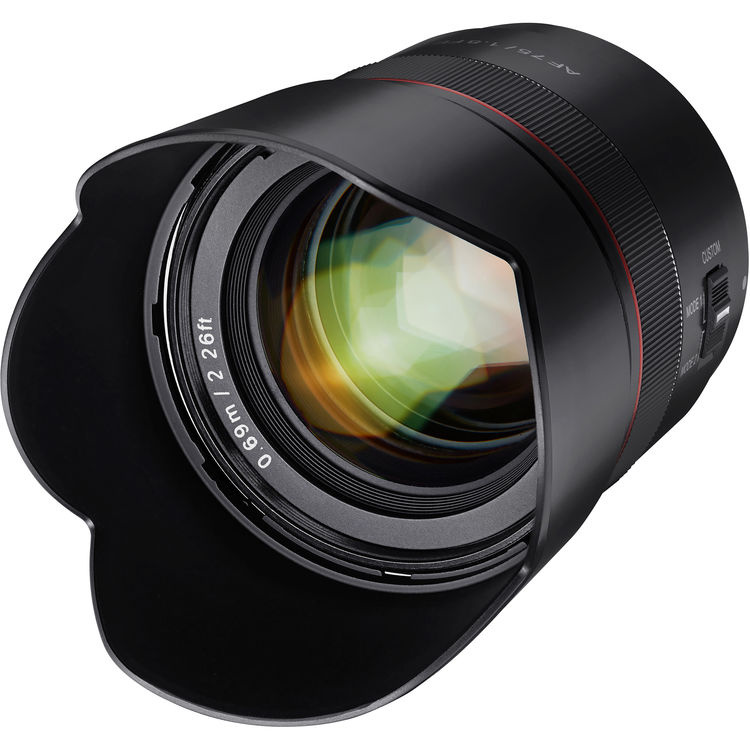
- The Hook: The portrait focal length you didn't know you needed.
- Price: $399.
- Best For: Portrait photographers wanting a unique look without the weight of an 85mm.
- Why It Wins: At just 230 grams, it weighs about as much as many 50mm primes despite the longer focal length. The 75mm sits in a fascinating sweet spot, offering tighter framing than a normal lens while maintaining more environmental context than a traditional portrait prime.
- Bokeh Quality: The nine-blade diaphragm produces remarkably smooth background separation, and three extra-low dispersion elements keep chromatic aberration well controlled.
4. Tamron 20mm f/2.8 Di III OSD M 1:2, 24mm, and 35mm
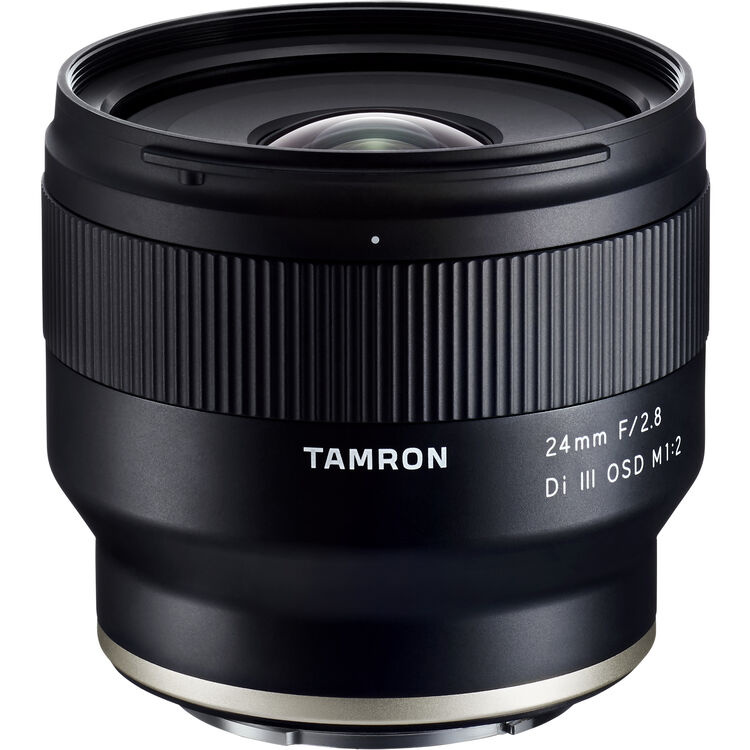
- The Hook: Why buy a standard prime when you can get a macro for the same price?
- Price: $249 to $299 depending on focal length.
- Best For: Macro enthusiasts and travel photographers who want versatility without extra weight.
- Why It Wins: Each lens delivers a 1:2 maximum magnification ratio, meaning you can get within inches of your subject and still achieve focus. Travel photographers take note: instead of carrying a dedicated macro lens, grab one of these and cover two use cases with a single compact optic. If you want to dive deeper into close-up work, Fstoppers offers an excellent Mastering Macro Photography tutorial that pairs perfectly with these lenses.
- Optical Compromise: The OSD stepping motor won't set any autofocus records, but it's adequately quick and essentially silent for video work. Corner-to-corner sharpness remains impressive for the price.
5. Viltrox AF 85mm f/1.8 II FE
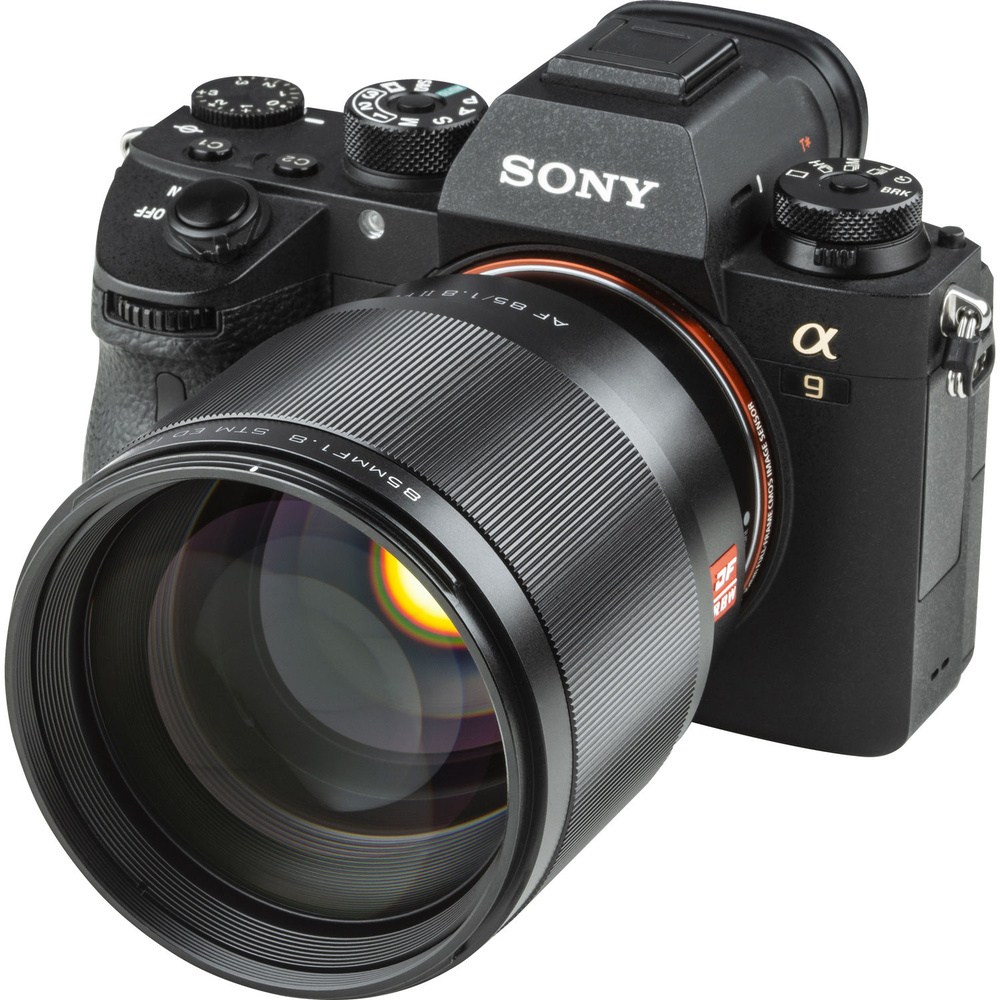
- The Hook: The lens that made Sony users question why they bought the GM.
- Price: $329.
- Best For: Portrait photographers building a kit on a budget.
- Why It Wins: This lens delivers approximately 95% of what the Sony G-Master offers at roughly half the price. The second-generation design is slimmer and lighter than its predecessor while maintaining the optical formula that earned the original such a strong reputation.
- Build Quality: All-metal construction feels surprisingly premium. The STM motor provides accurate, quiet autofocus that keeps up with modern face and eye detection. The HD Nano coating controls flare beautifully in backlit situations.
The Canon RF Ecosystem
Canon has taken an interesting approach with their consumer-tier RF glass. Rather than simply shrinking down their L-series designs, they've focused on creating genuinely compact lenses that take full advantage of the short flange distance inherent to mirrorless systems.
6. Canon RF 24-105mm f/4-7.1 IS STM
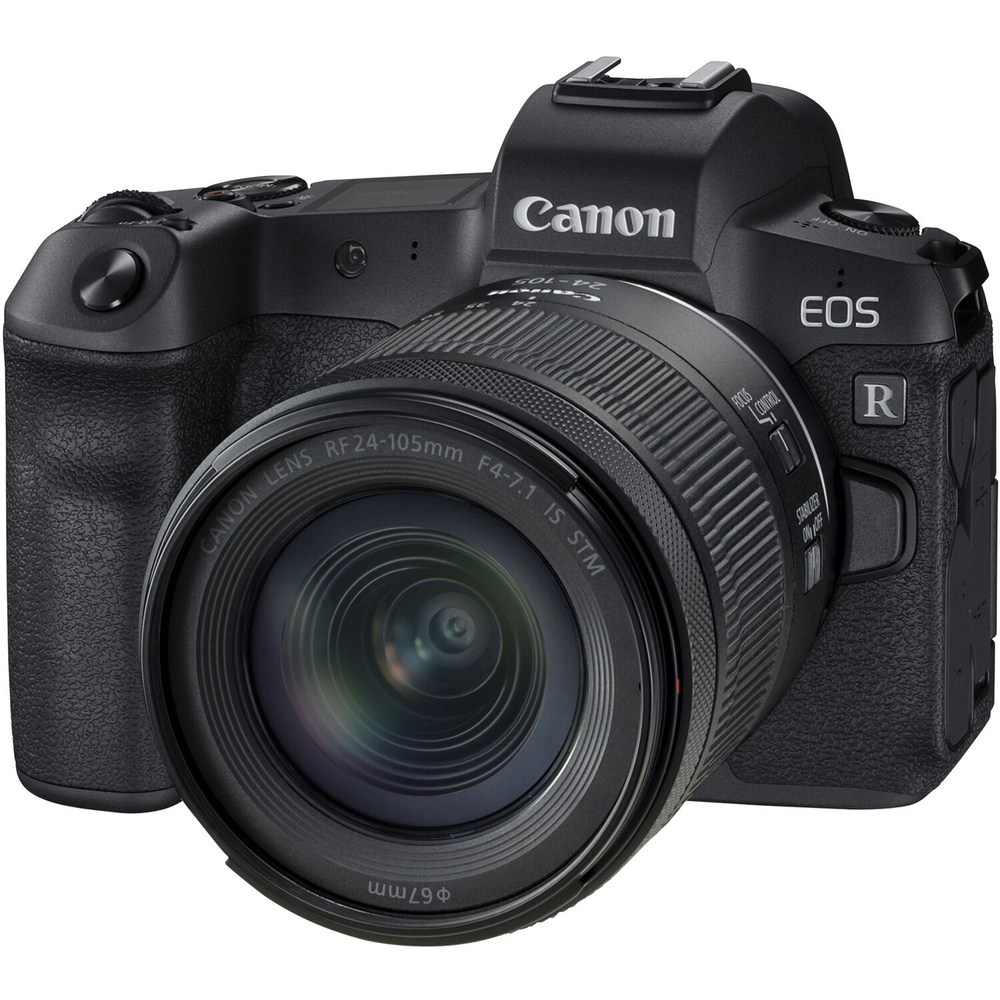
- The Hook: Don't let the f/7.1 aperture scare you away.
- Price: $459.
- Best For: Travel photographers and general-purpose shooters who need one lens to do it all.
- Why It Wins: The five-stop optical image stabilization compensates for the relatively narrow aperture, and the unique Center Focus Macro mode allows you to achieve a 1:2 magnification ratio at the wide end. It's a genuine kit lens done right. The lead-screw STM motor provides smooth, silent autofocus that works beautifully for video.
- The Weight Factor: Under a pound for a 24-105mm range. During daylight hours, this versatile zoom rarely needs to come off your camera. For those looking to maximize their travel photography results, Elia Locardi's Photographing the World: Landscape Photography and Post-Processing course is an invaluable resource.
7. Canon RF 50mm f/1.8 STM
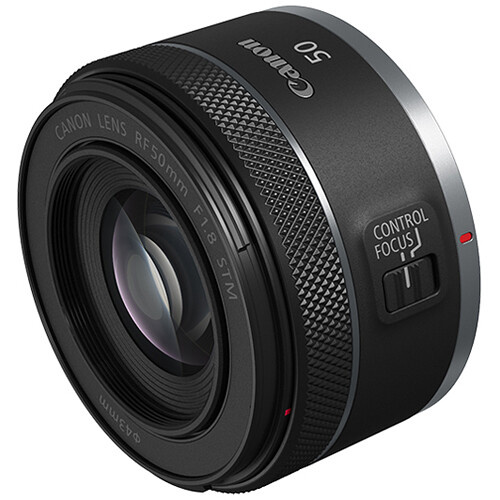
- The Hook: If you own an R-system camera and don't own this lens, you're doing it wrong.
- Price: $239.
- Best For: Literally every Canon RF shooter. No exceptions.
- Why It Wins: Canon took everything they learned from decades of "plastic fantastic" 50mm lenses and refined it for the mirrorless era. The near-pancake profile keeps your camera portable, the single aspherical element controls aberrations effectively, and the Super Spectra coating handles flare and ghosting.
- The "Plastic Fantastic" Legacy: This lens should live in every Canon RF shooter's bag as the ultimate backup and walkaround option. The control ring integration means you can adjust ISO, aperture, or exposure compensation without taking your eye from the viewfinder.
8. Canon RF 16mm f/2.8 STM
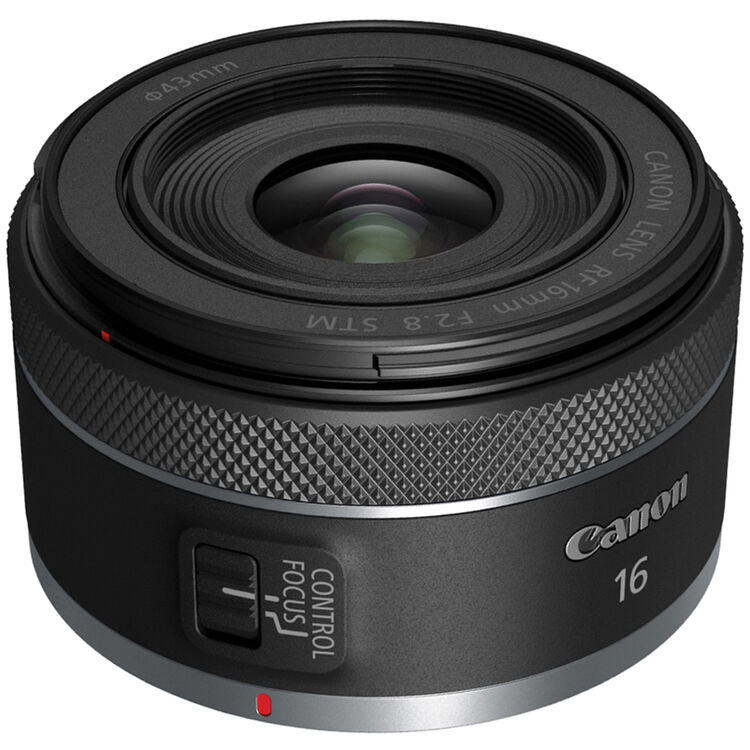
- The Hook: An ultra-wide that fits in your pocket? We didn't think it was possible.
- Price: $349.
- Best For: Vloggers, real estate photographers, and landscape shooters who prioritize portability.
- Why It Wins: Canon's engineers managed to create a 16mm prime that measures just 40 mm in length and weighs a mere 165 grams. The 5.1-inch minimum focusing distance enables genuinely unusual close-up wide angle perspectives that weren't possible before at this price.
- Correction Note: Yes, the lens relies heavily on in-camera corrections for distortion. But since every modern Canon body applies these automatically, the practical impact is zero. The combination of portability, price, and focal length makes it borderline essential for content creators on a budget. Real estate photographers in particular should check out Mike Kelley's How to Photograph Real Estate and Vacation Rentals for techniques that pair beautifully with this lens.
The Nikon Z Ecosystem
Nikon has focused their budget-tier efforts on creating lenses with genuine character rather than clinical perfection. The result is a growing collection of affordable primes that are simply fun to shoot with.
9. Nikon NIKKOR Z 40mm f/2
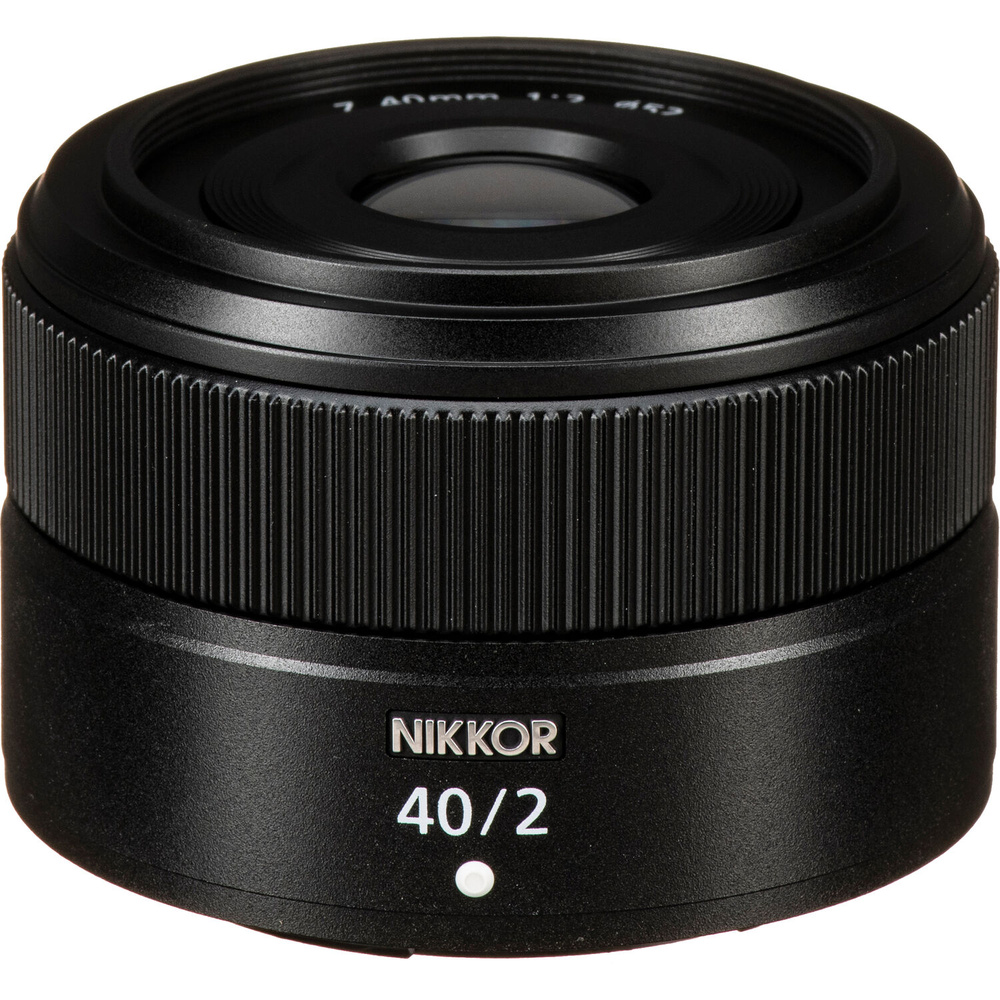
- The Hook: It's not a 35mm. It's not a 50mm. It's perfect.
- Price: $296.
- Best For: Street photographers and everyday-carry enthusiasts.
- Why It Wins: Affectionately dubbed the "muffin lens" for its compact, slightly rounded profile, the 40mm f/2 balances perfectly on Z6, Zf, and similar bodies. Two aspherical elements keep optical performance respectable, but the real appeal is the rendering character. This isn't clinically sterile glass; it has personality, a touch of classic pop that gives images a distinctive quality.
- The Focal Length: Wider than a 50mm but not as wide as a 35mm, it sits in a Goldilocks zone that works beautifully for street photography, casual portraits, and everyday documentation.
10. Viltrox AF 24mm f/1.8 Z
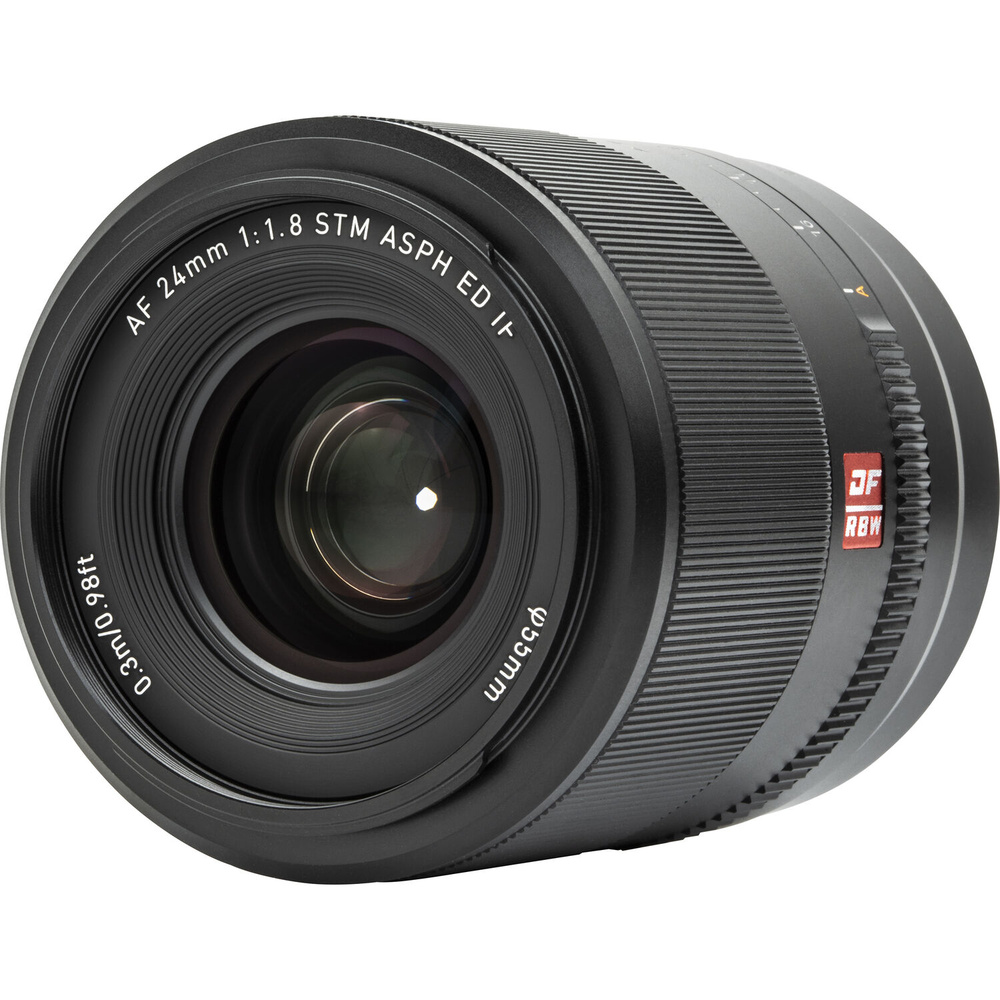
- The Hook: Unlocking the night sky for under $400.
- Price: $379.
- Best For: Low-light shooters, astrophotographers, and event photographers who need a fast wide prime.
- Why It Wins: At a fraction of the native Nikkor's price, this lens gives Nikon shooters access to a fast wide angle prime without the flagship expense. The optical design includes three extra-low dispersion elements and two aspherical elements, producing respectable sharpness from center to edge. Eye-AF support means quick subject tracking in challenging lighting. For those interested in astrophotography, Fstoppers' Photographing the World 2: Cityscape, Astrophotography, and Advanced Post-Processing course covers everything you need to capture stunning night sky images.
- For Video Shooters: The dedicated aperture ring with click-free operation makes this lens particularly appealing for filmmakers. Build quality is solid with all-metal construction, though the lack of weather sealing means exercising caution in adverse conditions.
The Bottom Line
Looking across this list, something remarkable becomes clear: you could assemble a complete three-lens prime kit for the same price as a single flagship. Combine something like the Viltrox 24mm, Nikon 40mm, and Viltrox 85mm, and you've covered wide, normal, and portrait focal lengths for well under $1,000. Or opt for a versatile kit zoom like the Canon RF 24-105mm f/4-7.1, and you've got a comprehensive system that handles virtually any shooting situation.
The gear industry wants you to believe that professional results require professional price tags. The lenses on this list prove otherwise. Yes, there are compromises compared to flagship glass. Autofocus motors might be slightly slower, weather-sealing might be incomplete, and maximum apertures might stop at f/2.8 rather than f/1.4. But the images these lenses produce? They're more than capable of earning you money, winning you clients, and creating work you can be genuinely proud of.
Stop scrolling through gear forums comparing MTF charts. Stop waiting for the "right" lens to go on sale. Pick something from this list, put it on your camera, and go make something worth looking at.








 English (US) ·