

Published Mar 27, 2026, 8:00 AM EDT
Cathal Gunning has been writing about movies, television, culture, and politics online and in print since 2017. He worked as a Senior Editor in Adbusters Media Foundation from 2018-2019 and wrote for WhatCulture in early 2020. He has been a Senior Features Writer for ScreenRant since 2020.
While Star Trek’s modern incarnation might have split the franchise’s fandom, this nine-year era is now reaching its end with only a few remaining episodes of Starfleet Academy and Strange New Worlds on the horizon. The Star Trek franchise has survived a lot over the decades. Although there have been periods with no new shows or movies, these are rare.
Between all the Star Trek movies and the franchise’s many, many small-screen incarnations, the longest gap between two Star Trek properties is the four-year period between Star Trek: Enterprise’s 2005 series finale and the release of 2009’s movie reboot. For a while, the modern era’s prolific output made it seem like such a gap would never happen again.
However, as of March 2026, there are now no new Star Trek shows or movies officially in development, and the cancellation of both Starfleet Academy and Strange New Worlds means that the franchise’s modern era is at its end. With seven shows to its name since 2017, this era has been one of the franchise’s most divisive among the fandom.
Star Trek's Modern Era Has Been Incredibly Divisive
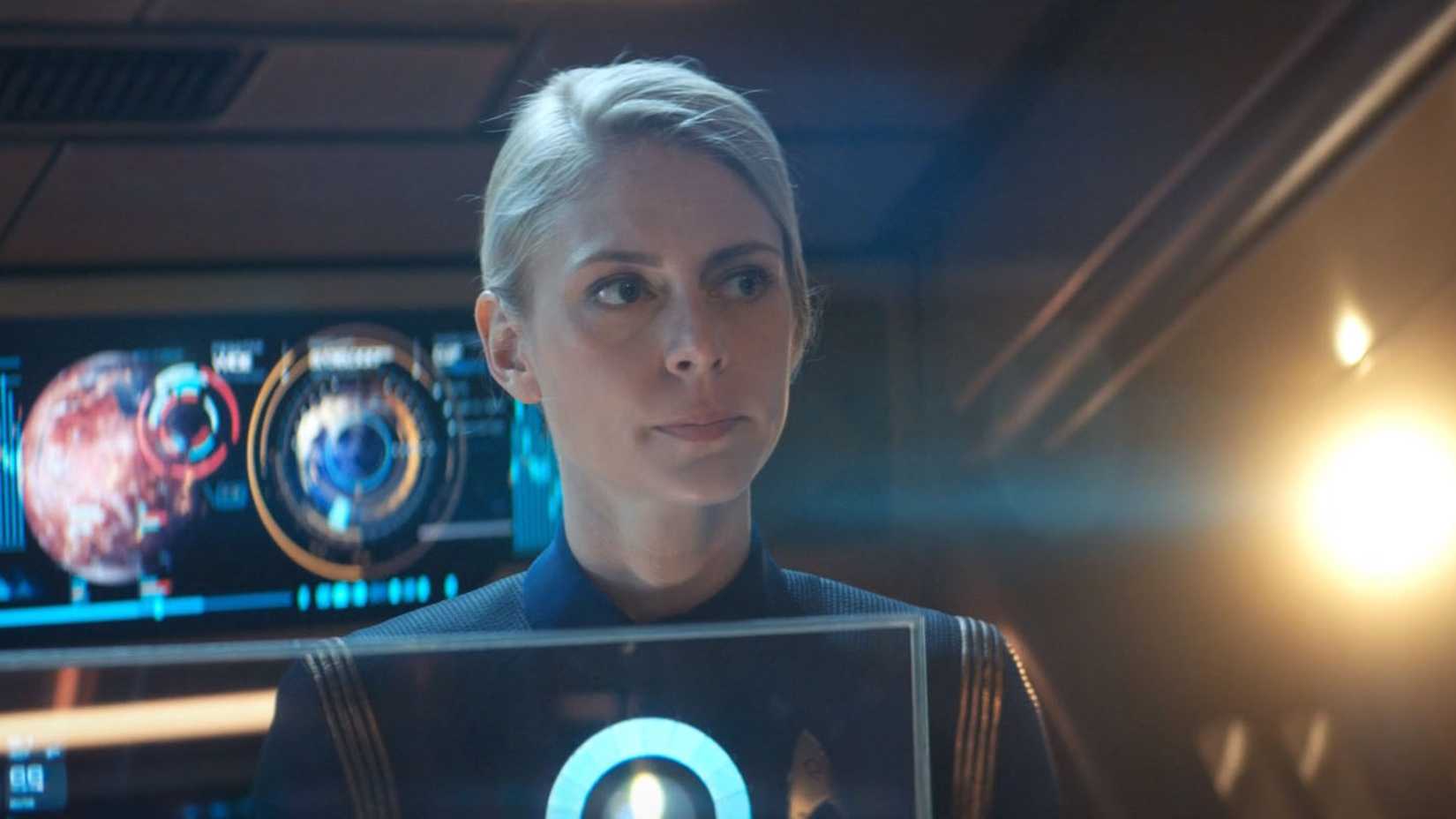
While a lot of criticisms of the modern Star Trek era boil down to objections to diverse casting and improved representation, there are valid, legitimate critiques of the show’s shifting tone and style that the franchise has a hard time confronting. Most pertinently, the Star Trek franchise’s reaction to the Second Golden Age of Television rubbed many longtime fans up the wrong way.
The success of modern classics like Mad Men, Game of Thrones, Breaking Bad, and even earlier shows like The Sopranos, Deadwood, and The Wire means that TV’s storytelling norms have shifted in recent decades. Straightforward heroes and villains have been largely supplanted by morally grey antiheroes and traumatized, complex anti-villains, while episodic storytelling has declined in popularity.
The rise of streaming and its attendant binge-watching model has seen many “Monster of the Week” franchises embrace serialized storytelling, for better or worse. Combine these influences, and it is unsurprising that 2017’s Star Trek: Discovery was a darker, more mature, and angsty reinvention of the franchise.
The problem with this approach, and a feature central to many critiques of Star Trek’s modern era, is that the original series was uniquely utopian in its outlook. While The Original Series and The Next Generation had their space battles and intense conflicts, the franchise's tone was still light-hearted, essentially optimistic, and overwhelmingly upbeat.
This wasn’t due to sheer corniness or the limitations of network TV. Rather, it was part of the show’s overarching vision, as the Star Trek franchise traditionally imagined a brighter version of humanity’s future wherein the Federation represented an ideal for Earth’s current-day inhabitants to strive toward.
The End Of Star Trek's Current Era Is In Sight

In line with the darker, edgier, and grittier writing that tended to earn acclaim on TV throughout the 2010s, Discovery brought a predictably murkier brand of morality to the franchise. Picard was even darker, and while Lower Decks was obviously more playful and fun, it was also an outright comedic cartoon sitcom that couldn’t recapture the serious side of earlier shows.
Thus, it was only in surprising side projects like Netflix’s Star Trek: Prodigy, a family-friendly series that focused on teen aliens, that the modern era recaptured the episodic storytelling style and optimistic tone of its predecessors. Strange New Worlds also managed this feat, particularly in its later seasons, but this was not enough to keep the modern era afloat.
With 16 episodes of Strange New Worlds still to release and another ten-episode season of Starfleet Academy on the way, the modern era is almost at its close. Every other Star Trek show has ended, and it has been almost a decade since the series released a new theatrical film in the form of director Justin Lin’s Star Trek Beyond.
While it is unfortunate that the modern era is coming to a close, the disastrous failure of 2025’s TV movie Star Trek: Section 31 proves that a period of dormancy may not be the worst fate for the franchise. For almost any other franchise, the prospect of a character piece starring Michelle Yeoh as a ruthless, morally grey antihero would be thrilling.
What Could The Next Era Of Star Trek Look Like?
 Image courtesy of Everett Collection
However, Star Trek: Section 31 only served to prove that Star Trek isn’t Star Wars or Marvel, so premises that would work well in those franchises flop in the context of Gene Roddenberry’s highly specific fictional milieu. Although Starfleet Academy felt closer to the franchise’s familiar tone and style, its critical success came too late.
With no official projects in the pipeline, it is tough to know how long it will be before viewers see another Star Trek movie or show. However, one thing is clear. The modern era’s attempts to lend more moral ambiguity to the franchise proved divisive since, for some viewers, they skewed closer to following Prestige TV trends than sincerely reformulating the show’s universe.
Related
The Complete Star Trek Timeline Explained
Star Trek's timeline spans a thousand years of Starfleet and the United Federation of Planets, with alternate realities and time travel galore.
As such, any new Star Trek era will first and foremost need to address the gaps between the optimistic tone of earlier shows and the grittier atmosphere of the modern era. Having done that, new Star Trek shows and movies can build on the lore that the shows at Starfleet Academy and Strange New Worlds left behind.
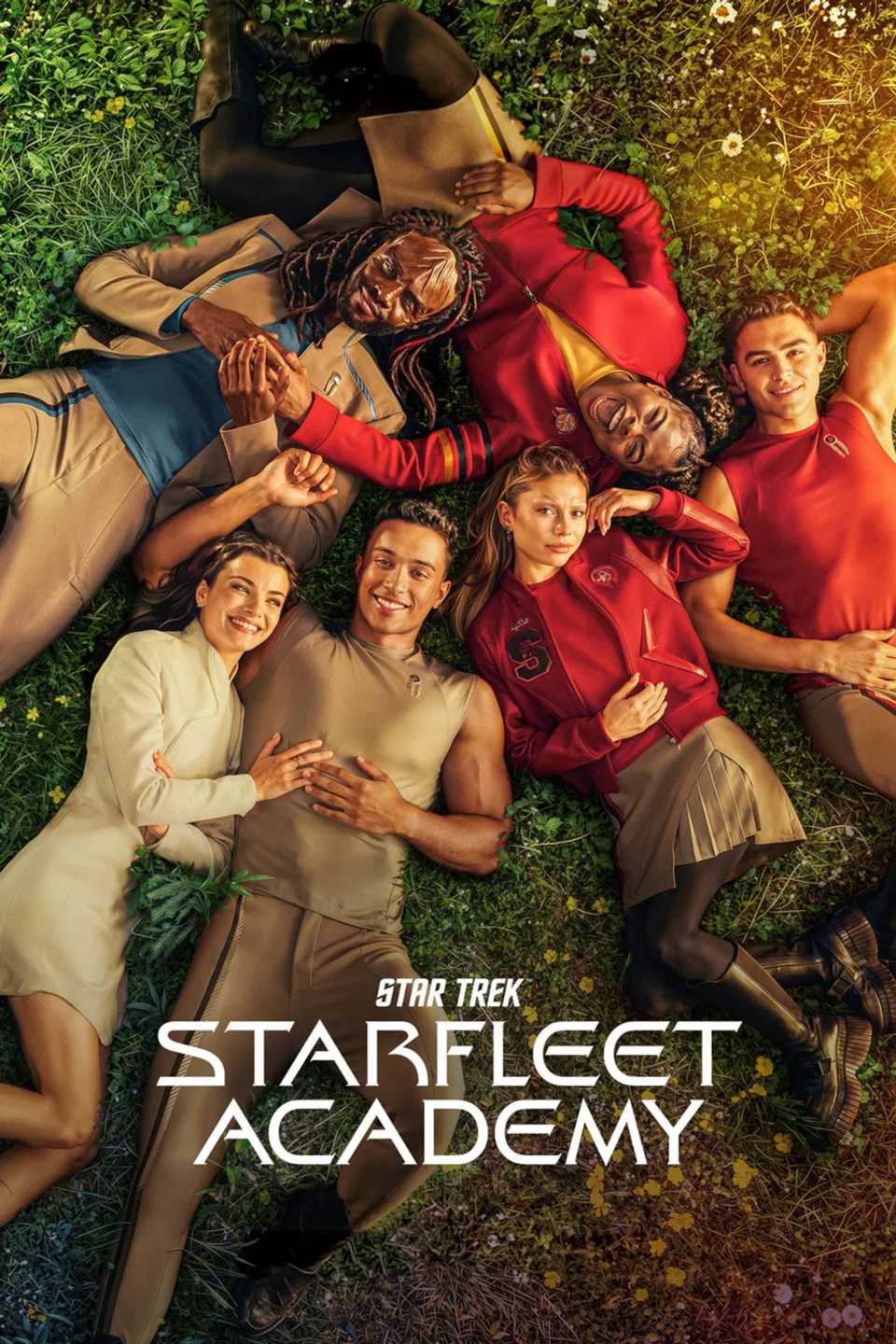
Release Date January 15, 2026
Network Paramount+
Showrunner Alex Kurtzman, Noga Landau
Directors Douglas Aarniokoski, Alex Kurtzman, Andi Armaganian, Larry Teng
Writers Gaia Violo, Alex Taub, Jane Maggs, Tawny Newsome, Kirsten Beyer, Kiley Rossetter, Eric Anthony Glover




 English (US) ·