
 4 weeks ago
34
4 weeks ago
34
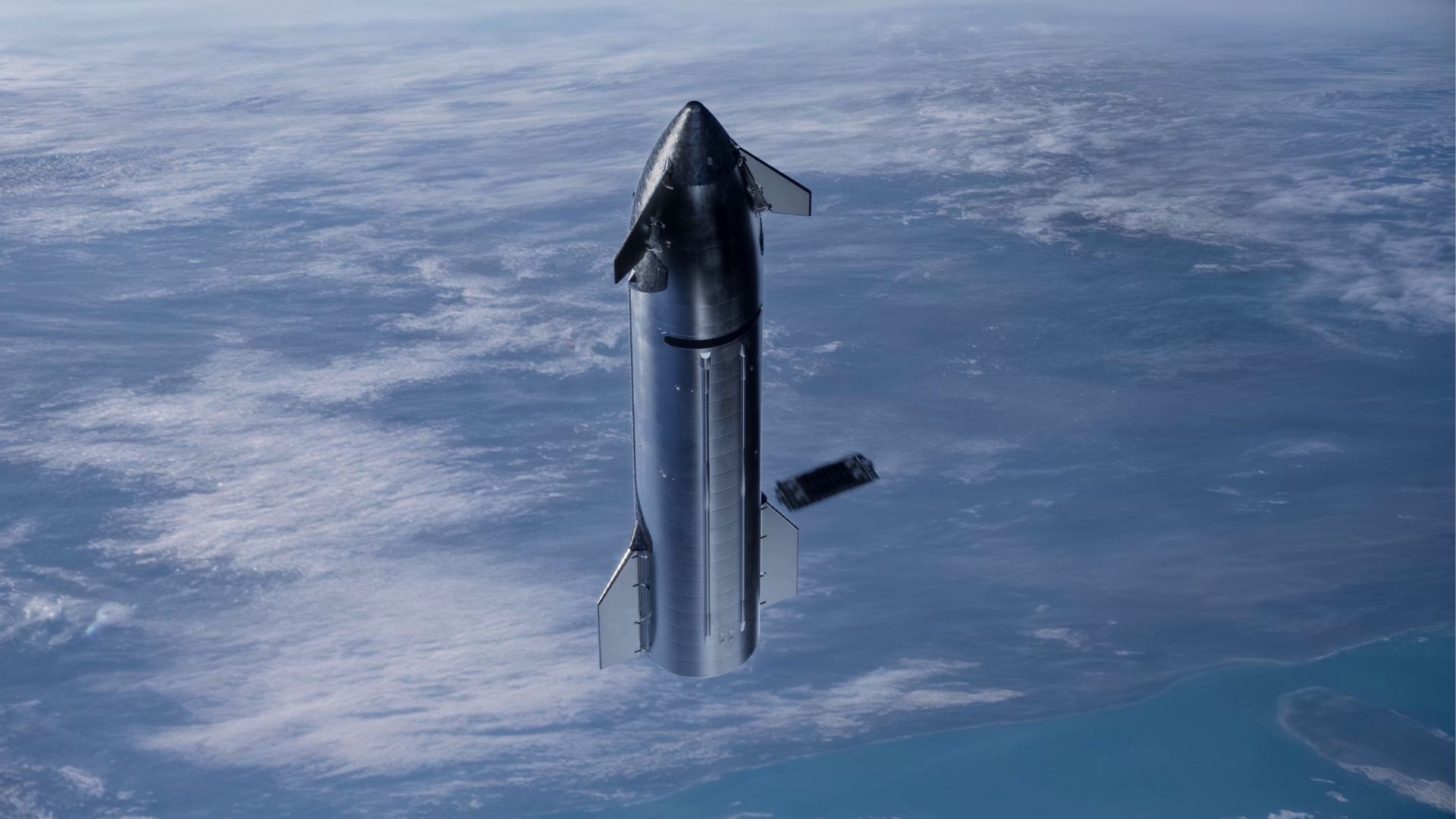
SpaceX has officially announced its acquisition of xAI, allowing the two companies to vertically integrate their operations and help Elon Musk achieve his dream of artificial intelligence in space. According to the company’s announcement, space is the only logical solution to scaling AI data centers, as we do not have enough resources on Earth to power these systems.
“Current advances in AI are dependent on large terrestrial data centers, which require immense amounts of power and cooling. Global electricity demand for AI simply cannot be met with terrestrial solutions, even in the near term, without imposing hardship on communities and the environment,” the company said in its statement. “In the long term, space-based AI is obviously the only way to scale. To harness even a millionth of our Sun’s energy would require over a million times more energy than our civilization currently uses!”
The company has already begun taking the first steps to achieving this dream with its latest FCC filing mentioning plans to launch a million satellites into orbit. These orbital data centers would directly harness the power of the sun without interference from the Earth’s atmosphere or rotation, allowing it to run more efficiently compared to terrestrial infrastructure.
This isn’t a small project, either. Musk says that “launching a million tons per year of satellites generating 100 kW of compute power per ton would add 100 gigawatts of AI compute capacity annually, with no ongoing operational or maintenance needs.” He even mentioned launching up to 1TW/year, which would make this orbital data center the most powerful one operated by an AI tech company.
Although launching satellites into space is quite an expensive and resource-intensive endeavor, Musk claims that the efficiency of these data centers would make them “the lowest cost way to generate AI compute.” This is made possible by SpaceX’s advancements with the reusable Starship rocket, which will also be launching the newer, much bigger V3 Starlink satellites this year. He also mentioned his plans of using the platform to build a manufacturing base on the moon and use it to launch up to 1,000TW/year into deep space and help humanity become a Kardashev Type II civilization.

Follow Tom's Hardware on Google News, or add us as a preferred source, to get our latest news, analysis, & reviews in your feeds.







 English (US) ·