Intel CEO embraces its 18A node for external customers as 18A-P gets 'inbound interest' — company cites increasing yields
4 weeks ago
44
(Image credit: Intel)
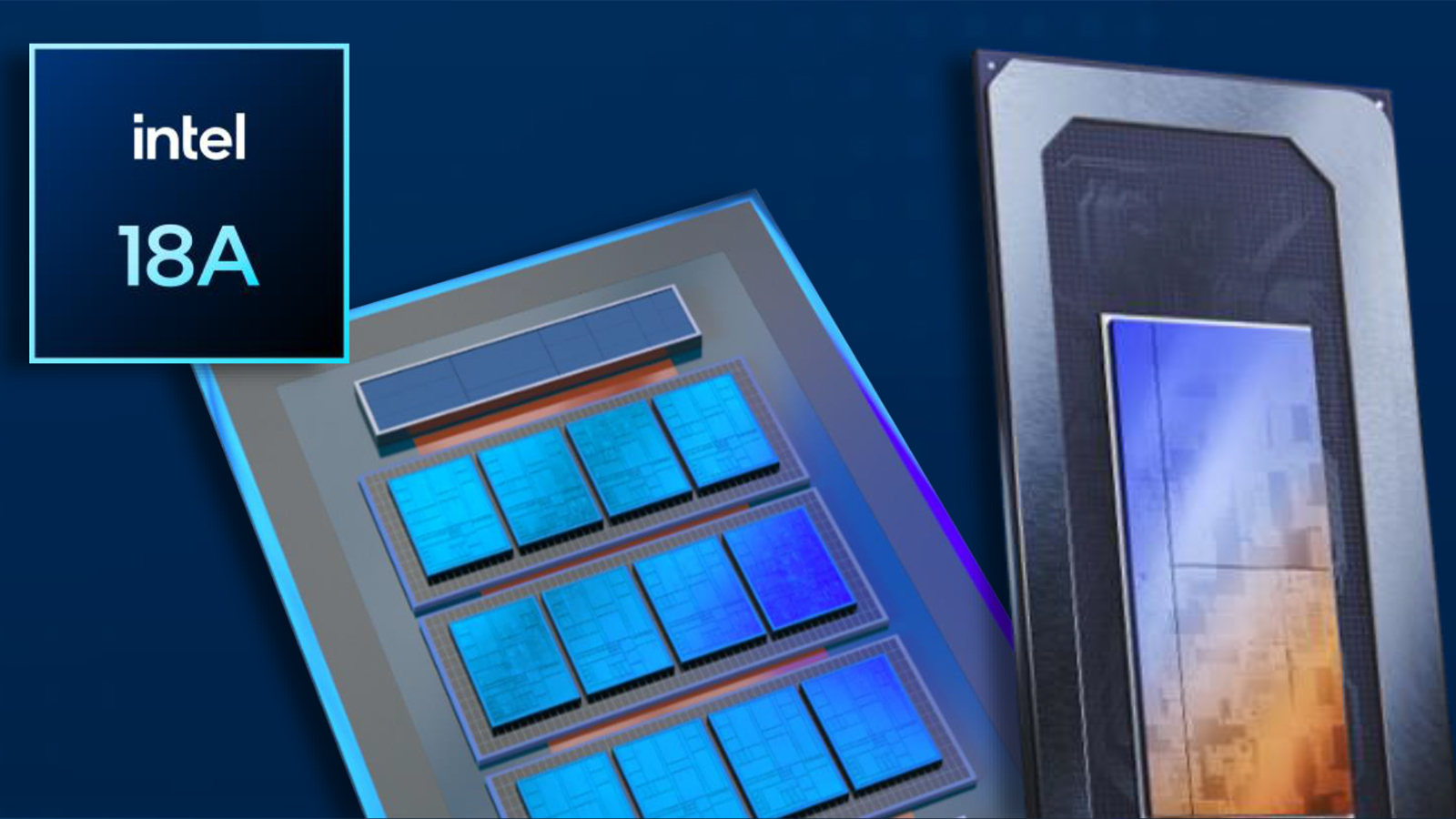
When Lip-Bu Tan came to Intel last year, he considered stopping the promotion of the company's 18A (1.8nm-class) fabrication technology among potential external customers and making it yet another internal-only node, as he did not believe the manufacturing process made a lot of sense for external clients. Less than a year later, he seems to have changed his mind about the prospects of the fabrication process to a large degree because some external customers expressed interest in 18A-P, a performance-enhanced version of 18A. Yet, Intel admits that 18A continues to suffer from process variability.
"While Lip-Bu was, I think, thinking that we probably should focus on 14A as a foundry node and make 18A really just an internal node, now that we have seen some real progress there, I think he is now starting to recognize that this is actually a good node to offer to external customers as well," said David Zinsner, chief financial officer of Intel, Morgan Stanley Technology, Media & Telecom Conference 2026. "We have been getting some kind of inbound interest in 18A-P as a foundry node. So, I think that is pretty positive."
When Lip-Bu Tan joined Intel in early 2025, both the functional and parametric yields of chips made using 18A were low and unpredictable. As a result, Tan reportedly considered shifting the company's foundry efforts to 14A (1.4nm-class) instead in a bid to focus on large clients who make strategic decisions about production nodes many years in advance and had opted to not use 18A at the time.
"There is a lot of volatility, […] some wafers are yielding a lot less and some are yielding a lot more," Zinsner said. "[Tan] is actually focused a lot on trying to minimize the volatility wafer to wafer, and we have made good improvement there. […] I think we would expect a pretty steady yield progression as we go through this year, probably a bit ahead of schedule."
If wafer-to-wafer parametric variation is high but improving, this is not something unusual, especially keeping in mind that Intel's 18A introduces gate-all-around RibbonFET transistors and backside power delivery, two previously unknown technologies. However, depending on how significant process variability is, parametric yield volatility creates capacity unpredictability, which makes supply planning hard. As a result, it is not surprising that Intel's CEO thought about ceasing the promotion of 18A as a foundry node, as the company did not have visibility on when it could offer it to external customers without creating supply constraints for itself.
Based on the recent rumors, a number of big fabless chip designers have evaluated Intel's 18A and 18A-P process technologies, though none have made any publicly-announced commitments to use the node. Nevertheless, it is possible that at least some of America's chip developers may outsource production of some of their non-core products to Intel in the coming years to increase production of their silicon in the U.S. to reduce their geopolitical risks associated with Taiwan and potential tariffs on chips made outside of America.
Get Tom's Hardware's best news and in-depth reviews, straight to your inbox.
Anton Shilov is a contributing writer at Tom’s Hardware. Over the past couple of decades, he has covered everything from CPUs and GPUs to supercomputers and from modern process technologies and latest fab tools to high-tech industry trends.

 4 weeks ago
44
4 weeks ago
44









 English (US) ·