
 5 hours ago
40
5 hours ago
40
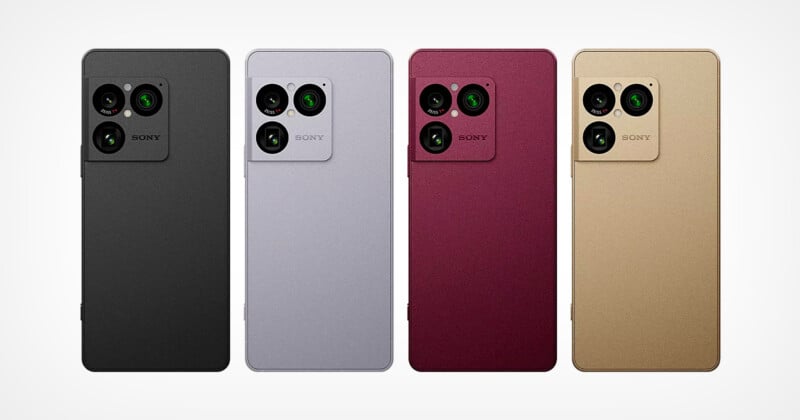
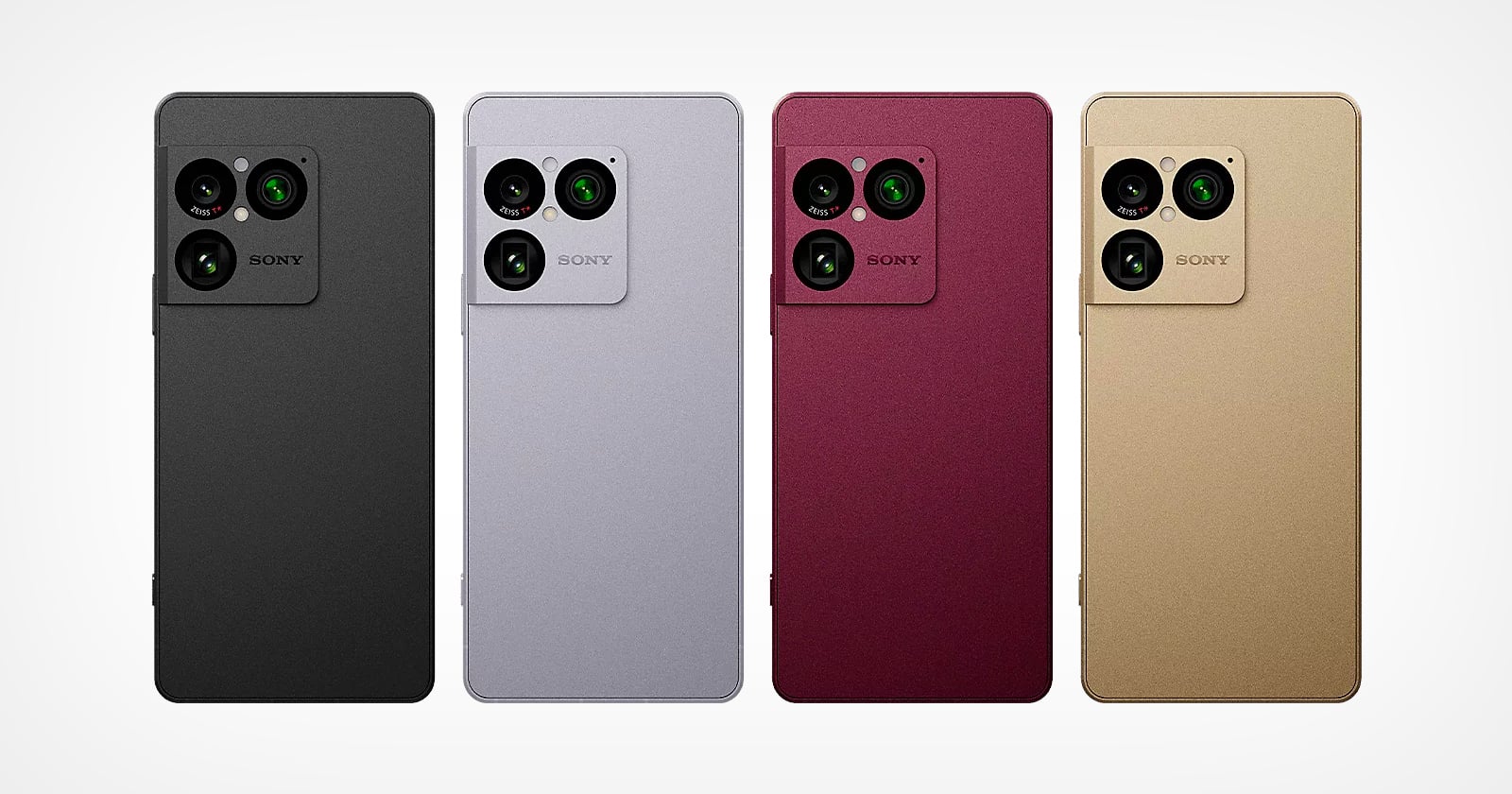
Sony has officially announced the new Sony Xperia 1 VIII, and while the company’s Xperia lineup has long catered to photographers with manual controls, shutter buttons, and Alpha-inspired features, this latest model may represent the biggest camera-focused shift in years.
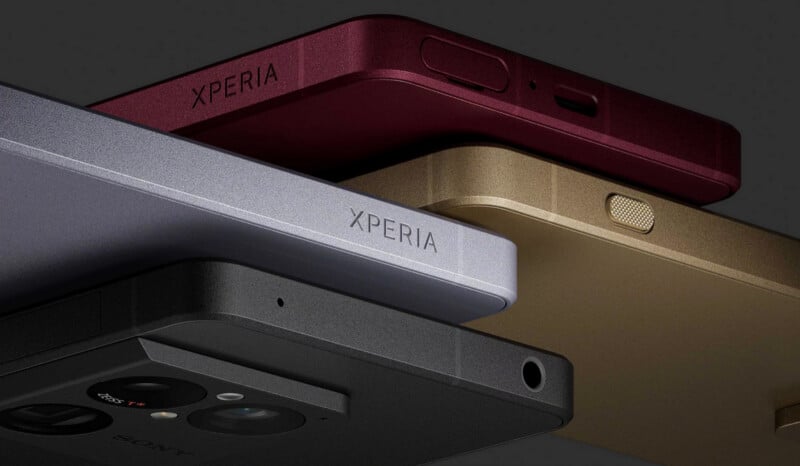
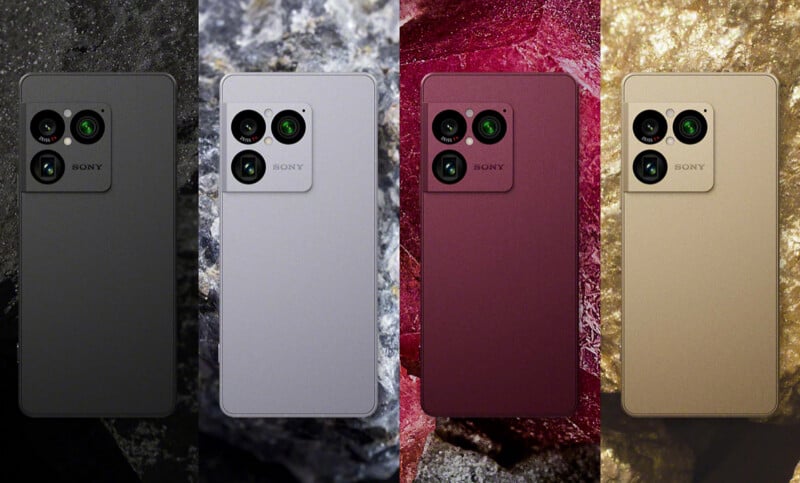
The Xperia 1 series has remained visually consistent since 2020, but the Xperia 1 VIII finally introduces a redesigned rear camera layout with a square camera island that replaces Sony’s long-running vertical camera strip. The new look feels more modern while still maintaining Sony’s understated industrial design language, complete with textured glass, knurled shutter button details, and practical touches like a microSD card slot and 3.5mm headphone jack.
For photographers, however, the biggest story is not the design refresh. It is the new telephoto camera.
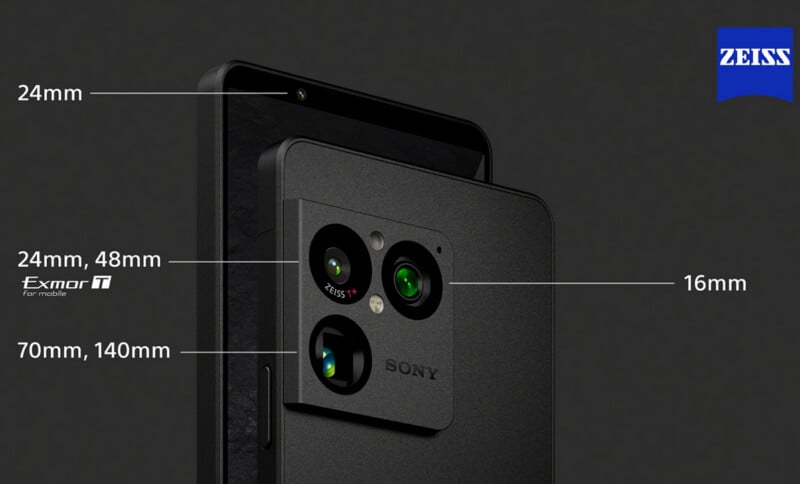
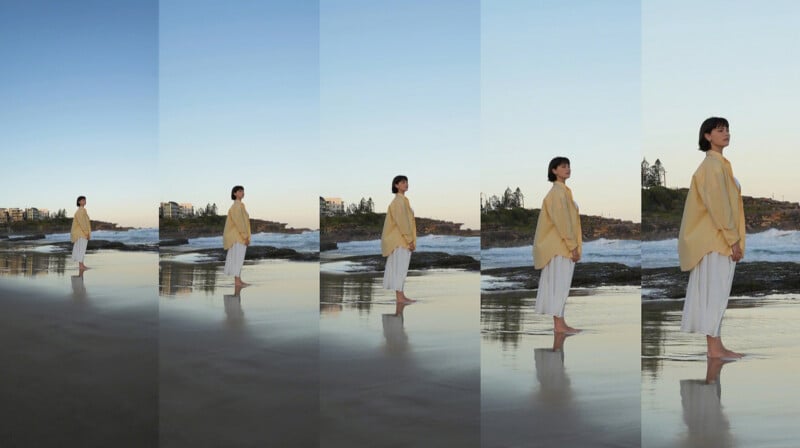 16, 24, 48, 70, and 140mm
A Much Larger Telephoto Sensor
Sony says the Xperia 1 VIII features a new 48-megapixel Type 1/1.56 Exmor RS telephoto sensor, which is nearly four times larger than the sensor used in the previous Xperia 1 VII. That is a substantial jump for a smartphone telephoto camera and puts Sony much closer to the larger-sensor approach seen in recent premium camera-centric phones from Chinese manufacturers.
The telephoto system offers 70mm and 140mm equivalent focal lengths with macro capabilities and autofocus support. Sony says the redesigned module was necessary to fit the larger sensor while still keeping the phone relatively slim.
For photographers accustomed to dedicated cameras, the focal length choices are notable. The 70mm perspective is a classic portrait length, while the 140mm reach pushes further into wildlife, detail, and compressed landscape territory than most flagship smartphones typically attempt.
Sony claims the larger sensor significantly improves low-light performance, noise reduction, and dynamic range, especially when paired with its new RAW multi-frame processing pipeline.
AI Camera Assistant Focuses on Composition and Style
The Xperia 1 VIII also introduces a new AI Camera Assistant powered by what Sony calls “Xperia Intelligence.”
Unlike many AI camera systems that focus heavily on generative edits after capture, Sony’s approach appears to be centered on helping photographers before the image is taken. The assistant can recommend framing adjustments, lens choices, bokeh settings, exposure tweaks, and color looks based on the scene, subject, and even weather conditions.
Sony says photographers can further refine the suggested looks with manual adjustments to exposure, saturation, contrast, and white balance. The feature can also be disabled entirely for users who prefer a more traditional shooting experience.
For photographers who already use Sony Alpha cameras, the overall philosophy will likely feel familiar. Sony continues to position the Xperia as a phone for creators who want more direct control rather than a purely point-and-shoot computational photography experience.
Alpha Camera Features Continue to Expand
Sony is continuing to lean heavily on its Alpha branding with the Xperia 1 VIII.
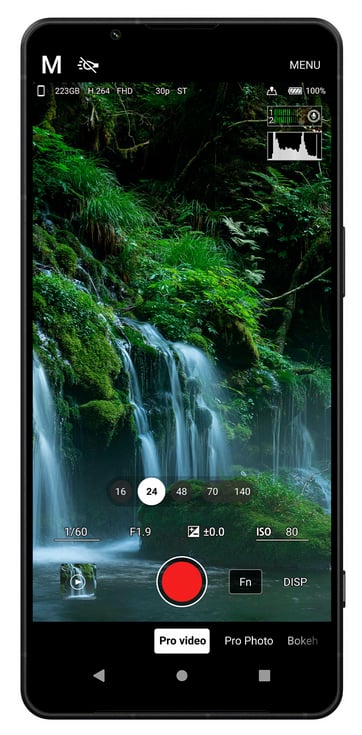
The phone includes Real-time Eye AF, Real-time Tracking, RAW capture, manual exposure controls, 30fps burst shooting with autofocus and autoexposure, and 4K 120p HDR video recording. Creative Look color presets and S-Cinetone for mobile also return, giving users access to Sony’s familiar cinematic color science directly from the phone.
Macro shooting has also been expanded. The phone can now automatically switch into ultra-wide macro mode when users move close to a subject, while the telephoto lens supports telemacro shooting at a minimum focusing distance of roughly 15 centimeters.
Sony’s dedicated two-stage shutter button also remains, allowing half-press autofocus lock much like a dedicated camera.
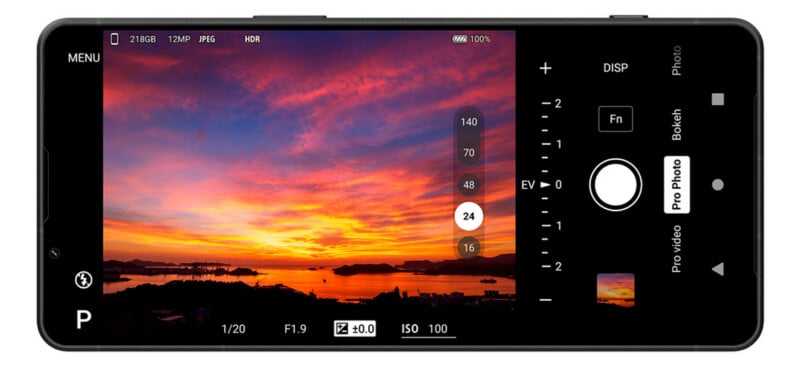
 RAW Multi-Frame Processing
Sony Keeps Features Many Other Flagships Have Dropped
Beyond the cameras, Sony continues to preserve several hardware features that have disappeared from most flagship smartphones.
The Xperia 1 VIII retains expandable storage via microSD, wired audio via a headphone jack, front-facing stereo speakers, and IP65/IP68 water- and dust-resistance. For hybrid creators who shoot both photo and video, especially while traveling, the microSD slot alone may remain a significant advantage.

The phone is powered by Qualcomm’s Snapdragon 8 Elite Gen 5 processor and includes up to 16GB of RAM and 1TB of storage, depending on the configuration.
However, Sony’s software support still trails behind competitors. The company promises four years of Android OS updates and six years of security patches, which is shorter than many rival flagship devices now offer.
For photographers, the Xperia 1 VIII looks like Sony doubling down on a niche but loyal audience: creators who want a smartphone that behaves more like a camera rather than a fully automated computational imaging device.
Pricing and Availability
Despite the camera improvements, Sony once again has no plans to release the Xperia 1 VIII in North America. The device will launch in Europe and Asia, with pricing starting at £1,399 / €1,499 for the 12GB RAM and 256GB storage version. Sony is also offering a higher-end 16GB RAM and 1TB storage model in an exclusive gold finish for £1,849 / €1,999.
Image credits: Sony





 English (US) ·