
 3 weeks ago
19
3 weeks ago
19
More and more, I find myself prioritizing convenience in a lens rather than ideal optical performance. Having a lens that is compact and versatile with a focal range that covers more of an ultra-wide field of view, means that I don’t have to bring a second lens with me.

I'm all for lenses that offer the 20mm as a starting point, and both Sony and Panasonic users have another great alternative on the market now.
Pros
- Compact and lightweight
- Gratefully fast f/2.8 aperture at the wide end
- Good sharpness and detail
- Excellent flare resistance
- Decent closeup performance
Cons
- Bokeh is harsh and lacks smoothness
- Middling sunstars
- Lacks any lens controls or switches
The Sony 20-70mm f/4 quickly became one of my favorite lenses for this very reason, and the Panasonic 20-60mm f/3.5-5.6 is a great bargain, but now there is another alternative, and it lets in the most light out of all of them. Sigma has just released a new 20-70mm f/2.8-4 for $849, and it might be the new E-mount or L-mount lens you’re looking for.
Sigma 20-60mm f/2.8-4 DG Contemporary: How It Feels
This is a wonderfully compact lens. It only weighs 13.2 ounces (375 grams), and the front diameter is a very manageable 67mm filter thread. It’s even slightly lighter than the aforementioned Sony 20-70mm f/4. There isn’t anything in the way of optical stabilization but this holds true for the competition as well. You will find some weather sealing and dust resistance on par with Sigma Contemporary lenses, and the lens does come with a basic hood in the box.
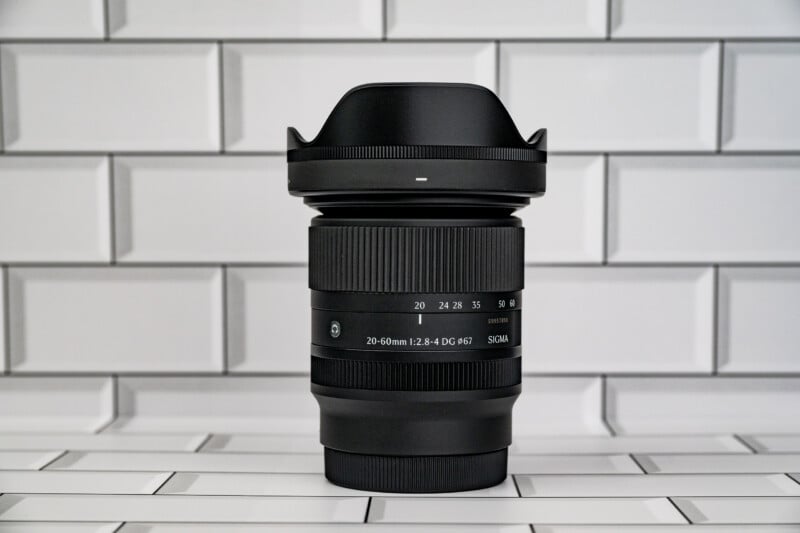 The Sigma 20-60mm is small and light.
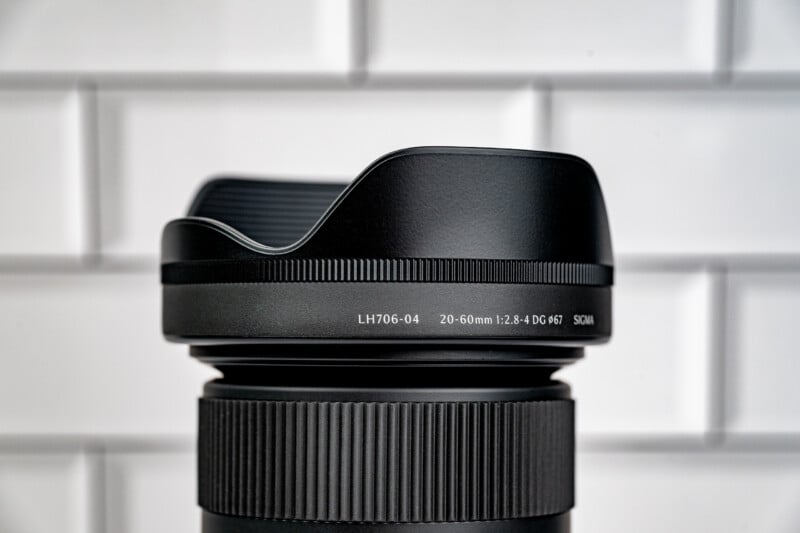 You get a standard hood in the box.
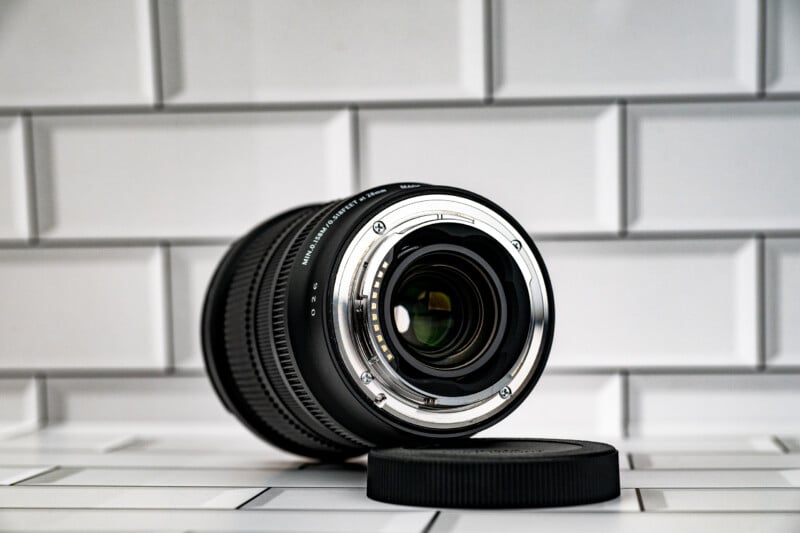 Sigma Contemporary series lenses still offer good protection from the elements.
However, all this compactness does also mean that the lens controls are very simplistic. There is a simple zoom ring and a manual focus ring as well, but sadly, there is no switch for AF/MF control. The manual focus ring also feels a little sloppy, but it works fine. Sigma did manage to fit a high-speed linear motor inside the lens, and it focuses very quickly.
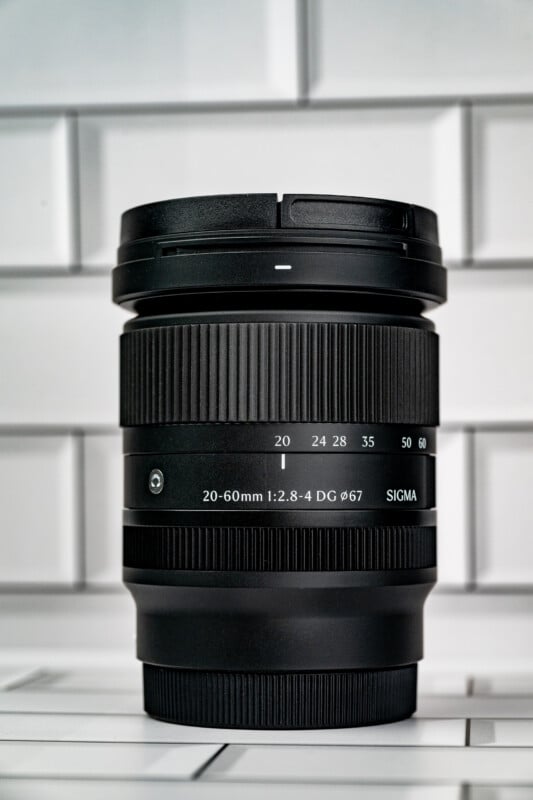 I like the size, but don’t expect to see any controls on the chassis.
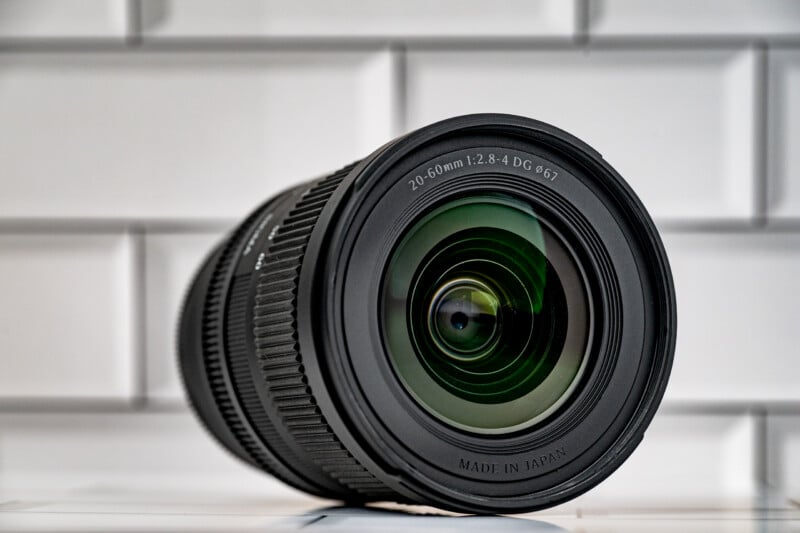 The front element takes 62mm filters, and the Sigma lens coatings are very pretty.
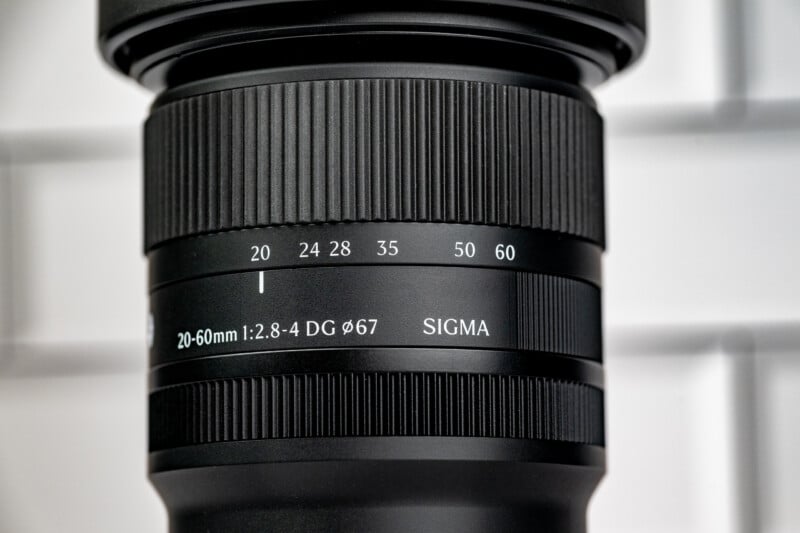 Sigma offers the versatility of 20mm lens coverage and manages more light as well.
Sigma 20-60mm f/2.8-4 DG Contemporary: How It Shoots
I tested flare at the 20mm end at the widest aperture where it should have the most issues. Sigma lens coatings continue to impress, however, and any flare is very well reduced. Stopping the aperture down will create some very minor purple ghosting across the diagonal of the frame, but it is a really good result. Sunstars are very average-looking, though, and won’t really be a selling point for this optic.
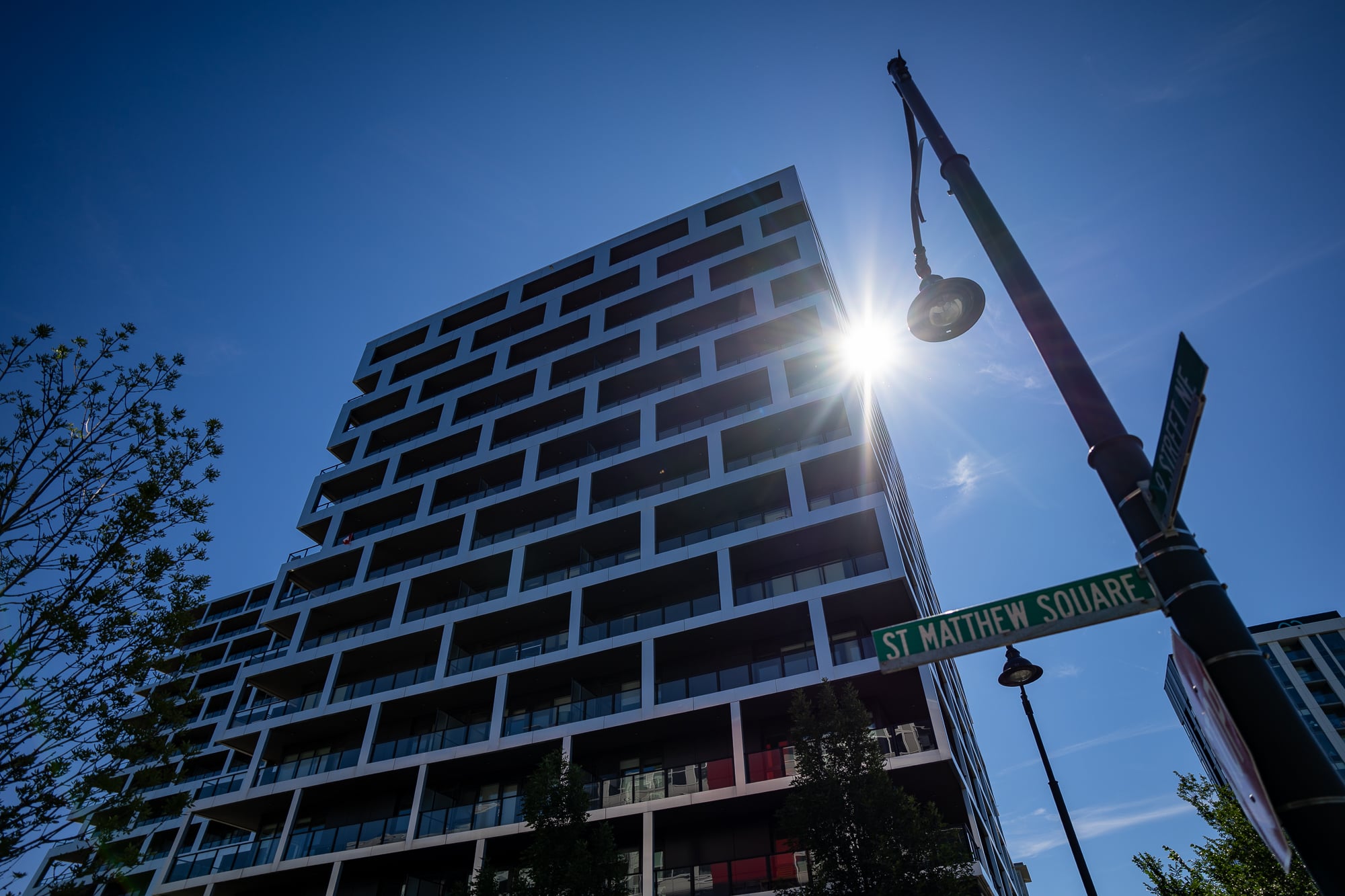 Flare resistance is excellent with just a little visible ghosting.
 Sunstars are nothing to write home about.

A versatile lens should include some ability to focus closely and get tight detail shots. The Sigma does its best macro work at about the 35mm mark, and it achieves a macro ratio of 1:2.3, which is pretty darn good. I was able to get some nice close-ups of bees and flowers, and I think this adds some utility to an already versatile lens.
 This lens has a respectable ability to shoot up close and personal.
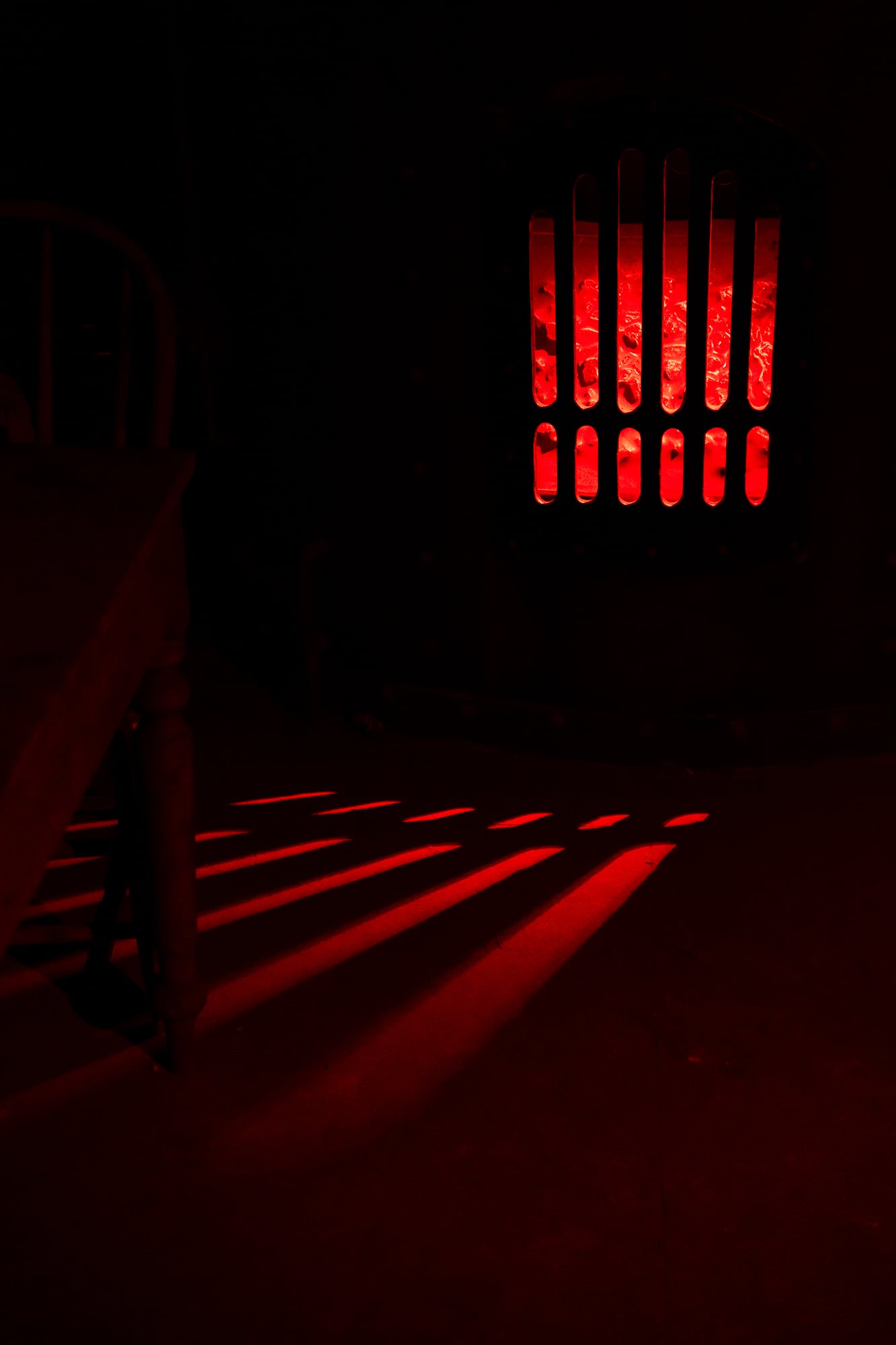

Not everything on this lens is ideal, though. Bokeh tends to be a little harsh-looking, with somewhat distracting background blur. Specular highlights have some onion-rings visible, and this leads to the overall look of the bokeh being fairly average — not great but not terrible either. There is also some very minor LoCA, or longitudinal chromatic aberration, but it only shows up at the 20mm end at f/2.8.
 Bokeh is pretty average and doesn’t stand out from the crowd.


Sharpness is very nice on this new Sigma lens, with decent contrast and detail at the 20mm end wide open. The contrast improves as the aperture tightens. The corners at 20mm do show some softness, but this also improves quickly with slightly tighter apertures. The 60mm end of the lens also impresses with great detail at f/4 in the center and more consistent corners overall. This is a sharp lens.
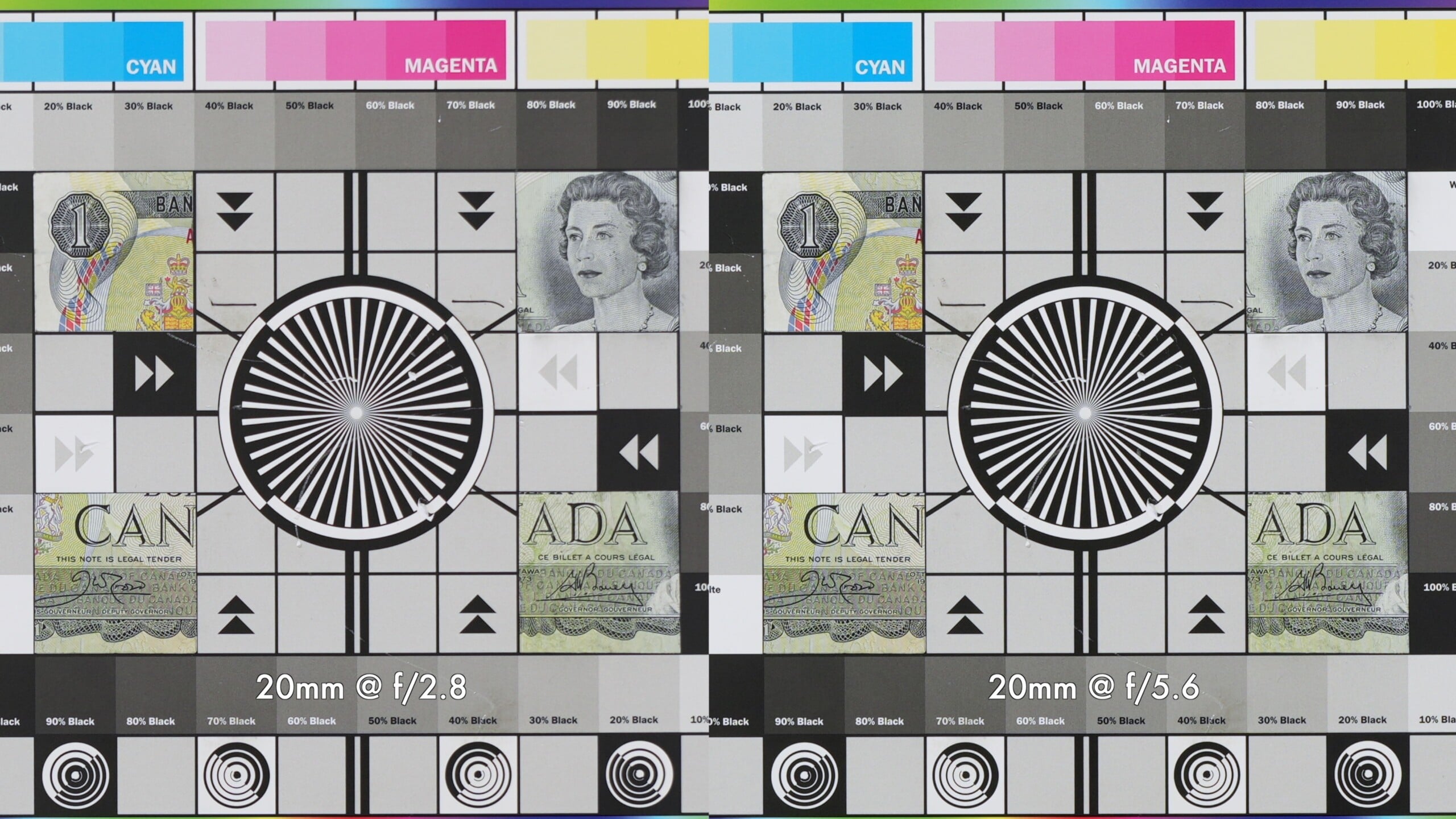 Sharpness is good at the 20mm range and contrast gets better quickly.
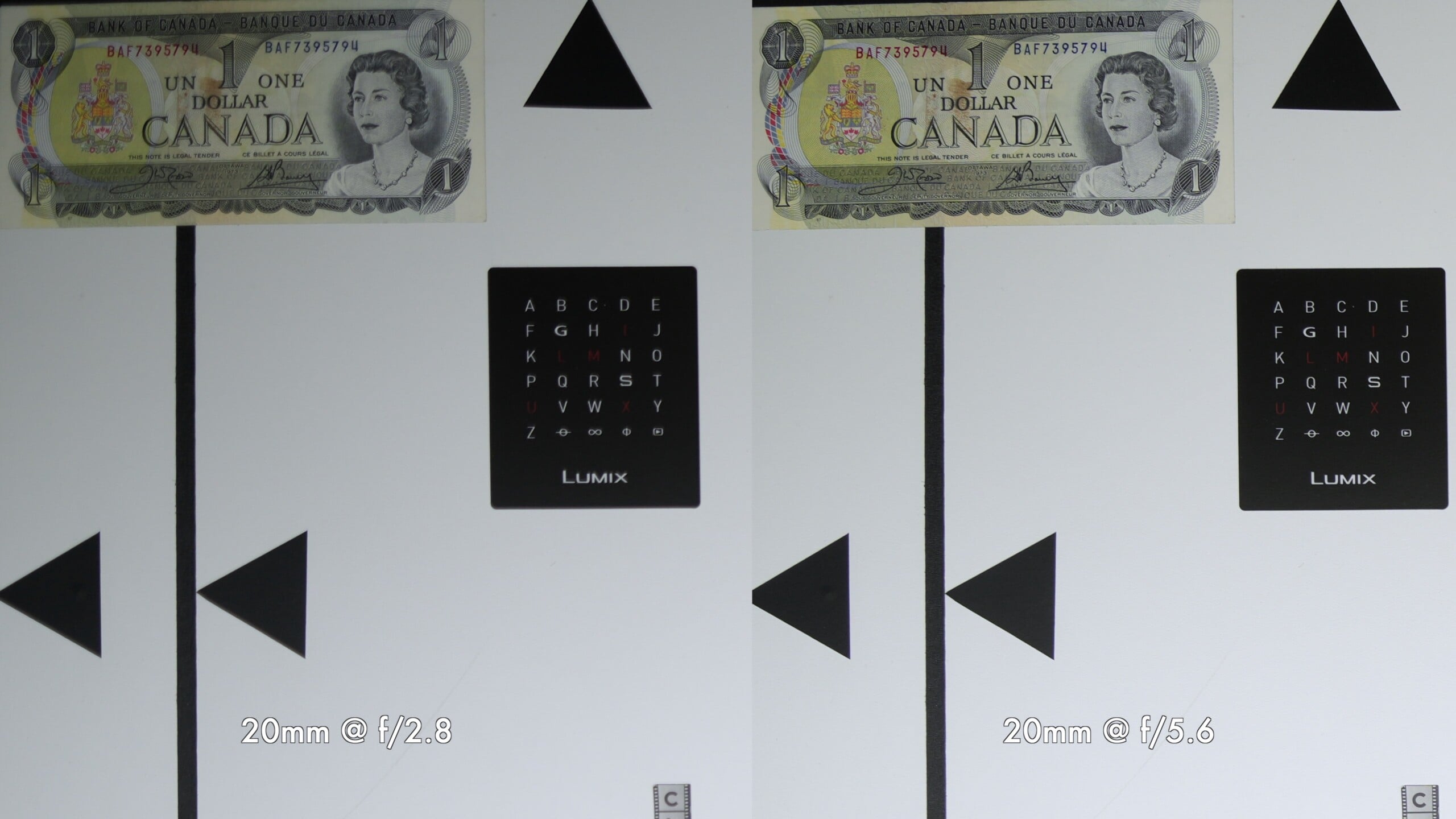 The corners at 20mm could be a little sharper.
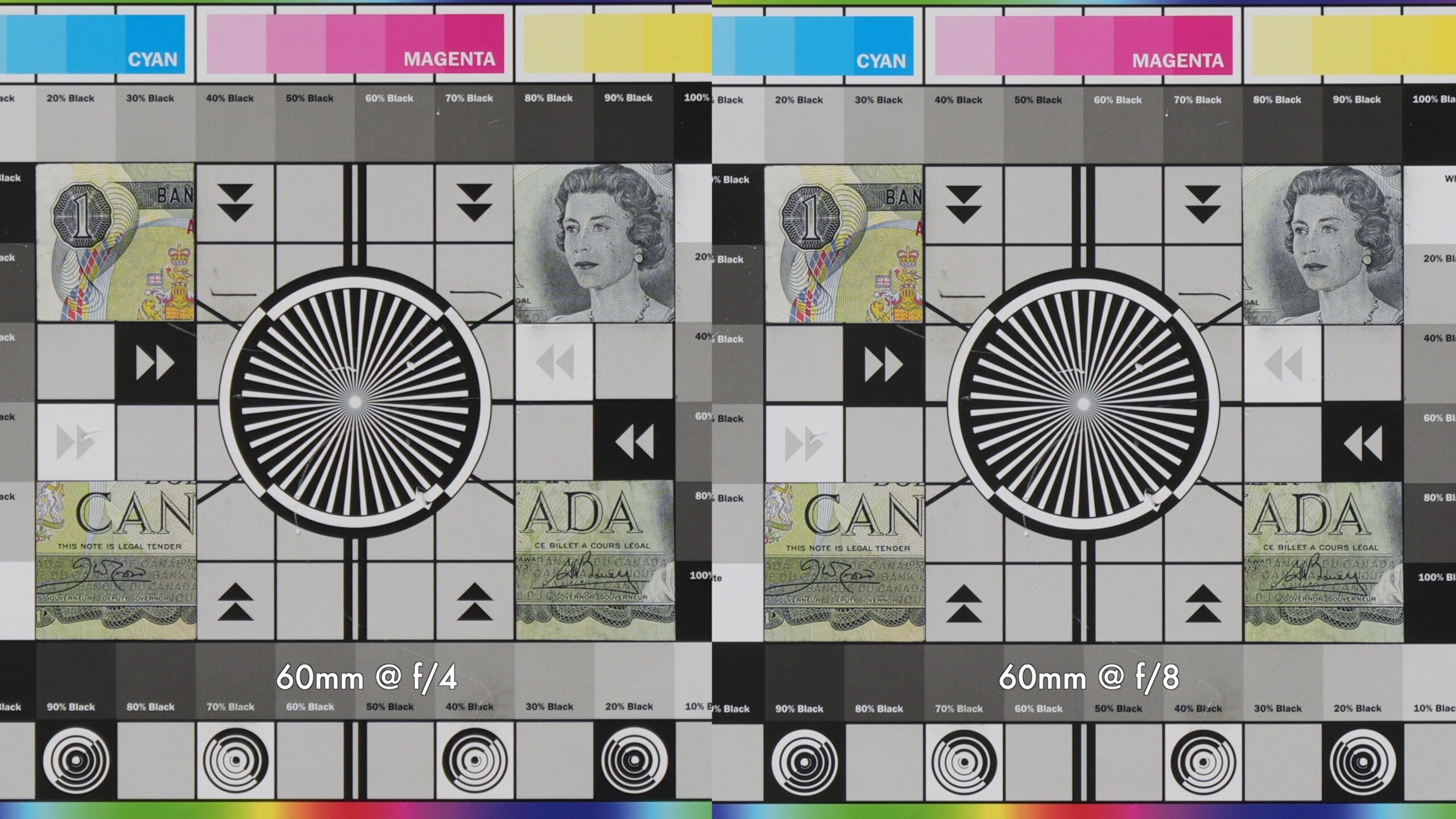 The 60mm side is very consistent.
 I played with this lens at the 2026 Sony Kando event.
Sigma 20-60mm f/2.8-4 DG Contemporary: Who Should Buy This?
From a video perspective, I can see this lens being very popular for gimbal usage and vlogging. The faster f/2.8 aperture is nice to have for gimbal shots in low light, and zooming this lens doesn’t shift the point of balance in a big way. However, there is a fair amount of lens breathing where the field of view changes as you focus. I still think burgeoning cinematographers will find this to be a useful video lens.
 You can take the Sigma 20-60mm anywhere easily.

Sony users will find this lens to compete very well against the Sony 20-70mm f/4. Now, I don’t mind the fixed f/4 aperture personally, but it is nice to have a slightly faster f/2.8 aperture at the wide end, and the Sigma is also more affordable at $849 versus the Sony at $1,200. You trade a little less range for a little more light, and both make respectable images.

Panasonic users have an interesting choice, too. The Sigma is a better lens in pretty much every way except price. It is significantly brighter than the Panasonic option, but the Panasonic lens is more affordable, especially when purchased as a bundle. Even so, it could still be worth the extra cost to get the Sigma for the extra light. Regardless, I’m all for lenses that offer the 20mm as a starting point, and both Sony and Panasonic users have another great alternative on the market now.
Are There Alternatives?
The aforementioned Sony 24-70mm f/4 and Panasonic 20-60mm f/3.5-5.6 now face stiff competition from Sigma. The Sigma lens manages to offer tangible improvements to the game as well, making it a very good option.
Should You Buy It?
Yes. You get more light at a very usable 20mm end and excellent optical performance without any added bulk or weight. This is a compelling lens on any mount for which it is available.
Affiliate Disclosure PetaPixel articles may include affiliate links; we may earn a commission if you buy through one.





 English (US) ·