
 1 day ago
2
1 day ago
2
The DualSense controller was one of Sony’s main selling points for the PS5. Beyond things like a striking new design and adaptive triggers, the controller’s haptic feedback offered genuinely cool new experiences for games. Rumble effects had been around for decades at that point, but the DualSense offered something very different: I’m still blown away by the sand crunching under Astro’s feet in Team Asobi’s Astro’s Playroom or the futuristic pulses from weapons in Housemarque’s Returnal.
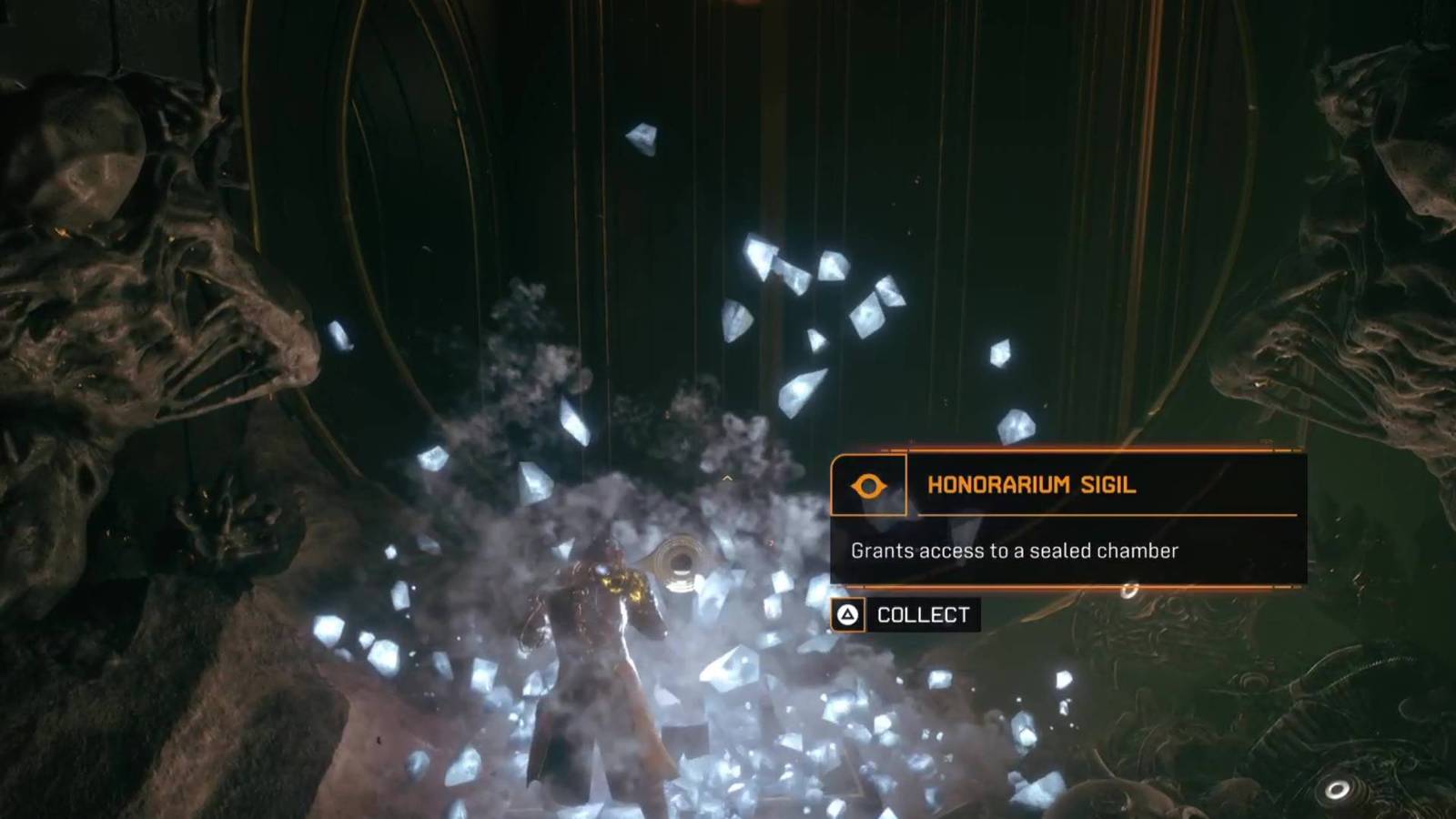
But there have been few titles since the PS5’s release that have captured that same magic and showed off what made the controller so distinct. This week, Housemarque launched its next title, Saros, and it’s arguably the first game in quite a while to make the DualSense feel important.

Image: Sony Interactive Entertainment
In most games, rumble and haptics feel like an added bonus. They might help emphasize an explosion or gunfire here and there, but if I turn rumble off in a game, I don’t usually miss it. But with Saros, the DualSense’s haptics are a critical part of playing the game.
Here are some examples of how the haptics work. When blasting enemies with a rifle, the pitch of the haptics ticks up as a warning that I’m running out of ammo. With a powerful handcannon that fires three bullets at a time, the DualSense peppers three short taps with each shot. When a charged crossbow shot is ready, the haptics make a fine point in my hands that lets me know I can fire away. When my shield is about to fade because I’ve had it up for too long, the controller rumbles in a way that matches the way the shield undulates onscreen.
Outside of combat, the DualSense’s haptics also make exploring the world feel more immersive. You’ll feel short pulses as protagonist Arjun runs through the world of Carcosa. When using the grappling beam to fling across chasms, the DualSense rattles as you get closer to the grapple point. The controller rumbles forebodingly when Arjun approaches the grotesque group of hands that sets off a world-changing eclipse.

Photo by Vjeran Pavic / The Verge
Even some of Arjun’s interactions with other characters utilize the controller. In one late-game area, while a character’s hum filled my ears, I was surprised to feel my DualSense’s haptics humming right along with them. And I loved having conversations with Primary, the corporate robot at Arjun’s base, because of how the DualSense rumbled in sync with the machine’s foreboding voice. These moments add significant new dimensions to the game.
The haptics don’t just feel cool; they actually improve the experience in specific ways. In the heat of a frenetic firefight where I’m trying to dodge waves of bullets and hordes of enemies, it’s often easier to rely on the DualSense’s tactile haptic indicators instead of trying to parse something on a very busy screen.
More than five years into the PS5’s life, only a handful of studios have really figured out what to do with the DualSense. What was once one of the console’s biggest selling points has become largely forgotten. Saros shows that there’s still plenty of untapped potential in the DualSense’s various features — let’s hope it kickstarts a renewed interest in the controller.
Follow topics and authors from this story to see more like this in your personalized homepage feed and to receive email updates.





 English (US) ·