
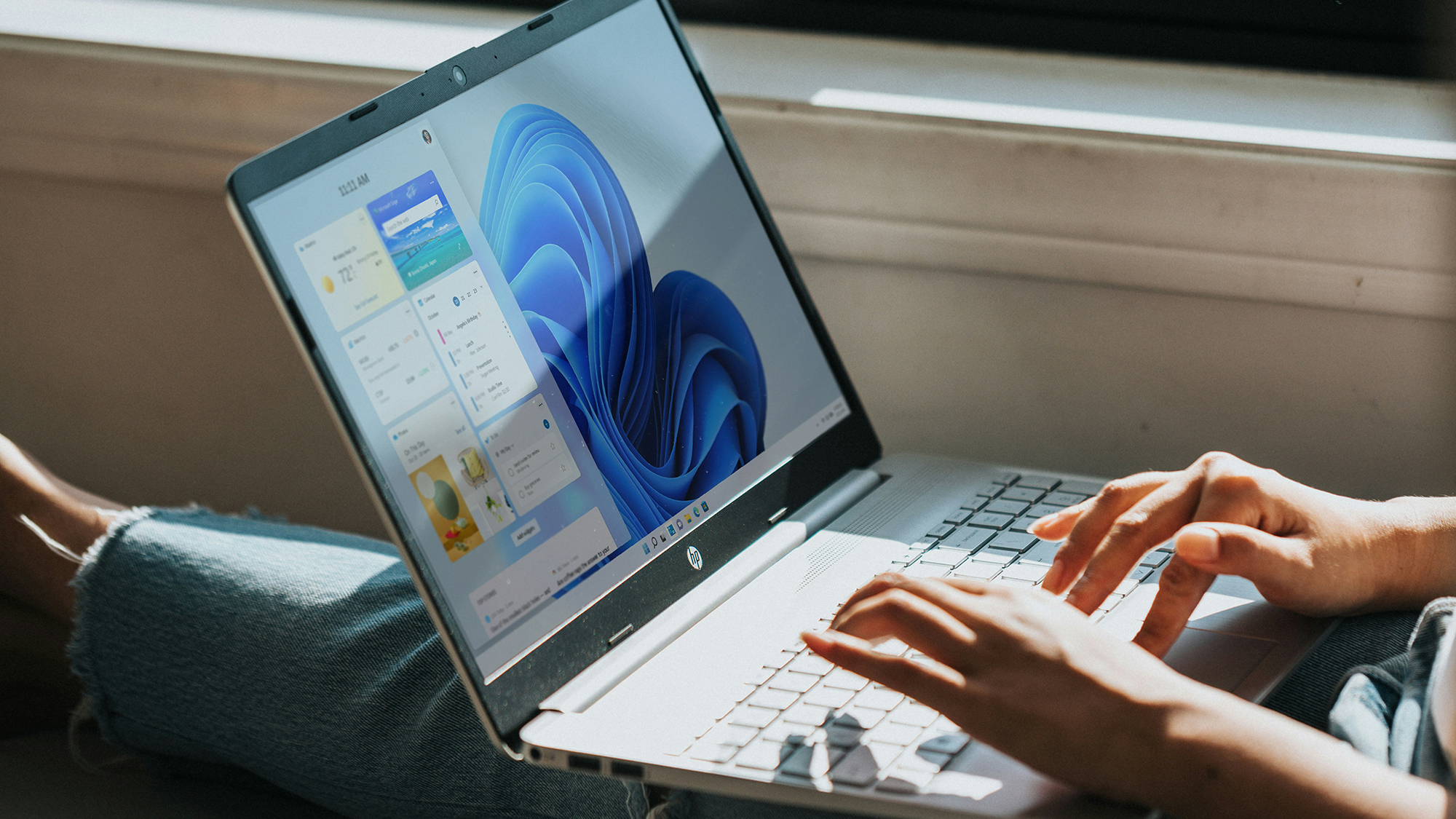
- Microsoft is actively working to improve Windows 11's performance, via project 'K2'
- Project K2 is an effort to reduce bloatware, use of AI, and optimize game performance
- Microsoft is reportedly looking at Valve's SteamOS as the benchmark for gaming
Valve's SteamOS continues to show significant advantages over Windows 11 for gamers, with better memory utilization and improved in-game performance, but Microsoft has a plan to combat that.
As reported by Windows Central, Microsoft is working on a new project labeled Windows 'K2', intent on removing bloatware, reducing AI, and optimizing Windows 11 for gaming, with three focuses of 'performance, craft, and reliability'.
Rather than a dedicated release (or update) for Windows 11, project K2 is Microsoft's effort to maintain high quality across current and future versions of the OS, prioritizing consistency, and ultimately win back the trust of users.
Article continues below
Windows Central explains that Microsoft has clarified that Windows 11's performance has effectively been lacklustre, particularly within applications like File Explorer and games. Valve's SteamOS is also reportedly viewed as the benchmark specifically for gaming, and that's no surprise considering the performance comparisons made over the last year.
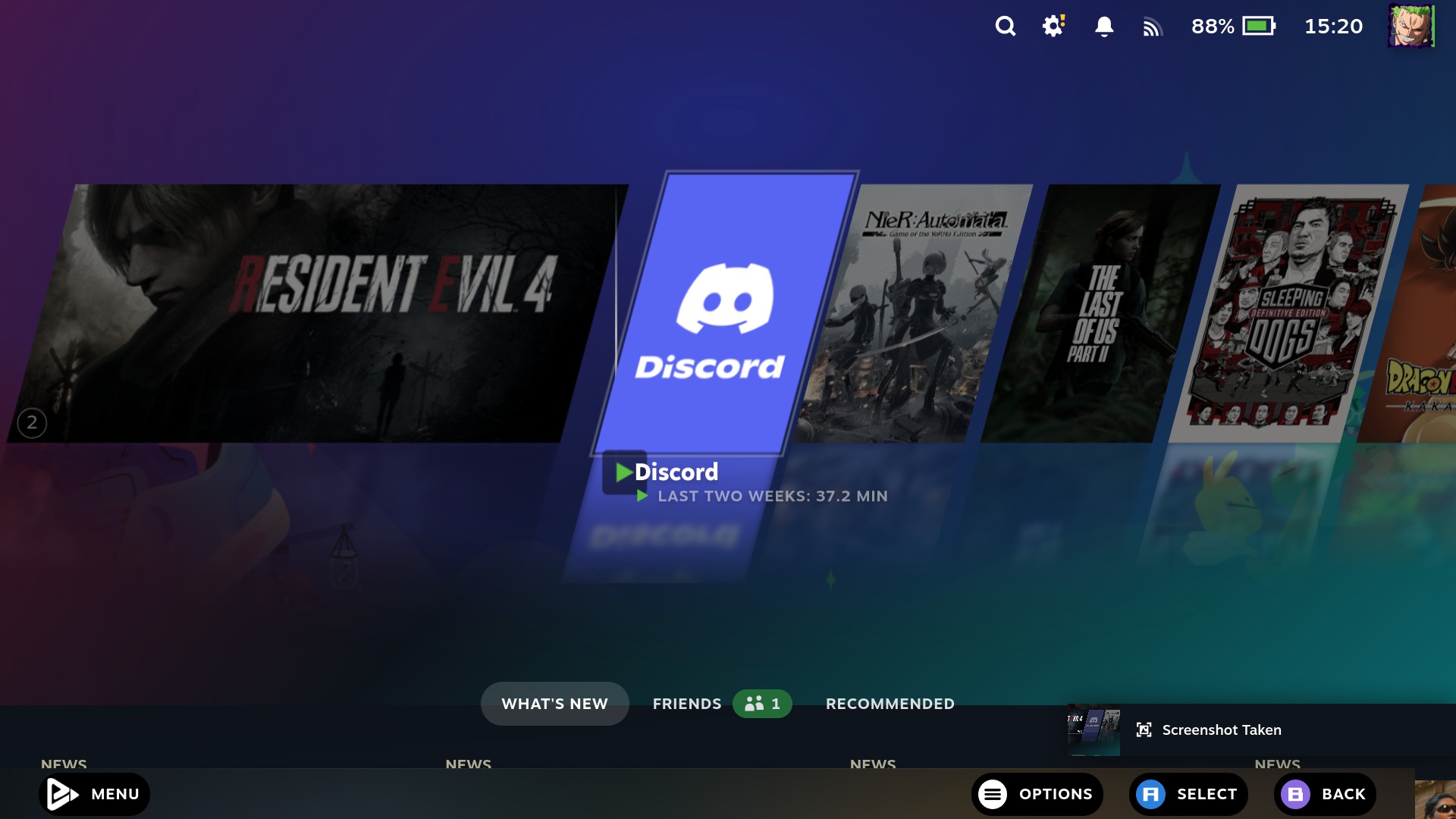
SteamOS has provided a seamless and simple experience for both handheld and now, desktop gamers, with a console-like user interface without any bloatware hogging memory or the use of AI. Microsoft has tried to match up to this with the Windows Full Screen Experience (FSE), which does reduce RAM consumption, allocating more for games, but Windows K2's existence makes it clear that FSE has not done enough to compete.
Fortunately, it's not just gaming that Microsoft wants to optimize, but also minimizing memory usage when systems are idle, which, in theory, should improve overall RAM consumption when multitasking or simply using a browser.
Users like myself have had to rely on third-party tools and applications to reduce bloat and ensure Windows 11 isn't using more memory than it needs — and my main hope is that Microsoft can eventually take Windows to a stage where I no longer feel compelled to install an entirely different operating system, out of frustration. I just don't know if it will achieve that, at least with Windows 11.

Follow TechRadar on Google News and add us as a preferred source to get our expert news, reviews, and opinion in your feeds.







 English (US) ·