
 3 weeks ago
23
3 weeks ago
23
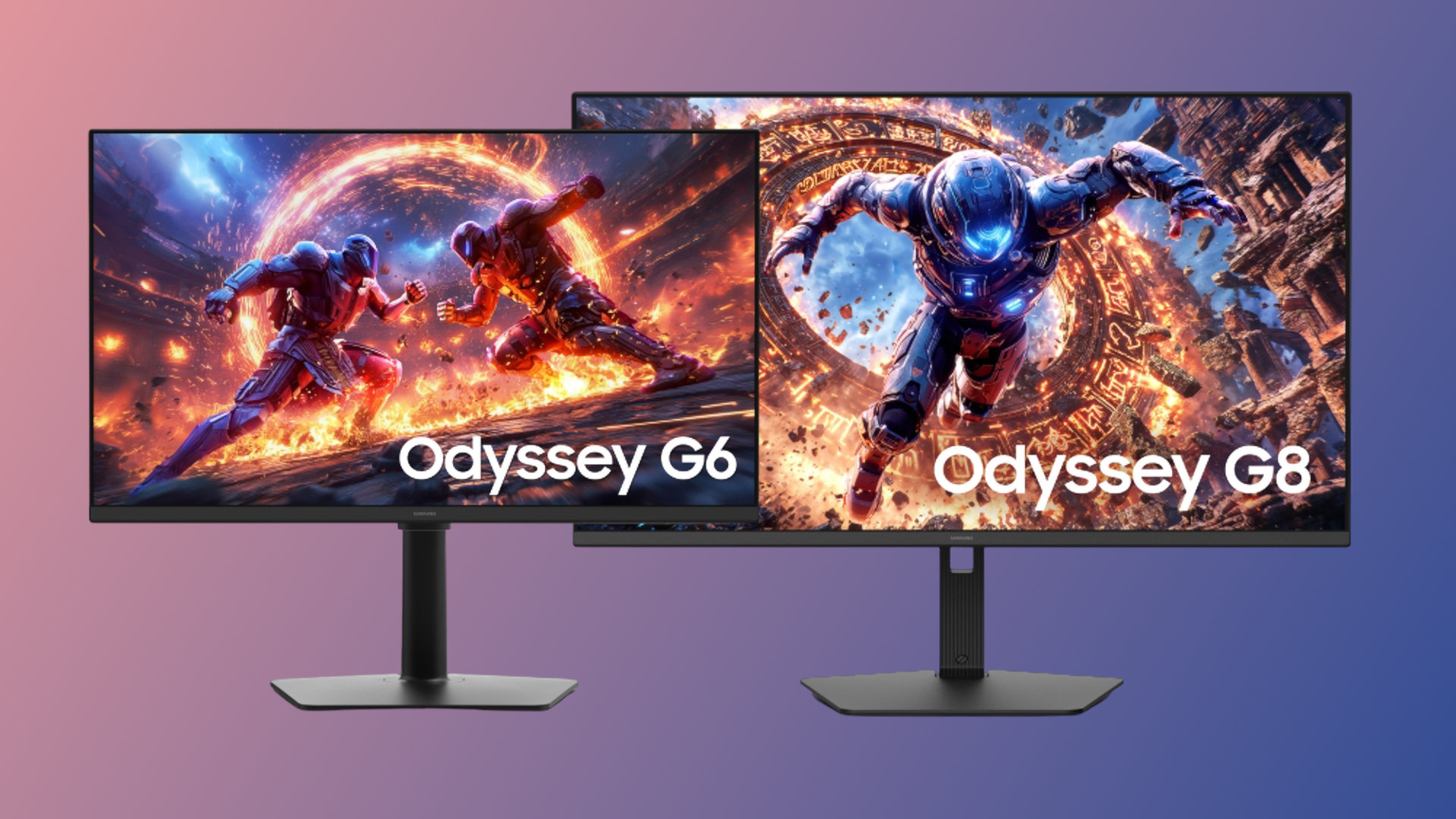
In the world of gaming monitors, it's quite hard to stand out in the crowd if you're trying to tempt gamers to part with their money. But if you're Samsung, then the solution seems to be 'go big'—not in size, but in terms of refresh rate and pixels, with one new model running at 1040 Hz and the other sporting a ludicrous 6K resolution.
The monitors in question are Samsung's Odyssey G6 G60H and Odyssey G8 G80HS. Simple names, not so simple specs.
Article continues below
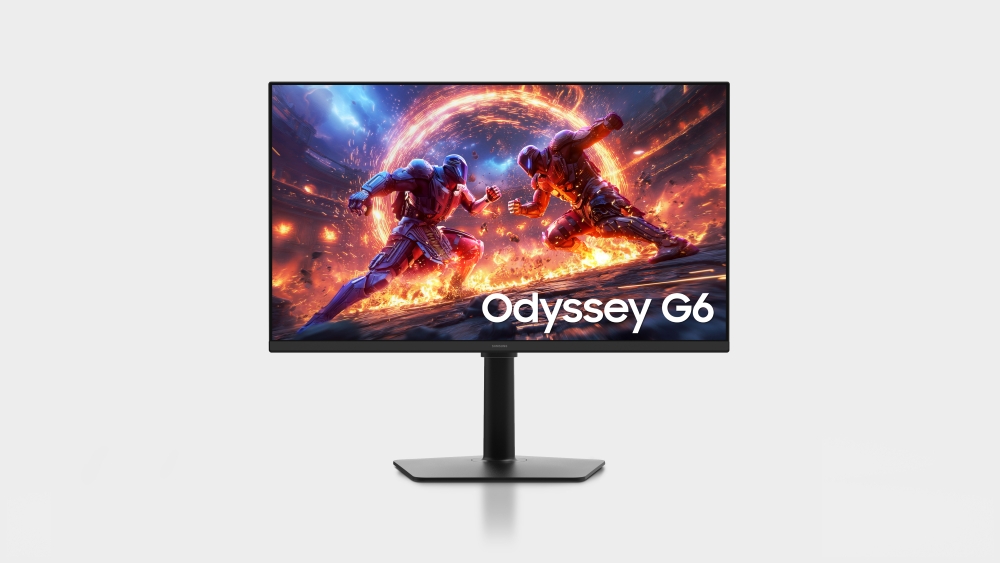
It's obvious that this monitor is aimed at the esports crowd, particularly those involved with competitive shooters, but even so, getting a game to run at 600 fps at 1440p is no easy feat. Fortunately, the G60H supports FreeSync Premium Pro, as well as being G-Sync compatible, so even if your GPU can't hit that speed, the monitor should still be able to run at 600 or 1,040 Hz.
Whether or not anyone can really tell the difference between 600 and 1,040 screen refresh per second is another matter entirely, but if it matters to you, then I guess this is a must-buy monitor. Or maybe not, because at this point in time, the G60H's price tag is still an unknown. I'm guessing somewhere between 'oooh, that's pricey' and a noise that suggests you've swallowed your food down the wrong hole.
Should your panel preference be pixels, rather than outrageous speed, then Samsung's got you covered with the new G8 G80HS. It also sports an IPS panel, and it's pretty big at 32 inches, but the resolution is something else: 6,144 x 3,456 (or 6K). That's 156% more pixels than 4K, which is just mind-boggling.
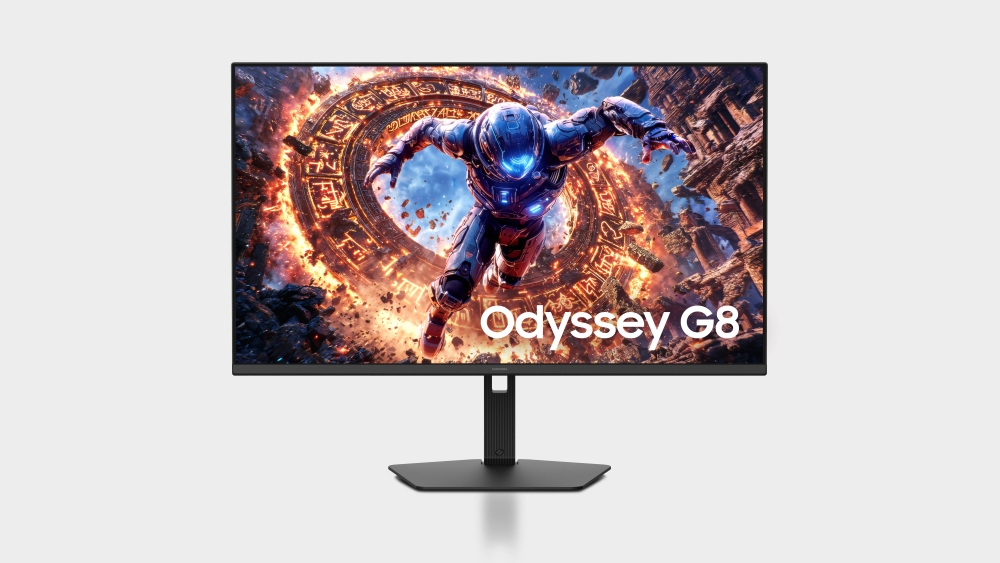
The fact that the monitor has a 165 Hz refresh rate is just as remarkable, but if all these numbers just seem impossibly high for your graphics card, then don't worry, because it has a 330 Hz 3K dual mode. There's no official monitor format for 3K, but I'm guessing that this is probably going to be a resolution of 3072 x 1728, though it could be 2880 x 1620.
Either way, that's hardly the kind of 'easy' resolution you see with most 4K dual mode monitors, which flip from 3840 x 2160 down to 1920 x 1080. If one assumes that the G80HS's dual mode is 1728p, then you're looking at 44% more pixels than 1440p, or 36% fewer pixels than 4K.
So, regardless of whatever mode you use, you're going to need a seriously beefy GPU to run that monitor, and probably a whole heap of upscaling to boot. Oh, and a wallet of infinite holding, I bet.
Static images of a monitor don't really tell you anything about how they actually look in real life, but if you happen to be attending this year's GDC event in San Francisco, you might be able to blag your way in for a peek.





 English (US) ·