
 3 hours ago
5
3 hours ago
5
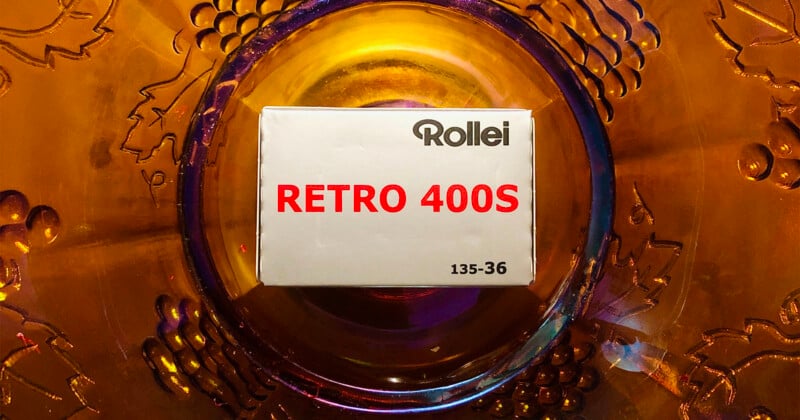
Welcome to another Film Friday review, where we like to dig into a particular film emulsion, lay out a bit of its history, share our personal experiences with it and provide some inspiration for why you should try it out. This episode features Rollei Retro 400S, the high speed member of the Rollei Retro family that also includes 80S and Superpan 200.
At its most basic, Rollei Retro 400S is a black and white negative film that would be described as “superpanchromatic.” This is a term generally applied to black and white films that have sensitivity beyond the normal visible spectrum. In the case of Rollei Retro 400S, it has a modest amount of sensitivity to the near-infrared spectrum, in addition to its normal panchromatic sensitivities. We will get into that further below.
The origins of Retro 400S are pretty murky. First off, the film is not made by Rollei. It is distributed primarily by Maco Direct in Germany, who have licensed the Rollei brand name for this product. But Maco itself does not make this film either. Rollei Retro 400S is almost certainly produced by Agfa Gavaert in Belgium and based on one of their aerial surveillance films: Aviphot 400S.
Whether Retro 400S is the exact same as Aviphot 400S or merely borrowing from its technology is a subject of internet forum debates and something we don’t have a definitive answer to. If we had to guess, we would say that Retro 400S is made to order for Maco Direct using processes and formulas also used to make Aviphot 400S. We are not certain exactly how alike this makes the two films. Speaking of internet debates, there is also some debate as to whether Retro 400S is the same as JCH Street Pan or Rollei Infrared or even Rollei Superpan 200. Again, we don’t have exact answers and our best guess answer is much the same as above. Each of these films is likely made to order and likely with subtle differences. We don’t feel like they are all the same film in different boxes, but they are very, very similar films in various ways.
While we could probably write a short novel on the vagaries of film manufacturing in Europe (and around the world for that matter) we have more pertinent things to discuss in regard to this film.
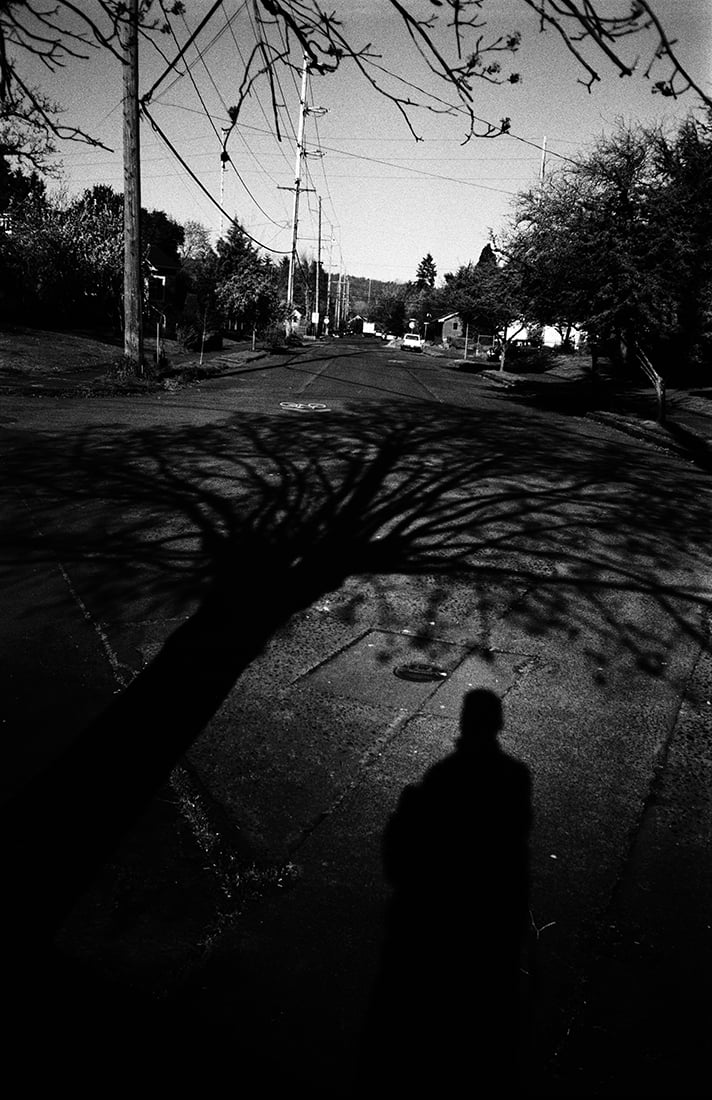 Captured with an Olympus Stylus Epic
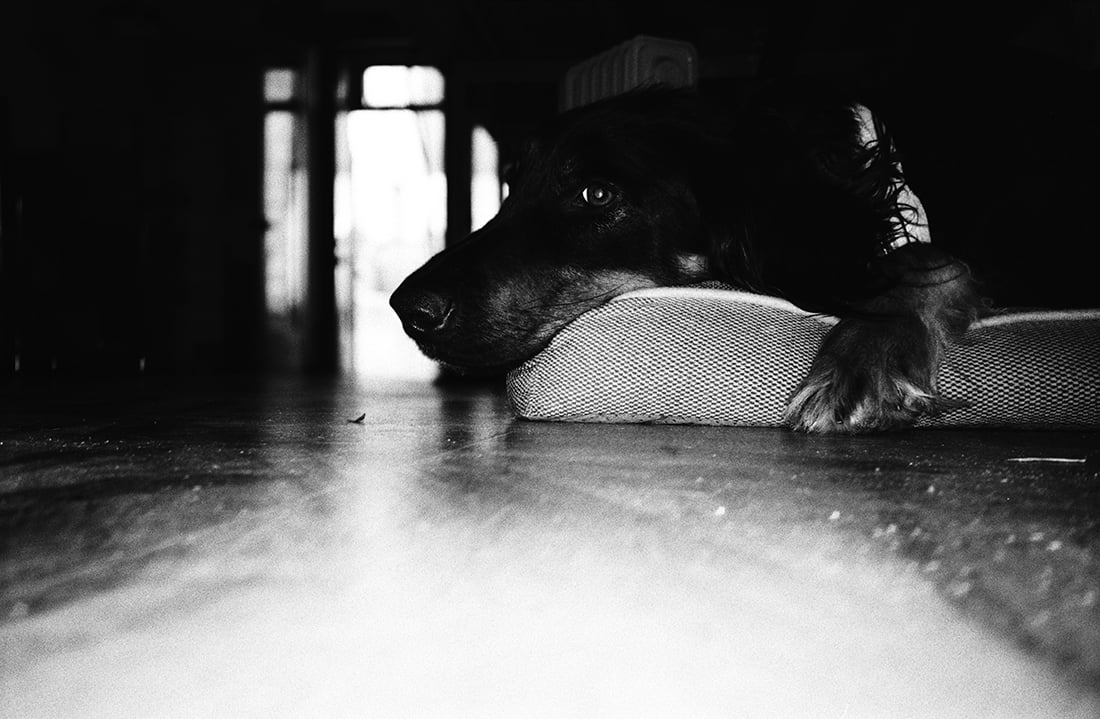 Captured with an Olympus Stylus Epic
In addition to being a super-panchromatic, black and white film, Retro 400S is also characterized by its high contrast, relatively fine grain, and good resolution. All this combines to make the film sharp and dramatic. This is not a soft-spoken film, this is a film for making loud, brash, dramatic statements. If you like crunchy shadows or blinding highlights, if you like contrast, if you love harsh photos of harsh light, then this is your film. Naturally, contrast and grain can be controlled by developing and can easily be dialed up or dialed down to fit a photographer’s individual desires, but if you follow the generally-used instructions for Retro 400S, then drama and contrast is what you will get.
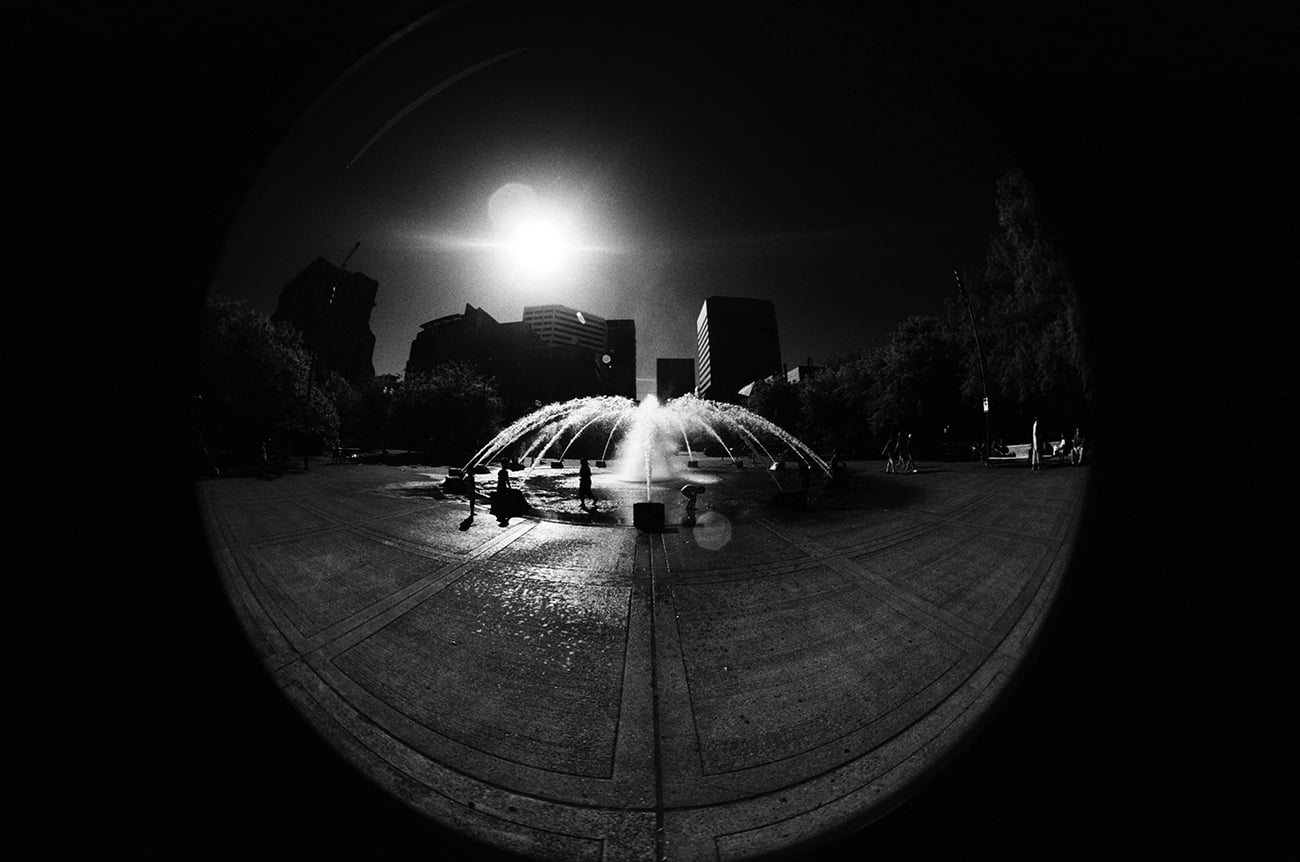 Captured with a Nikon F3
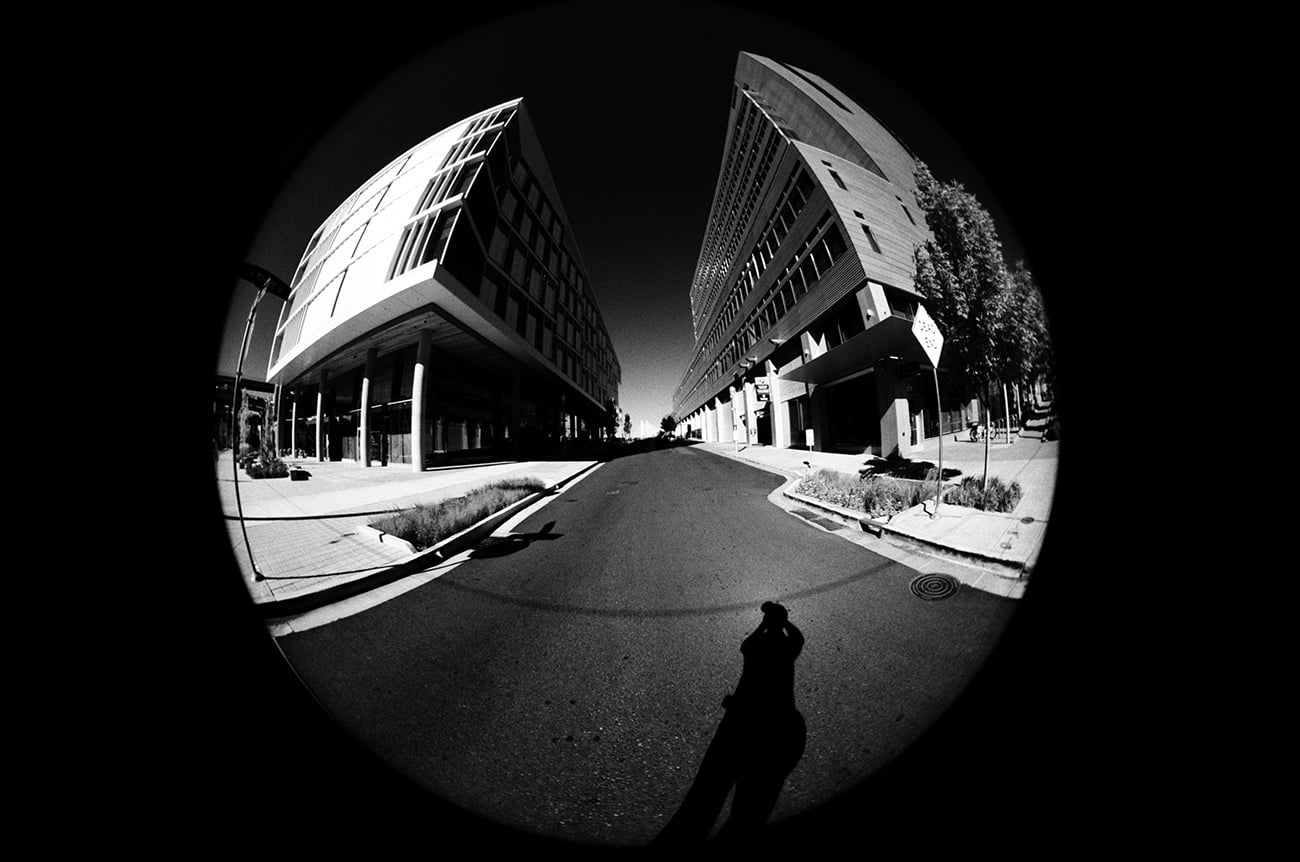 Captured with a Nikon F3
Despite its strong characteristics, Rollei Retro 400S is a film with depth and it has some other interesting qualities that may not be as readily apparent as its contrast. For example, the film is coated on an ultra-clear PET polyester base. This clear base has a few benefits. It allows the film to dry very flat with minimal curl. Combine the flatness of the base with its clear nature, and Retro 400S is very scanner friendly. You get rich, clean blacks with good sharpness across the scan. What is more, the clear polyester base lends itself well to reversal processing. That’s right, want to try making some black and white slides? Rollei Retro 400S is a good film to try this with. We have also seen sources online citing that this film has been verified through testing to have archival properties allowing it to last up to 500 years (under ideal storage conditions). While the idea of making a negative that can last five centuries is probably not a top concern for many of us, it is still pretty cool to know.

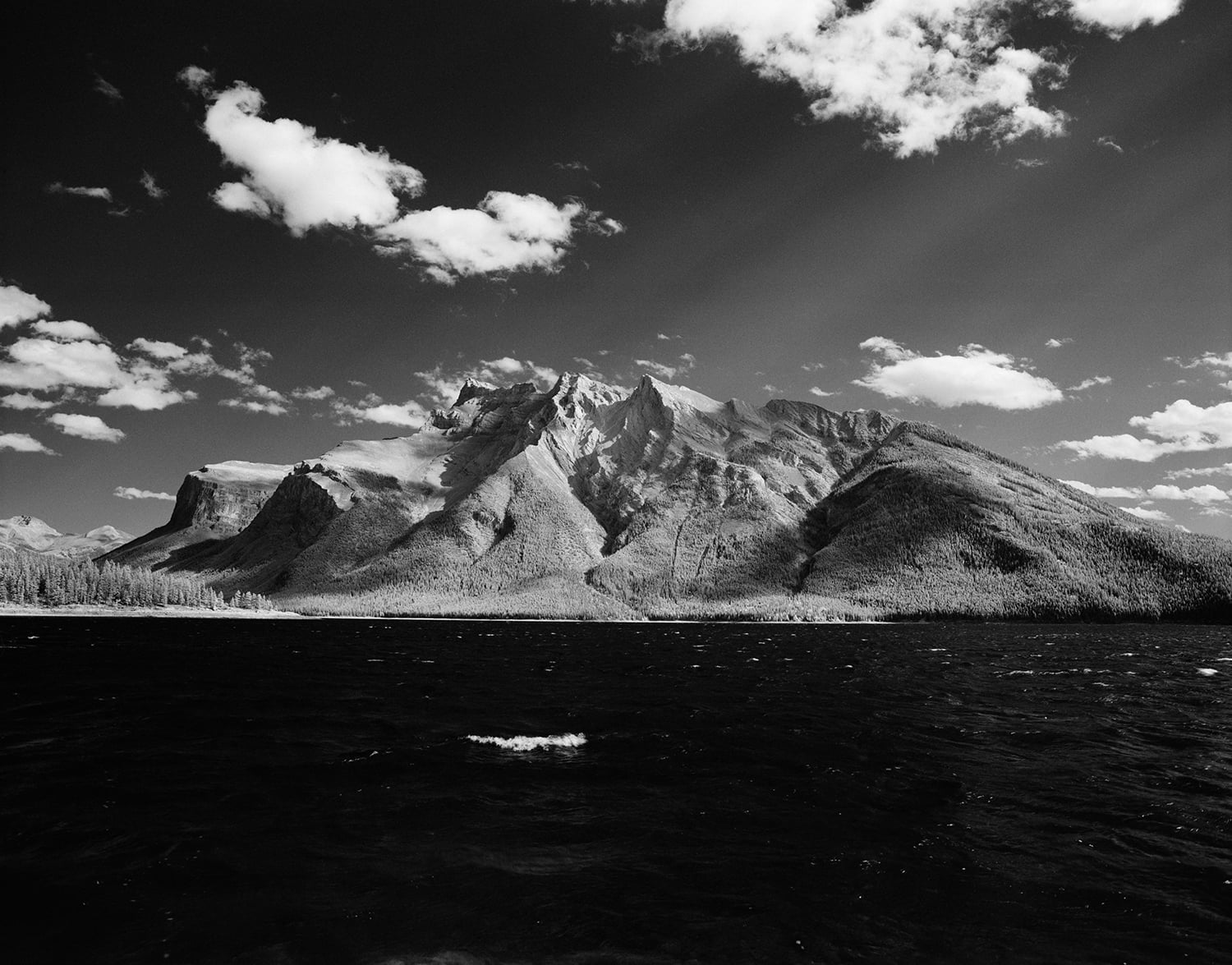
But let us now turn to one of the sneaky best qualities of Rollei Retro 400S: it is a fully capable infrared film! What this means is that with proper filtration you can use this film to pick up IR exposure, creating some beautiful and surreal photos along the way. Generally the visible portion of the spectrum of light ends about 700-780nm. This is deep red light (or electromagnetic radiation — EMR). Wavelengths just beyond this end of the visible range are usually classified as “near-infrared” and they extend out as far as 2500nm — not that photographic film is ever sensitive this far out. Most infrared-capable films typically have sensitivity into the 750-850nm range. Where exactly Retro 400S falls we are not exactly certain.
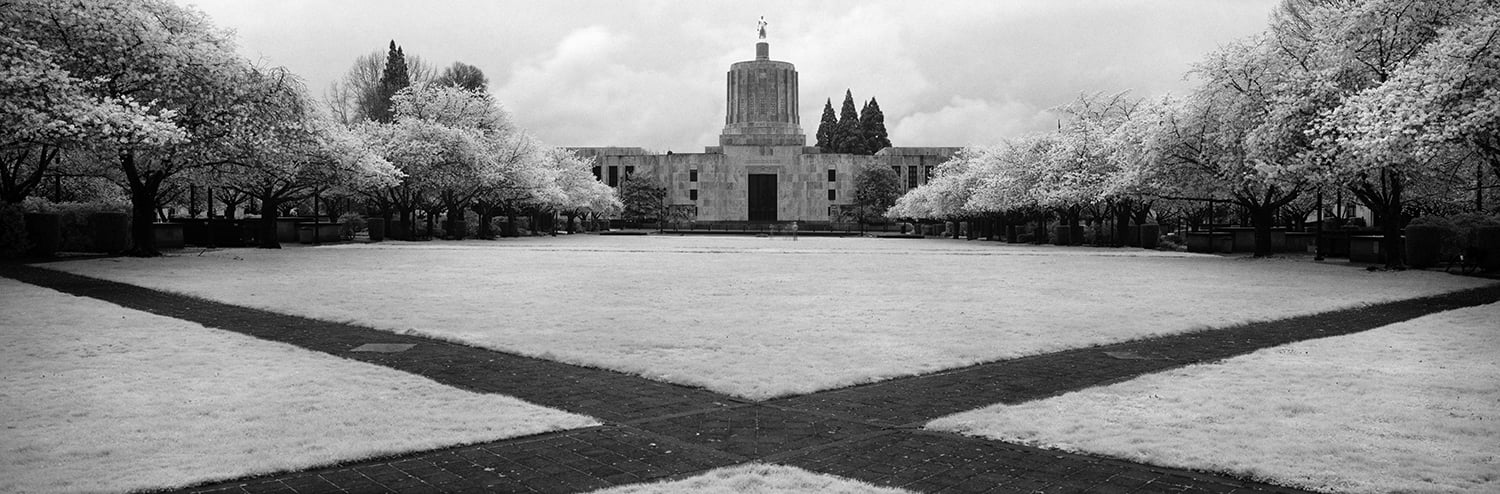 Captured with a Fujifilm G617
If you assume this film is the same as Aviphot 400S, then that film’s datasheet shows a maximum sensitivity of about 820nm. But we have seen conflicting reports stating that Retro 400S has sensitivity only to about 750nm, including on the datasheet released by Maco Direct specifically for 400S. Wherever the film’s sensitivity extends to, it is more than sufficient for infrared photography with the right filter.
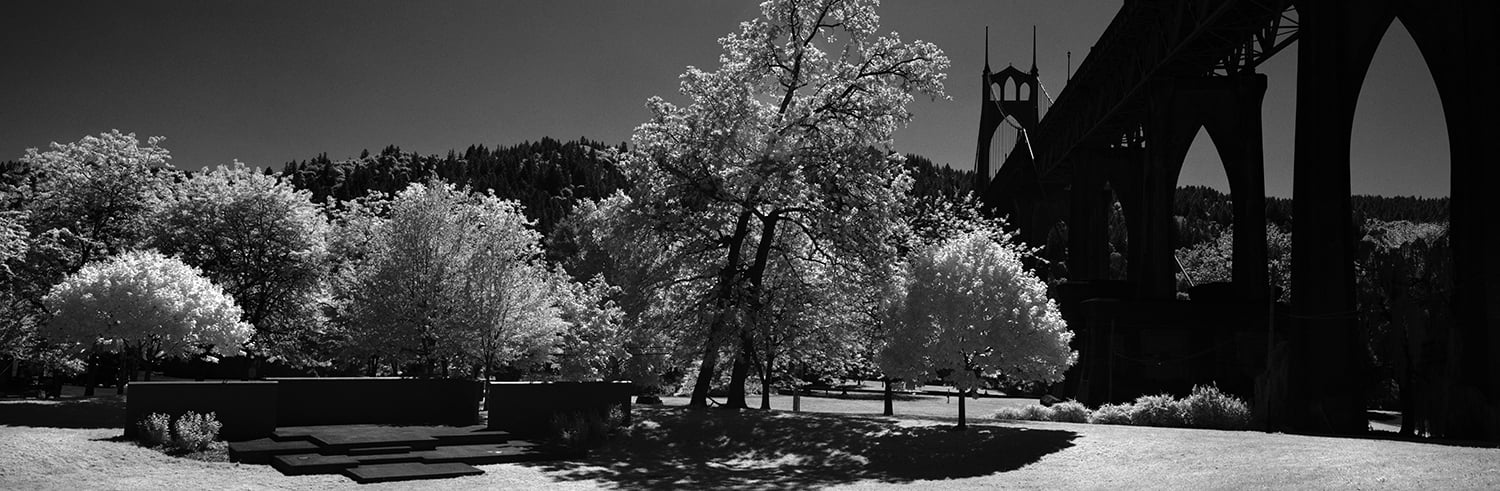 Captured with a Fujifilm G617
The best filter to get the most out of Rollei Retro 400S’s infrared sensitivity is an R72 filter, which cuts off transmission at 720nm, or basically all visible light exposure. Using Retro 400S with an R72 will produce the glowing “wood effect,” where vegetation is snowy white and blue skies are inky black. With this filter we typically compensate exposure by a filter factor of six stops. Your mileage may vary so be sure to do some testing first!
Beyond those applications we have also used Retro 400S for a bit of long exposure work. It seems to do just fine. There is no particular reason we would seek this film out for that kind of photography but there is also no particular reason we would avoid it either. However, if the notion of infrared long exposure work is intriguing to you, it can be done with Retro 400S (just make sure your ND filter doesn’t have an IR-blocking layer on it like a lot of them do these days). Retro 400S has a fair bit of reciprocity failure and you should start adding compensation after about 10 seconds. By the time you are calculating a minute-long exposure we would guess the film needs an extra stop of exposure minimum, and probably a bit more than that. But having said that, we have done some long work with this film with good success including exposures as long as one hour!
 Captured with a Hasselblad 500C
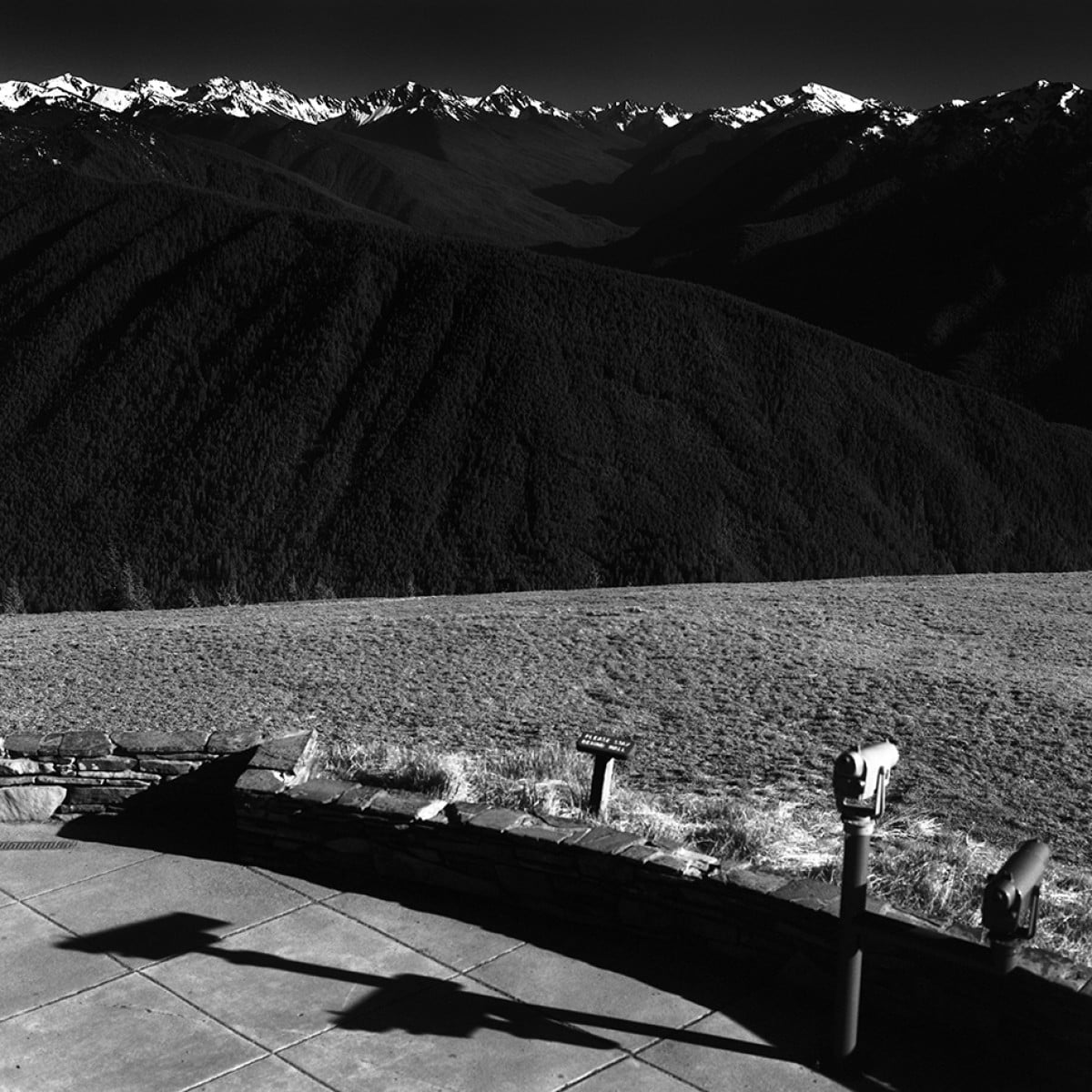 Captured with a Hasselblad 500C
That about wraps up our look at Retro 400S. This is a film that we have both used a fair bit but still feel like we have plenty to learn, so we plan to keep playing with this stuff. Meanwhile we encourage you to give it a try too! Shoot some of this unfiltered in dramatic light or pair it up with an R72 filter and do some infrared photography! Whatever your approach, go have some fun with it!
Care to try a roll for yourself? Hit up our website or stop by our shop today and nab some today.
This story is brought to you by Blue Moon Camera and Machine in Portland, OR. Blue Moon offers film, development services, printing, and even an ever-rotating line of film cameras and lenses. PetaPixel Members receive 10% off all lab services with Blue Moon: Join today!
Image creditsAll photos were taken by Zeb Andrews and provided courtesy of Blue Moon Camera and Machine.
Affiliate Disclosure PetaPixel articles may include affiliate links; we may earn a commission if you buy through one.





 English (US) ·