
 13 hours ago
16
13 hours ago
16
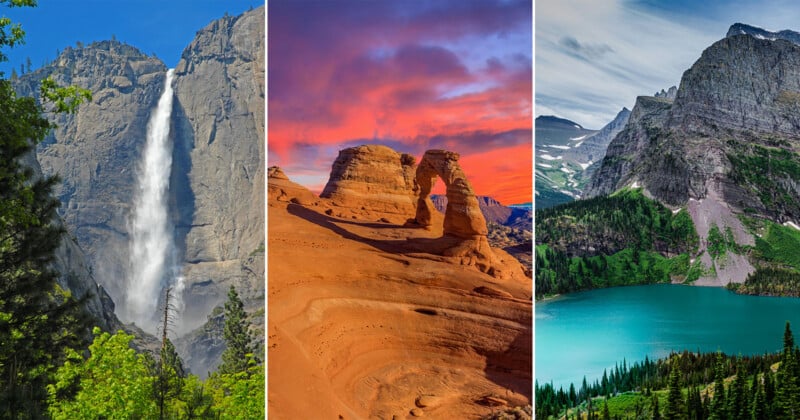
The National Park Service (NPS) has announced that visitors to three of the most popular national parks in the United States will no longer need to make reservations to enter in 2026. The move is a dramatic shift in how the NPS handles over-visitation and overcrowding, and may significantly affect how landscape and nature photographers approach their photo adventures.
Arches National Park in Utah, Yosemite National Park in California, and Glacier National Park in Montana will not use reservation systems in 2026. However, the extent of the change varies by park. In the case of Yosemite, the park has had highly variable reservation systems since the COVID-19 pandemic, as KTLA 5 in Los Angeles reports. The park has, in recent years, instituted vehicle reservation systems for certain seasons, including in 2024 and 2025.
Some, including Senator Alex Padilla (D-CA), wanted Yosemite to implement a permanent reservation system to ensure all visitors had a “world-class experience.” The NPS, for its part, disagrees with Padilla about how best to deliver positive experiences to all visitors.
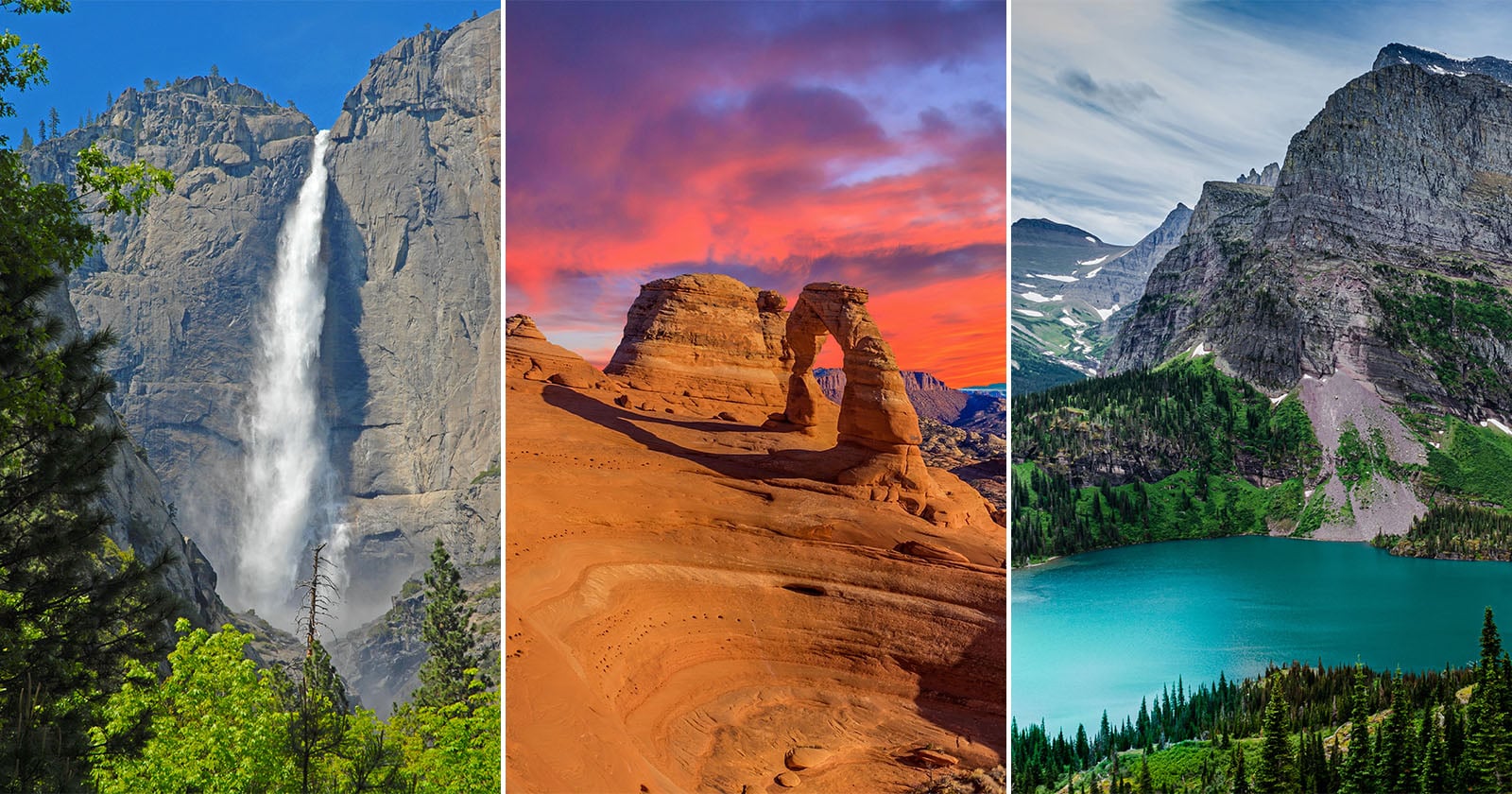
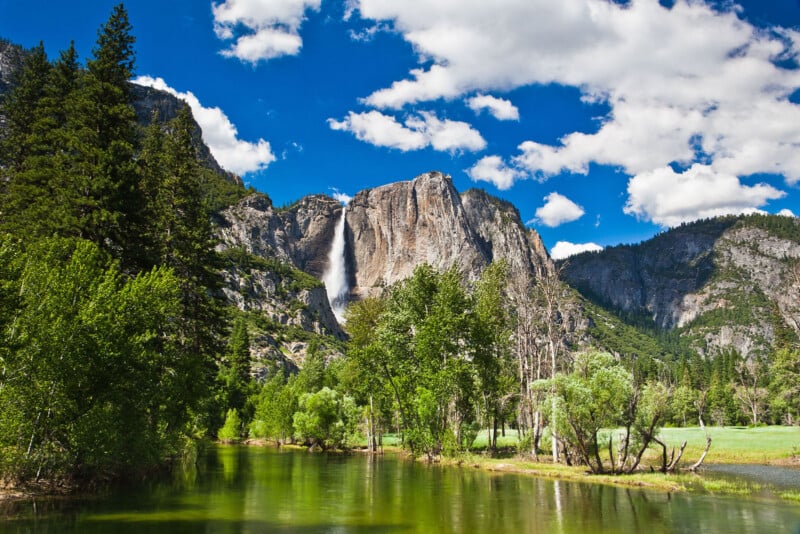 Yosemite National Park, California
“We are committed to visitor access, safety, and resource protection, and will continue active traffic management strategies to ensure a great visitor experience,” says Yosemite Superintendent Ray McPadden. “While reservation systems are one valuable management tool, our data demonstrates that a season-wide reservation requirement is not the most effective approach for the coming season.”
Yosemite officials say they will monitor traffic in real time throughout 2026, employ active parking management, add staff at key intersections and areas in the park, and aim to improve the visitor experience through enhanced weather and traffic congestion alerts. The park will also promote weekday visits and encourage people to explore less-popular areas, which can be just as beautiful as the classic spots.
“Our goal is to help every visitor have a safe and enjoyable trip,” McPadden continues. “Targeted management gives us the flexibility to address the busiest days while preserving open access on days the park is operating well within capacity.”
Arches National Park says visitors will now be able to enter the park at any time during operating hours without a reservation. An entrance pass is required, but these are no longer tied to specific entry times.
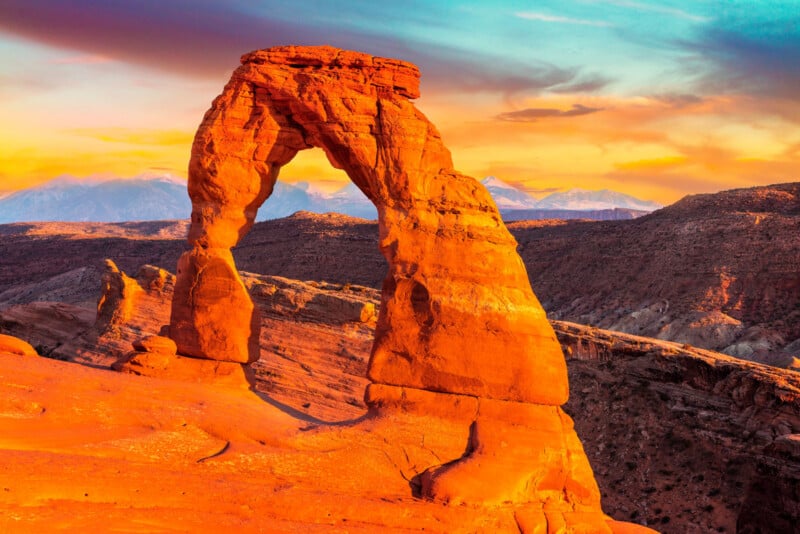 Arches National Park, Utah
“Arches offers extraordinary experiences at every hour of the day,” says Superintendent Lena Pace. “We encourage visitors to arrive early, explore lesser-traveled areas if certain locations are busy, and be flexible when enjoying the park. Arches is an International Dark Sky Park, and visiting after hours is highly encouraged. We look forward to working closely with local and state partners as we implement these adjustments and refine our approach to serve visitors while protecting park resources.”
Glacier National Park has also removed vehicle reservations this year, but, like Yosemite and Arches, it will use congestion management strategies to keep the park accessible to all visitors.
Two of these three National Parks, Glacier and Yosemite, were among the 10 that instituted a new $100 surcharge for international visitors under the Trump Administration starting in 2026, as The Hill reports.
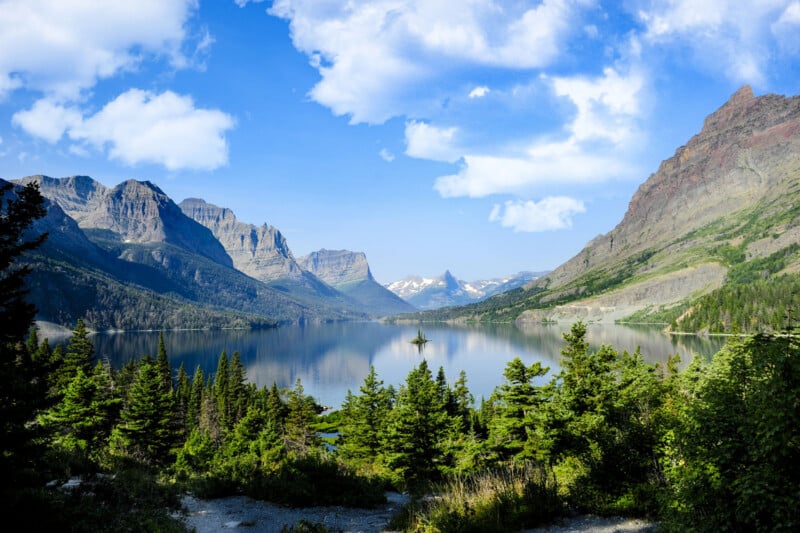 Glacier National Park, Montana
It’s difficult to predict what these changes mean for photographers. On the one hand, America’s National Parks are among its greatest natural resources, and Yosemite, Arches, and Glacier are all stunning locations rife with exceptional photographic opportunities, including for landscape, wildlife, and astrophotography fans. Being able to access them more easily is great, especially for those who are fortunate enough to live close to a National Park and can make impromptu visits when conditions are favorable.
On the other hand, loosened restrictions could lead to the overcrowding problem that reservation systems were designed to address in the first place. It’s not ideal to limit people’s ability to visit America’s beautiful National Parks, but these limits can help ensure that all visitors can better enjoy their time there. What landscape photographer wants to deal with massive crowds and long lines to get a shot?
Careful planning, patience, and getting up early are always important, but may be even more vital now, thanks to these changes in 2026.
Image credits: Photos licensed via Depositphotos.






 English (US) ·