
- ALBATROSS turns an aircraft release into a controlled ocean landing system
- The 1.1 kg drone can deploy without carrying powered flight hardware
- Its rotating descent slows the fall before the vehicle reaches water
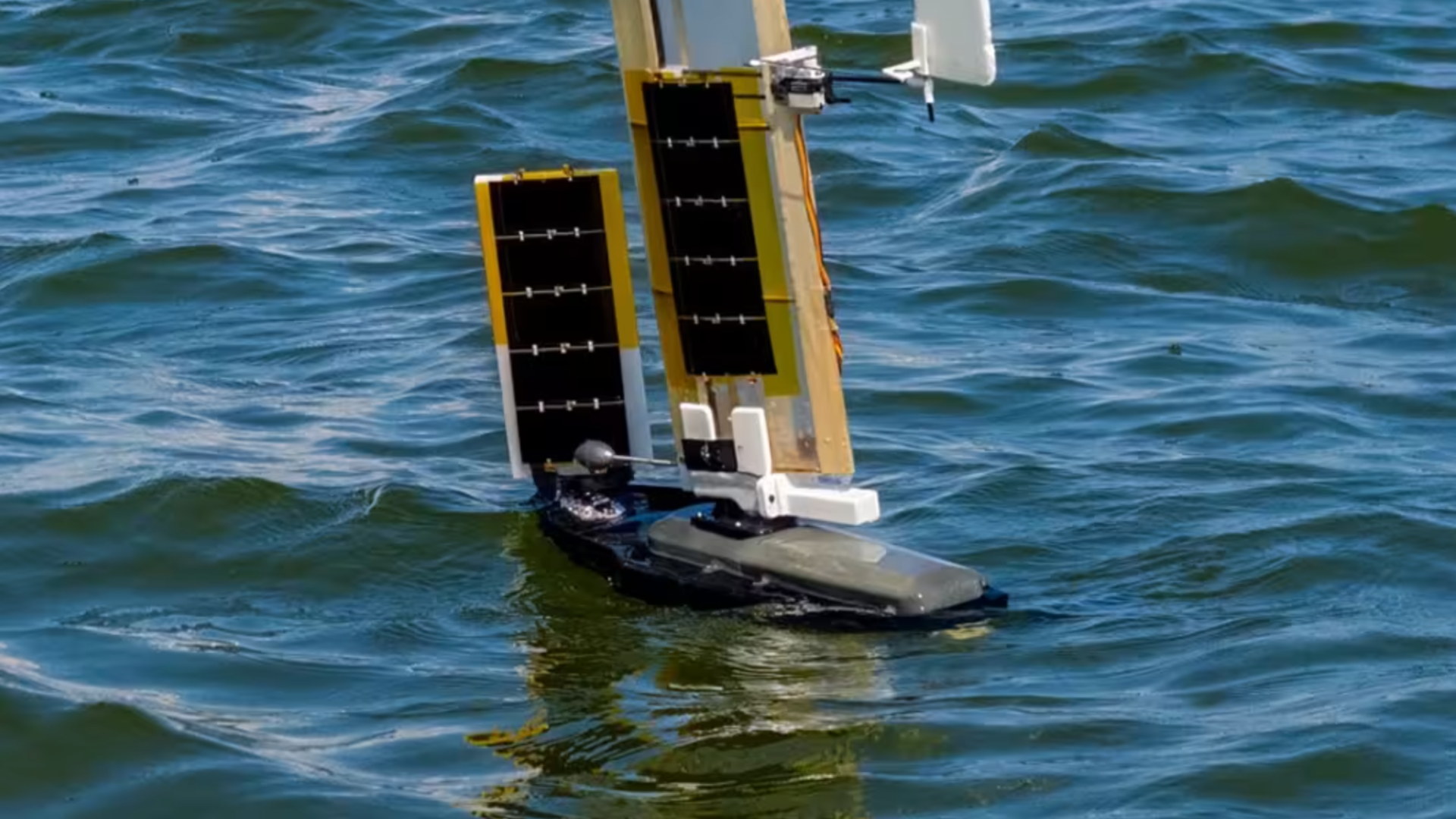
ALBATROSS, a drone built by seven engineers at Singapore university SUTD, is a lightweight sailboat drone designed to reach the water successfully after an aerial release.
The 1.107 kg prototype rotates while descending, which slows its fall before landing, and then converts into a wind-propelled vessel.
Its unusual launch method gives the machine a claimed operating range above 100 km while avoiding powered flight during deployment.
A drone that drops before it sails
ALBATROSS uses rigid wingsails to control its descent, causing the craft to rotate instead of dropping directly toward the water.
That spinning motion reduces falling speed and limits landing forces, allowing the vehicle to enter the ocean without landing hardware.
After landing on the water, the craft automatically returns to an upright position before switching into sailing mode.
“ALBATROSS is designed to be released from an aircraft or UAV, passively enter autorotation for a controlled, low-impact water landing, self-right without actuation,” said the SUTD research team.
The drone does not come with a landing gear, so it uses three control actuators with three main sensors, while a rudder provides directional movement through lateral motion for steering.
That rudder functions similarly to a fish tail, generating thrust while helping the small vessel steer after reaching the water.
Range and design give the concept its edge
The researchers say ALBATROSS could cover roughly above 100 km, substantially exceeding the approximately 7km range reported for SailMAV.
Its low mass allows aircraft or UAVs to carry it into areas where rapid deployment could matter during environmental events.
It also has an advantage over autonomous sailing platforms such as Saildrone or Sailbuoy, which may require external support during some operations.
That edge comes from its design, which integrates aerial and aquatic functions without relying on the separate mechanisms typically needed to manage those modes.
"Unlike many hybrid aerial-marine systems, ALBATROSS eliminates the need for aerial propulsion, complex mechanical reconfiguration, or active stabilization during the air-water transition and can sail back to shore at the end of a mission," the team said.
That ability could make aerial deployment useful for placing sensing equipment in areas where ocean conditions change quickly.
Wind-powered movement would then allow the vehicle to remain useful without carrying a propulsion system for continued surface travel.
This operating model differs from larger sailing drones, which can require management from shore facilities or vessels during active missions.
The prototype therefore combines low mass with a descent mechanism intended to reduce hardware requirements during the transition into water.
Whether the concept works reliably outside controlled testing will depend on consistent descent, self-righting, steering, and sailing performance overall.
Via The Register

Follow TechRadar on Google News and add us as a preferred source to get our expert news, reviews, and opinion in your feeds.







 English (US) ·