
 3 hours ago
7
3 hours ago
7
Aftermarket backup cameras might not work as well as integrated ones, but they're still a useful upgrade to an older car.
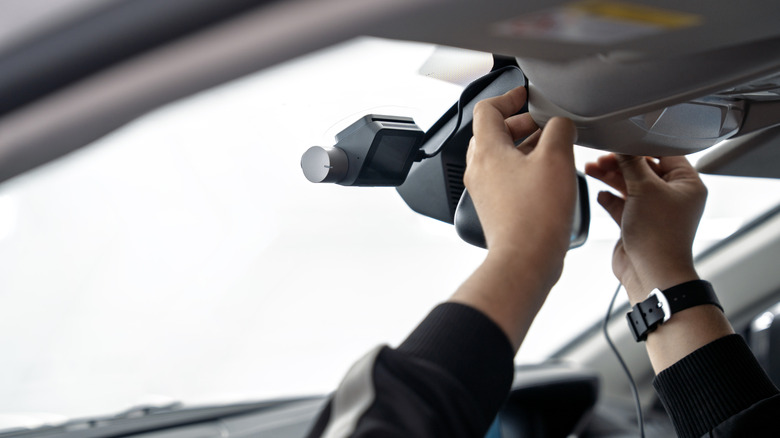
Thai Liang Lim/Getty Images
Most cars today come with backup cameras pre-installed, which makes parallel parking much less of a chore, and allows drivers to reverse more safely in crowded environments. But what if you have an older car and still want a better view for maneuvering your vehicle?
There are several ways to outfit an older vehicle with a backup camera, including wiring one into the car, which requires a complex installation process, more hours of labor and can cost upwards of $600. For a less invasive, easier fix, you can use a wireless, vehicle-mounted backup camera system. These devices can often be installed yourself, and like the wired cameras they transmit real-time video from the rear of your vehicle to a monitor on the dashboard. But how do these add-on cameras actually work? Here's what you need to know about the technology, its quirks, and how you can put one in your car.
How do add-on wireless cameras really work?
Wireless backup cameras can be purchased online for prices ranging from $40 to more than $400, and don't require a professional for installation. They typically turn on automatically when your car is switched to reverse, but some that are used more for accident monitoring automatically record video footage when any movement appears behind your vehicle. Backup cameras use different technology to stream video to your dashboard depending on the age and model. Most of them use Wi-Fi or dedicated digital radio frequencies, though some older systems use Bluetooth. Typically these cameras work offline, meaning you don't need to use mobile data for them to work.
The power source for the dashboard monitor typically comes from a USB port or a cigarette lighter, depending on the age of your vehicle. The camera installed on the back of the vehicle gets power by fusing to a light circuit in the car itself, or through a built-in solar-powered battery. When the camera's wires are spliced directly into your vehicle's tail lights, shifting your car into reverse will activate the camera automatically. If it is not connected to the car's wiring and works solely on battery or solar power, it typically requires opening an app on your smart phone to activate.
The system automatically flips the video footage horizontally to match the image that you would see from your rearview mirror. It also uses a camera with a wide or fish-eye lens to offer the most comprehensive viewpoint possible for maneuvering the vehicle.
What are the downsides of wireless cameras?
An aftermarket, wireless camera will inevitably be missing some of the in-depth features included in those pre-installed on new vehicles: don't expect a full back-up system with these cameras. New vehicles typically come with multiple back-up tools: a camera that gives you a visual feed of backing up as well as parking sensors to measure physical distance. While some models do include additional sensor or computer vision features don't expect a wireless camera system to measure physical distance or detect objects unless it's explicitly marketed. You'll be relying entirely on visuals and won't hear a "beep" as you approach potential obstacles.
Wireless backup cameras may have a slight delay compared to wired devices, though experts say it is hardly noticeable for most drivers. Still, connecting to an app to look at backup footage if your device is battery-powered is certainly less convenient than an automatic camera. Signal stability can also be prone to outside interference since it relies on wireless connectivity. Additionally, because footage is being sent over Wi-Fi rather than directly streamed through the vehicle, video can be more compressed and thus lower resolution.








 English (US) ·