
Although the need for data privacy seems to have been almost entirely undermined in the contemporary technology landscape, it was a hot topic a decade ago.
Apple, at the time at least, maintained a houlier-than-though stance compared with some of its competitors like Google and Facebook – but also took a strong stance against governments around the world threatening to undermine encryption.
Security versus privacy
The debate of national security versus privacy is one that has raged for a couple of decades now, and one that's likely to continue raging into the next.
Quote of the day
This article is part of TechRadar Pro's QOTD project to provide an insight into the minds of the brightest and most recognized figures in the technology industry today and in years gone by. Read the full series here.
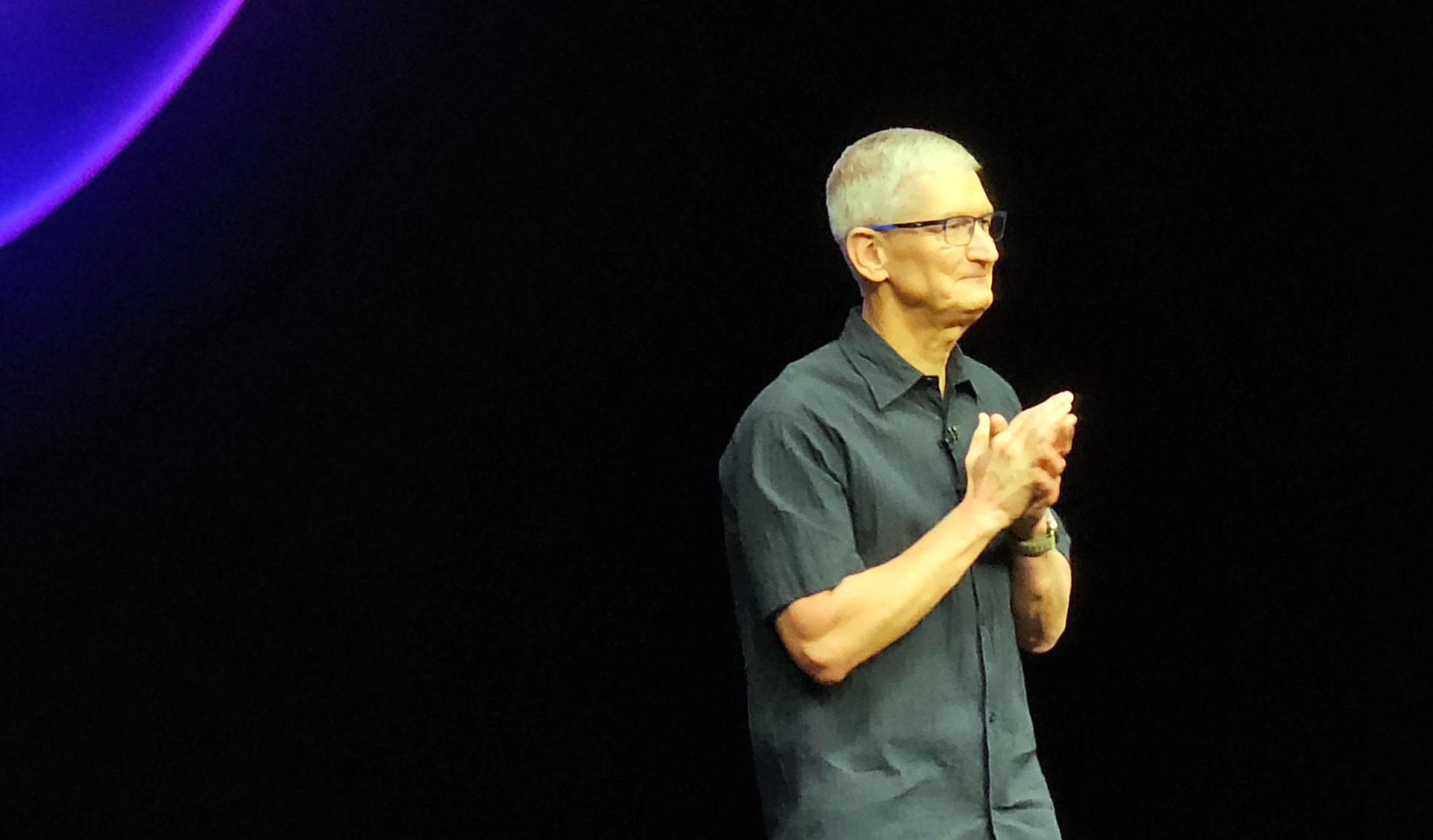
Speaking at the EPIC Champions of Freedom event in 2015, Tim Cook laid into Silicon Valley rivals that were "gobbling up everything they can learn about you and trying to monetise it".
But he also highlighted the dangers of national governments undermining the privacy of the company's users (with encryption in use on iMessage and FaceTime) by stressing how any backdoors imposed on encrypted systems would be exploited.
A matter of when, not if
End-to-end encryption still faces the same threat from national governments in 2026 and beyond. Worries over the UK's Online Safety Act, for example, center on the provision for the government to scan encrypted messages.
In the US, meanwhile, there are mixed signals. In 2024, for instance, the government encouraged users to use encrypted channels to communicate with each other in light of a massive cyber attack.
Cook's warning likened the introduction of a backdoor to leaving the key under the mat, extending this analogy to suggest that cybercriminals will exploit it. In cybersecurity terms, we now understand that it's a matter of when, not if, attackers can take advantage of exploits. With the advent of AI-enabled cybercrime, attackers may strive to break any backdoor access.







 English (US) ·