
How we tested Proton VPN
Proton VPN was tested by

Proton VPN was tested by
Rob Dunne
This review has been written by me, Rob Dunne, VPN Editor for TechRadar. I’ve been writing about VPNs for the best part of 2 years and have been active in the technology space long before that. Proton VPN is installed on most of my devices.
That includes my phone, iPad, browser, and Fire TV Stick as well as my laptop. I mostly use Proton VPN for accessing streaming services across the globe, such as Peacock and 9Now.
Proton VPN review scores
Swipe to scroll horizontally
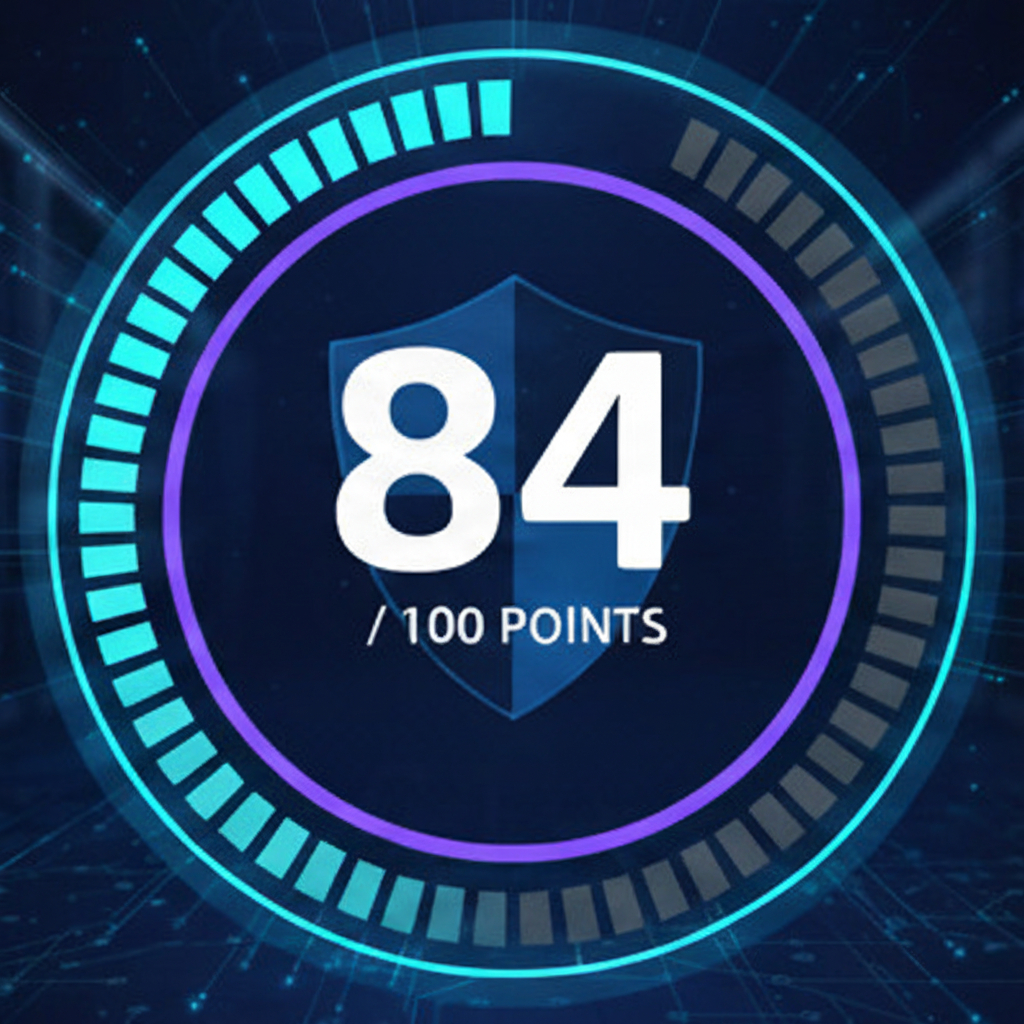
Total | 84 / 100 | Powerful, secure, and with privacy at its heart, there's little not to love about Proton VPN. Read more ▼ |
Price plans & value | 8 / 10 | One-plan-fits-all does a great job of balancing value and capability. Though it still sits slightly more expensive than some other top VPNs. Read more ▼ |
Features | 7 / 10 | Proton VPN is not as feature heavy as other top VPNs, but what it has, works, and is available on almost every platform too. Read more ▼ |
Server network | 10 / 10 | Proton VPN has the more servers than almost any other VPN. It has a huge number of locations, with a good global spread, and high-end server technology. Read more ▼ |
Read all of Proton VPN's review scores ▼
Swipe to scroll horizontally
Privacy | 10 / 10 | Based in Switzerland, with bags of no-log audits to back its privacy claims, Proton goes above and beyond to ensure its VPN gives no reason to doubt that you're browsing privately. Read more ▼ |
Security | 9 / 10 | Proton puts every measure in place to ensure your security is absolute while you're browsing. It doesn't yet have post-quantum encryption but it's more than secure than most VPNs in the present day. Read more ▼ |
Speed | 8 / 10 | Proton VPN is among the very fastest VPNs we've tested. It's more than capable of handling any home environment. Read more ▼ |
Unblocking streams | 8 / 10 | Despite some hiccups, Proton performed well for the majority of our streaming tests. Read more ▼ |
P2P & Torrenting | 5 / 5 | Port forwarding support, P2P optimized servers almost anywhere, and a bunch of guidance for beginners all make Proton VPN perfect for torrenting no matter your experience. Read more ▼ |
Apps & Compatibility | 4 / 5 | Proton VPN has apps everywhere, with near-perfect feature-parity between platforms. Plus they look great. But, the web extension does deserve some love sometime soon. Read more ▼ |
Usability | 4 / 5 | Easy to look at, explained continuously, and offering intuitive access to everything you need, there are few flaws to Proton's apps. Read more ▼ |
Accessibility | 3 / 5 | Despite its wealth of language support, Proton's screen reader is too limiting for those who are visually impaired. Read more ▼ |
Customer support | 4 / 5 | Proton VPN has detailed guides on a wealth of topics, and easy access to support agents even if they're not the best we've encountered. Read more ▼ |
Track record | 4 / 5 | Proton VPN has a faultless record. While an incident with Proton Mail left some users concerned, years of back-to-back no-logs audits, Swiss privacy assurances, and some major infrastructure investments all make Proton VPN among the most trustworthy VPNs. Read more ▼ |
Proton VPN price plans
- Proton has a single VPN plan, from $2.99 per month.
- Lower auto-renewal price increases than almost any other VPN.
- Proton Unlimited bundles other Proton products with the VPN.
Swipe to scroll horizontally
Proton VPN | $9.99 | $3.99/month | $2.99/month |
Proton VPN Unlimited | $12.99 | $9.99/month | $7.99/month |
Unlike many top VPNs, Proton VPN doesn’t offer tiered pricing. Instead, there is a single paid plan (alongside the Proton VPN Free product). This plan is offered in three lengths: 1-month, 1-year, and 2-year. The price of the plan drops as the length increases. All of these plans do, however, come with a 10-device limit, much like NordVPN.
We always recommend picking up the two-year plan, since it is the cheapest overall. As with all VPNs, you pay the full cost upfront. Just make sure you turn off auto-renewals, so you’re not stung by unwanted price rises. That said, Proton’s price rises are almost non-existent.
Read more about Proton VPN's price plans ▼
Right now, picking up a 2-year plan costs $2.99/month, paid as $71.76 upfront, and renews at $79.95 every 12 months (or $159.90 over two years). By comparison, NordVPN Basic costs $80.73 for the first two years, then auto-renews at $312.93 for the next two years – and that’s including far fewer features than you’d get with Proton.
NordVPN also charges VAT on top of these costs, making the overall price rise even further both on initial sign-up and at renewal. By comparison, Proton’s price is all you pay; tax is included in the advertised cost, barely a renewal increase, little to worry about.
What's more, it's important to remember that Proton Plus is compared here to all of the other entry-level plans of our recommended VPNs. It comes with features that aren't available with other VPNs unless you go up a price tier. So, Proton VPN is, in fact, far better value than it appears.
One option you do have with Proton is to upgrade to its Proton Unlimited plan. This plan gives you Proton VPN, and all its features, but also Proton Mail, Pass, Calendar, and Drive. So, if you want added security for your emails, photo storage, or personal events, you can get it all bundled into one package.
Proton Unlimited costs only a fraction more than NordVPN’s super-premium Prime Plan. That's $191.76 for two years compared to $186.03. What’s more, you’re not stung with the huge price increase you’d face with NordVPN, and you can access a whole suite of products.
What's quite astounding is that a single, on-off month of Proton Unlimited is actually cheaper than a one-month plan from any other of the best VPNs. For only $12.99, you get the full Proton experience, including all its apps and features.
For comparison, 1 month of NordVPN Basic (which gives just the VPN and basic Threat Protection) is the same price, while one month of Surfshark Starter is even more at $15.45.
So, for one month of security, Proton will struggle to be beaten. If you don’t need the additional Drive, Pass, Mail, and Calendar apps, Proton VPN for 1 month is only $9.99 with all features included too, so you’re always going to save compared to even its biggest rivals.
All of this sits Proton VPN somewhere in the middle for value. At regular two-year pricing it's in the same ballpark as NordVPN and ExpressVPN. It's only Surfshark that is significantly cheaper out of our top choices.
Score: 8/10
Features: What can Proton VPN do?
- Ad blocking from NetShield is excellent.
- Profiles are a very handy feature.
- Fewer tangible features than other top VPNs.
Proton’s one-price-gives-all approach means you get the full suite of VPN features straight away. That said, it doesn’t offer a great deal in terms of add-ons.
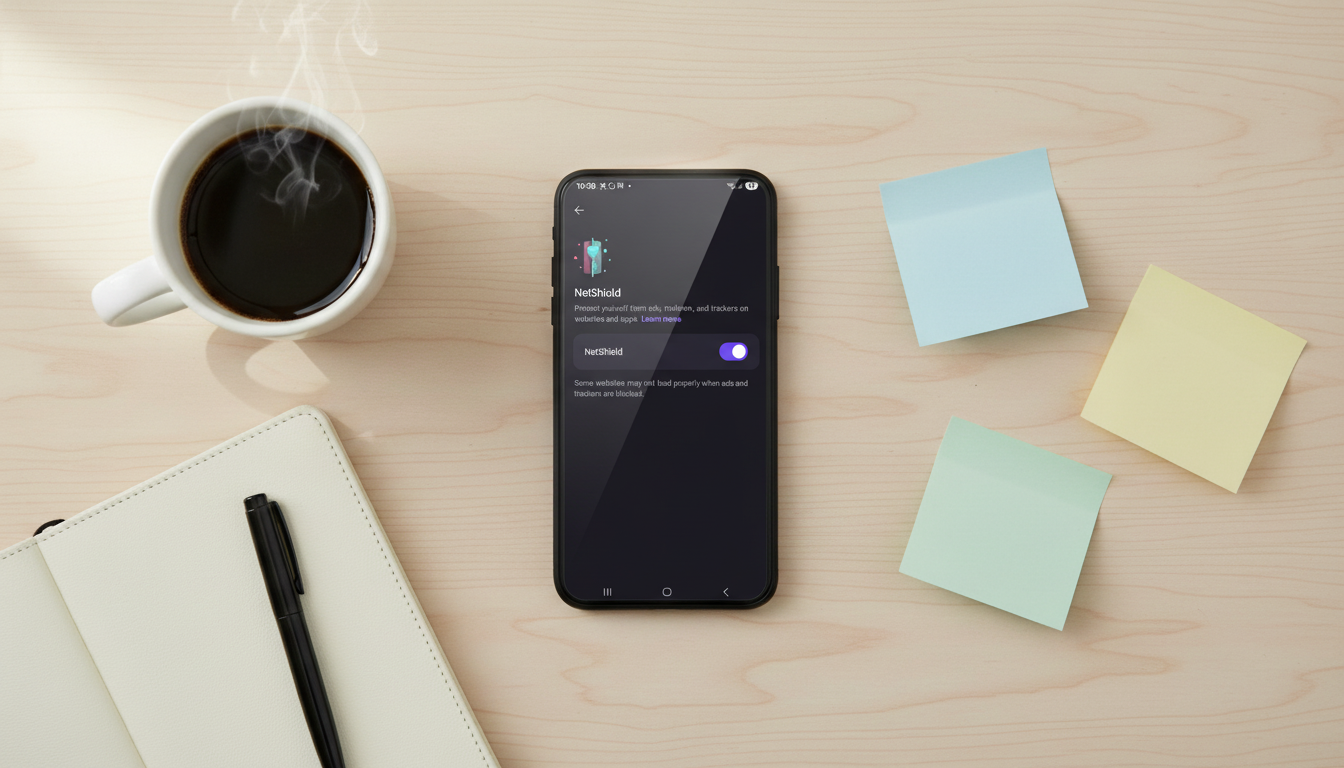
NetShield is the primary example of this. As Proton VPN’s biggest additional feature, NetShield blocks your device from ads, trackers, malware sites, and phishing sites. It works at a system level, meaning no additional installs for browsers or apps; they’re all automatically protected.
It is highly effective at blocking ads online. However, in our most recent testing we noticed a drop off in performance concerning the blocking of phishing and malware sites.
Testing it across Windows, Android, and iOS, we never saw it impact our battery life, nor did we encounter issues with most apps or websites despite the warnings Proton gives that problems may occur.
Read more about Proton VPN's features ▼
The only sites that struggled were streaming sites. VPN ad-blockers and streaming sites are known enemies, especially when the streaming site is regional and relies on ads to run. We’ll cover this in more depth in the unblocking section later.
Profiles are another key tool in Proton’s arsenal. While some VPNs have functionality to auto-connect on using specific apps or WiFi connections, Profiles goes a step further.
Proton’s solution allows users to create multiple, uniquely tailored settings combinations, 'profiles', for when using the VPN in specific situations. The profiles can be tailored to according to:
- Server type (Standard, Secure Core, P2P)
- Country selection
- Whether NetShield is turned on or off
- Whether port forwarding is turned on or off
- What protocol you use (WireGuard, Stealth, OpenVPN)
- What NAT type
It’s also got what Proton calls ‘Connect and Go’, which allows you to pick an app or website that loads automatically when you turn on your profile.
In testing, we set up a ‘US Streaming’ profile. We used WireGuard UDP and turned NetShield off to avoid ad-blocker issues, and auto-loaded Peacock so we could get straight to watching shows. It worked flawlessly every time.
Usefully, the profiles you create also appear on Proton’s mobile widgets if you’ve connected to them recently. That means you don’t even need to enter the app to get streaming if you’re on the go and want to save time.
On desktop, you can also pin any profile you create to the top of your recents list.
I really like Proton VPN's profiles. They're easily accessible, work flawlessly, and supremely helpful, top marks!
Proton recently added "Exclude locations" for Android (allowing users to blacklist specific cities from "Quick Connect") and a "Discreet Icon" feature, which lets users hide the VPN app as a decoy (e.g., a calculator) to bypass physical device inspections.

The final unique aspect of Proton VPN’s experience is VPN Accelerator. It supposedly increases performance by up to 400%.
We’ll get into the results of that later, but it works by splitting the processing needed to handle VPN traffic across multiple processors rather than just one.
This reduces the risk of overload to the processor, which would impact performance and result in reduced speeds for a user. It's on automatically for paid Proton VPN users and it’s unavailable for those on the free plan. We recommend leaving it that way to ensure the best speeds.
That's it for Proton's features, and, while it's not a lot, as I say, it functions well, and there are plenty of 'added value' features on other VPNs that don't.
I'd like to see Proton offer a little more with its VPN going forward but, if all you need is a VPN, then you shouldn't have any complaints.
Score: 7/10
Server network and locations
- Second-most countries and locations offered of any tested VPN
- The most locations of any tested VPN in Asia and Africa.
- Fewer locations in the Americas and Oceania.
Proton VPN offers the second-largest number of total locations of any VPN we tested (188, tied with ExpressVPN), and the most countries covered (145). Only NordVPN, with 211 locations, offers more.
While the number of locations and countries can be a good indicator of a provider’s spread, it’s never perfect. Often the global spread of these servers can be more telling.
Of all the VPNs we test, Proton VPN has the most locations in Asia (48) and Africa (31). By comparison, NordVPN offers 41 Asian locations and 21 African ones.
However, Proton scores lower in North America (39), South America (10), and Oceania (7). Its 53 European locations put Proton slightly below average here too – with the likes of NordVPN, Surfshark, and ExpressVPN offering 54, 54, and 58 locations in the region, respectively.
Read more about Proton VPN's server network ▼
It's important to put that in context, though. Proton company mission is to provide private and secure internet access to all, and that's very much reflected in the server spread of its VPN network.
While it might not have as big a concentration in certain areas – mainly North American and Europe Proton makes sure its product is available to as may parts of the globe as possible. That also means it can open up servers and provide free access in times of trouble for local people.
Proton has regularly become a popular choice for people during periods of heightened internet censorship. Recently, Proton recorded an 8,000% increase in sign-ups from people in Uganda during the country's elections and the associated internet shutdown. The company also recorded a spike in interest in Argentina after two popular streaming platforms were blocked.
That's a unique and laudable pillar of Proton VPN identity. It's a great reason to choose Proton if you live in these areas of the world or your likely to travel to them for work. These are also areas where internet restrictions can be toughest, and present a very immediate need for privacy software.
It's also important to realize that Proton has a large number of servers in its network and that makes it good for handling the ebbs and flows of capacity needs.
Proton’s total number of servers currently sits at nearly 20,000 (19,704 at the time of our latest research). This is not only a huge jump from the 5,000 Proton claimed to have back in June 2024, but also puts the VPN provider far in advance of almost any other.
The more servers a provider has in total, the less likely your connection is to be impacted by excessive server load which, in turn, can lead to reduced download speeds and increased latency or jitter. Those are both things to be avoided if you're looking for a gaming VPN or streaming VPN with consistent, high-speed connections the ideal.
Among Proton’s many locations are some virtual locations. Using virtual servers is common among even the top VPNs, but it’s refreshing to see Proton’s level of transparency surrounding the matter.
That said, it’s not perfect. In our testing, it was quickly apparent that the app lacks clear visual indicators for virtual servers. For instance, the Windows app currently doesn't display any icons to let you know a server is Smart Routed.
What’s more, we found a few instances where these virtual locations didn't appear to connect from exactly where Proton VPN’s website said they were hosted.
However, it's worth noting that the vast majority of servers were hosted exactly where Proton claimed they were. The few exceptions we found were generally hosted in neighboring countries, which is unlikely to cause a noticeable performance drop.
It's most likely that Proton's website server lists are just a bit out of date, rather than anything nefarious.
The real diversion from the norm for Proton's server network, though, is that it doesn't use RAM-only servers. Proton believes the security benefits of such servers are minimal and consequently not worthwhile, which they explain in a blog post.
Instead, Proton runs full disk encryption on their servers. This means that even if a server were to be taken away, it would not be possible to access the server certificates that might allow bad actors to create an attack, or attempt to track customers.
Alongside these servers are Proton’s own Secure Core servers. These servers are owned and run by Proton itself, stored in high-security locations, including a former military base and an underground data center, and form the basis of Proton’s multi-hop offering.
Based in Sweden, Switzerland, and Iceland, these servers are deliberately in physically hardened locations with strong privacy laws, reducing the ability of other countries to file legal challenges for data. Plus, the servers are connected to the internet by a dedicated network Proton owns, with IP addresses owned and operated by its own Local Internet Registry.
The average user won’t see a huge difference in performance but any multihop connection does reduce download speeds and increases latency owing to the added VPN server connection. However, those extra measures mean you’re far more protected when using Secure Core than you would with any other VPN multi-hop system. If that doesn't add peace of mind, then we don't know what will.
Overall, then, a great number of locations, backed by strong, secure infrastructure. There's little you need to worry about when it comes to where to connect with Proton VPN.
Score: 10/10
Privacy
- Based in Switzerland – giving users protection from strict data privacy laws.
- Detailed, clear, privacy and no-logs policies.
- Key privacy features: Stealth, full-disk encryption, Secure Core.
Proton is as a privacy-first company. Its VPN product is no different – and doesn’t disappoint!
We should first address the fact that it is a Swiss company. Being based in Switzerland means the company is protected by some VPN customer-friendly data privacy laws. Switzerland isn’t part of any intelligence-sharing agreements, and sees such importance in privacy that rarely will a Swiss court grant any data request it receives from another country.
This is furthered by Proton’s full, detailed privacy policy, no-logs policy, and transparency reports when it is subject to legal requests by Swiss authorities. We read through Proton’s privacy policy and were pleased to see a high level of detail, without unnecessary complexities.
The same is true for its no-logs policy. It covers everything we’d expect, including linking out to explainers surrounding the technology Proton has in place to secure your data, such as full-disk encryption and bare-metal servers, both of which we’ll cover later.
The future of Switzerland's reputation as a privacy haven is not certain, however. In recent months, there has been discussions about changes to the country's surveillance legislation. Proton has said it will leave the country if Switzerland no longer offers the privacy protections it feels it requires to operate securely.
Read more about Proton VPN's privacy measures ▼
This no-logs policy has also been audited four times. The last was in August 2025.
These audits have regularly confirmed there is nothing to worry about, even emphasizing the lengths Proton goes to internally to ensure security.
This includes monitoring server configurations and raising alerts if there is an unauthorized change. It also has a change management system which means an employee cannot change any configurations without another employee’s approval.
If that wasn’t enough, Proton’s no logs policy was tested in 2019 when a Swiss court approved a request to hand over customer information. However, since Proton’s no logs policy was watertight and well enforced, there was no information to hand over.
If you’re interested in how many requests Proton receives over a year, you can look over its transparency report. This report is updated whenever a new request is received, even if, as is most common, the request is declined due to Swiss privacy laws.
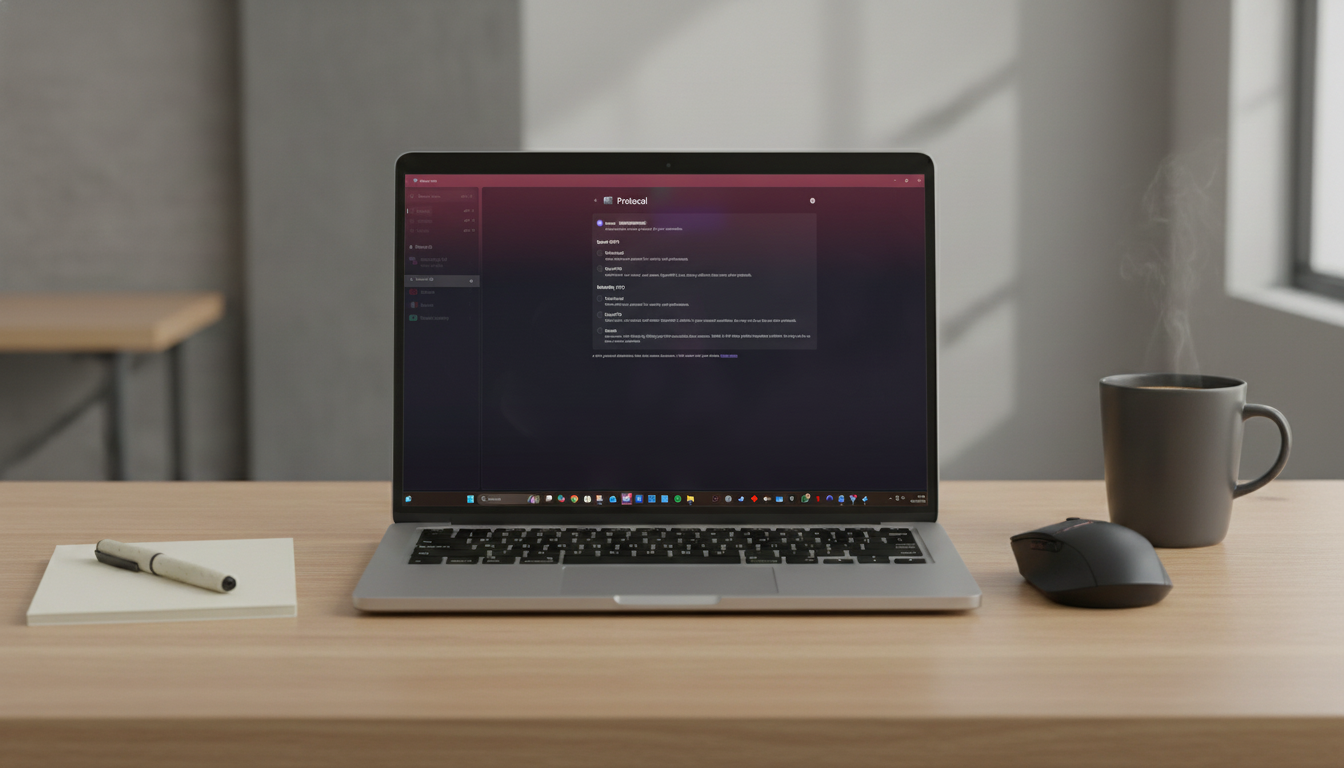
Proton’s quest for privacy superiority doesn’t just stop with the legalities, though; its Stealth protocol is a staple part of its infrastructure and offers a stellar solution to remaining secure when you need to hide that you’re using a VPN to connect.
Stealth is a protocol based on traditional WireGuard over TCP. By tunneling WireGuard over TCP, having already encapsulated your traffic in TLS, your connection appears as any normal online traffic would.
This is because TCP runs your traffic through the same port that normal HTTPS traffic goes through, port 443. By disguising your traffic in this way, you’re much less likely to be picked up by VPN detection technologies, allowing you greater success when bypassing censorship restrictions, VPN bans, and the like.
All this protective technology does mean that Stealth is by no means the quickest protocol, though that doesn’t mean you’re short of options if you need speed.
Alongside Stealth, you can also pick from WireGuard connection types across all apps, or OpenVPN if you are on Windows, both of which are available in TCP or UDP configurations.
In January 2026, the company announced that it be retiring older manual OpenVPN configurations due to security concerns. Although users of the official app will be unaffected, those running manual setups or on Linux will need to refresh their credentials by February 28 to avoid losing connectivity.
Picking TCP gives a more reliable connection, while UDP is more speed-focused. So, if you’re after a secure, reliable connection, OpenVPN on TCP is the pick, while if you want speed, WireGuard over UDP is ideal, especially with VPN Accelerator enabled.
We’ve mentioned already how Proton avoids using RAM-only servers in favor of full-disk-encrypted servers instead, but it’s also worth mentioning its commitment to physical locations in regions of high risk.
In ‘unfriendly jurisdictions’, as Proton describes them, Proton uses third-party, physical servers to ensure that it’s not subject to local laws and remains a Swiss company, since the infrastructure is owned by a third-party, and it has full control of the server all the way to the base operating level.
Using physical servers, rather than virtual, ensures the hardware is solely dedicated to Proton VPN, allowing for greater security and control when navigating the difficulties faced in these regions.
In terms of privacy features in-app, there are several that are particularly handy.
We’ve already mentioned Proton’s version of multi-hop, Secure Core. This is a super-secure solution to a two-VPN connection, though the added security does mean it sacrifices country availability. Every connection must go through one of Proton’s Swiss, Icelandic, or Swedish Secure Core bases, and the connection can then only exit in 68 of Proton’s usual 145 countries.
While this may seem like a sacrifice initially, 68 is far more than the 12 multi-hop locations NordVPN offers. Only Surfshark’s Nexus network offers more since it allows a multihop connection between any two Surfshark locations without limitation.
Much like NordVPN, you also get Tor over VPN connectivity should you wish to access .onion sites. Again, Proton comfortably beats NordVPN for locations in this respect, with six to Nord’s two.
As with any Tor over VPN connection, performance does take a hefty hit. Our tests showed a maximum download speed of only 1.89 Mbps, though this is more than double NordVPN’s result, which barely scraped over 700 Kbps.
It’s unlikely that, if using the Tor network, you’re doing anything requiring a huge amount of bandwidth, but beware that you’re never going to get the same speeds you would with a different protocol. If you’re unsure how to safely use Tor over VPN, Proton does offer a handy guide you can access from within the app.
Score: 10/10
Security
- Excellent current encryption standards but no post-quantum yet.
- Kill switch that can now be used alongside split-tunneling on Windows
- Poor recent malware site blocking result.
Proton does almost all the necessary security steps well. AES-256-GCM and ChaCha20 encryption using Diffie-Hellman key exchanges are standard practices, and Proton only uses protocols that support perfect forward secrecy. This means not only are you secure, but even if a session were to be compromised, none of your older or later sessions are at risk since they’ll use unique encryption keys.
On the topic of encryption keys, Proton uses 4096-bit RSA keys, a step above VPN providers such as Surfshark, which only use 2048-bit, though you won’t notice the difference day-to-day. 2048-bit encryption keys are extremely safe, which is why top VPNs still use them, but 4096-bit keys add additional security through the increase in key length – why the likes of Proton and NordVPN now use these instead.
Proton’s VPN hasn’t yet implemented post-quantum encryption (PQE). However, it is currently working on adding this feature. In October 2025, the company announced it had started working on a new, in-house VPN architecture This will enable the company to introduce PQE in the coming months. The architecture is now being deployed and PQE rollout is imminent.
In an April 2026 update, the company said it was still working on this and currently laying the groundwork for PQE.
That said, its introduction is still lagging behind NordVPN and Express, who already offer PQE. For a closer look, we've also written an in-depth comparison of NordVPN and Proton VPN.
Read more about Proton VPN's security features ▼
Despite lacking PQE, Proton has plenty of features to keep users secure.
Auto-connect is an option right out of the gates. However, it’s not the most flexible system we’ve seen, especially when compared to NordVPN. While you can set your desktop to auto-connect on launch, and mobile apps feature a basic 'Always-on' toggle to re-establish dropped connections, it lacks advanced condition-based triggers.
This lack of any customization is surprising. The likes of NordVPN or Surfshark allow you options such as creating a trusted network list or enabling auto-connect under specific connection circumstances. Without this Proton is a distance behind.
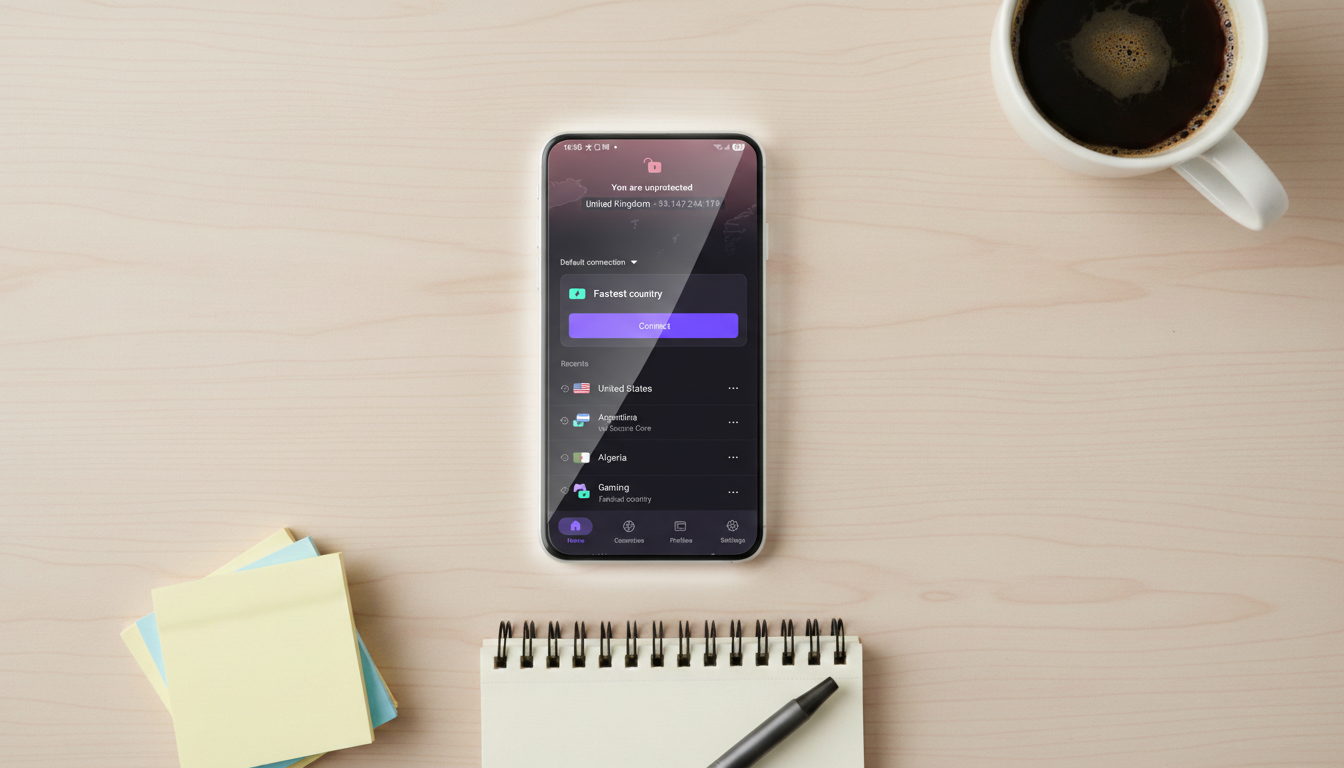
Next comes split tunelling. Proton’s split tunelling is advanced, but until recently Windows users couldn't use the split tunnel with the kill switch enabled. Fortunately, this was resolved in an update in February.
Proton does have several advanced features for split-tunneling. You can choose to split-tunnel both apps and IP addresses on Windows and Android, while Mac users are currently limited strictly to apps. On these supported platforms, you can decide whether your tunnel excludes or includes what’s selected from the VPN connection.
Proton’s app detection on desktop is very good. Any .exe file we had was found and properly thumbnailed on our list – a list which usefully retains any app you add permanently, should you wish to amend your list in future.
On mobile, Proton did a great job finding any app we’d installed (including those installed via Chrome), and could even identify and isolate specific system apps. That said, it did take a few seconds to collate the full list of apps, and didn’t give options for specific Chrome ‘apps’ we’d set up on our Android device to quickly access specific websites.
That won’t impact many but it does mean you’re left split-tunneling Chrome as a whole instead of having specific, unencrypted access to sites where VPNs cause issues, including financial sites.
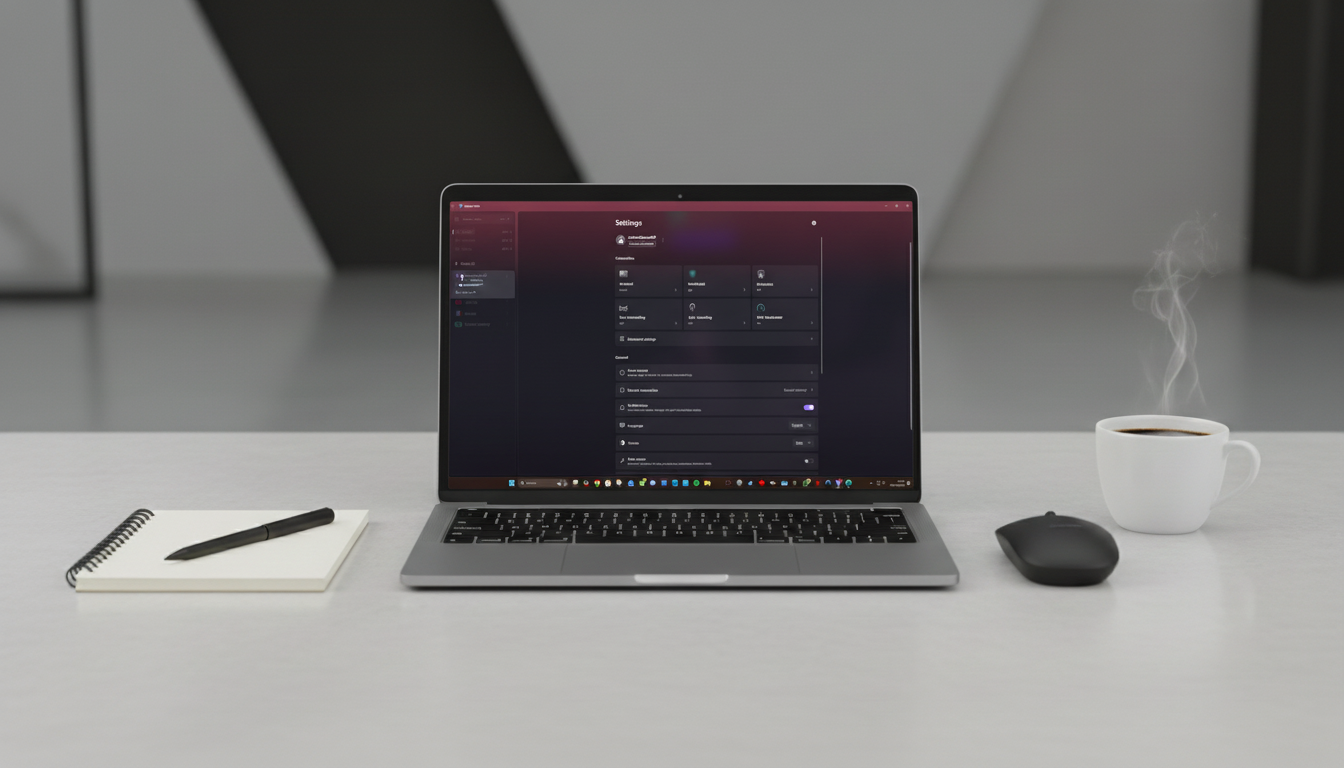
Finally, we should mention Proton’s kill switch. On desktop, you get two kill switch options: Standard, and Advanced. Standard works as you’d expect. You turn it on, and your internet connection drops if your connection to Proton VPN is interrupted.
Advanced adds another layer to this. It only allows internet access when connected to Proton VPN, and it remains active even after restarting your device.
Testing the kill switch over Stealth, WireGuard, and OpenVPN, Proton foiled all of our tricks to forcibly drop the VPN. We were disconnected instantly and saw no signs of leaks, and that's exactly what you want.
iOS and Mac users get the equivalent of Windows’ Standard kill switch, which is more than good enough. Android users use the Android-native kill switch, which is essentially the Windows Advanced option. While it would be great to see consistency across the board, none of our testing suggests any reason to worry about Proton’s kill switch no matter the platform.
Diving into Proton’s advanced settings offers several other ways to improve your security too.
That means using non-Proton server network methods to ensure online access to Proton users in crisis situation.
You can also choose to allow LAN connections while still connected to the VPN, set up custom DNS servers, choose your specific NAT type and OpenVPN network driver, and enable IPv6 support and leak protection.
This is extensive customization for any VPN. What’s also great to see is that mobile users get almost all of these functions, losing only IPv6 leak protection and OpenVPN network driver choices from the otherwise extensive list.
The final tool in Proton VPN’s security arsenal is NetShield. This is Proton’s ad, tracker and malware blocking tool. It works at a system level, meaning there’s no need for separate installs for at-risk programs such as your browser. It instead protects all of your apps instantly.
We put NetShield to the test against 36 brand-new malware and phishing sites and attempted to access them. We also ran it through an ad-blocking tester. These are our most recent VPN lab results:
Swipe to scroll horizontally
NordVPN (Threat Protection Pro) | 92% | 80% | 21% |
Proton VPN | 32% | 4% | 88% |
ExpressVPN | 84% | 16% | 87% |
Surfshark | 48% | 28% | 44% |
Proton’s results raise a number of discussion points. Its 32% phishing sites blocked score is a drop from its previous highs, putting it behind competitors like NordVPN. However, blocking 88% of ads means Proton remains top-tier here, achieving double the successful blocks of Surfshark and four times that of NordVPN's basic blocker.
Its 4% malware sites blocked score is concerning, of course. Though curiously, we also found this with ExpressVPN, which scored just 16% in this round, despite both testing well in the past.
As with speed testing, these ad and site blocker tests are only a snapshot in time, and are relative to the latest threats of that particular day. In other words, it might have just been a bad day at the office for ExpressVPN and Proton VPN.
The takeaway message is that, while Proton VPN currently misses a significant number of malware and phishing threats compared to the top performers, its core ad blocking remains highly effective.
Score: 7/10
Speed
- Very fast WireGuard speeds over long and short distance connections.
- OpenVPN speeds a long way behind the competition.
- Stable jitter recorded on recent tests.
Proton shot to the top of the pack in our most recent VPN lab speed tests. That's likely thanks in part to its VPN Accelerator technology.
We recently broadened our testing parameters, adding more data points to our testing and increasing our maximum speed capacity to 10 Gbps. This allows for more precise, comparable testing across all VPNs to discern even the smallest differences.
Having previously recorded only 871 Mbps, Proton now hits an impressive 1475 Mbps download speed using WireGuard over a short-distance connection.
What’s more, when connecting to the US from the UK (i.e. over long distance) using WireGuard, Proton VPN's download speeds have leapt from 436 Mbps to a staggering 1548 Mbps this time round, making it the fastest performer in this test and easily beating ExpressVPN's Lightway Turbo.
Read more about Proton VPN's performance ▼
Both of these results are more than fast enough for any household looking to protect a Netflix binge, gaming session, or just their emails. Among top VPNs, Proton actually takes the top spot for outright speed on short-distance connections (1475 Mbps), comfortably beating out Surfshark (1021 Mbps).
This lead continues over long distances, where Surfshark's respectable 935 Mbps UK to US connection is still nothing like as quick as Proton VPN's staggering 1548 Mbps.
Additionally, gamers will be pleased to know that Proton recorded very stable jitter in our most recent test (16.8ms and 17.8ms on WireGuard).
While for most these figures won't mean much, gamers should take note, since high jitter can contribute to inconsistent online gaming — a trap some competitors fell into this round. Fortunately, Proton VPN's latency recordings were also highly competitive and comparable with the other best VPNs.
The main area we'd like to see improvements is with Proton VPN’s OpenVPN performance. It's better than it was but, at 449 Mbps download speeds over a local connection, it's still trailing behind the likes of NordVPN (688 Mbps), Surfshark (825 Mbps), and ExpressVPN (1038 Mbps).
OpenVPN is commonly considered more secure and stable than WireGuard. If you’re using Proton for security, you’ll likely find yourself using its Stealth Protocol instead, given it's far more security-focused.
In most other circumstances, WireGuard is more than up to the job. However, you'll definitely need to look elsewhere if you want to use OpenVPN on non-Windows platforms, as Proton now completely excludes OpenVPN support from its Mac, Android, and iOS apps.
Score: 9/10
Unblocking streaming services
- Successfully unblocks Netflix libraries all round the world.
- Was able to unblock both Disney+ and YouTube in the US.
- Needed NetShield switching off to unblock some ad-funded services.
Proton VPN has a good track record in successfully unblocking streaming service all around the world but it's by no means the best streaming VPN. The accolade goes to NordVPN.
We lab test VPNs for their unblocking capabilities with Netflix libraries in the US, UK, Japan, Australia, and Canada, as well as Amazon Prime Video, Disney+, and YouTube. To check its regional capacity, we also put them against BBC iPlayer, Channel 4, ITV, 7plus, 9Now, 10Play, and TVNZ+.
Proton handled every Netflix library with ease, just the same as all of our top VPN choices. However, it did hit a few snags this time around, failing with several Amazon Prime Video libraries and requiring a bit of initial trial and error on other major sites.
On the plus side, it comfortably dealt with the likes of iPlayer, 7plus, 9Now, 10Play, and even TVNZ+ (which it had failed to unblock in previous testing cycles). But server-side issues did crop up elsewhere.
Read more about Proton VPN's unblocking capabilities ▼
Trying to access Disney+ UK and ITV saw us blocked when trying to connect from Proton’s London servers; luckily, though, switching over to a Belfast server saw these issues quickly dissipate.
Similarly, un-signed-in US YouTube wouldn’t work via New York servers, but connecting to Colorado was a quick fix. This is still a great win for Proton, though it's worth noting that top rivals like NordVPN and ExpressVPN also successfully unlocked US YouTube from abroad this time around.
It was the local ad-funded streaming services where Proton VPN required a little extra troubleshooting. Beyond just switching server locations, we've found that services like Channel 4 in the UK can struggle unless you temporarily turn off the NetShield ad-blocker.
Fortunately, there are no special "streaming servers" you have to hunt down; you should theoretically be able to stream content from any server in any country. When faced with a block, as happened with Disney+ or YouTube in our tests, we were simply able to click a different city or server in the same country and try again.
A streaming-friendly network allows a greater spread of server load, reduces performance impact, and even allows you to pick servers with better latency to ensure a high-quality experience. So, while we can't claim that Proton is the absolute tip-top for streaming, it's certainly up there with most of the premium contenders.
Score: 7/10
P2P and torrenting
- P2P supported in all Proton VPN server locations on paid plans.
- Proton VPN supports port forwarding.
- Loads of helpful guides and how-tos on torrenting for beginners.
Proton VPN is arguably the best VPN for torrenting out there right now.
P2P is fully optimized and supported across its entire network of 145 countries for paid users. You can filter into the P2P-optimized servers at the click of a button. I downloaded several test torrents, and had no issues at any point in the process.
Proton VPN supports port forwarding which helps to get the best torrenting speeds. Many major VPNs lack this support owing to the known security risks it brings. That's understandable to a degree, but not only does Proton VPN have features to help people using P2P networks, it's also one of the few VPNs to have a wealth of information in its user base on how to actually do it with guides such as how to torrent safely with a VPN.
You can port forward across Proton VPN’s Windows, Linux, and Mac apps – the last of which was finally added in summer 2025.
If you’re confused or need guidance, Proton has more in-depth posts outlining the risks of port forwarding, how to set it up on its apps, how to manually set it up, and even how to manually set it up on the likes of qBittorrent and uTorrent.
This level of guidance is something we’d rarely expect, let alone the level of support on its apps.
If you want to use a VPN for torrenting, then given all this, and Proton's speeds and server network spread, then you really have to have it on your P2P shortlist.
Score: 5/5
Compatibility
- Apps for almost every platform.
- Lots of capability iOS and Mac users.
- No OpenVPN support on Apple or Android devices, though.
Proton VPN does a remarkable job of not only offering a strong spread of apps, but also ensuring there aren’t huge gaps in features from one app to another.
You can use Proton VPN on Windows, Mac, iOS, and Android as expected – plus it has a GUI client for Linux users. Android smart TVs also get an app, as well as Fire TV Sticks and Apple TV boxes.
The Proton VPN browser extension is available on Chrome or Firefox. As with ExpressVPN, PIA, and CyberGhost, you need to download the Chrome Web Store extension onto Edge to get Proton VPN on Microsoft's browser.
Proton VPN is also router-compatible and has a handy, detailed guide that explains what methods you can use to set this up.
In terms of parity across platforms, Proton VPN is near-perfect nowadays, unlike VPN providers such as NordVPN.
The anomalies for Proton to speak of are that its mobile apps lack advanced condition-based auto-connect rules (relying instead on a basic "Always-on" reconnect function), and non-Windows users completely lose native OpenVPN support. This makes Windows the exclusive home for OpenVPN on official desktop/mobile apps.
Proton has pulled native OpenVPN support from mobile and Apple apps to favor faster, more secure modern protocols like WireGuard and Stealth. Interestingly, while iOS lost IKEv2 support alongside OpenVPN, macOS actually still retains native IKEv2 support within its app settings. Should you wish to use OpenVPN on Mac, Android, or iOS, Proton does, however, offer in-depth guides to manually configuring those connections.
Prior to summer 2025, Proton users on Mac were also short of both port forwarding and split tunneling capabilities. These features have since both been introduced—though it's worth noting that split tunneling on macOS is currently labeled as an "experimental" feature, giving Mac users slightly less parity than Windows.
Score: 4/5
Usability
- Apps well designed and consistent across platforms.
- Advanced features are explained well and easy to access.
- The browser extension could be better.
Set up
After signing up for Proton VPN, you have two main ways to get your app downloaded.
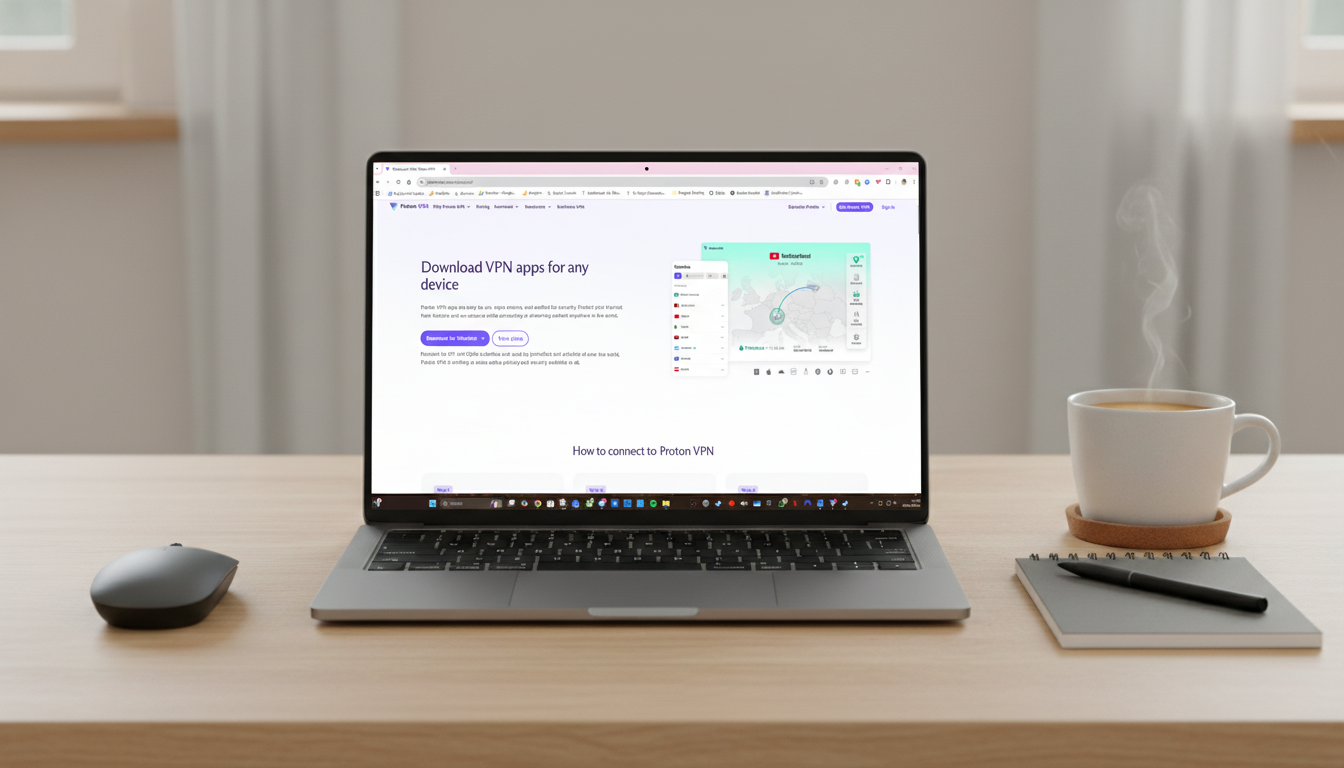
First off, if you click the ‘Download’ tab at the top of your screen, you’re quickly presented with every app Proton has, including its extensions, mobile apps, and Smart TV apps – though I highly doubt you’ll be downloading Proton to your Smart TV via the website! If you’re on a smaller screen, the download tab is hidden in the hamburger (three-line) menu in the top right corner.
Alternatively, from the website, if you go into your Proton account (found in the top-right corner of your screen), you can access some more specific application types.
Read more about Proton VPN's usability ▼
In the downloads section, you can quickly access APK, GitHub, and F-Droid versions of its Android, Android TV, and Chromebook apps. You’ll also find here your configuration settings to manually set up OpenVPN or WireGuard on Android, iOS, Windows, Mac, Linux, or a router.
Once you click the download button, you’re on your own, in the app, at least. The download client gives you the option to install Proton Drive, Proton Mail, and Proton Pass, alongside the VPN, and then, once Proton VPN is loaded, you log in, click ‘Get Started’, and go.
User Experience
Once you’re in, Proton’s hues of reddish purple and black could leave a beginner wondering quite how complex an experience they’re in for; luckily, all of Proton’s apps are simple.
This visual identity is consistent across all of Proton’s platforms, as is the simplicity. The key differentiator between Proton VPN on desktop and Proton VPN across other platforms is the map aspect of its interface. On Windows and Mac, the map can be used to identify and connect to a server.
On mobile, this map isn’t navigable, though it shows the country you're connected to from the list. On smart TVs, there isn't a map at all.
In reality, I rarely find myself using the map as a connection location tool with any VPN I use. A search field and list proves quicker in my experience.
No matter the platform you’re on, you’re directed towards everything you’d need straight away.
Smart TVs understandably have the fewest quick action options, but everything other than server location is found under settings, so you’re not left trawling a bunch of submenus using a TV remote – even though Android TVs have to go to the bottom of the locations menu to find the settings panel.
Finding the server you’re after couldn’t be simpler, either. The app doesn’t hide its Tor, Secure Core, or P2P servers entirely. Instead, it offers dedicated tabs across desktop and mobile, and shows each country’s server types in their server lists on Smart TVs. You can even search by individual server code if you know the one you want.
One area Proton previously struggled with was its browser extension, but it has bounced back significantly. While it used to suffer from poor user reviews, it has climbed to a solid 4.0 rating on the Chrome Web Store, matching rivals like Surfshark.
It still offers less customization than the main apps, allowing access only to standard or Secure Core servers, and its settings menu remains primarily focused on data sharing rather than technical features. However, it's a much cleaner experience than it used to be.
I’d also like to see Proton make more efficient use of space in its desktop apps. The Proton map interface takes up an extraordinary amount of space for fairly limited use – one reason why NordVPN completely overhauled its desktop dashboard layout in early 2026 to favor a search bar instead.
Meanwhile, key features such as protocol selection and auto-connect aren’t front and center where they could be.
Proton VPN's mobile and smart TV apps do a much better job of managing space. They prioritize quick access to server locations and connection types, with the map present only once connected.
Quibbles aside, I'm really impressed with the Proton VPN apps. Using features is simple thanks to high-quality explainers under each option, plus links out to some key guides when the setting is more advanced, such as port forwarding.
You can also tell what features are active by whether they’re greyed out or in full color, and on desktop platforms, you’re given a bunch of keyboard shortcuts to make accessing sections of the app quicker than it already is.
The main anomalies across platforms are that mobile apps only offer standard "Always-on" auto-reconnection rather than advanced condition-based rules, and native OpenVPN support is completely missing from Mac, iOS, and Android apps — making Windows the exclusive home for the protocol inside Proton's native software.
You also get full customization of your security options, should you wish, but equally, beginners won't feel pushed into making changes they're not ready for, and they won't get bombarded with complex terms.
Of course, the most prominent feature of any VPN app should be the big Connect button, and that's nice and clear with Proton. There's no fuss, no confusion, just simple security on every platform.
Score: 4/5
Accessibility
- Excellent language support.
- Great keyboard-only experience.
- Proton VPN's website scored fairly low for screen reader accessibility.
Putting ProtonVPN.com through accessibilitychecker.org’s accessibility scan gave us some interesting insights.
Proton VPN’s accessibility audit scored 53% overall, closing the gap on the likes of NordVPN (65%) and Mullvad (95%), while pushing well ahead of providers such as Surfshark (23%). PureVPN remains tied with Proton's historical baseline at 35%.
Diving into the report, the site's issues primarily surround screen reader testing. The automated auditing highlights that multiple page structure and coding problems remain, which greatly reduce its overall screen reader compatibility.
In relation to the industry as a whole, however, Proton’s new 53% score is quite respectable, placing it a mid-range 6th place out of 14 major tested providers. Accessibility is clearly an area that still needs greater focus across the entire industry.
Outside of web-based metrics, Proton VPN's actual application does a great job of accommodating people's physical needs.
Ditching our mouse still meant we rarely struggled using the desktop app with the keyboard alone. On a few instances, we were jumped to unintended areas of the app, and sometimes our selection rectangle just disappeared entirely, but never often enough to stop us from connecting successfully. We also never struggled to search servers specifically, nor did adjusting settings prove difficult.
From our experiences, you’ll likely only find a better keyboard experience using either PIA or ExpressVPN. ExpressVPN has long focused on simplicity in its apps, so success in this regard is no surprise. Proton VPN did a better job in this regard than NordVPN, though.
Proton also completely knocks other premium VPNs out of the water when it comes to localized language support. It natively offers 36 languages across its clients. That makes Proton VPN’s language total significantly larger than major competitors like NordVPN and Surfshark.
So, while Proton could still do better in terms of visual screen-reader compliance, it remains highly accessible in almost every other practical metric.
Score: 3/5
Customer support
- Good depth of support guides
- Live chat and priority support available for paid tiers
- Agents began to struggle once diving deeper into issues
Accessing support for Proton VPN is simple. First off, you can use its FAQs, guides, and resources hub to access guides on almost any topic.
Testing the depth of its guides using ‘DNS’ as a search, it was great to see guides on everything from DNS leaks, to flushing DNS caches, and how you can use custom DNS.
It even filed in instances where DNS was a related topic and highlighted the relevant text. For example, it pulled in Proton’s streaming troubleshooter guide since DNS over HTTPS can contribute.
These guides are easily accessible, too. Whether it’s via a couple of clicks in the Windows app or two taps on mobile, you can quickly enter the Proton Support Center, report issues with your service, or access debug logs to help support assistants troubleshoot your problem.
If you are a paid user on the VPN Plus or Unlimited plans, you also get access to priority support and a dedicated live chat feature to bypass the ticket queue entirely. Keep in mind that if you are using the completely free version, live chat is locked away and you'll be reliant solely on the help documents and email ticketing.
Alternatively, if you run into a unique technical glitch, Proton has one of the absolute busiest Reddit communities in the entire VPN space. With roughly 600+ weekly contributions, the r/ProtonVPN subreddit is a thriving hub for user-to-user troubleshooting that regularly beats out rivals like NordVPN or ExpressVPN for active community help.
Read more about Proton VPN's customer support ▼
Next, we tested the skills of Proton’s support agents. We raised the question, “What do we do if we can’t access .onion websites while connected to Tor over VPN?” and got a reply via ticket in around five minutes!
What was more impressive was that our response wasn’t just an automated acknowledgment — we got some sensible suggestions right off the bat around testing different servers, switching browsers, and disabling NetShield. We were also asked for more details to help pinpoint the issue.
At this stage, though, the standard slipped a bit. Our agent became bogged down in browser troubleshooting, and response times jumped from five minutes to around three hours. What we received at the end of that wait felt a bit underwhelming for the amount of information we’d provided.
To be fair to the agent, browser and platform quirks are common culprit areas for Proton's Tor integration. For instance, desktop Firefox requires a manual configuration tweak to resolve onion URLs, Firefox for Android won't open them at all, and Apple users must have their app Kill Switch turned on just to get Tor traffic to pass cleanly.
Even so, the handling could have been smoother. By comparison, we’ve put the same question to NordVPN in the past, and, while the initial response was slower, we received a much more cohesive set of diagnostic questions and an all-around more reassuring experience.
Proton’s lightning-fast initial response does deserve credit, though. Plus, our broader experiences with their team over our months of testing have generally been highly reliable more often than not.
Score: 4/5
User reviews
While not perfect by any means, review sites often prove a good initial gauge of how trustworthy a VPN is, how well it performs, and what issues it’s had in the past.
Proton VPN’s mobile apps are among the best on the market. Its stellar ratings of 4.7 on the Google Play Store and 4.6 on the Apple App Store are a fair reflection of its capabilities and put the VPN provider very much on par with our other top recommended services.
Swipe to scroll horizontally
NordVPN | 4.6 | 4.7 | 4.2 |
Windscribe | 4.6 | 4.6 | 4.7 |
Surfshark | 4.6 | 4.7 | 4.3 |
Proton VPN | 4.7 | 4.6 | 2.2 |
ExpressVPN | 4.7 | 4.7 | 4.1 |
On the desktop side, its Chrome Extension has undergone a major redemption arc. While it historically lagged behind with a mediocre user rating due to early performance bugs, a series of major software overhauls has seen its score climb to a highly respectable 4.1/5 on the Chrome Web Store.
It’s a massive improvement that brings it right back into the conversation with competing browser extensions.
Proton’s Trustpilot reviews offer further food for thought, since scoring a 2.2 out of 5 is still quite low compared to its app store success. There isn’t a single trending theme driving the negative reviews either—unlike, for example, NordVPN’s frequently targeted auto-renewal policy.
It's also worth noting that Proton has a comparatively tiny footprint here with just 901 reviews in total, while the likes of ExpressVPN and Surfshark have accumulated over 25,000.
It is somewhat strange that these complaints aren't widely reflected in the highly positive mobile app store reviews. Ultimately, while a chunk of 1-star Trustpilot reviews shouldn't be ignored completely, the actual day-to-day performance of the product and our rigorous long-term lab testing simply do not tally with those specific negative metrics.
Track record: can you trust Proton VPN?
- All Proton VPN apps are open source.
- Annual no-logs audits since 2022.
- Proton Mail privacy requests raise concerns for some users.
Proton has a strong track record of proving its commitment to privacy. Since 2022, the VPN provider has undergone yearly no-logs audits. The latest was published by independent auditors in September 2025, but its history of transparency goes back long before this.
What’s more, all of Proton VPN’s apps are open source. This means that anyone can look at, and judge, the code found in each app. By going open source, anyone can check and confirm that Proton’s apps work properly and do everything they’re supposed to safely – providing peace of mind that there isn't anything malicious happening behind the scenes.
The company also helps fund external projects that work to protect people's privacy and in January 2026, it donated over $1.27 million to a variety of digital rights groups. Organizations included Transparency International, Witness, EDRi and Lighthouse Reports.
Despite this, there are a handful of high-profile legal incidents involving its sister product, Proton Mail, that continue to concern some privacy advocates.
In September 2021, Proton was compelled to log and hand over the IP address of a French climate activist. Later, in May 2024, Proton complied with a request to hand over the optional recovery email address of a Catalan independence activist, which authorities then used to identify them via Apple.
Most recently, in March 2026, Proton was forced to share credit card payment data with the FBI regarding an activist in Atlanta.
Read more about Proton VPN's track record ▼
What many critics fail to realize is that Proton did not directly cooperate with foreign governments in any of these cases. Foreign law enforcement agencies had to apply through international legal channels to Swiss courts.
Because Proton is a Swiss company, it cannot ignore a legally binding Swiss court order. Crucially, in none of these cases was Proton's end-to-end encryption broken — no email content, message text, or core data has ever been compromised. The users were ultimately exposed due to peripheral metadata they chose to provide, such as personal credit cards or personal recovery emails.
It also must be remembered that these cases strictly surround Proton Mail, not Proton VPN, and these products are handled entirely differently under Swiss law.
Proton’s privacy policy does a good job explaining this, explicitly noting that Swiss regulations do not force VPN providers to log data, whereas email services can be required to disclose IP logs or account metadata in the event of a Swiss criminal investigation.
The other sensible move for people using Proton Mail is not to register a recovery email address in the first place, although that comes with the obvious risk of losing access to your account.
While it's understandable why these legal disclosures shook the trust of some users who mistook privacy for total anonymity, they do not warrant concern about the VPN itself. To Proton’s credit, it goes to great lengths to remain transparent about its legal obligations, and its core zero-knowledge encryption architecture remains entirely intact.
Score: 4/5
Final verdict
Proton VPN is, without doubt, a top VPN. It offers a huge array of locations, superb speeds, and rock-solid security. It's surprisingly good value too, when you compare it to the equivalently-featured tiers of other VPNs.
Proton VPN's track record and high levels of privacy are what it should be most proud of, though. Of all the VPNs we recommend, it's the one we'd bet our lives on if we really had to.
It’s also a highly customizable VPN with stunning apps. Its whole ecosystem of Big Tech alternative software is well worth using if you like them.
Who should use Proton VPN?
✅ Torrenters: Proton’s breadth of P2P support, and, more importantly, port forwarding support, make it perfect for torrenting. Plus, it offers a wealth of knowledge guides to help you stay safe and effective.
✅ Those wanting to move away from Google: Picking up a Proton Unlimited plan opens the door to more than just Proton VPN, you can use its secure storage, email.
Right now, you can get Proton VPN for only $2.99/month on a 2-year deal. It’s got sleek, customizable apps, servers in 145 countries, and doesn’t struggle to unblock your favorite streaming services thanks to its full streaming optimization and high download speeds.
What’s more, unlike many top VPNs, it has port forwarding support, and guides to equip you to use this and all of its other tools to the maximum. Try risk-free with Proton’s 30-day money-back guarantee.
Who should try a different VPN instead?
❌ Streamers: While Proton VPN can definitely unblock streaming services, it struggles more than some may like. You can likely find stronger streaming performance for a similar or cheaper price if this is a priority.
Also consider
NordVPN – The best VPN overall ($3.39 $2.99)
While Proton VPN offers much to please privacy purists, our tests have found no better VPN than NordVPN right now. Like Proton, NordVPN has a 10-device limit, but it offers faster speeds, improved streaming performance, and unique tools such as Threat Protection Pro and Meshnet. You can try NordVPN risk-free with its 30-day money-back guarantee.
Proton VPN FAQs
Where is Proton VPN based?
Proton VPN is based in Switzerland. This is because the country has strong privacy laws, and isn’t part of any intelligence-sharing agreements. This means it’s highly unlikely that any request from a country to access Proton’s data will be approved.
Does Proton VPN support port forwarding?
Yes. Unlike many of the top VPNs, Proton VPN offers full port forwarding capabilities. While the provider is aware of the risks, it offers in-depth guides to explain what those risks are and how to go about port forwarding safely.
Is Proton VPN blocked by Netflix?
No, our testing showed that Proton VPN has no issues accessing Netflix. We tested the provider with Netflix’s UK, US, Canadian, Australian, and Japanese libraries and saw no issues throughout.
Proton VPN testing methodology
Alongside the features that I've tested on my own devices, I'll also refer to what "we" have tested in this review. When I talk about "we", I'm referring to anything found during our lab testing. This testing is conducted by VPN Technical Editor, Mike Williams. Mike has been lab testing VPNs for over 11 years.
Each VPN is tested every six months. We measure speed, ad-blocking, anti-phishing and malware, streaming service unblocking, local IP address leaks, and more. Each server network is spot-checked to confirm that the VPN server locations are accurate. We also confirm a provider's security credentials, privacy policy, and executable files are secure and safe.
To find the full details of our VPN review processes, you can take a look at our VPN testing methodology.
This review has been fact-checked by the TechRadar VPN team, as well as with information provided by Proton. We update this review regularly to include any new features or information about the product. That means that this review is always up to date and as you would find the product if you downloaded and used it today.
If you notice anything in your experience of using Proton VPN that doesn't match what you read on this page, please let us know in the comments or by emailing us.
We will then do our best to offer product support information or include corrections and warnings to other users, depending on which is appropriate.






 English (US) ·